007 First Light: Best PC Settings
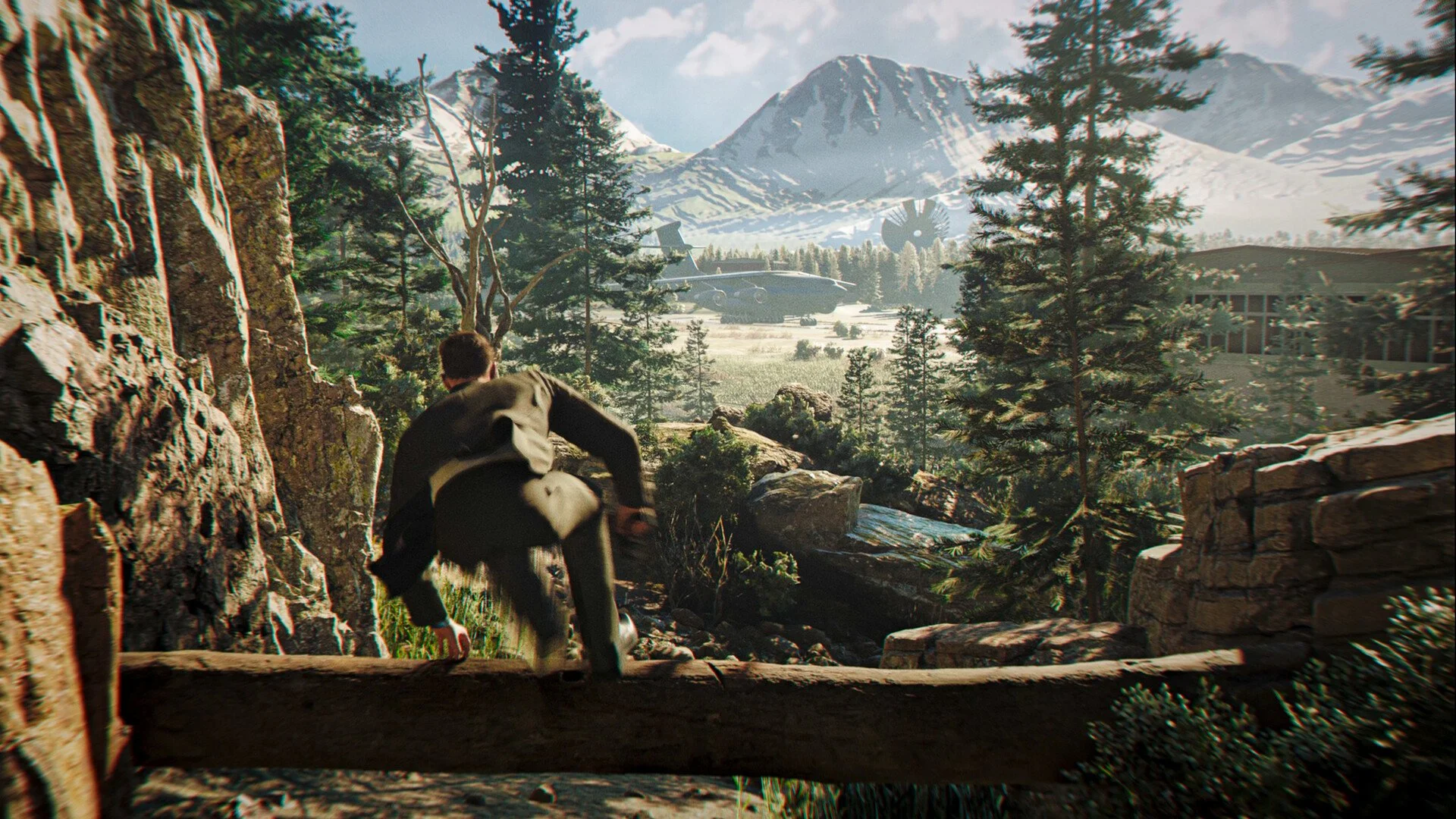
007 First Light can look sharp on PC without destroying performance, but the settings menu needs some manual cleanup because the game does not rely on simple graphics presets. The best setup is to keep the expensive lighting options under control, use upscaling at higher resolutions, and avoid wasting VRAM on textures the GPU cannot comfortably hold.
If the game is not opening before the settings menu can even be reached, the 007 First Light won’t launch fix guide covers the dedicated GPU fix, file verification, and startup troubleshooting first.
Jump To
Best 007 First Light PC Settings For Performance And Visuals
The best 007 First Light PC settings are High textures, 16x texture filtering, High shadows, Medium or High volumetrics, High global illumination, High reflections, motion blur off, film grain off, chromatic aberration off, and DLSS or FSR enabled based on resolution.
This setup keeps 007 First Light looking good without pushing every expensive lighting option to Ultra. The game’s biggest performance and smoothness problems usually come from resolution, ray traced lighting style settings, volumetrics, reflections, and VRAM heavy textures. Maxing everything can look great, but it is not the best default for most PCs.
007 First Light also does not need an esports style frame rate to feel good. This is a cinematic action stealth game, so a steady 60 FPS feels much better than a messy 90 FPS target with constant dips. For controller play, a locked 60 FPS with stronger visuals is the better balance.
| Setting | Recommended Choice | Why |
|---|---|---|
| Display Mode | Fullscreen or Borderless | Fullscreen can help stability, but Borderless is better if alt tabbing causes issues. |
| VSync | Off for VRR, On without VRR | VRR displays handle tearing better, while normal displays may need VSync. |
| Transfer Function | 2.2 | Best general choice for darker scenes and normal monitor use. |
| Gamma Correction | 1 | Keep the default unless the image is too dark on the display. |
| Texture Quality | High | Better default than Ultra for 8GB and 10GB GPUs. |
| Texture Filter | Anisotropic 16x | Low performance cost and helps surfaces look cleaner. |
| Level Of Detail | High or Ultra | Looks better and is not the first setting worth cutting. |
| Terrain Quality | High | Keeps environments sharp without being wasteful. |
| Shadow Quality | High | Strong visual value, but Ultra is expensive. |
| Volumetric Fog Quality | Medium or High | One of the better settings to lower when FPS drops. |
| Volumetric Effects Quality | Medium or High | Good visuals, but not worth tanking performance. |
| Global Illumination Quality | High | Important for the game’s lighting and stealth atmosphere. |
| Reflection Quality | High | Ultra looks nice, but High is the smarter default. |
| Motion Blur | Off | Keeps camera movement clearer. |
| Film Grain | Off | Cleaner image. |
| Chromatic Aberration | Off | Cleaner edges and less visual smear. |
I would not start by pushing every setting to Ultra and then backing down after the game stutters. Start with a balanced High setup, check the VRAM bar, then raise only the settings that your PC can actually afford. Very glamorous. Very Bond. Also very much a PC settings menu doing PC settings menu things.
Best 007 First Light Settings For 1080p
The best 1080p settings for 007 First Light are High textures, High lighting, High reflections, Medium volumetrics, and DLSS or FSR Quality if extra FPS is needed.
At 1080p, most recommended spec PCs can keep the game looking sharp without aggressive upscaling. Native 1080p is fine on stronger cards, while DLSS Quality or FSR Quality is better for weaker GPUs or laptops that need smoother frame pacing.
| 1080p Setting | Recommended Choice |
|---|---|
| Resolution | 1920 x 1080 |
| Upscaling | Off on stronger GPUs, Quality on weaker GPUs |
| Texture Quality | High |
| Texture Filter | Anisotropic 16x |
| Level Of Detail | Ultra |
| Terrain Quality | High |
| Shadow Quality | High |
| Volumetric Fog Quality | Medium |
| Volumetric Effects Quality | Medium |
| Global Illumination Quality | High |
| Reflection Quality | High |
For 8GB GPUs, High textures are the safer pick. Ultra textures can work in some areas, but 007 First Light can eat VRAM quickly, and texture related stutter is more annoying than a slightly softer wall texture seen for half a second during a chase.
Best 007 First Light Settings For 1440p
The best 1440p settings for 007 First Light are DLSS Quality or FSR Quality, High textures, High shadows, Medium volumetrics, High global illumination, and High reflections.
1440p is the sweet spot for a lot of mid range and upper mid range GPUs. The game keeps a clean image, upscaling still looks good, and the performance cost is not as brutal as native 4K. This is where lowering volumetrics pays off more than lowering texture filtering or level of detail.
| 1440p Setting | Recommended Choice |
|---|---|
| Resolution | 2560 x 1440 |
| Upscaling | DLSS Quality or FSR Quality |
| Frame Generation | On only if base FPS already feels stable |
| Texture Quality | High, Ultra only with enough VRAM |
| Texture Filter | Anisotropic 16x |
| Level Of Detail | Ultra |
| Terrain Quality | High or Ultra |
| Shadow Quality | High |
| Volumetric Fog Quality | Medium |
| Volumetric Effects Quality | Medium |
| Global Illumination Quality | High |
| Reflection Quality | High |
For an RTX 3060 Ti or RX 6700 XT style card, 1440p is doable, but it should not be treated like a free upgrade from 1080p. Use upscaling and keep the lighting stack under control. The image will still look good, and the game will feel much smoother than forcing native 1440p with settings the GPU is quietly begging not to run.
Best 007 First Light Settings For 4K
The best 4K settings for 007 First Light are DLSS Balanced or FSR Balanced, High textures, High shadows, Medium volumetrics, High global illumination, and High reflections.
Native 4K is expensive in 007 First Light. Even strong modern GPUs benefit from upscaling because the game’s lighting, reflections, and dense scenes are demanding. DLSS or FSR is not a small bonus at 4K. It is the setting that makes the difference between a pretty slideshow and a playable spy game.
| 4K Setting | Recommended Choice |
|---|---|
| Resolution | 3840 x 2160 |
| Upscaling | DLSS Balanced or FSR Balanced |
| Use Performance Upscaling | Only if the GPU cannot hold the target FPS |
| Frame Generation | Useful on supported RTX cards if base FPS is stable |
| Texture Quality | High, Ultra only on 12GB to 16GB GPUs |
| Texture Filter | Anisotropic 16x |
| Level Of Detail | Ultra |
| Terrain Quality | Ultra |
| Shadow Quality | High |
| Volumetric Fog Quality | Medium |
| Volumetric Effects Quality | Medium |
| Global Illumination Quality | High |
| Reflection Quality | High or Ultra |
Reflection Quality is the one Ultra setting worth testing at 4K if the GPU has room. Reflections add a lot to the game’s polished spy movie look, especially in sleek interiors and wet outdoor scenes. If FPS drops hard, cut reflections back to High before dropping global illumination.
Settings To Lower First For More FPS
The best settings to lower first in 007 First Light are volumetric fog, volumetric effects, shadow quality, reflection quality, and texture quality if VRAM is maxed out.
Do not lower everything evenly. That usually makes the game look worse than it needs to. Some settings cost more than they are worth, while others barely hurt performance and should stay high. Texture filtering, level of detail, and terrain quality are not the first cuts I would make on most PCs.
| Lower This First | Best Change | Why |
|---|---|---|
| Volumetric Fog Quality | High to Medium or Low | Good FPS gain in heavy atmosphere scenes. |
| Volumetric Effects Quality | High to Medium | Helps during smoke, lighting, and action heavy moments. |
| Shadow Quality | Ultra to High or Medium | Expensive and not always worth Ultra. |
| Reflection Quality | Ultra to High | Keeps the look mostly intact while saving performance. |
| Texture Quality | Ultra to High or Medium | Only lower this when VRAM usage is too high. |
The last part is important. Texture quality is not always an FPS setting. It is often a VRAM stability setting. If the VRAM bar is safe, textures can stay high. If the game starts hitching, stuttering, or loading in rough textures, lower texture quality before blaming every other setting.
Best Texture Settings For VRAM
The best texture setting for most 007 First Light players is High, with Ultra saved for GPUs that have enough VRAM to avoid stutter.
For 8GB GPUs, High is the smarter default. For 10GB GPUs, High is still safer at 1440p and 4K. For 12GB GPUs, Ultra can be tested at 1080p and 1440p. For 16GB GPUs, Ultra is much easier to justify, especially if the rest of the settings are balanced.
| GPU VRAM | Texture Recommendation |
|---|---|
| 6GB | Medium |
| 8GB | High at 1080p, Medium or High at 1440p |
| 10GB | High |
| 12GB | High or Ultra |
| 16GB or higher | Ultra |
From my experience, texture settings are where people get stubborn because Ultra feels like the “correct” option. It is not correct if it causes stutter. A smooth High texture setting beats an Ultra setting that turns every new area into a tiny loading argument.
Best Upscaling And Frame Generation Settings
The best 007 First Light upscaling setting is Quality at 1080p, Quality at 1440p, and Balanced at 4K, with Frame Generation enabled only when the base frame rate is already stable.
NVIDIA users should use DLSS when available. AMD users should use FSR. Intel users should use FSR if no better option is available. Upscaling is most useful at 1440p and 4K, where the performance cost of native resolution climbs fast.
| Resolution | Best Upscaling Choice |
|---|---|
| 1080p | Off or Quality |
| 1440p | Quality |
| 4K | Balanced |
| Weak GPU at 4K | Performance |
Frame Generation is useful, but it is not magic. It feels best when the game is already running at a stable base frame rate. If the base FPS is low or uneven, Frame Generation can make the number look better while the controls still feel slightly off. For controller play, that tradeoff is usually fine. For mouse aiming, it is more noticeable.
If the system supports Dynamic Multi Frame Generation, test it after the normal settings are stable. Do not use Frame Generation to hide a bad setup. Use it to polish a good one.
Best Post Processing Settings
The best post processing setup in 007 First Light is motion blur off, film grain off, chromatic aberration off, and gameplay blur effects based on preference.
Post processing does not usually fix performance in a huge way, but it changes clarity. Motion blur, film grain, and chromatic aberration can make the image feel more cinematic, but they also soften the picture. For a cleaner PC image, turn them off.
| Post Effect | Recommended Choice | Reason |
|---|---|---|
| Motion Blur | Off | Cleaner camera movement. |
| Fullscreen Blur Effects | On or Personal Preference | Can help show gameplay states like low health. |
| Radial Blur Effects | On or Personal Preference | Useful for cinematic feedback, but not required. |
| Wobble Distortion Effects | Off or Personal Preference | Turn off if it feels distracting. |
| Film Grain Effects | Off | Cleaner image. |
| Chromatic Aberration Effects | Off | Sharper edges and less color fringing. |
The only post processing effects worth keeping on are the ones connected to readable gameplay feedback. If turning off fullscreen blur makes damage or status feedback harder to read, leave it on. If the image clarity feels better without it, turn it off and enjoy the rare pleasure of a PC game not smearing the screen for vibes.
Best Steam Deck And Handheld Settings
The best Steam Deck and handheld settings for 007 First Light are Low textures, Low shadows, Low volumetrics, FSR enabled, and a 30 FPS target.
007 First Light can run on handheld hardware, but it is not the ideal way to play. The game is built around bigger environments, heavier lighting, and cinematic scenes that ask a lot from small devices. A 30 FPS target is more realistic than trying to force a shaky 45 or 60 FPS setup.
| Handheld Setting | Recommended Choice |
|---|---|
| Resolution | Native handheld resolution |
| Upscaling | FSR Quality or Balanced |
| Frame Rate Target | 30 FPS |
| Texture Quality | Low or Medium |
| Texture Filter | 4x |
| Level Of Detail | Medium |
| Terrain Quality | Low |
| Shadow Quality | Low |
| Volumetric Fog Quality | Low |
| Volumetric Effects Quality | Low |
| Reflection Quality | Low |
For stronger handhelds, Medium textures and Medium level of detail can be tested, but the lighting settings should stay low first. If stutter shows up, lower textures and cap the frame rate before chasing tiny visual upgrades.
If a crash turns into a black screen before settings can be changed, the 007 First Light black screen fix guide covers the 720p cutscene workaround and display mode fixes.
Final Blurb
The best 007 First Light PC settings are built around a balanced High setup, not a blind Ultra preset. Use High textures unless the GPU has plenty of VRAM, keep texture filtering high, lower volumetrics before cutting core image quality, and use DLSS or FSR at 1440p and 4K.
007 First Light looks best when its lighting and reflections stay strong, but those are also the settings that can hurt performance fast. The smart setup keeps the Bond movie look intact while cutting the settings that cost too much for too little. Smooth frame pacing, clean image quality, and no VRAM stutter beat an Ultra label every time. Even Bond would pick the efficient route, assuming Q did not make him open this settings menu manually.