Alchemy Factory Best Upgrades Guide

Factory progression speeds up fast, and bad upgrade choices can quietly wreck your ratios. This guide breaks down which upgrades actually help, which ones cause problems, and how to spend points without creating a spaghetti monster.
What Are The Best Upgrades To Take
The strongest upgrades are the ones that remove hard limits. Belt speed, fuel efficiency, fertilizer efficiency, and commerce scale cleanly and never break layouts.
Production speed looks tempting early, but it changes ratios and heat usage. It works best later when you upgrade in chunks instead of small steps.
Conveyor Speed Priorities
Conveyor speed is the safest early upgrade. Belts cap item flow, and nothing can fully replace that limit.
Once machines want more than 60 items per minute, slow belts become a brick wall. Faster belts keep lines moving and prevent hidden backups.
Catapults help, but belts still do most of the heavy lifting across a factory.
Production Speed Reality Check
Production speed increases output, but it also changes ratios. That is where most problems start.
Machines burn fuel faster per second, even though total heat per item stays the same. Belts often fall behind, causing machines to idle while fuel still drains.
If you take production speed, upgrade belts at the same time. Many players wait until they can hit clean breakpoints like 100 percent total.
Fuel Efficiency Value
Fuel efficiency quietly saves entire setups.
It reduces heat waste across kilns, crucibles, and furnaces. This becomes huge once charcoal, coke, and advanced heating chains unlock.
Higher fuel efficiency also offsets production speed increases. It is one of the best stabilizers in the upgrade tree.
Fertilizer Efficiency Benefits
Fertilizer efficiency matters more than it looks.
It increases how much nutrition each fertilizer unit provides. This lets one assembler support more planters.
Advanced fertilizer chains become far less painful with this upgrade. It also reduces overflow problems in farm setups.
Commerce And Selling Upgrades
Commerce upgrades directly increase income. Customers buy more items and pay more per visit.
This scales extremely well once storage and catapults are set up. Even a few points can add tens of thousands of coins per day.
Money upgrades snowball faster than almost anything else in the game.
Catapult Speed Considerations
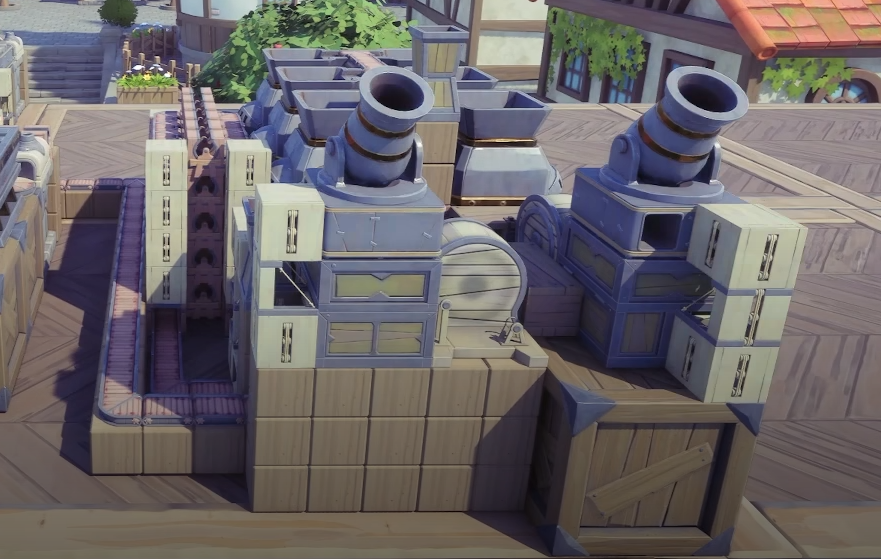
Catapult speed helps restocking shops and moving goods vertically.
It is useful early if your shop relies heavily on catapult feeding. Later, fast belts usually matter more.
One point early is fine. Full investment is optional.
Early Game Upgrade Path
A safe early path avoids ratio damage and fuel waste.
1 point in belt speed
1 point in catapult speed
1 point in commerce
Then fuel efficiency
This keeps production stable while income grows.
Mid Game Upgrade Focus
Once layouts mature, efficiency upgrades shine.
Belt speed upgrades
Fuel efficiency upgrades
Fertilizer efficiency upgrades
Production speed can be added carefully, but only alongside belts.
Late Game Flexibility
After relics unlock, points become less punishing.
At this stage, experiment freely. Advanced systems absorb inefficiency better, and rebuilds are easier.
Just do not forget that belts still rule everything.
Final Blurb
Alchemy Factory rewards upgrades that remove limits, not ones that force math fixes. Belt speed, fuel efficiency, fertilizer efficiency, and commerce scale cleanly from start to finish. Production speed works best in planned chunks, not impulse clicks. A calm factory makes more money, and wastes far less fuel.
FAQ
Should I upgrade production speed early
Not unless you upgrade belts with it. Small production boosts break ratios fast.
Is belt speed really that important
Yes. Belts are the hardest limit to work around later.
Is commerce worth spending points on
Yes. It scales income every day and pays for everything else.
Do fertilizer upgrades matter early
They matter more once advanced fertilizer unlocks, but early points still help.
Can I fix bad upgrade choices later
Yes, but it usually requires rebuilding layouts. Planning early saves time.