

Breton Origin Pick Systres or High Rock — Oblivion Remastered
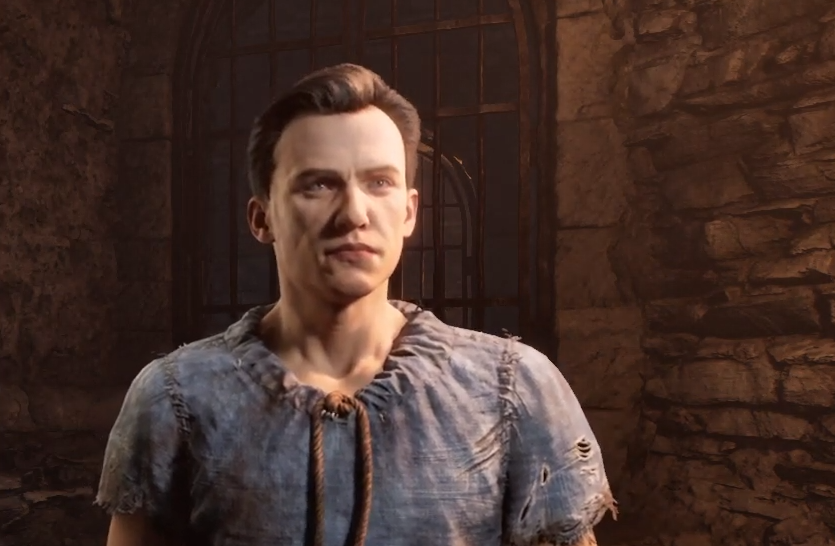
Image Credits: Bethesda Game Studios, Oblivion Remastered
If you're rolling a Breton in Oblivion Remastered, you're probably aiming to sling spells, resist magic like a champ, and lean into that sweet mix of Intelligence and Willpower. But with the Origins system now tied into character creation, picking the right Breton homeland gives you a serious edge… Or an early-game headache if you choose wrong.
You get two options for Breton origins: Systres or High Rock. On paper, they look similar. But once you dig in, the difference becomes pretty obvious.
Breton Origins: Full Stat Comparison
Systres Starting Stats
Intelligence: 50
Willpower: 50
Strength: 40
Speed: 30
Agility / Endurance / Personality: All at 30
Luck: 50
High Rock Starting Stats
Intelligence: 50
Willpower: 50
Strength: 30
Speed: 40
Agility / Endurance / Personality: Same as Systres
Luck: 50
So it’s a simple trade: +10 Strength from Systres vs. +10 Speed from High Rock. Everything else is identical. Seems small, but it’s not.
Why Strength > Speed for Bretons
Most players see "Strength" and think “warrior stat.” Fair. But in Oblivion, Strength does more than boost your sword swings. Here’s what that extra Strength actually helps with:
Melee viability: Even if you're going full mage, the early game forces you to whack things. Low-level spell damage is weak, and magicka runs out fast. A bit of Strength means your backup weapon actually matters.
Carry weight: Strength increases your inventory space. A 10-point difference gives you 50 more carry weight, which adds up fast when you're looting caves and stuffing every bandit’s armor into your backpack.
Physical presence: Some spells and scrolls just don’t cut it in tight spots. Having a melee weapon ready (and being able to swing it hard) can save your life.
Meanwhile, Speed mostly affects how fast you move on foot. That’s helpful for sure but also way easier to patch up later. You can enchant boots, drink potions, or use spells like Fortify Speed to fix it. There’s no quick fix for being too weak to carry loot or land a hit.
The Real Gameplay Impact
With Systres, you move a little slower but can carry more loot, hit harder with your backup weapon, and don’t feel like you’re roleplaying a limp noodle.
With High Rock, you get around slightly faster, but you’re stuck with lower Strength all game unless you invest heavily in it—which most mage builds won’t.
If you're running a pure spellcaster with zero interest in touching a blade, then High Rock isn’t awful. But that playstyle only works well later in the game, once you’ve got a reliable magicka pool and spell damage that can actually finish fights.
Final Blurb
Pick Systres if you want a well-rounded, survivable mage who doesn’t fall over when a rat sneezes. That 10 Strength bonus pays off in ways you’ll feel immediately; from better loot hauls to more reliable melee backup. High Rock isn’t unplayable, but it gives you speed at the cost of muscle, and that’s just not worth it for most builds. If you're making a Breton, start off smart then go with Systres.
Recommended | View all Oblivion Remastered


