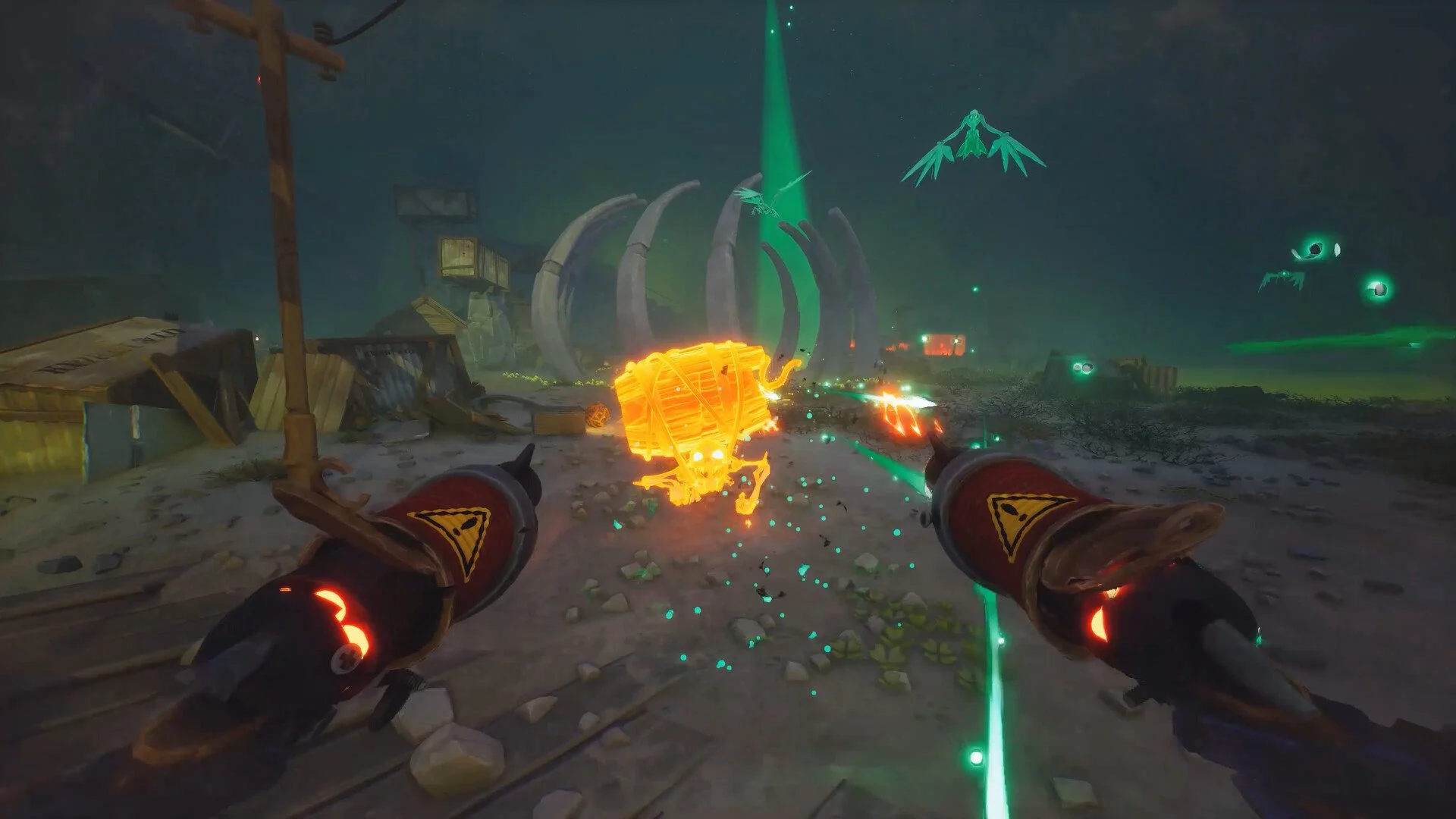
Far Far West Beginner Guide: Best Tips To Progress Fast
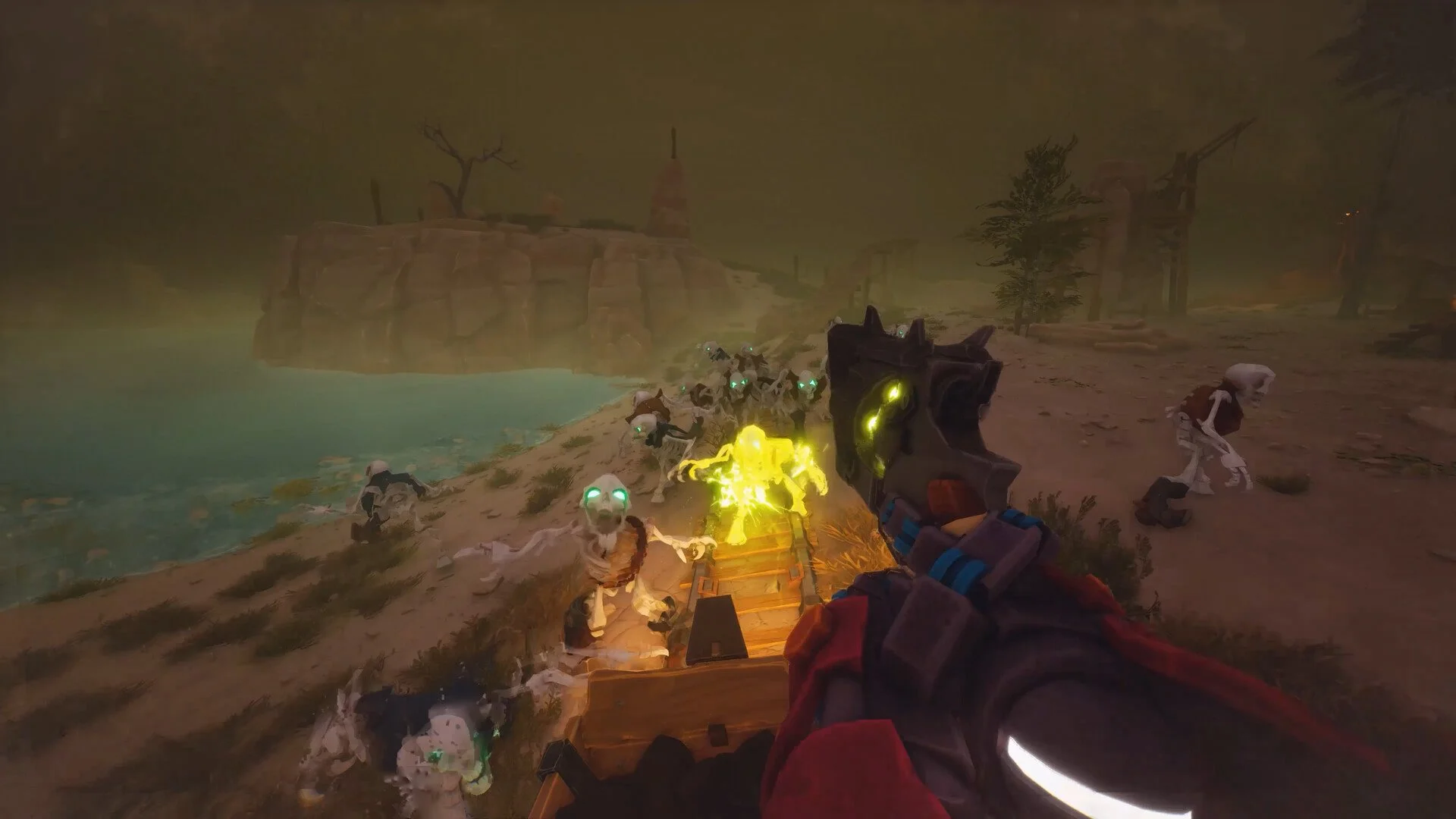
Far Far West rewards smart route planning, clean spell use, and knowing when to stop looting before the run turns into a skeleton convention with extra paperwork. The best early progress comes from understanding spell combos, weapon elements, fragments, side objectives, boss timing, and how each grind route feeds a different part of progression.
Jump To
Best Tips For Getting Better At Far Far West
The best Far Far West beginner tips are to build around spell interactions, use every spell line for early XP, set weapon fragments manually, clear important side objectives before the boss, and farm gold, souls, XP, and blueprints with different routes.
Far Far West is built around repeatable bounty runs, but the game gets much easier once each run has a real purpose. A gold run should not be played the same way as a spell XP run. A blueprint run should not waste time full clearing every corner. A boss run should not start while half the useful map rewards are still sitting untouched.
The main loop is simple. Take a contract from the Sheriff, pick a loadout, complete objectives, beat the boss, extract, then spend rewards on upgrades and unlocks. The depth comes from everything layered inside that loop. Spell lines level separately, weapon fragments need to be aimed at specific unlocks, secondary weapons can apply elemental effects, and boss completion changes the pace of the map.
A strong beginner run is not about doing everything perfectly. It is about leaving with progress instead of turning 20 minutes into a long lesson in greed.
Learn Spell Combos Before Chasing Raw Damage
Spell combos are one of the biggest systems in Far Far West. The current spell lines include Pyro, Acid, Electric, Voodoo, and Cactus, and each line pushes a different kind of playstyle. Some spells are direct damage tools, some lean more into utility, and some become much better when paired with another element.
The key detail is that certain spells combine into stronger effects. A good spell setup can clear grouped enemies, control space, create damage over time, or make an objective safer while enemies keep pushing into the same area.
That changes how loadouts should be built. Picking the highest damage spell on its own can work, but a better setup considers how spells interact during real fights. A spell combo that turns a bad chokepoint into free damage can be more valuable than a single spell that only looks stronger on paper.
The Far Far West spell interactions guide covers the current confirmed combos in more detail, including Acid, Fire, Electric, Voodoo, Portal, and Cactus notes. For beginners, the simplest lesson is to stop treating spells like random buttons and start treating them like setup tools.
Use Each Spell Line For Early XP
Spell progression is connected to using the spell lines. New and stronger elemental abilities unlock as those lines level up, so ignoring a line early can delay useful tools later.
A good habit is using each available spell line at least once during a run when possible. Each element can get a 1 time use XP bonus, and that bonus is especially helpful early because low level spells do not earn huge XP on their own.
This does not mean every run needs to become a forced training route for every element. Early runs should avoid tunnel vision. If a spell line is available and safe to use, cast it at least once and keep its progression moving. Low cooldown spells are especially useful for spell XP because they can be used often instead of sitting unused while the mission runs past them.
Voodoo deserves extra attention because recovery tools can change how a team survives bad fights. Damage spells help clear the screen, but utility can save the run when the fight goes sideways and everyone suddenly remembers that robot cowboys are still very breakable.
Pick Secondary Weapon Elements Based On The Job
Secondary weapons can use elemental attributes, with Pyro, Acid, and Electric being the main options. These are not cosmetic damage flavors. Each one changes how the weapon helps during a fight.
Pyro is the most direct option. It deals 2 damage every damage tick while the enemy is burning, making it a clean choice when the goal is simple damage over time.
Acid deals 1 damage per tick, but it also slows enemies slightly. That makes it better when space control is more important than pure damage. Slowing enemies can help during objectives where the team needs time to move, reload, cast, or keep pressure away from a target.
Electric also deals 1 damage, but it has a chance to jump to another unit after a hit. That makes it stronger when enemies are grouped together and the extra spread can create more value than a single target burn.
The right element depends on the run. Pyro is easy to understand, Acid helps control pressure, and Electric can spread damage through groups. Since elemental choices can also interact with spells for combos, switching elements and testing them is worth the time.
For weapon picks beyond elemental sidearms, the Far Far West weapons guide breaks down primaries, sidearms, weapon ranking, Joker slots, and what to level first.
Set Weapon Fragments Manually Before Runs
Weapon and utility unlocks require fragments, but fragment progress has to be aimed at the right target. After unlocking something, the next fragment target should be changed manually.
This is one of the easiest progression mistakes to make. A run can still feel productive because enemies died, objectives got cleared, and rewards came in, but the wrong fragment target can slow weapon unlocks for no good reason. That hurts more once the early unlocks are done and the remaining options need more focused progress.
Fragments also become useful later for gun skins. After the important weapon and utility unlocks are handled, shifting fragment progress toward a favorite weapon makes more sense. Early on, though, fragments should go into practical unlocks before style. The hat can wait. The gun cannot.
Finish Important Side Objectives Before The Boss
Boss timing is a huge part of clean Far Far West runs. Once the boss is defeated, the game starts spawning an infinite wave of enemies. That can be useful for racking up kills, but it makes unfinished map cleanup much more annoying.
The smart route is to finish valuable side objectives before committing to the boss. Side objectives, graves, music discs, medallions, gold veins, soul camps, haunted huts, and other map rewards are much easier to handle before the post boss pressure starts stacking up.
This is especially important for solo runs. Some objectives can be completed alone, but they feel much smoother with a team. Starting the boss too early can turn the rest of the run into a messy cleanup attempt with enemies constantly interrupting the route.
A good run usually follows a clean rhythm: clear useful map content, finish the main objective path, fight the boss, then extract. Fighting the boss first and wandering around afterward is how a clean bounty turns into a circus with firearms.
Use The Right Grind Route For Each Reward
Far Far West has several reward types, and each one needs a slightly different plan. Trying to farm gold, souls, XP, blueprints, and weapon unlocks the exact same way slows everything down.
For blueprints, speedrunning easy mode works well. The goal is to reach the boss quickly, get the blueprint drop, kill any loot goblins found along the way, and use wells when they appear. This keeps the run focused instead of turning a blueprint farm into a full map sightseeing tour.
For gold, gold veins and side objectives are the main targets. Gold veins are much faster with dynamite than with the pickaxe, so blowing them up saves time. Marauders can also drop gold. A higher difficulty run with the Golden Tooth joker can also work well when the goal is farming gold from enemies.
For XP, the best difficulty is the hardest one that still feels consistent. Storms and danger zones can help create more fighting, but the weapon being leveled needs to do as much damage as possible. Weapon XP should come from actually using the weapon, not carrying it around like a decorative stick.
For spell XP, low cooldown spells are the most reliable because they can be cast repeatedly. Use the element being leveled whenever it comes off cooldown and keep the spell line active through the mission.
For souls, enemy kills are part of the grind, but haunted huts and soul camps are also valuable. Souls feed long term upgrades, so skipping soul focused content slows account progression.
| Goal | Best Focus |
|---|---|
| Blueprints | Easy mode boss runs, loot goblins, and wells |
| Gold | Gold veins, side objectives, Marauders, and Golden Tooth joker |
| Weapon XP | Hardest consistent difficulty with direct weapon use |
| Spell XP | Low cooldown spells, frequent casting, and the 1 time element use bonus |
| Souls | Enemy kills, haunted huts, and soul camps |
| Broad Progression | Full map cleanup on a safer difficulty |
This is the cleanest way to think about farming. The reward needed should decide the run style. A player short on gold should not waste time pretending a pure boss rush is the answer. A player chasing blueprints should not turn every run into a full clear unless the extra rewards are also worth the time.
Run Canyon For Strong Gold Farming
Canyon has a strong gold route because of the 4 medallion challenge. Finding the 4 medallions opens a cave with 7 gold veins, making it one of the better options when gold is the main target.
That cave is especially useful because gold veins already become faster with dynamite. A Canyon route that grabs medallions, opens the cave, clears the veins, and picks up nearby side rewards can produce a strong payout without relying only on enemy drops.
Canyon can also be worth full clearing on easier difficulty when broad progression is the goal. A safer full map run can bring in XP, gold, blueprints, secrets, graves, music discs, and side quest rewards in one pass. It takes longer, but it can be better than rushing normal missions for smaller payouts.
Do Not Start Every Run On The Highest Difficulty
Higher difficulty can mean better XP and better pressure for farming, but only if the run is actually clearable. The best difficulty is the hardest setting that still gives consistent extracts.
A failed high difficulty mission is not better progression than a clean easier run. It just looks cooler right up until the reward screen disappoints everyone. Easy mode can be excellent for blueprints and route practice. Normal can be better for stable farming. Harder difficulties become more attractive once weapons, spells, upgrades, and team coordination can support the extra pressure.
Random modifiers on higher difficulties can also change the run. Tornadoes, fireballs, and tougher enemy pressure can add rewards, but they also make sloppy routing more punishing. Stack difficulty when the loadout can handle it, not because the menu made the number look shiny.
Use Roach To Save Time On Large Maps
Roach is useful early because Far Far West maps can be large. Riding across the map is much faster than walking, and that time adds up during side objective routes, medallion searches, gold farming, and boss setup.
The horse is best used as part of a route instead of random travel. Start with nearby side objectives, move toward the main contract path, collect valuable resources on the way, then commit to the boss once the important cleanup is done.
Later movement options can reduce the need for Roach, especially once map traversal gets faster, but early runs benefit a lot from using the horse properly. Wasted travel is one of the quiet reasons runs take 15 to 20 minutes without producing enough rewards.
Choose Safe Weapons Before Fancy Weapons
Early Far Far West is more about consistency than showing off. A weapon that lands steady damage and keeps the bounty hunter alive is better than a flashy setup that folds during objectives.
Primary weapons should match the mission goal. A weapon being leveled needs to be used often. A farming run needs something reliable enough to clear enemies without creating constant danger. A boss route needs enough sustained damage to finish the fight without dragging the team into post boss pressure too slowly.
Secondary elements should support that plan. Pyro helps with direct damage, Acid helps slow enemies, and Electric can spread hits through groups. Spells should either support the weapon choice or create reliable combo effects. The best early loadouts feel repeatable, not lucky.
Use Joker Cards Around The Run Goal
Joker cards can create big advantages, strange effects, or jokes that somehow made it all the way into the build. Some are useful for farming. Some are mostly there because the game has a sense of humor and apparently no fear.
Gold and soul multiplier jokers are especially important for grind runs. If a run is already focused on gold or souls, those multipliers can make the route much more profitable. Golden Tooth is the big one for gold farming from enemies on higher difficulty.
Other jokers are more situational. Infinite ammo while standing still can be strong if the fight allows it, but less useful when the objective forces constant movement. Extra damage effects can help with clear speed, while silly audio or size changes may not always help progression. Funny is fine. Efficient is better when resources are the goal.
Break Skeleton Bones And Respect Enemy Types
Combat in Far Far West is not only about shooting whatever moves. Basic skeletons can stand back up unless their bones are broken, which makes cleanup important. Leaving enemies half handled can create extra pressure during objectives and revives.
Enemy variety also changes positioning. Flying enemies, snakes, shield enemies that need flanking, bazooka enemies, and gatling gun enemies all punish lazy movement in different ways. A good loadout needs answers for more than basic enemies.
This is why spell combos and elemental choices matter so much in real runs. Acid slowing enemies, Electric spreading through groups, and Pyro adding steady burn damage all help solve different combat problems. The best setup is the one that handles the enemies actually showing up, not the one that only looks good against target practice.
Revives also get harder when enemies are left alive too long. The Far Far West revive guide explains how the blue core system works and why clearing pressure before recovery can save a run.
Build Routes Around Objectives, Not Random Icons
Far Far West maps have main objectives and optional side activities marked across the map. Running to every icon with no plan wastes time and can stretch missions longer than needed.
A better route starts with the contract objective, then picks up nearby side rewards that match the run goal. Gold runs should prioritize nearby gold veins. Soul runs should look for soul camps and haunted huts. Blueprint runs should push toward the boss path first. Broad progression runs can justify more map cleanup on safer difficulty.
Some side activities are worth detouring for, especially gold veins, medallion routes, graves, music discs, and valuable camps. Others can be skipped if the run is already long or the team is close to extraction. Good routing is knowing when extra rewards are worth the time and when they are just bait wearing a question mark.
Party size also changes routing. A solo player has to be more careful with risky detours, while a full group can split pressure and clear objectives faster. The Far Far West multiplayer guide breaks down solo play, co op, and max party size for planning runs around group size.
Final Blurb
Far Far West gets much easier once every run has a purpose. Spell combos carry fights, elemental weapons shape damage and control, fragments unlock gear faster when aimed correctly, and smart boss timing keeps the map from turning into an infinite enemy problem.
The strongest early progress comes from simple habits done well. Use spell lines for XP, test combo setups, set fragment targets before missions, blow up gold veins with dynamite, clear valuable side content before the boss, and pick the grind route connected to the reward actually needed. Far Far West has plenty of cowboy magic, but the best runs still come down to planning, clean execution, and knowing when to get paid and leave.