Image Credit: Microsoft/Xbox
So, Microsoft’s empire just swung the axe again. Another wave of layoffs, this time slicing right through the gaming side that’s been their golden child lately. Here’s what’s actually going on behind the headlines.
Microsoft’s Latest Job Cuts Explained
Nearly 9,000 employees are out, with Xbox Game Studios and King’s Stockholm branch taking the brunt. Unlike the usual post-earnings trimming, this round comes when Microsoft’s raking in record profits. That’s what makes it sting.
What Changed Inside Xbox
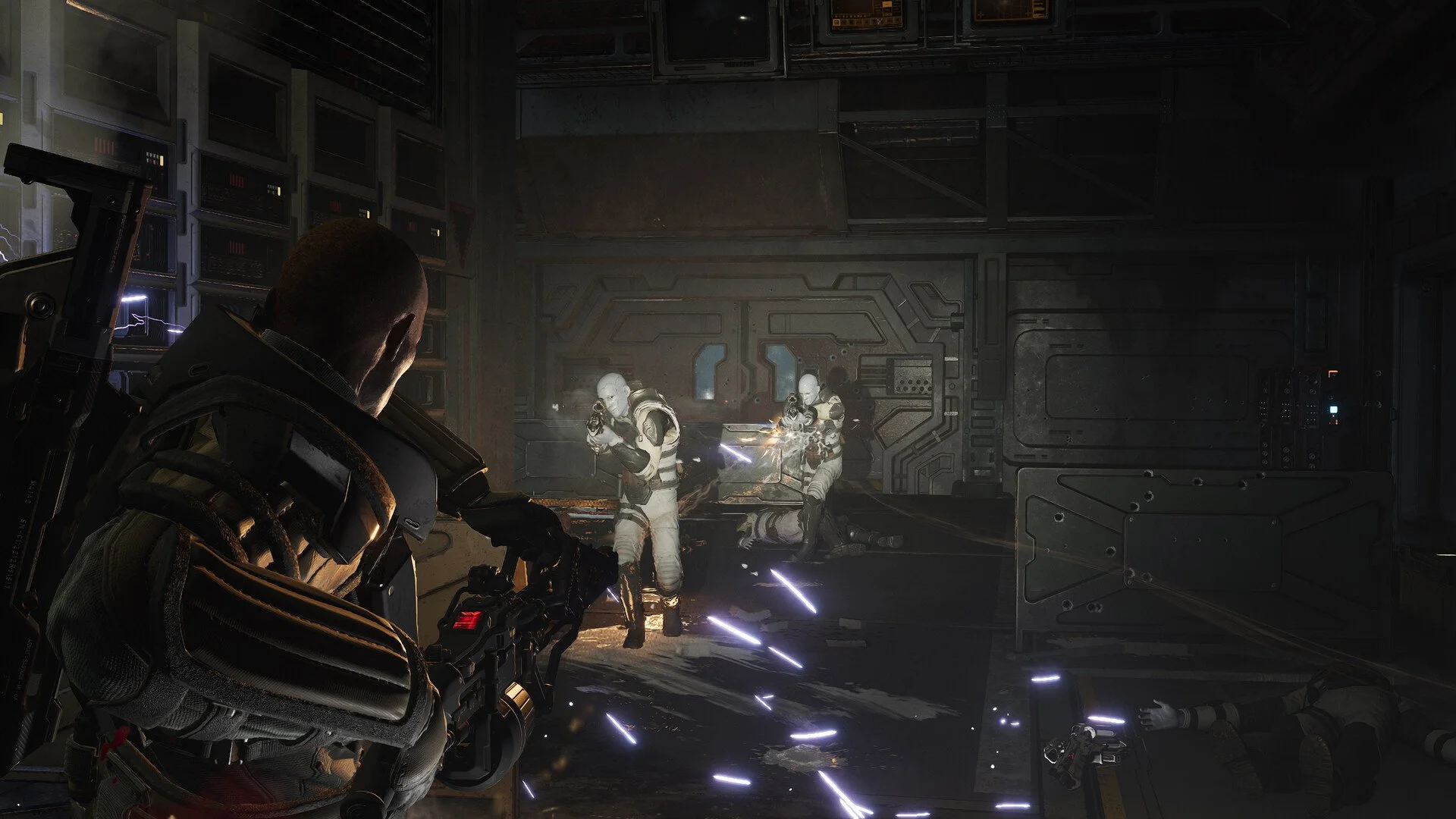
The Initiative, the studio once leading the Perfect Dark reboot, has been shut down. Rare’s long-delayed Everwild got canned too after years of limbo. At King, about 200 staff were cut as Microsoft dials back on its mobile plans.
These moves are less about performance and more about focus. Xbox isn’t expanding, it’s tightening. Microsoft’s betting on heavy hitters and subscription growth instead of risky new ideas that might not pay off fast.
Spencer’s Statement and Industry Reaction
Phil Spencer called it “a tough but necessary decision” in an internal note, saying Xbox needs to “prioritize its strongest opportunities.” The timing feels cold though. Xbox engagement numbers are at their peak, and Microsoft’s profits keep climbing. Developers aren’t thrilled, and plenty are calling it tone-deaf.
The Bigger Picture
This is now the fourth major wave of layoffs tied to Xbox since early 2024. Bethesda support teams, Activision Blizzard staff, and smaller internal studios have all taken hits. The company promised creative independence after the Activision deal, but these cuts point to more central control from the top.
What It Means Going Forward
Xbox now owns more studios than ever but is producing fewer original games. Projects that don’t fit the “safe bet” model are disappearing. It’s a quieter, more cautious Xbox era—one where growth means consolidation, not experimentation.
Final Blurb
Microsoft’s trimming the edges of its biggest division during one of its most successful runs. The message is clear: steady revenue beats creative risk. Whether that makes for a stronger Xbox or a duller one is the question everyone’s asking next.
View Latest Gaming Guides and News