Farming in OSRS Leagues 6 is much easier to start than it looks, but it feels confusing if you are coming in without main game farming habits. The early problem usually is not XP. It is seed access. Once that part clicks, Farming stops feeling like a weird side skill and starts becoming one of the easiest things to keep rolling in the background.
How To Start Farming In OSRS Leagues 6
The best way to start Farming in OSRS Leagues 6 is to use the Varlamore allotment patches, rake for early levels, grab low level seeds from crop fields south of Civitas illa Fortis, and then move into farmer or master farmer pickpocketing for a steady seed supply.
That is the cleanest early route because it does not ask you to force some awkward shop hunt that may not even help. In Leagues 6, all players start with 2 allotment patches, 2 flower patches, a herb patch, a hops patch, a tree patch, a fruit tree patch, and more in Varlamore, and farming ticks are sped up by 5x, so early growth moves much faster than the main game. That means once you get even a small stack of usable seeds, your Farming level starts climbing pretty quickly.
The Best Early Seeds When You Are Still Low Level
If you are around 14 Farming and trying to get past that awkward early stretch, the easiest thing to understand is that you do not actually need a seed shop to get moving. Varlamore already gives you a simple starting loop.
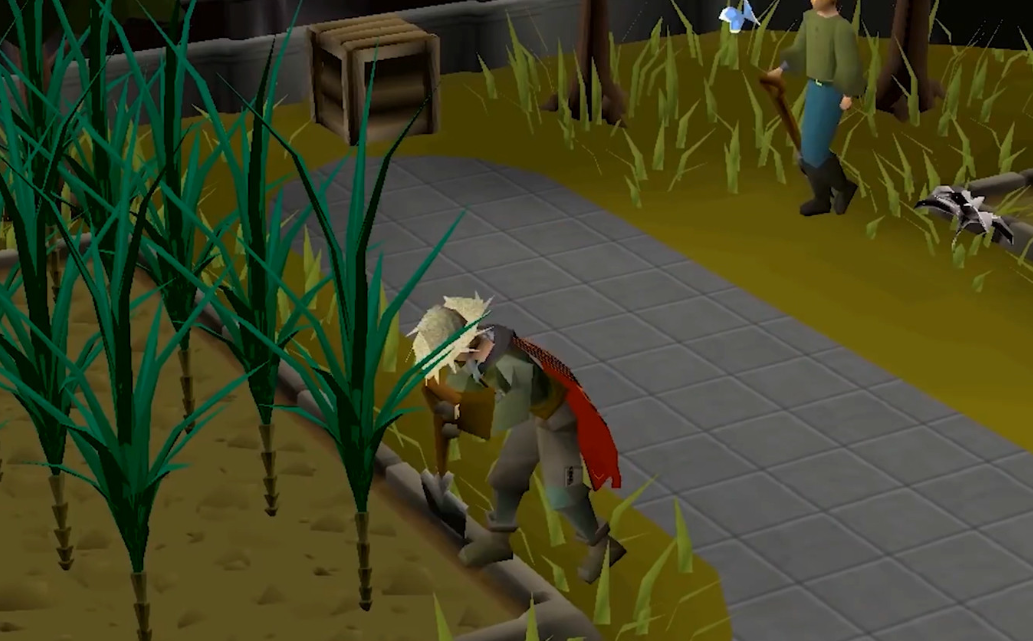
Picking potatoes, onions, sweetcorn, and cabbages south of Civitas illa Fortis has a chance to give you the matching seed. That is the kind of detail a lot of newer players miss because they keep thinking in terms of shops, but for early Leagues Farming this is one of the most direct ways to get started. If you just need the first real seed flow, this is much more reliable than standing around hoping a shop solves everything.
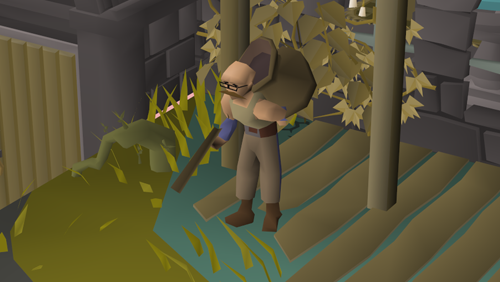
That is also why your potato seed method is not wrong, it is just slower than it needs to be if you stay on that one source too long. Pickpocketing farmers works, but once you know those nearby crop fields can also kick back seeds, your early route opens up a lot more.
What To Do At 14 Farming Right Now
At 14 Farming, you are already past the part where the skill should feel blocked. You have enough level to keep moving, and the real goal now is just turning random seeds into consistent patch usage.
Use the Varlamore allotments west of Civitas illa Fortis. Rake the patches because weeds and saplings grow on the boosted league timer, so that gives you quick early interaction with the skill. Then use whatever low level allotment seeds you can get, especially the simple crop seeds you pick up from the fields or from farmers. Tomato seeds are fine if you get them, but you do not need to stop everything until tomatoes show up. Just keep the patches active and keep cycling what you can plant.
That is the part newer players often overcomplicate. Farming feels slow when you are waiting for the exact perfect seed instead of just planting what you can and letting the boosted league timers carry you.
Why Master Farmers Are Your Real Break Point
Once you reach 38 Thieving, master farmers become the point where Farming starts to feel much more stable (see our guide that has their Varlamore locations here). There is one near the Varlamore farming patches, which is a huge help because it keeps the whole loop tight instead of making you run around the world trying to solve 3 different problems separately.
This is where the skill usually stops being annoying. Farmers are decent early. Master farmers are where you start feeling like you actually have options. If you already know you are heading there, it usually makes more sense to keep pushing Thieving alongside Farming rather than trying to brute force seed progression through weak low level methods forever.
Woodsman And Transmutation Make Farming Way Easier
Since you already have Woodsman, that helps more than it might seem at first. Woodsman gives random tree or herb seeds when Hunter traps are harvested, so even though it does not magically fix your low level allotment seeds on the spot, it still feeds your Farming account over time. That means your Farming progression is not only tied to pickpocketing.
Transmutation is where Farming gets much smoother. It lets you turn seeds into different seeds, and in Leagues 6 that is one of the best answers to the annoying “I have seeds, just not the ones I can use yet” problem. It also helps with compost progression because it can turn ashes into volcanic ash and supercompost into ultracompost, which matters later when you want better patch value. If you were already planning to grab Transmutation at tier 4, that is a very good call for this exact problem.
Compost Helps More Than New Players Expect
A lot of early Farming guides barely explain this, but compost is one of those small things that makes the whole skill feel better. At the Civitas illa Fortis allotment patch, you can use compost bins, and pineapples bought from charter ships are an easy way to make supercompost.
That matters because early Farming is not just about getting seeds. It is about getting enough out of each run that you do not feel like you are constantly resetting with nothing to show for it. Once you start treating each patch run as something worth supporting properly, Farming becomes a lot less annoying.
Karamja Helps, But Varlamore Is Still Carrying The Early Game
Since you have Karamja unlocked, that does help your overall Farming setup, but not in the way most beginners first expect. Karamja gives you another fruit tree patch, another calquat patch, and a spirit tree patch, which is useful as your account grows. The important part though is that your early allotment training is still coming from Varlamore.
That is worth saying clearly because it keeps your route focused. Karamja expands what you can do. Varlamore is still where your beginner Farming loop actually starts working.
A Simple Early Farming Route That Actually Works
If you want a straightforward way to play it from here, keep it simple.
Rake and use the Varlamore patches first so your Farming keeps moving. Pick the low level crops south of Civitas illa Fortis for seed chances. Keep pickpocketing farmers when it fits naturally into what you are already doing. Push toward 38 Thieving so master farmers stop being a future idea and become your real seed source. Then, once you unlock Transmutation, use it to clean up the bad seed spread that is slowing you down now.
That route works because it does not depend on one lucky drop or one weird shop. It uses what Leagues 6 is already handing you and turns it into a steady loop.
Final Blurb
Farming in OSRS Leagues 6 is much less about finding some magical early seed shop and much more about using the tools the mode already gives you. Varlamore carries the start, master farmers stabilize the skill once your Thieving catches up, and Transmutation fixes a lot of the ugly seed issues later. If you keep planting instead of waiting for the perfect setup, Farming starts feeling a lot easier a lot faster.
More Old School RuneScape