OSRS Leagues 6 Runecrafting Guide: Best Training Methods
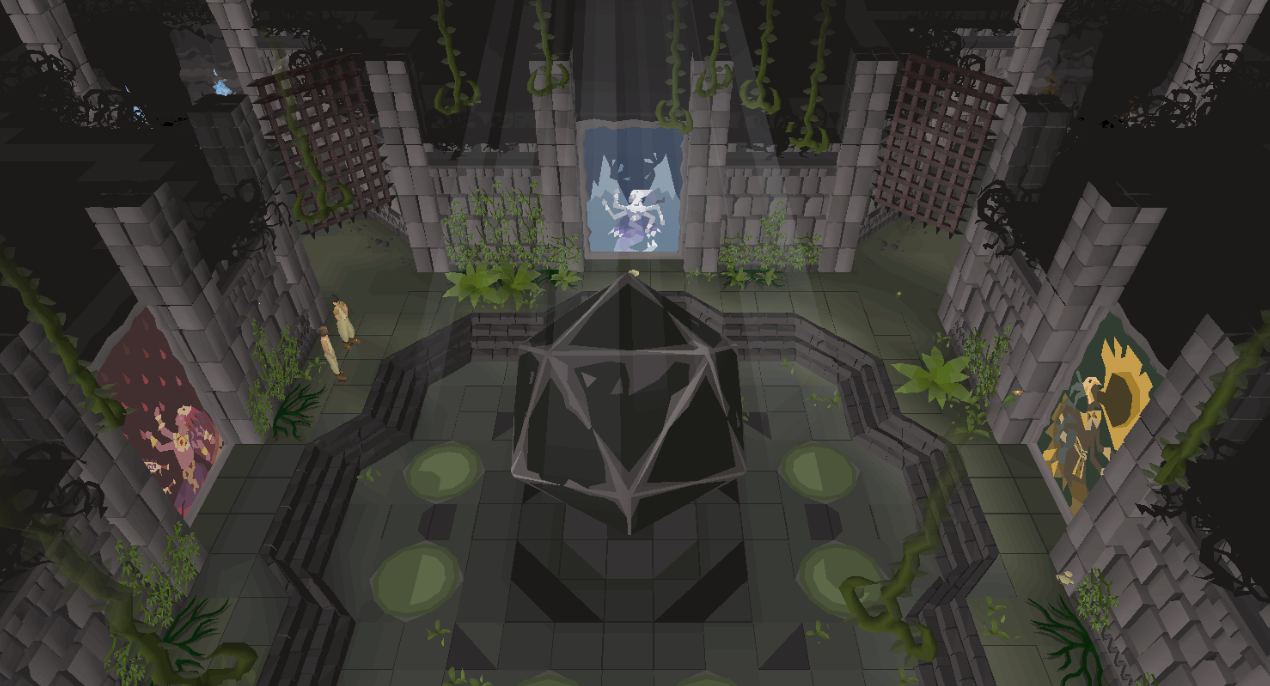
Image credit: Old School RuneScape Wiki, © Jagex Ltd.
Runecrafting in OSRS Leagues 6 starts off restricted and awkward, then opens up fast once a few key unlocks fall into place. The early game does not give a clean altar loop or steady essence source, so progression feels uneven at first. Once that gap is solved, the skill becomes much smoother and far more consistent.
Best Way To Train Runecrafting In OSRS Leagues 6
The best way to train Runecrafting in OSRS Leagues 6 is to use sulphurous essence early, then transition into altar crafting like cosmics or natures, with Guardians of the Rift, blood runes, or soul runes becoming the strongest long term methods depending on your region unlocks.
Early Runecrafting is not about efficiency, it is about getting unstuck. Varlamore does not support traditional altar training right away, and essence is not flowing yet, so the skill feels stalled. Sulphurous essence fills that gap and gets levels moving.
Once altar access and essence supply start lining up, the skill changes completely. Instead of patching together methods, you are running consistent loops and choosing the fastest route based on your regions.
Early Runecrafting In Varlamore Feels Limited
Sulphurous essence is the first real method. Killing Sulphur Nagua and turning in the drops gives a steady way to gain experience without needing altars.
The issue early on is access. You need Slayer levels to farm it comfortably, and without that, Runecrafting does not have a clean starting path. That is why early levels often come from a mix of small boosts, drops, and pushing through until this method becomes usable.
Once sulphurous essence is online, it solves the early problem. It is not fast compared to later methods, but it removes that feeling of having nothing to do for the skill.
Cosmic Runes And Sunfire Runes Stabilize The Skill
At level 27, crafting cosmic runes is the first point where Runecrafting feels consistent. You now have a repeatable altar loop, and progression becomes steady instead of improvised.
At level 33, sunfire runes add another option using fire runes, sunfire splinters, and pure essence at the Shrine of Ralos. This method leans more on resource setup than travel, so it feels smoother when supplies are ready.
Unlocking these methods does not instantly fix everything. If essence is still limited, the loop breaks often. Once essence supply improves, these methods finally feel reliable.
Best Regions For Runecrafting In Leagues 6
Runecrafting is heavily shaped by region choices. The best method depends on what you unlock.
Kandarin gives access to the rune essence mine and the Ourania Altar, making both essence and experience more stable
Desert unlocks Guardians of the Rift and the Fire Altar, creating one of the strongest mid game setups
Kourend provides dense essence, Arceuus Library training, and access to blood and soul runes later
Morytania unlocks daeyalt essence and true blood runes for strong sustained training
Fremennik gives Astral runes and another source of essence
Wilderness allows access to the Abyss and Chaos Altar routes
Each path changes how the skill flows. Some routes feel structured and steady, while others rely more on resource management and late game payoff.
Guardians Of The Rift Is A Core Mid Game Method
With Desert unlocked and 27 Runecraft, Guardians of the Rift becomes one of the cleanest training methods available.
It builds multiple things at once. Experience comes in consistently, while also working toward the colossal pouch and Raiments of the Eye. Those upgrades carry into every future method and make Runecrafting feel less restrictive.
The biggest difference here is flow. Instead of short, interrupted altar runs, this method keeps everything moving while also improving your setup at the same time.
Blood Runes And Soul Runes Carry Late Game
Late game Runecrafting becomes stable once blood and soul runes are unlocked. These methods provide a clear loop with strong experience and consistent progression.
Kourend supports both through dense essence and altar access. Morytania adds true blood rune crafting, which is another strong option if that region is unlocked.
Daeyalt essence pushes this even further. The experience boost makes longer grinds feel worthwhile, especially when combined with other bonuses.
This is where the skill finally feels settled. Instead of rotating through temporary methods, you are running a consistent training loop that holds up all the way through the end.
Best Essence Sources In Leagues 6
Essence supply controls how smooth Runecrafting feels. When it runs out, everything slows down.
The most reliable sources come from regions:
Rune essence mine through Kandarin
Lunar Isle mine through Fremennik
Daeyalt essence mine in Morytania
Scar essence mine in the Desert
Dense essence mine in Kourend for blood and soul runes
Monster drops depending on region unlocks
Once essence is consistent, Runecrafting becomes a steady loop. Without it, every method feels interrupted.
Relics can also remove this bottleneck by generating or replacing essence, which makes a noticeable difference in how the skill plays.
Key Upgrades That Improve Runecrafting
Runecrafting becomes much smoother once a few upgrades are in place. Essence pouches increase how much you carry per run, reducing trips and downtime. The colossal pouch from Guardians of the Rift is a major upgrade that makes longer runs feel more efficient.
Raiments of the Eye increases rune output, adding value to every run. These upgrades stack together and make the skill feel less restrictive over time.
Even small boosts help. A single level increase can unlock a new method earlier and skip slower parts of progression.
Final Blurb
Runecrafting in OSRS Leagues 6 starts off uneven, then quickly becomes one of the more structured skills once the right pieces are in place. Early progress comes from sulphurous essence and pushing through limited options. After that, altar methods and region unlocks take over.
Once essence supply and altar access line up, the skill settles into a consistent loop. From there, it becomes a matter of choosing the best method your regions support and sticking with it.
More Old School RuneScape