Road to Vostok Beginner Guide: Tips That Keep You Alive
Road to Vostok does not ease you in. The game expects you to understand systems quickly, and most early deaths come from small mistakes stacking up. Once you learn how survival, saving, and combat actually work together, your runs start lasting a lot longer.
Beginner Survival Tips That Stop Early Deaths
To survive in Road to Vostok as a beginner, you need to manage saves through shelters, control stamina and mental state, and treat every system like it has consequences instead of rushing fights or looting blindly.
The biggest shift is mindset. This is not a run and gun FPS. Every mechanic connects to something else, and ignoring one usually gets you killed 10 to 20 minutes later instead of instantly.
Quick Beginner Checklist
Use shelters often, they are your only save points
Do the tutorial, it explains core mechanics like manual reloads
Drop your backpack before fights for stamina
Eat food on the spot instead of hoarding it
Keep cigarettes or alcohol for mental state recovery
Do not expect water from wells or rivers, only loot and traders
Never stay out too long without triggering a save
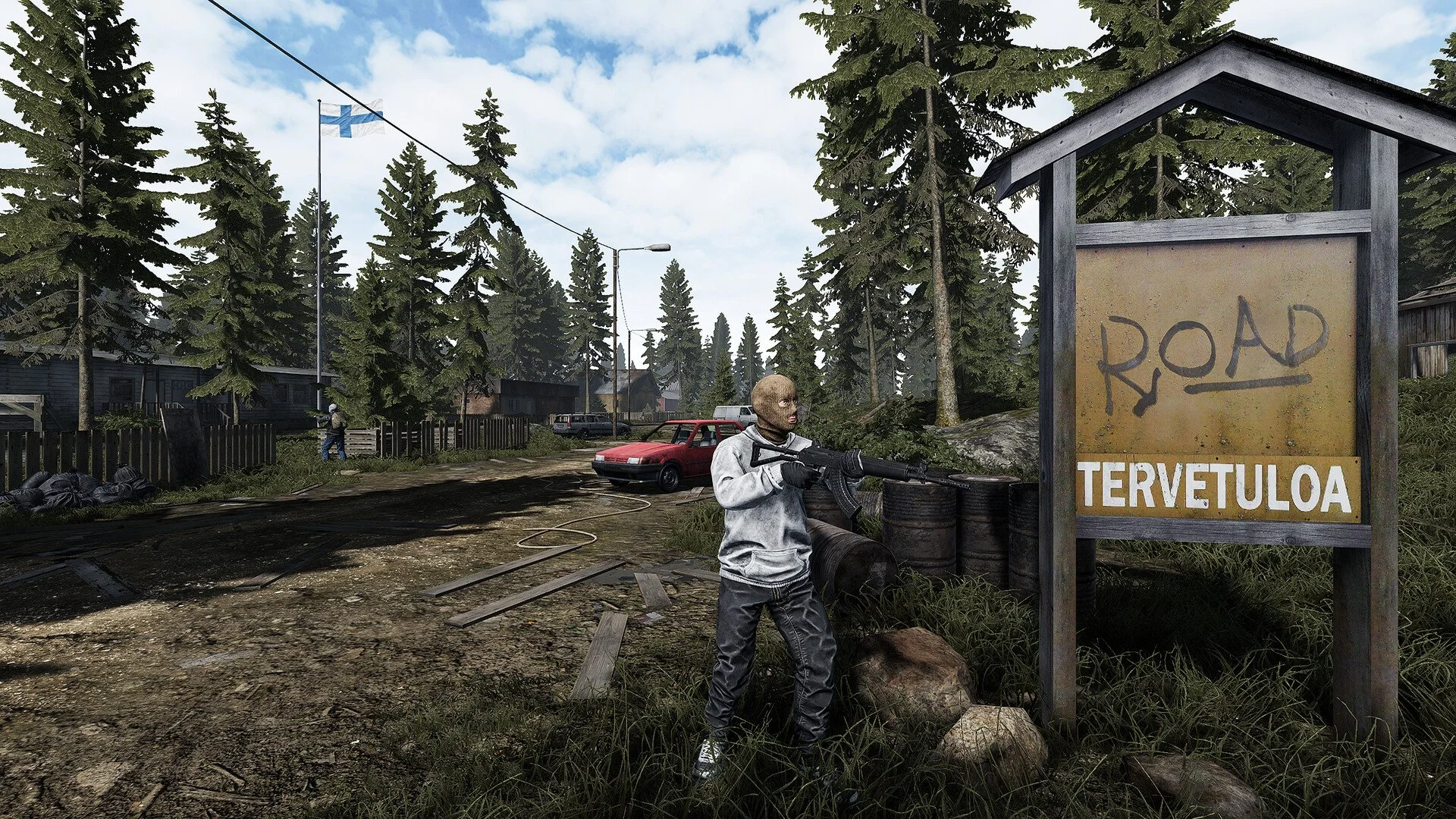
How Saving Actually Works And Why It Gets You Killed
The game only saves during loading screens. That means shelters and zone transitions are your safety net.
What you notice early is that long runs feel fine until they suddenly are not. One bad fight or mistake can wipe 30 to 45 minutes instantly if you never hit a shelter.
You want to build routes around shelter locations. Go out, loot, then loop back instead of pushing deeper every time. That habit alone will save more progress than any combat tip.
Combat Tips That Make Fights Winnable
Combat looks simple at first, but it is heavily tied to stamina and positioning. Arm stamina is the one mechanic that controls everything. When it drops, your shots start missing even if your aim looks good. You will feel it immediately if you ignore it.
Dropping your backpack before a fight is one of the biggest upgrades you can make. A heavy pack slows movement and stamina recovery, which turns simple fights into unwinnable ones.
Distance also matters more than you expect. Enemies are far less accurate at range, so fighting from 50 meters or more gives you time to aim properly instead of panicking in close quarters.
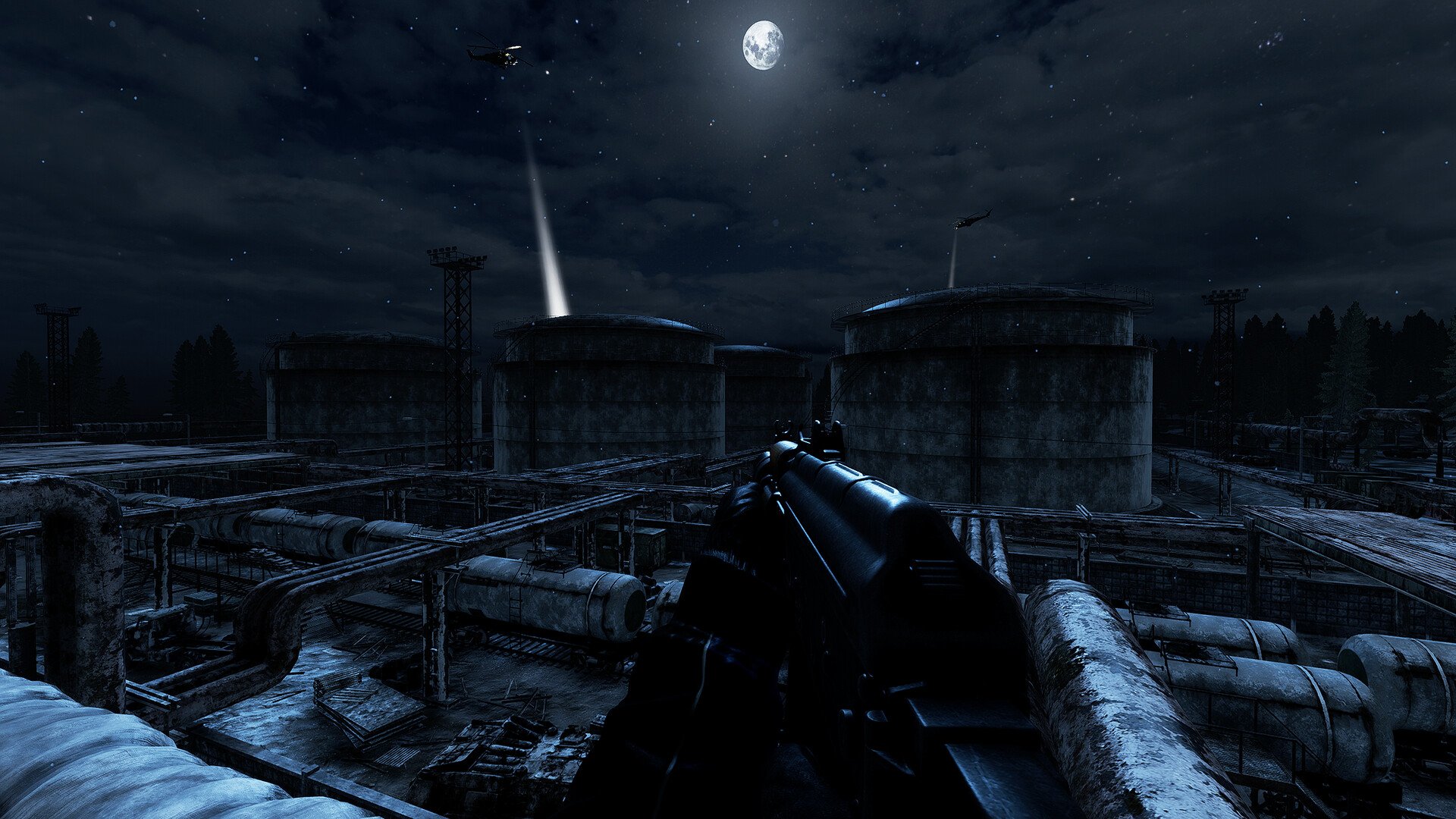
Survival Systems You Cannot Ignore
The game tracks multiple survival stats at once, and they all affect performance.
Hunger and hydration are obvious, but inventory space changes how you handle them. Eating food immediately instead of carrying it frees up space for better loot.
Mental state is the one most players miss. After fights or long runs, your performance drops without it being obvious why. Cigarettes, cigars, and alcohol restore it much faster than food.
Temperature and fatigue also stack against you. Cold environments and long runs slowly make everything worse, from stamina to combat control. Locking the game to summer early on helps you focus on learning systems instead of fighting the environment.
Inventory Tips That Actually Increase Profit
Inventory space is limited, so what you carry matters more than how much you carry. A simple rule that works well early is only picking up items worth strong value per slot. Large junk items take up too much space for too little return.
Smaller items like magazines, optics, and attachments are far more efficient. They take up less space and often dismantle into useful parts.
You will notice quickly that bringing back a few high value items beats filling your bag with random junk every time.
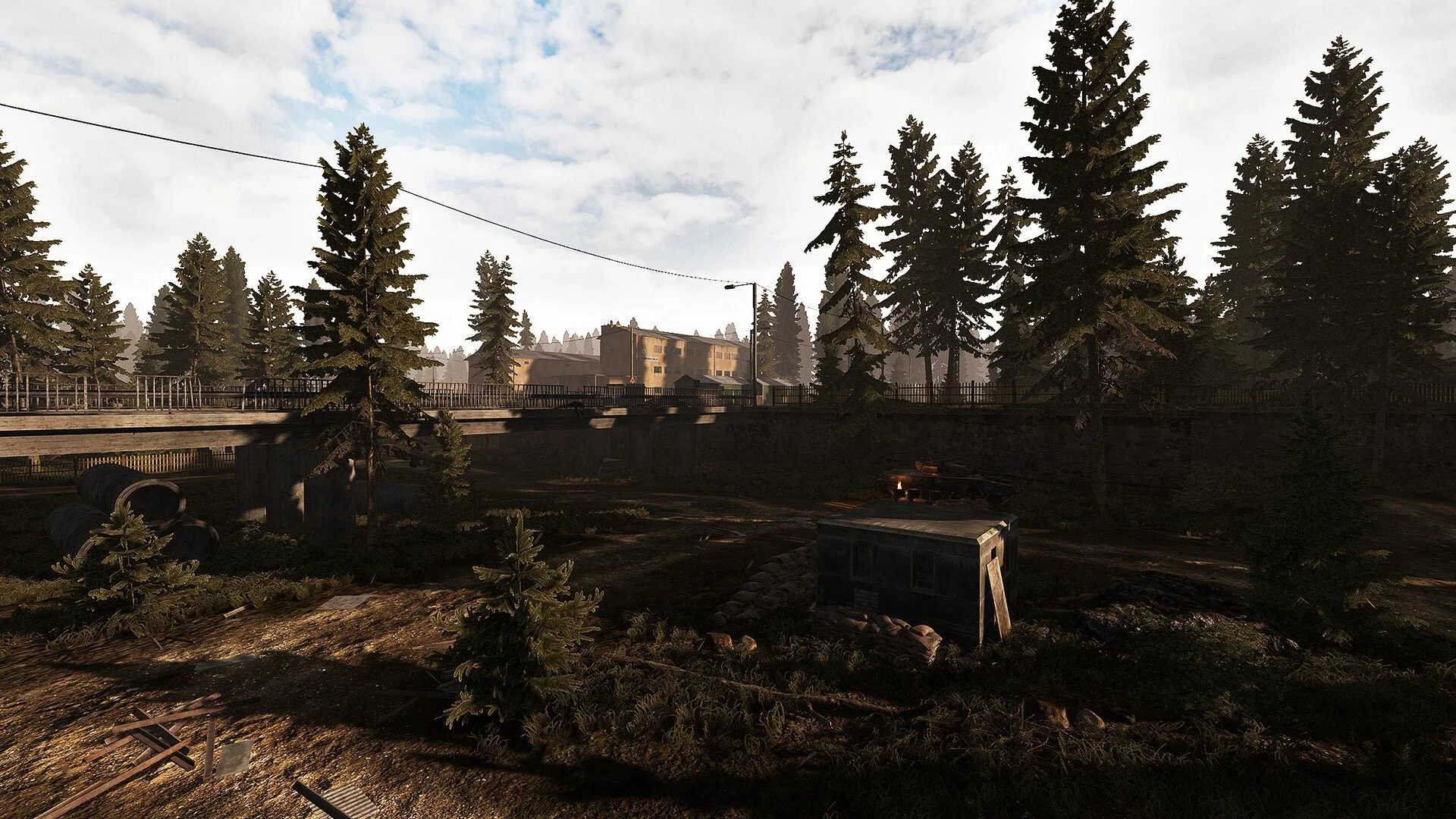
Hydration Tips Early On
Water is not a basic resource right now. You cannot collect it from wells, rivers, or craft it. Instead, it shows up as loot or from traders. That is why it feels rare and why quests tied to it slow players down.
You will rely on other drinks like juice or canned items for hydration most of the time. When you do find water, it is better to save it if you know a quest needs it.
That changes how you treat hydration compared to other survival games. You are managing scarcity, not gathering a resource.
Weapon Handling Tips New Players Miss
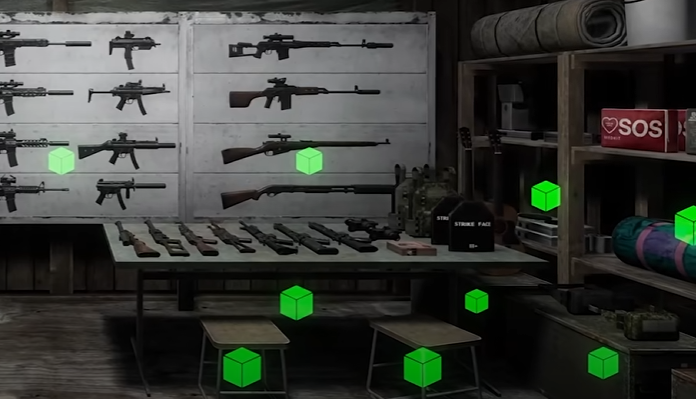
Weapons in Road to Vostok are fully manual in ways most shooters are not.
Shotguns and bolt action rifles require opening the chamber, inserting rounds manually, then cycling the weapon before firing. If you skip a step, the gun simply will not work.
This is why a lot of early players think their weapon is bugged. It is not. The game expects you to follow the full process every time.
Once you get used to it, it becomes predictable and consistent instead of confusing.
Early Progression And What To Focus On First
Your first hour should not be about pushing forward. It should be about learning systems and building a base. Talk to traders early. The Generalist and Doctor both give tasks that help progression and unlock useful items.
Focus on basic supplies like ammo, bandages, and hydration. These keep you alive longer than weapon upgrades. Staying in Area 05 longer than you think is normal. The game expects you to learn here before moving on.
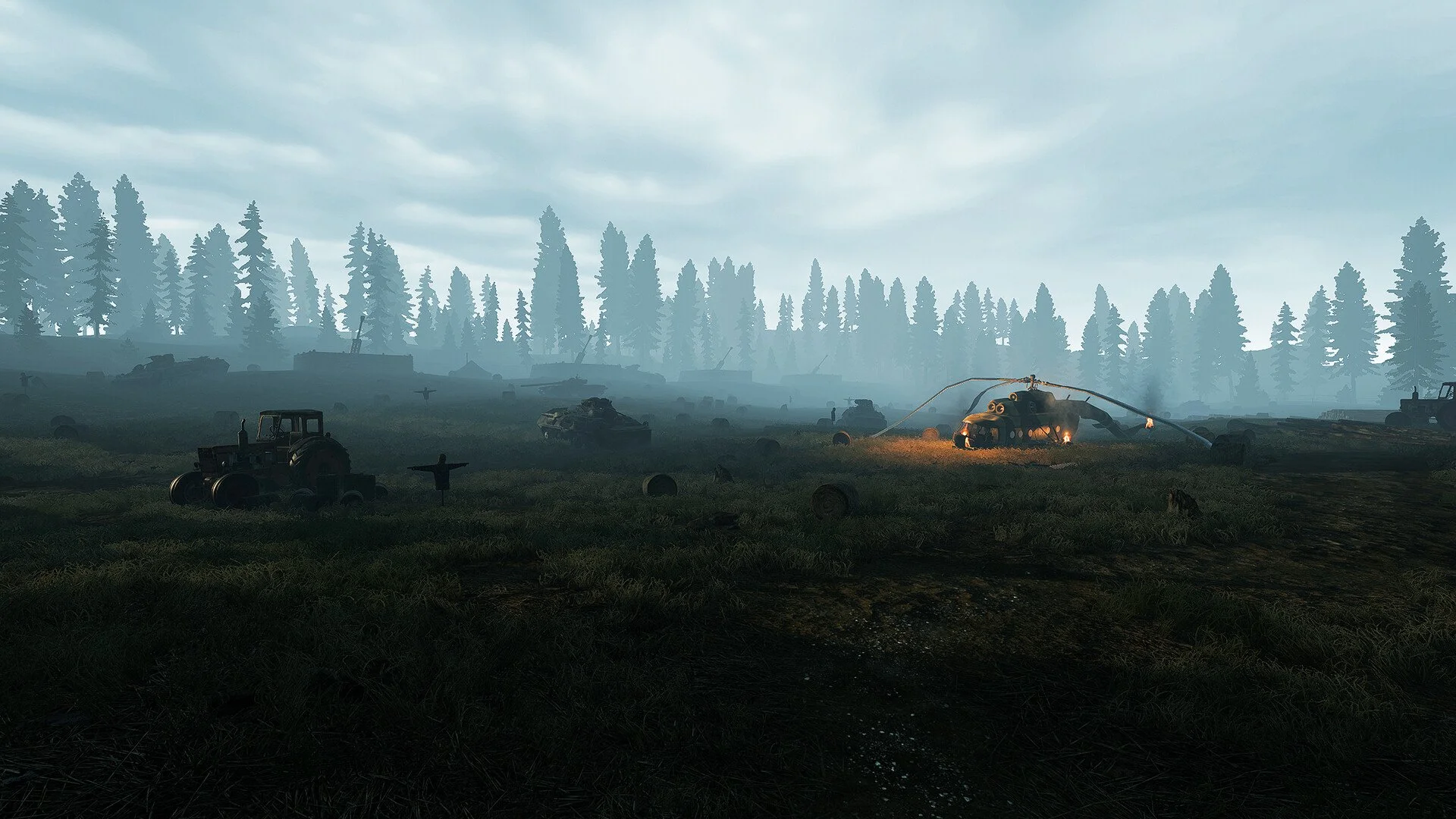
Mistakes That End Most Beginner Runs
Most early deaths come from patterns, not bad luck.
Staying out too long without saving
Fighting too close instead of keeping distance
Ignoring arm stamina and missing shots
Carrying too much low value loot
Letting mental state drop too far
Trying to push into harder zones too early
Fixing even 2 or 3 of these dramatically improves survival.
Final Blurb
Road to Vostok rewards players who slow down and think through each system. The biggest difference you feel over time is control. Fights become manageable, inventory starts making sense, and survival stops feeling random. Once you stop treating it like a typical shooter and start treating every action like it has a cost, the game opens up in a way that actually feels fair.