ShantyTown is a calm, clever builder that makes small placement decisions feel surprisingly rewarding right from the start. It has the low pressure and stress-free appeal you want from a cozy game, but it also has enough structure to keep every map from feeling like aimless decorating (which, in my opinion, is a problem with the genre).
The core idea is quite simple: You build cramped, layered little neighborhoods in unusual spaces and try to satisfy building needs while still making the place look good. In practice, that turns into a very satisfying rhythm of solving space problems, improvising with what you have, and finding ways to make one object do more than one job. A lamp might help one cluster, a sign might pull double-duty, a utility piece might suddenly make an awkward corner useful. The game keeps feeding that small but steady sense of payoff that made me want to continue playing longer and longer.
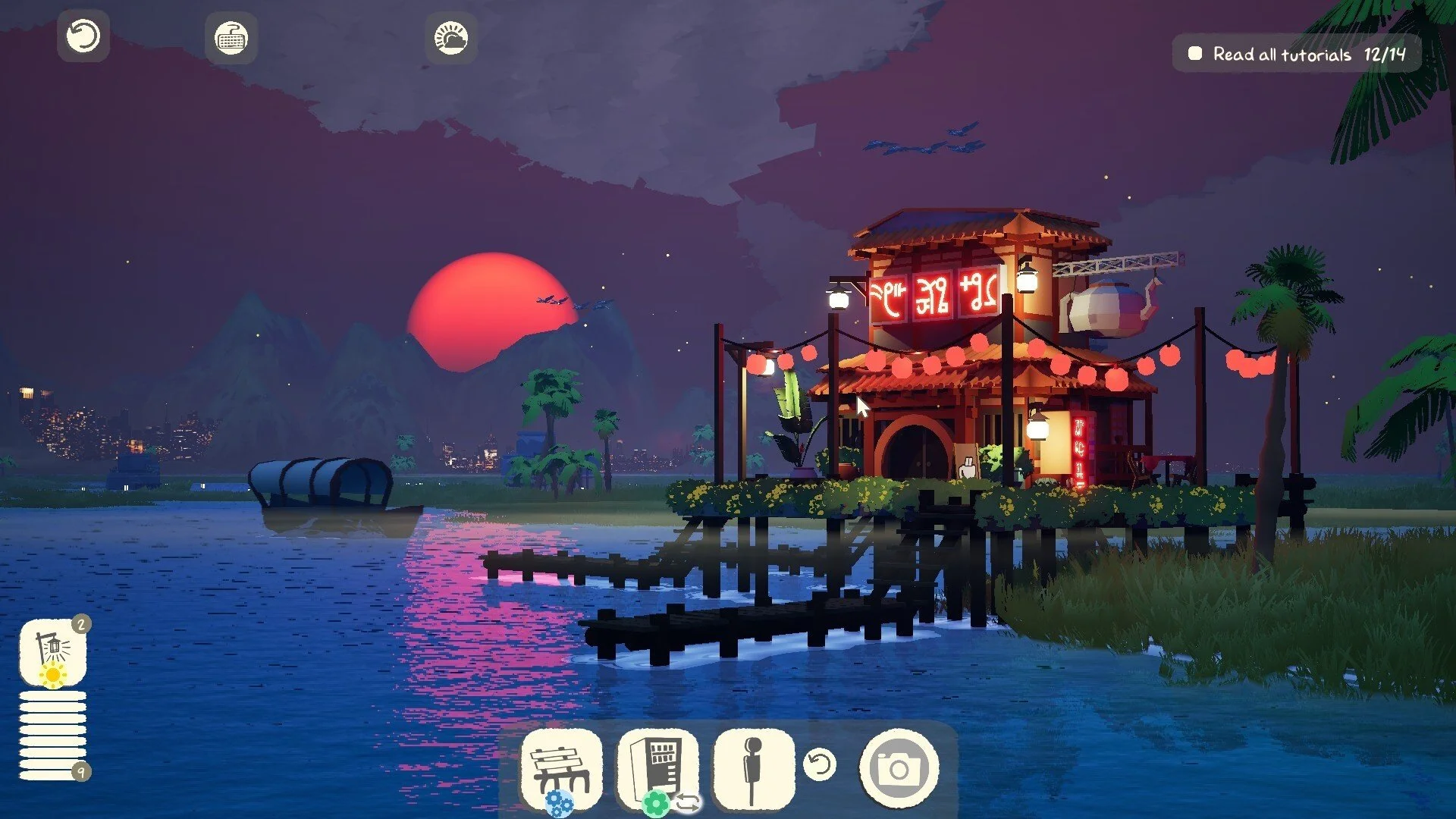
What ShantyTown does especially well is give direction without choking creativity. Between the draw-based building system, limited space, and each map’s goals, there is a real puzzle to placing things well, yet it never feels like the game wants or pushes you into a corner with one exact answer. You can still build something messy, personal, and visually distinct, which I think is a big deal in a game like this. The best maps feel designed by you rather than just completed by you.
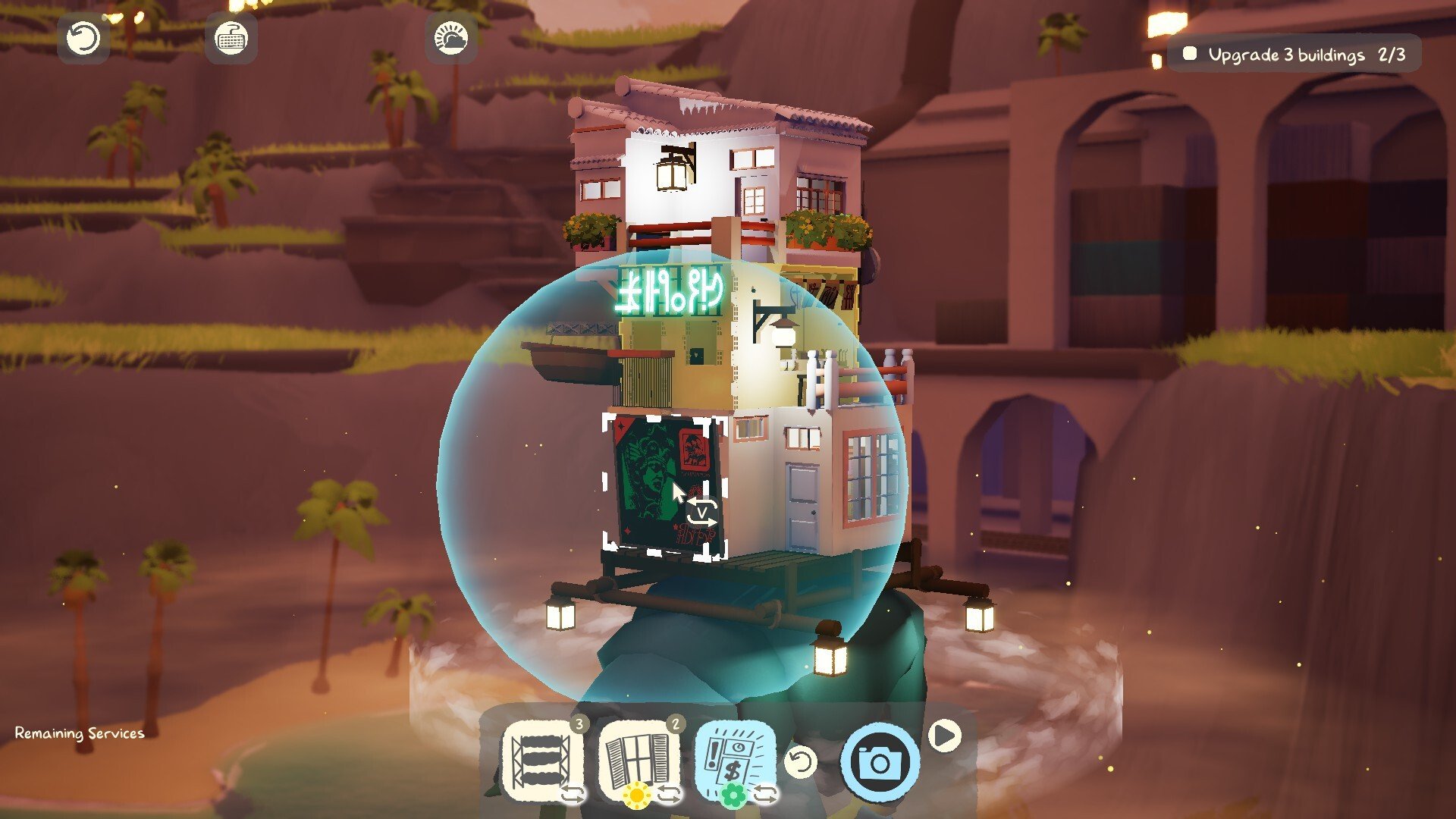
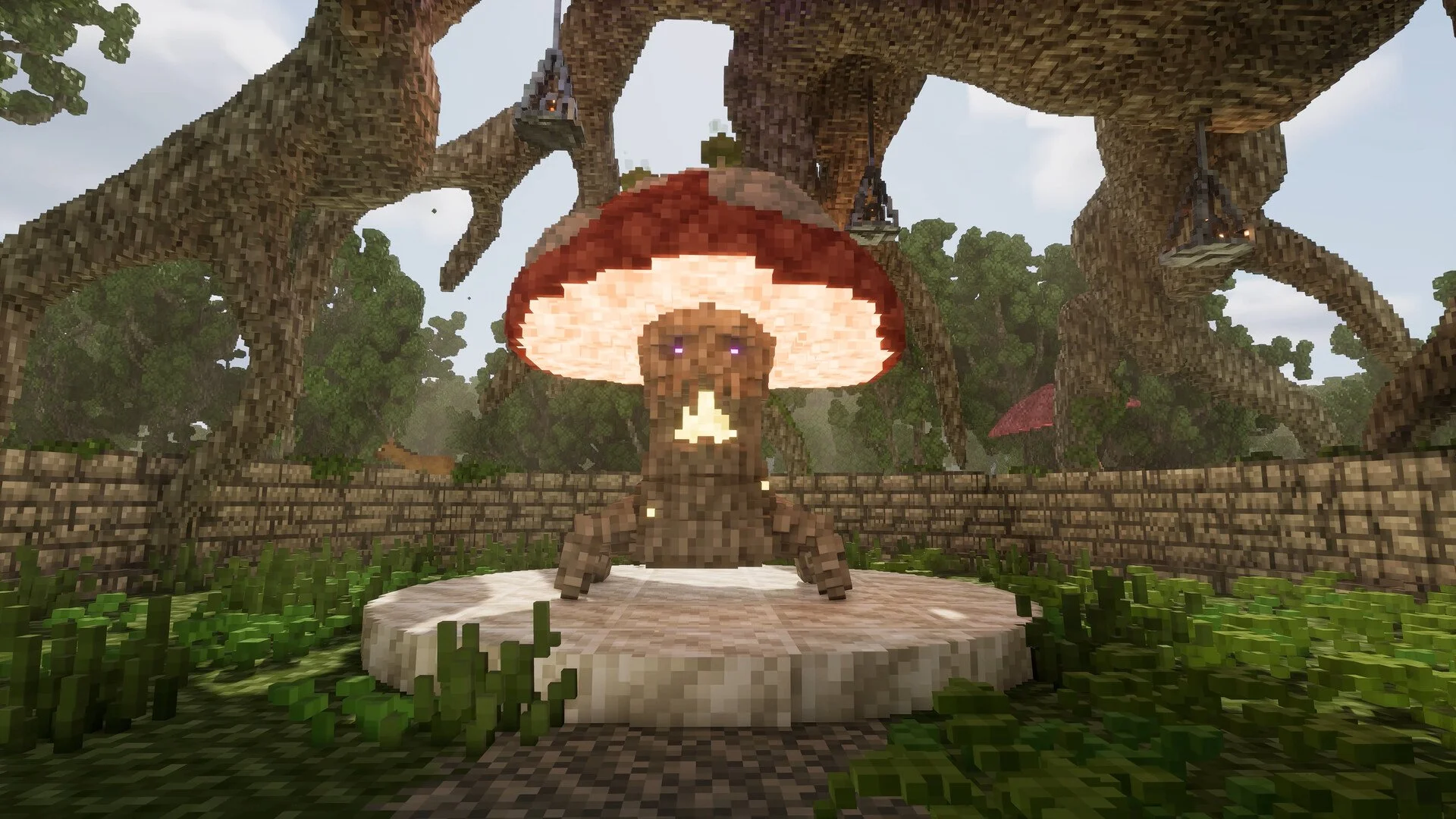
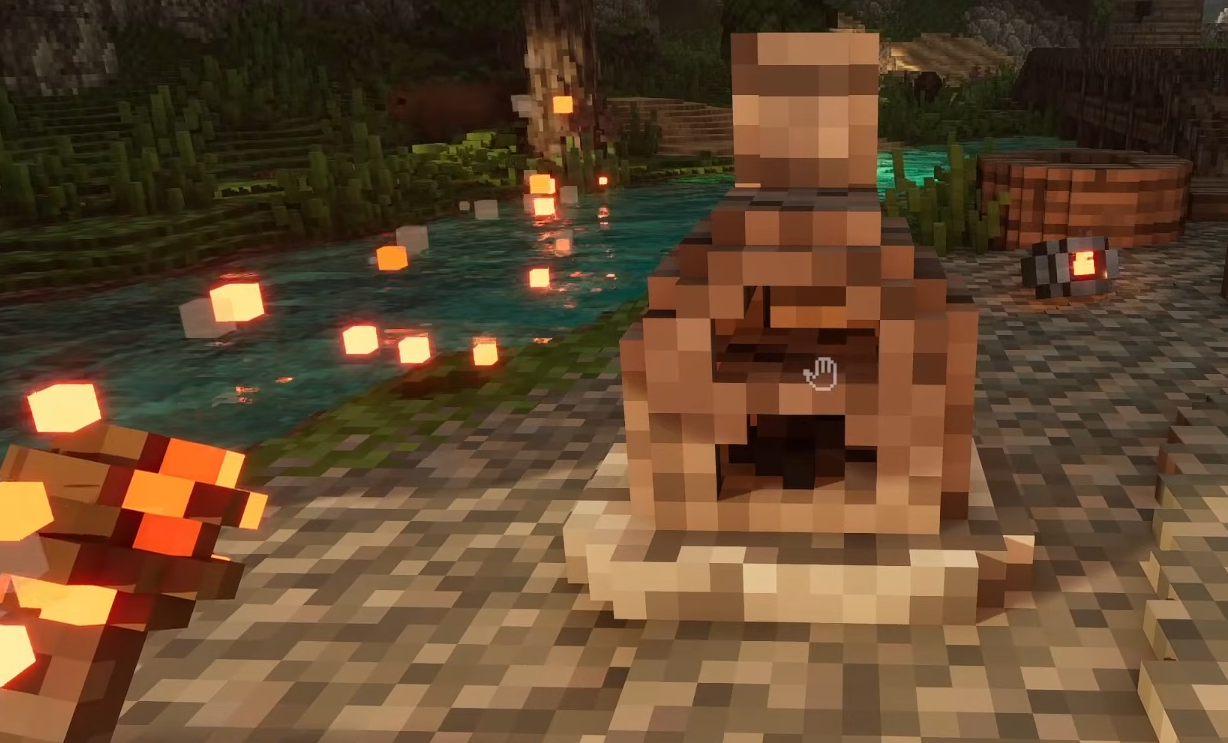
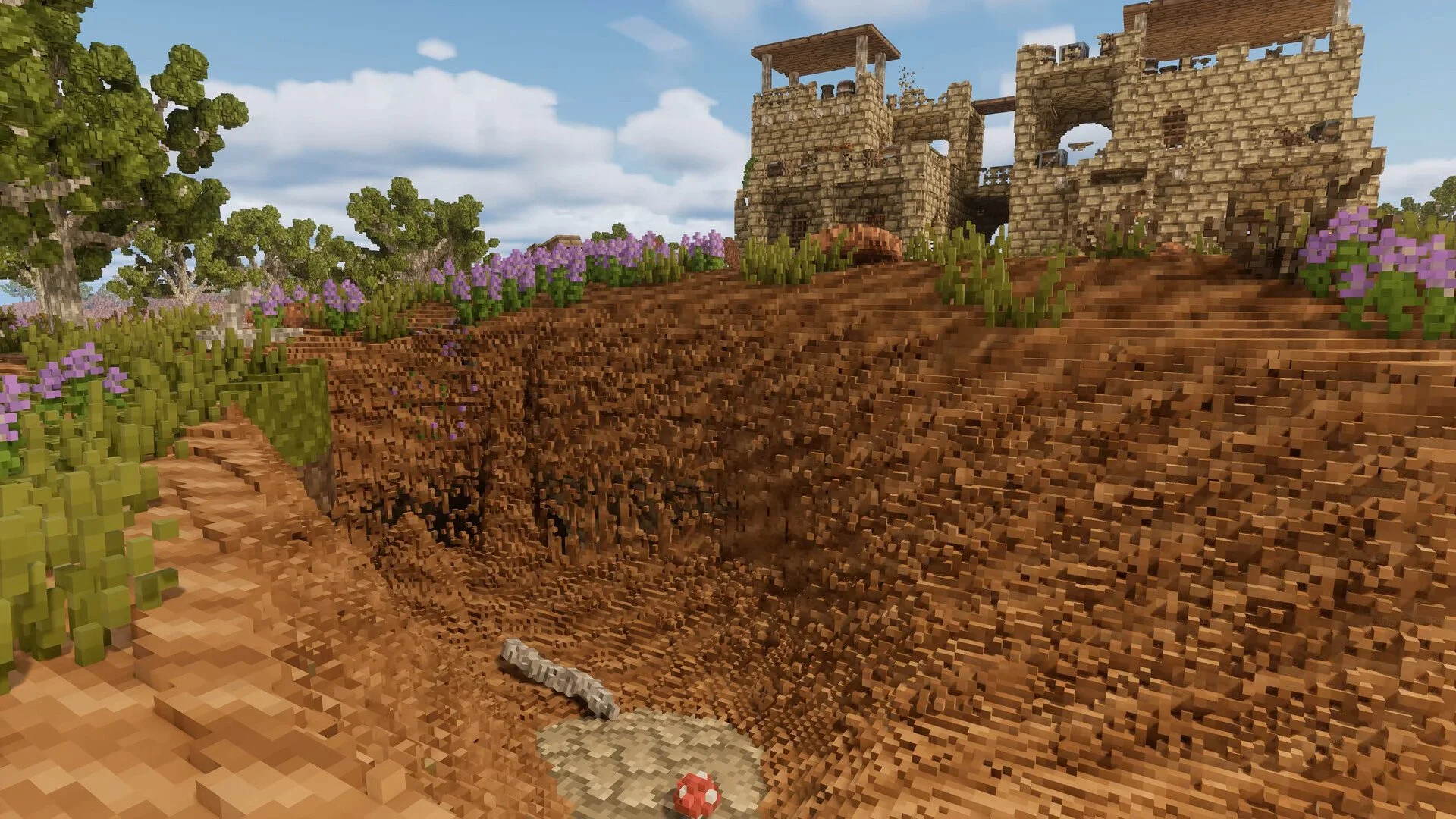
The visual style carries a huge amount of the experience. ShantyTown has a dense, stacked look that makes even small builds feel packed with character. The towns feel improvised in the best way, full of little details, odd silhouettes, and layered decoration. It has that great quality where stepping back and looking at what you just made is one of the best parts of the entire game. The atmosphere does a lot of work too, with it being easy to settle into the mood and stay there a while.
The campaign side is stronger than it first appears because it keeps changing the spaces you work with and the problems you are solving. One area might ask for you to be tidy and efficient, another might push you into strange vertical stacking, and another might simply make you rethink how to fit enough into a cramped footprint without turning the whole thing into complete nonsense. That variety really helped the game stay away from becoming too repetitive too quickly.
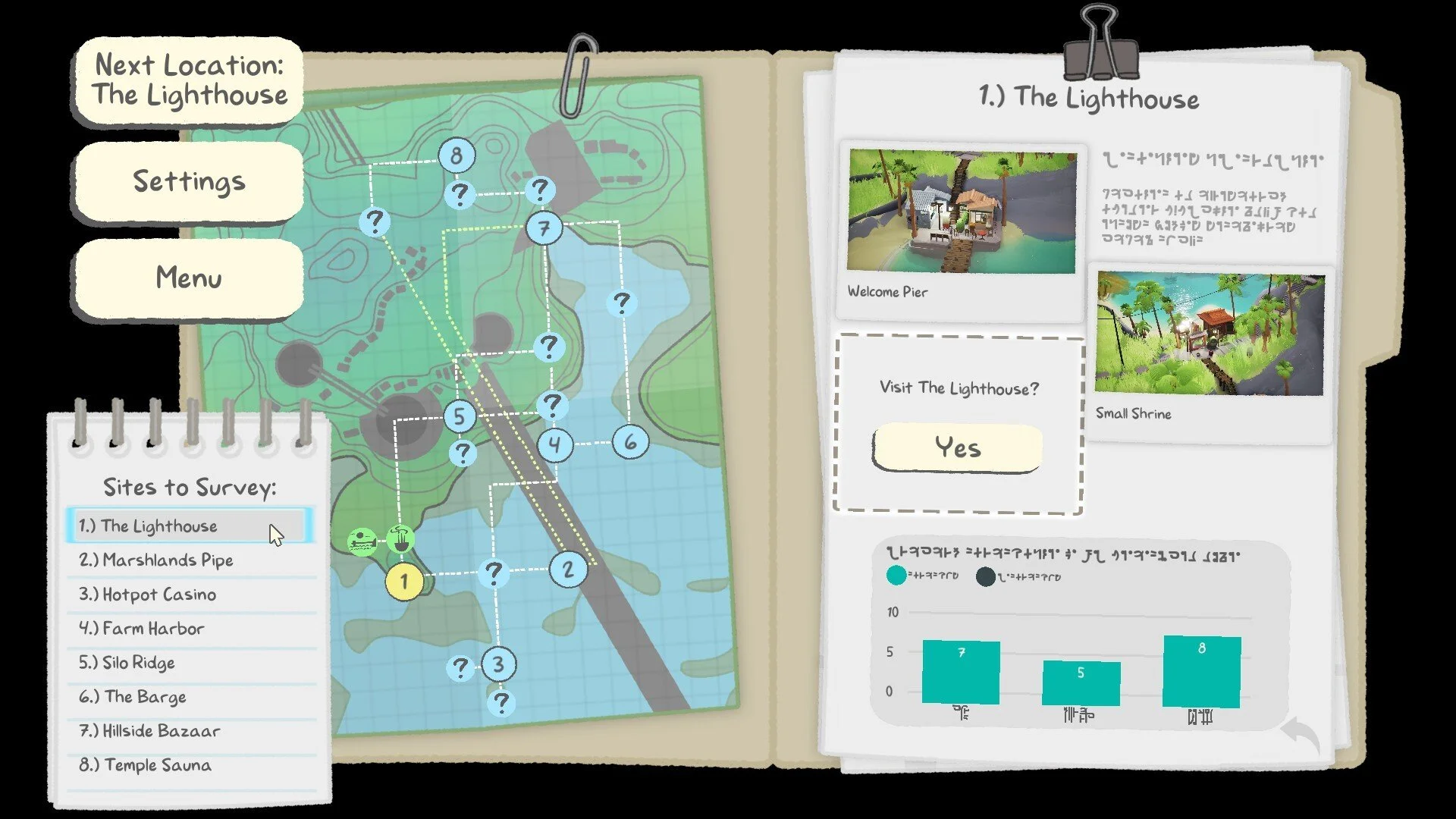
Creative mode gives the game much more life after the main stuff is done. The guided maps are what pull you in, but the open ended building is what makes you want to linger; a combination that I think worked pretty well. The structured side proves the game has a real mechanical backbone, while the freer side lets you enjoy the tools without pressure.
While admittedly one of the most enjoyable games I have played in some time, ShantyTown is, as with just about any game out there, not completely flawless. Placement can occasionally be a little fiddly, and there are moments where some extra polish or more content would have pushed it even higher. The main path also leaves you wanting more, which is actually kind of a compliment… But at the same time partly a sign that the game’s best ideas could carry even more levels. Still, those issues never get even close to overriding what makes the game a ton of fun.
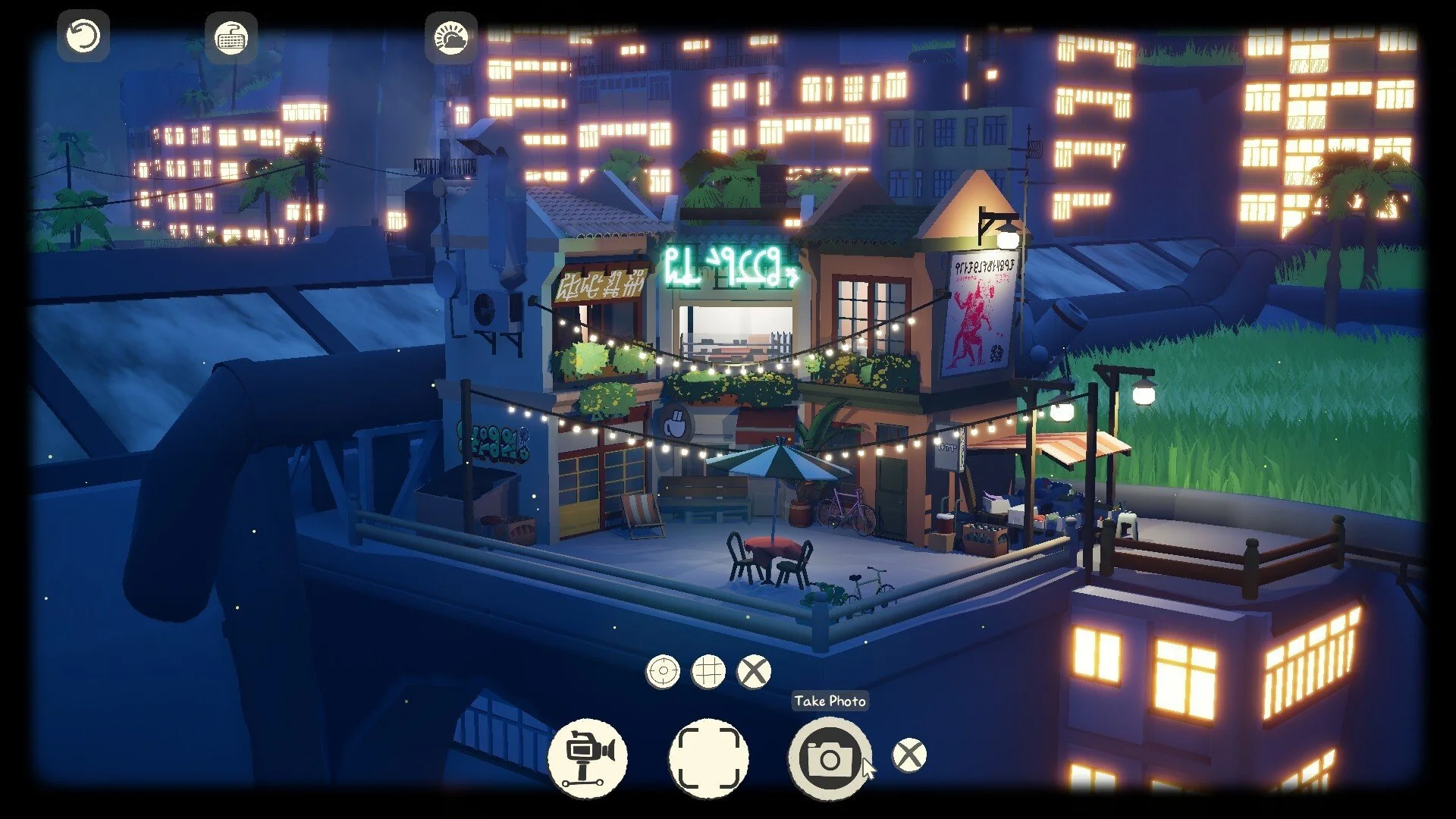
To sum it up, what works overall is quite a lot. ShantyTown is incredibly relaxing without being empty, creative without becoming shapeless, and stylish without leaning on style alone. It gives fans of the cozy-game genre something with real game to it, and it gives people who like puzzles something that never stops being pleasant to look at.
The developer of ShantyTown clearly understood that a chill game still needs a hook and delivered, with the hook being fitting aesthetics, utility, and constraint into the same tiny space, then doing it again in a way that looks completely different. There is, without a doubt, beauty in constraint.
GamerBlurb Score: 9.1/10
Reviewed by Drew B.