The Spotter Dig or Die Tips: Beginner Guide
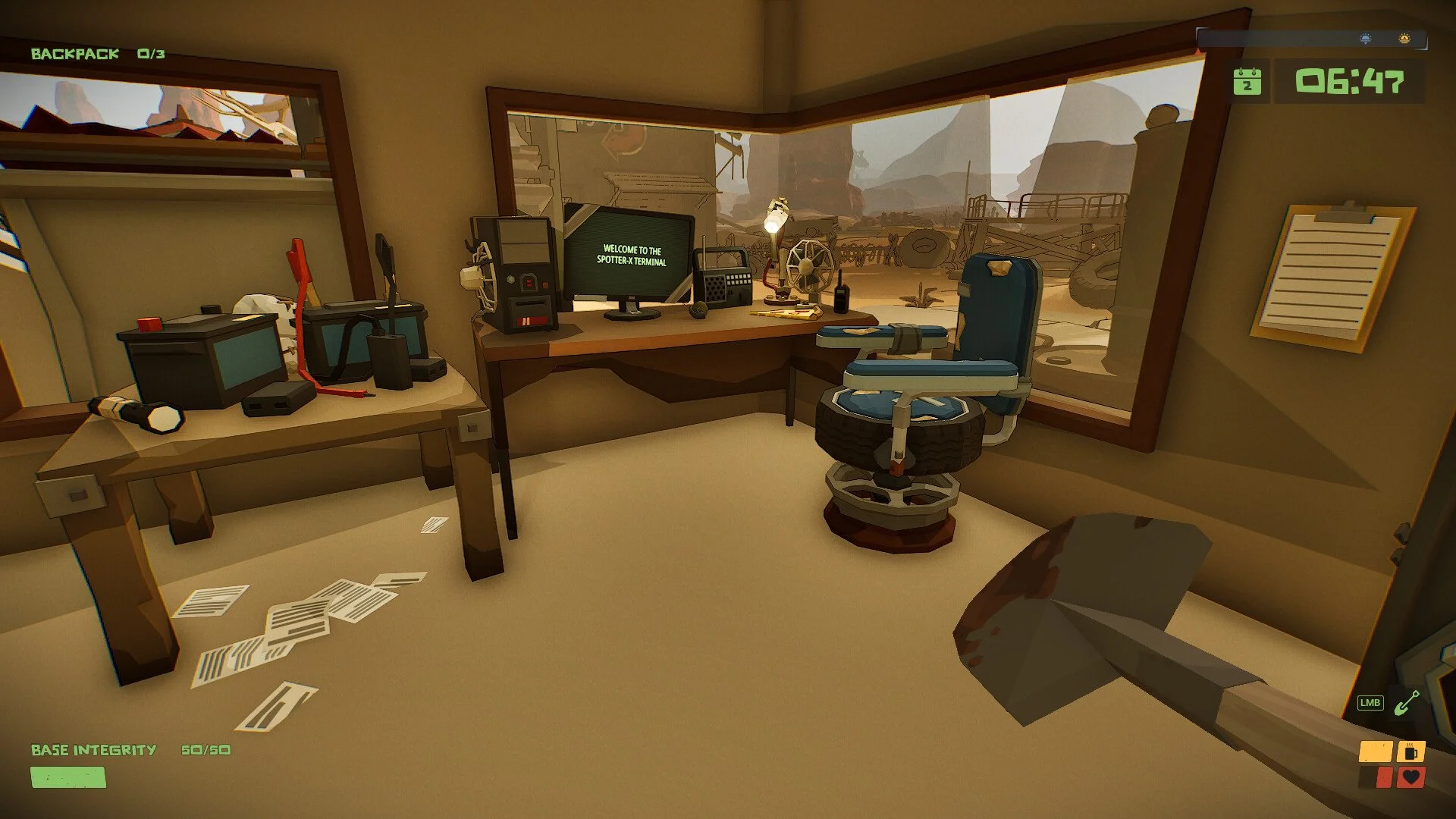
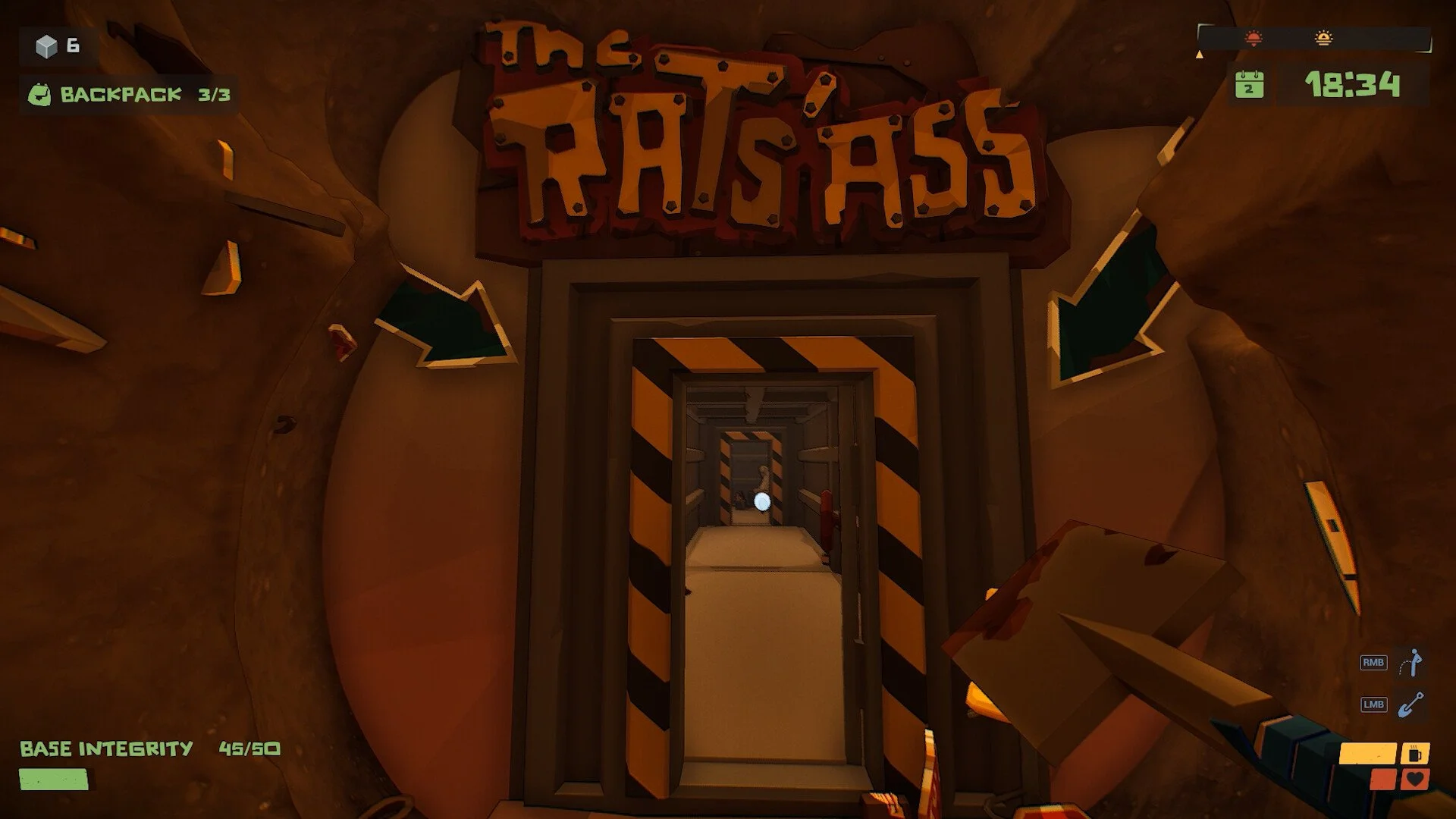
Getting through The Spotter Dig or Die early game comes down to how you handle upgrades, digging efficiency, and night defense. The game gives you everything you need right away, but the order you use it in decides how fast you actually progress.
Best Tips For The Spotter Dig or Die
The best tips in The Spotter Dig or Die are to upgrade your backpack and endurance first, prioritize turret reload speed, dig deeper for better resources, and delay receiver upgrades until your base is fully prepared.
Early on, the game quietly punishes wasted time. Short trips, constant energy resets, and slow looting stack up fast if you don’t fix your core upgrades. Once you correct that, everything starts flowing. You stay underground longer, bring back more loot per run, and your nights become way easier to handle.
Quick Guide
Upgrade backpack first, more inventory = faster runs
Increase endurance early to reduce trips back to base
Get jetpack quickly so you don’t get stuck underground
Prioritize turret reload speed before anything else
Kill runner mutants first during night waves
Dig deeper, surface loot slows progression
Delay receiver upgrades until fully prepared
Why Backpack And Endurance Change Everything Early
The first real wall you hit isn’t difficulty, it’s efficiency. At the start, your inventory fills almost instantly and your energy drains just as fast. That forces you into short, inefficient trips where you spend more time resetting than progressing.
Once you upgrade backpack and endurance, you feel the difference right away. You can stay underground longer without stopping, and each trip actually brings back enough resources to matter.
That shift is what lets you keep up with the game’s scaling instead of falling behind it.
How Digging Depth Affects Your Progression
Not all digging gives the same results, and the game rewards you heavily for going deeper.
Surface junk like cans and basic scrap barely moves your upgrades forward. As you go deeper, you start finding higher value items that give significantly more iron, which speeds up everything.
Gold becomes the real limiter though. You’ll notice pretty quickly that iron builds up fast, but gold does not.
That slows down:
Higher tier upgrades
Advanced tools
Base improvements
If you stay shallow, your progression stalls even if you’re constantly digging.
Night Survival Tips That Actually Work
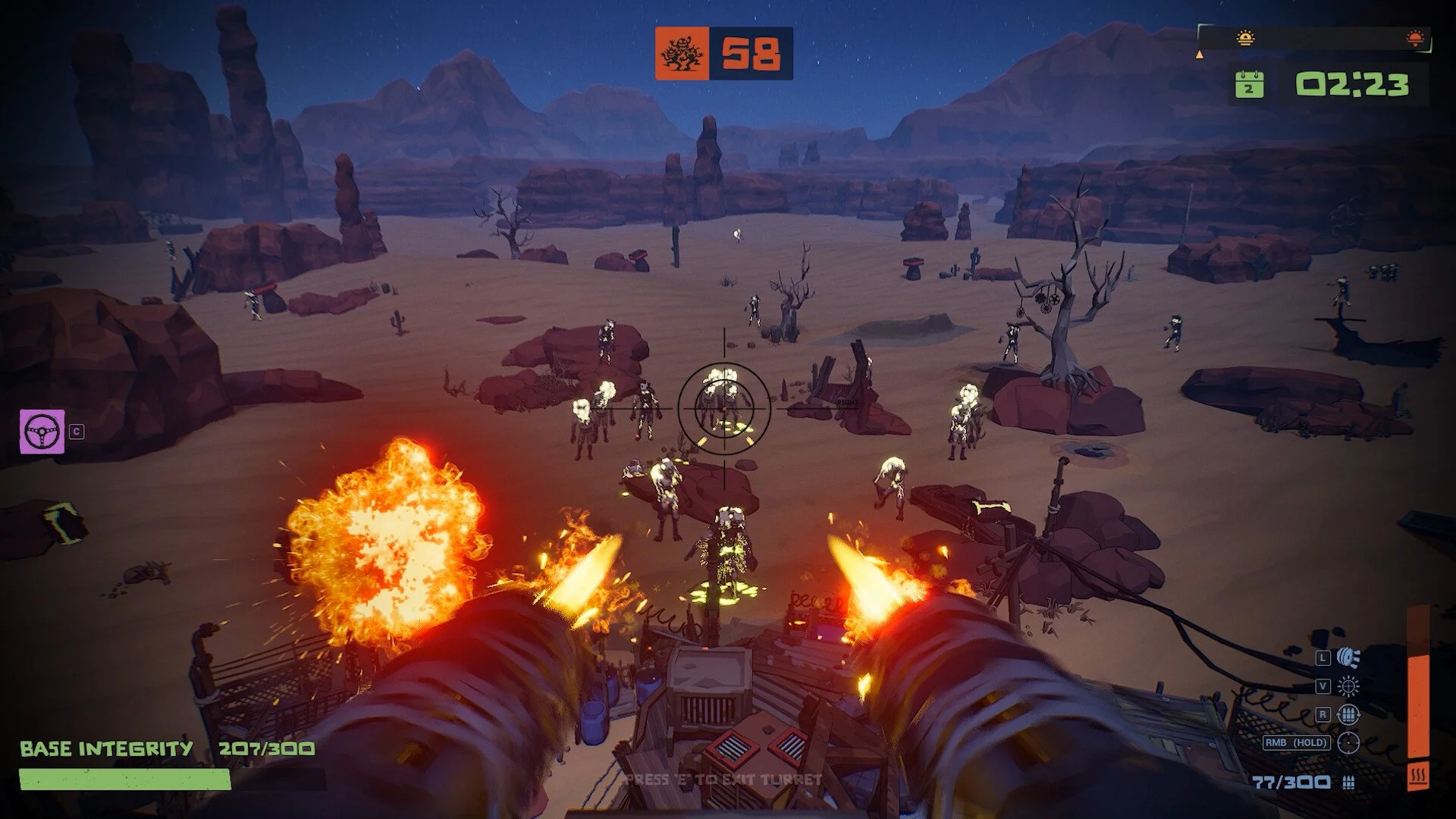
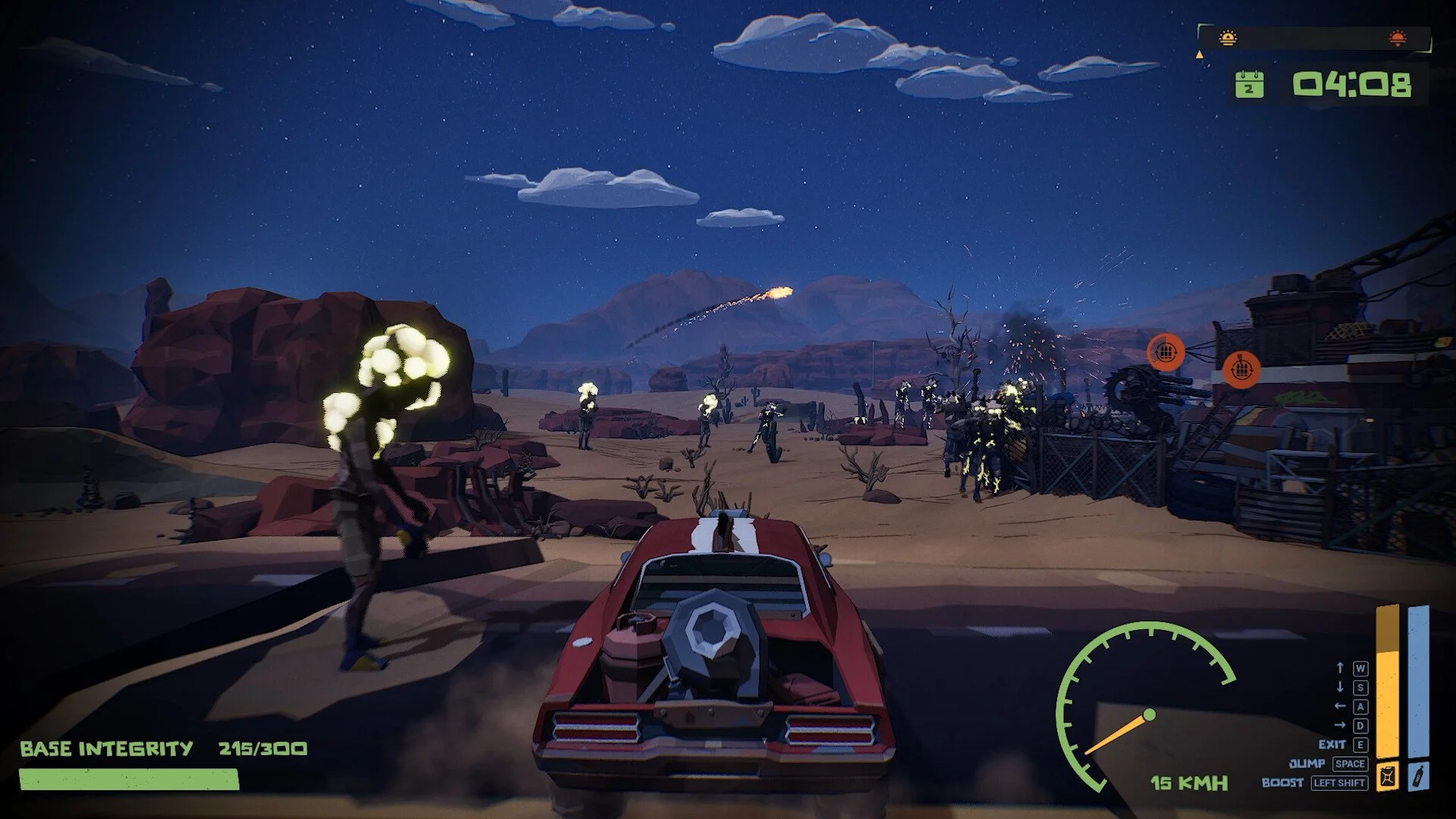
Night defense starts simple but ramps up fast once enemies scale.
The biggest early mistake is ignoring turret upgrades and relying on base durability. That only works for the first few waves.
Reload speed is the first thing you feel during combat. If it’s too slow, enemies stack up before you can clear them, and things spiral quickly.
Focus on:
Reload speed first
Fire rate after
Additional machine guns when available
Runner mutants should always be your priority target. They move faster and reach your base sooner, which breaks your rhythm if left alive.
As waves scale, overheating becomes noticeable too, especially if you haven’t upgraded your turret enough.
When To Upgrade The Receiver
The receiver is what pushes the game forward, but it also increases difficulty.
As soon as you upgrade it, waves get harder. More enemies, more pressure, and less room for mistakes.
The better approach early is to fully upgrade your current tier before touching it.
That means:
Maxing backpack, endurance, and shovel
Upgrading turret and base defenses
Saving some extra resources
If you rush the receiver, you end up underpowered against stronger waves and progress slows down instead of speeding up.
Tools That Speed Up The Game Significantly
Some upgrades don’t just help, they completely change how the game feels.
The jetpack is one of the biggest early ones. Without it, getting out of deep holes wastes time and can put you in bad situations. With it, movement becomes much smoother.
Later tools like dynamite and auto shovel take things even further. Instead of digging small sections, you start clearing large areas quickly, which increases how fast you gather resources.
You also start finding:
Artifacts with permanent bonuses
Power-ups like infinite energy or increased dig radius
Hidden areas with valuable loot
At that point, the game shifts from slow survival into a much faster progression loop.
Final Blurb
The Spotter Dig or Die becomes much easier once you fix your early priorities. When your backpack, endurance, and turret setup are handled properly, everything starts to click.
You spend less time resetting, more time progressing, and nights stop feeling like a scramble. From there, the game opens up, and digging deeper actually feels rewarding instead of slow.