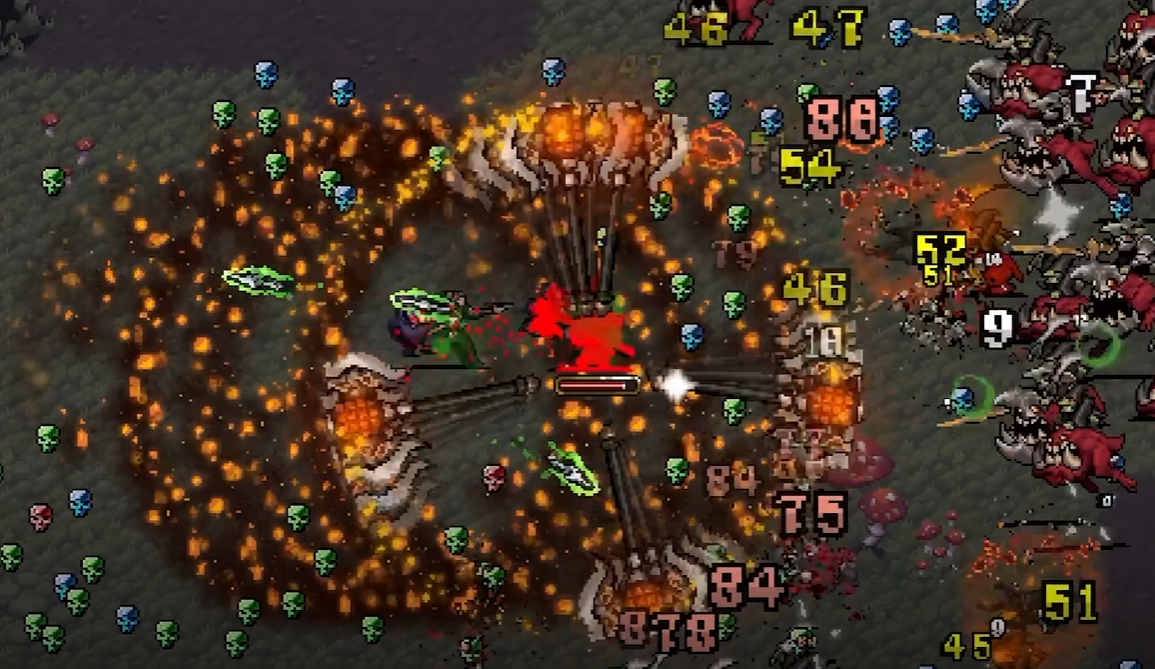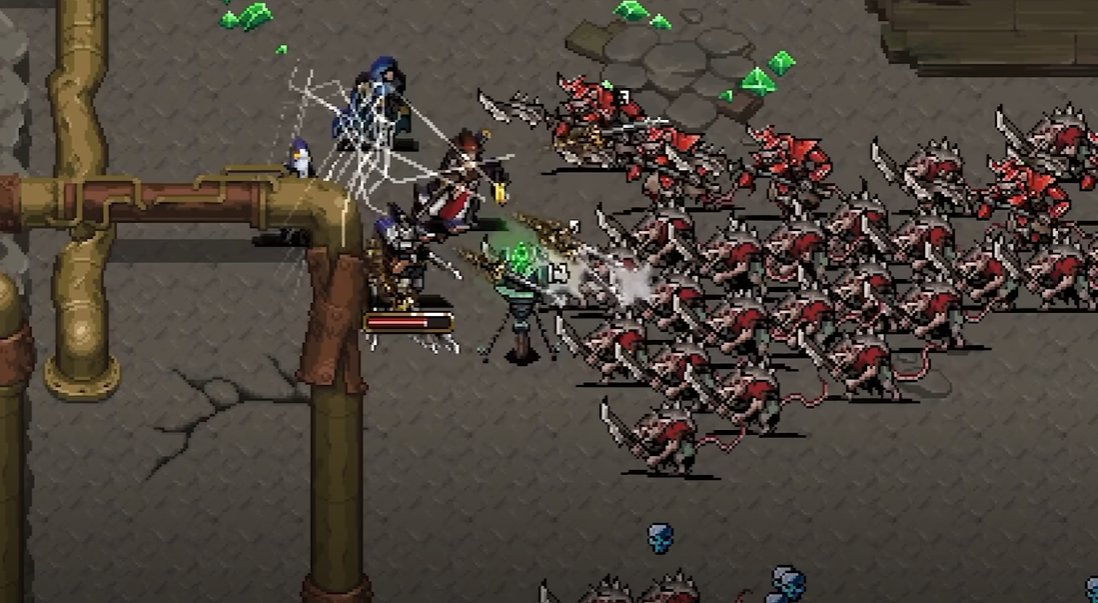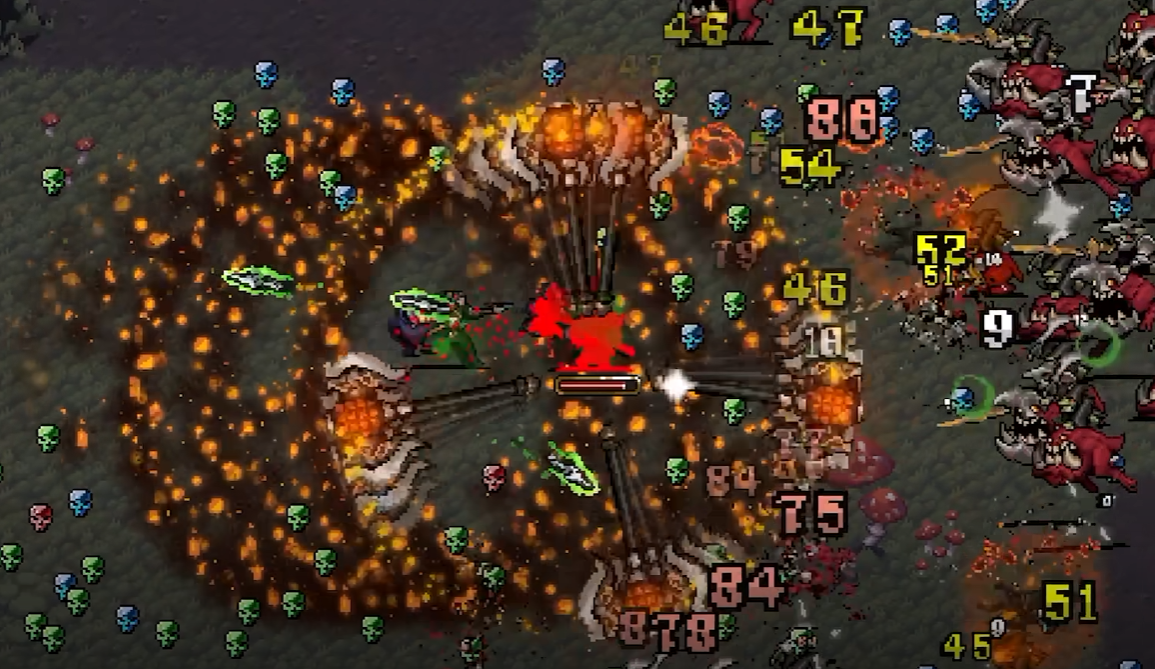
Warhammer Survivors can feel overwhelming when enemies begin filling the screen faster than your weapons can clear them. A few smart decisions early in a run can make later encounters much easier, especially when it comes to movement, upgrades, and choosing your character.
Warhammer Survivors Beginner Tips and Tricks
1. Create Space Instead of Fighting Every Enemy
Your biggest priority during the opening minutes should be keeping enough room to move. Running directly into large groups makes it harder to escape once more enemies arrive.
Try moving around the edges of enemy groups while allowing your weapons to deal damage. When an opening appears, use it to collect experience and continue moving before the next wave closes in.
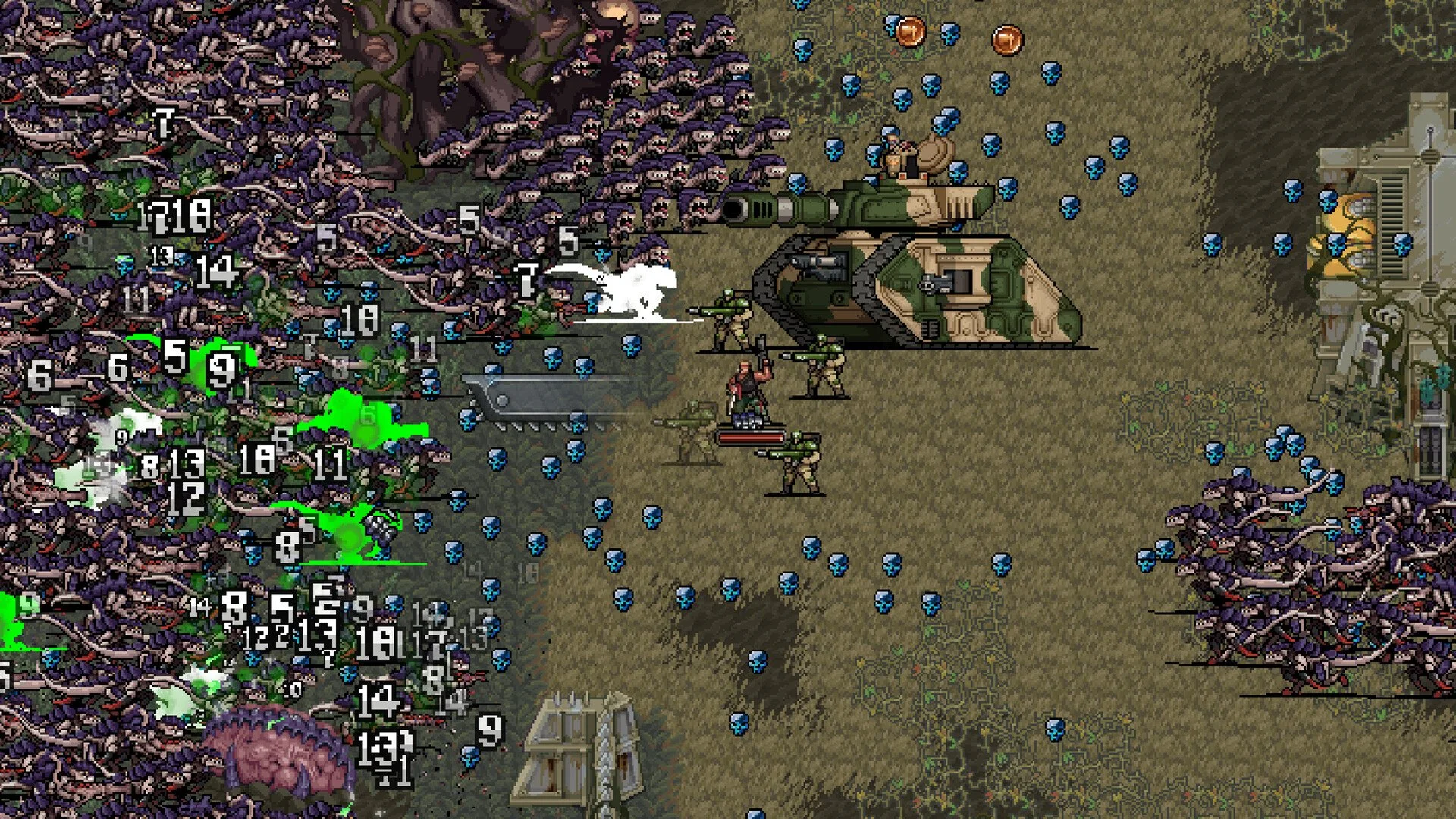
This is particularly important when using the Chainsword, since its sweeping attack benefits from positioning enemies within its path.
2. Prioritize Additional Attacks Early
Extra attacks can make a considerable difference when enemies approach from multiple directions.
For example, an additional Chainsword attack can improve your coverage by allowing attacks both in front of and behind your character. That reduces the need to constantly reposition just to damage enemies approaching from another direction.
When choosing upgrades, consider whether another attack would help more than improving a weapon that already handles nearby enemies comfortably.
3. Use Boss Chests to Push Your Build Forward
Defeating bosses provides chests that contribute to your weapon progression. Rather than viewing these encounters only as obstacles, prepare your build so the rewards can help you reach more powerful equipment.
Boss chests are also important for weapon evolutions once you've met the necessary requirements.
Make Better Weapon and Upgrade Choices
4. Build Toward a Weapon Evolution
It's worth deciding which weapon you want to evolve before investing heavily in unrelated equipment.
For example, Chainsword requires Tape Measure to become Eviscerator Chainsword, while Boltgun requires Dice Cube to become Heavy Bolter.
To evolve a weapon, obtain its matching power-up, level the weapon to maximum, and open a boss chest. This process was documented in the October demo.
You can find every known combination in our Warhammer Survivors Evolutions List.
5. Choose Weapons That Cover Different Threats
Having several weapons doesn't automatically mean your build can handle every situation. Pay attention to which enemies are causing problems.
If you're struggling against large groups, consider attacks that cover wider areas. If individual enemies remain dangerous while you move, a weapon that can target them from a distance may be more helpful.
The Lasgun, for example, targets the closest enemy, while the Chainsword provides a different attack pattern. Understanding those differences helps you choose equipment that complements what you already have.
Get More From Your Characters and Permanent Upgrades
6. Rescue the Guardsman Early
One useful early objective in the Warhammer 40K setting is rescuing the Guardsman, who provides an alternative to the initial Chainsword-focused playstyle.
Follow the question-mark marker to locate the rescue encounter, then defeat the enemies surrounding the stranded character. The ring of enemies must be cleared to complete the rescue.
For the complete process, see our Warhammer Survivors How to Rescue Characters guide.
7. Invest in Upgrades That Improve Your Starting Minutes
Permanent upgrades are especially valuable when they address the problems you encounter before your build becomes powerful.
An additional starting attack, for example, can make early enemy groups easier to handle. This helps you earn experience and begin developing your weapons without relying entirely on later upgrades.
I'd prioritize improvements that make your opening minutes more consistent, rather than choosing upgrades without considering where your runs usually end.
8. Use Failed Runs to Identify Your Next Upgrade
Not every run needs to end in victory to be useful. Pay attention to whether you were overwhelmed by groups, struggled against a tougher enemy, or couldn't collect enough experience to keep improving your equipment.
Those problems suggest different priorities for your next attempt. More attack coverage can help against surrounding enemies, while additional damage may be more useful when durable targets survive too long.
The key is to improve the part of your build that actually held you back, rather than repeating the same upgrade choices every run.