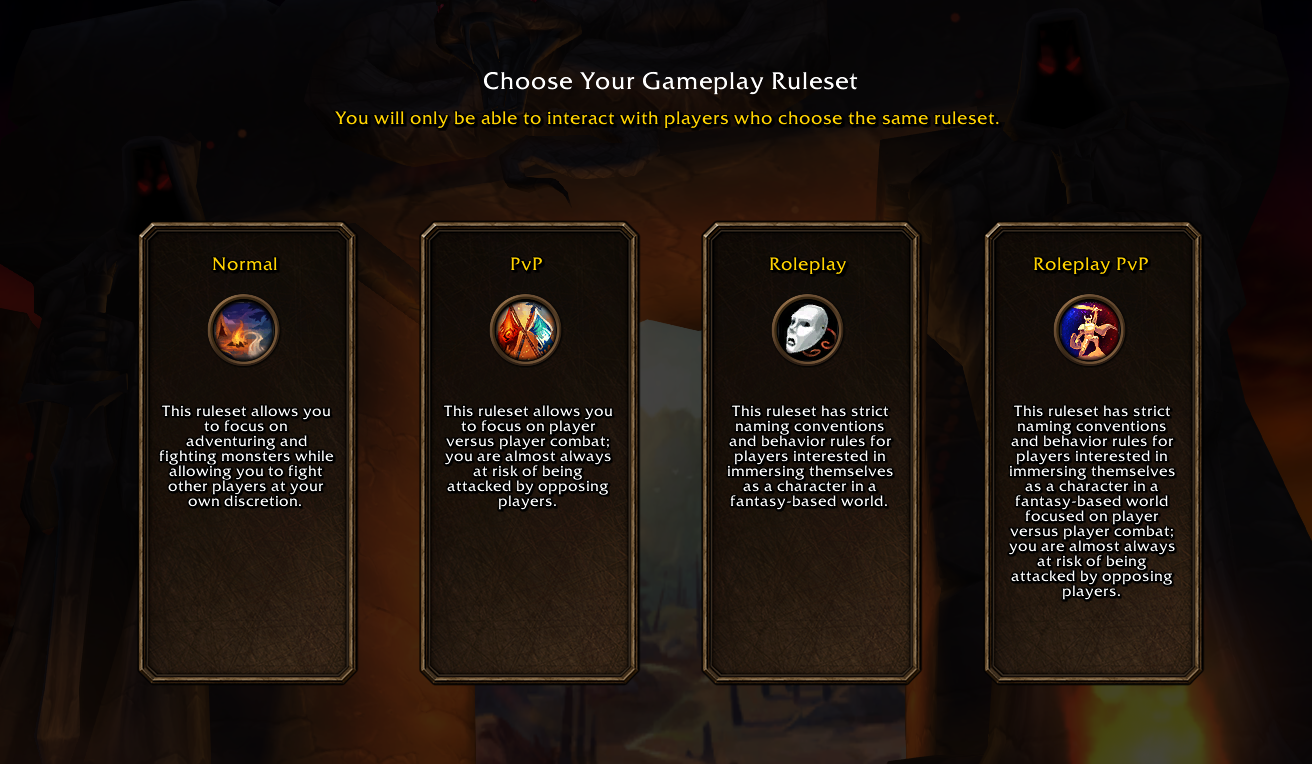
Choosing between PvP, RP-PvP, and regular RP in WoW Forever affects much more than how often you'll fight other players. It influences how you experience faction rivalries, participate in community events, and explore Azeroth. RP-PvP might sound like the perfect combination of storytelling and combat, but there are some important differences worth understanding before you create your character.
PvP vs RP-PvP vs RP Explained
What RP-PvP Is Actually Like
World PvP and Ganking Differences
Roleplay Events and Guilds
Leveling, Dungeons, and Raiding
Which Ruleset Should You Choose?
WoW Forever PvP vs RP-PvP vs RP: What's the Difference?
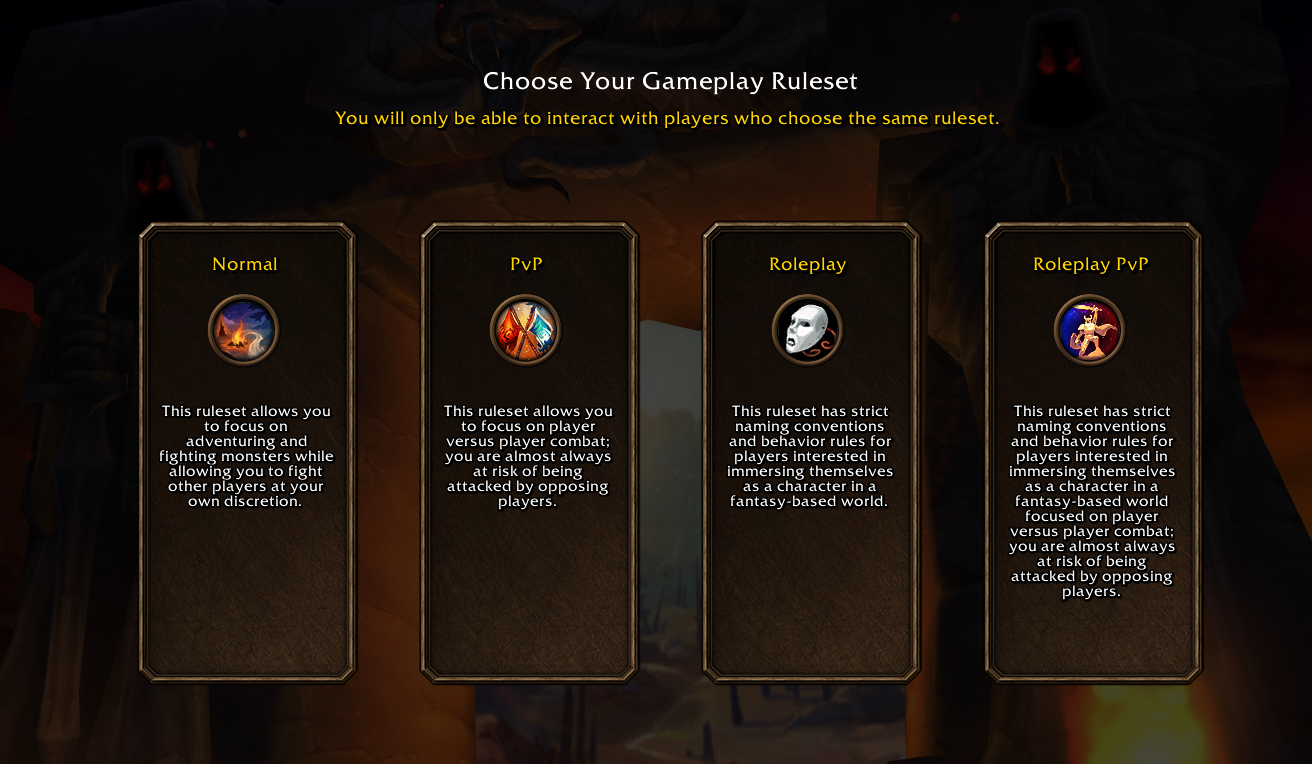
The main difference between PvP and RP-PvP in WoW Forever is the emphasis on roleplaying. Both expose you to hostile players in contested areas, but RP-PvP is intended for players who want that faction conflict to exist alongside character stories, guild identities, and roleplay events.
Regular RP is the better alternative if you want to develop your character's story without the same risk of unwanted world PvP. You can still participate in organized faction battles by enabling PvP for those events.
| Ruleset | Main Experience | Best For |
|---|---|---|
| PvP | Open-world faction combat without a particular emphasis on roleplaying. | Players who primarily want spontaneous PvP encounters. |
| RP-PvP | Open-world PvP combined with roleplay communities and opportunities for faction-driven storytelling. | Players who enjoy combat, character identity, and unpredictable faction conflict. |
| RP | Roleplay-focused activities without compulsory PvP encounters in contested areas. | Players who want more control over when combat interrupts their stories. |
One of the biggest misconceptions is that RP-PvP automatically means every fight has a roleplaying reason behind it.
That's not the case. You'll encounter players who enjoy organized storytelling, but also players who simply want to participate in world PvP.
The RP designation encourages a particular type of community. It doesn't turn every encounter into a planned roleplaying event.
What Is RP-PvP Actually Like in WoW Forever?
RP-PvP is most appealing when you're interested in treating the conflict between the Alliance and Horde as part of your character's experience.
Rather than seeing an enemy player as just another opponent, you might view them as a rival soldier, a hostile scout, or someone threatening your faction's territory.
Guilds can build stories around these encounters, organizing patrols, defending locations, or creating ongoing rivalries with other groups.
However, the freedom to attack enemy players also means that events don't always unfold according to the organizers' plans.
The Appeal of Unpredictable Faction Conflict
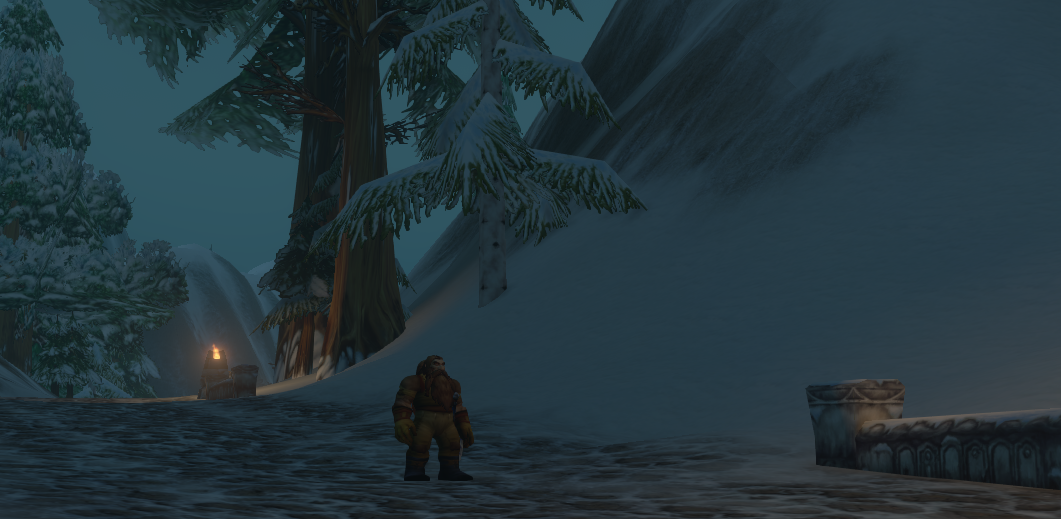
Imagine you're participating in a guild patrol through a contested area.
On an ordinary RP ruleset, a battle with another guild can be organized ahead of time, with everyone agreeing to participate.
On RP-PvP, an enemy group could arrive unexpectedly, turning an otherwise peaceful patrol into an actual fight.
That uncertainty can create memorable experiences because the outcome isn't entirely controlled by the participants.
It's also the main reason RP-PvP appeals to players who find traditional roleplay too disconnected from the game's combat systems.
Not Every Player Will Be Interested in Roleplay
Joining RP-PvP doesn't guarantee that everyone you meet will have a developed character backstory or participate in roleplaying.
Some players may be there primarily for PvP, while others might enjoy the atmosphere without participating in organized events.
This distinction matters if you're expecting every enemy encounter to involve dialogue, storytelling, or an agreed-upon conflict.
RP-PvP offers opportunities for those experiences, but they depend heavily on the people and guilds participating.
For more background on the ruleset's introduction, see our WoW Forever RP-PvP announcement coverage.
World PvP and Ganking: Is RP-PvP Safer Than PvP?
No. You shouldn't choose RP-PvP expecting protection from unwanted player attacks.
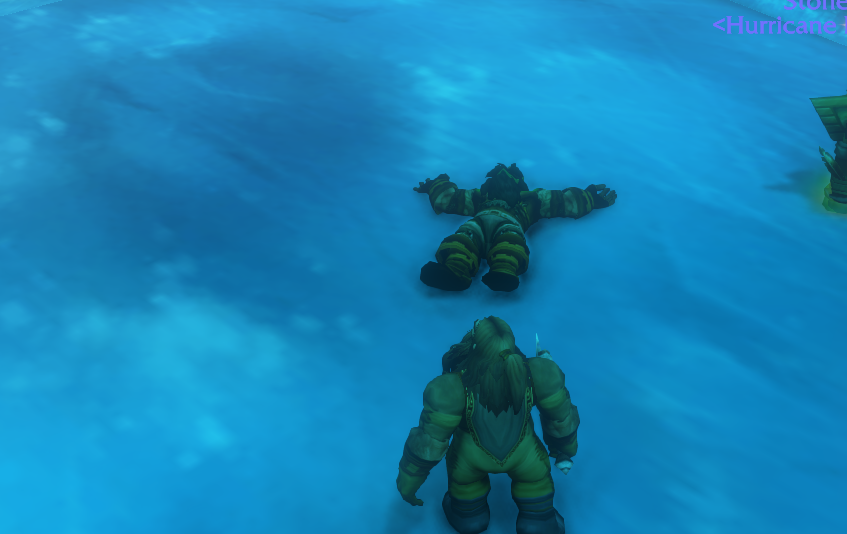
Just like ordinary PvP, RP-PvP allows hostile encounters in contested territory. That includes situations where another player attacks you while you're questing or traveling.
Whether the attacker is roleplaying a faction soldier or simply looking for a fight doesn't change the immediate gameplay consequences.
What Happens When You're Questing Alone?
Consider a simple situation: you're completing quests in a contested zone and encounter an enemy-faction player who wants to fight.
| Ruleset | What to Expect |
|---|---|
| PvP | The enemy player can initiate combat under the zone's PvP rules. |
| RP-PvP | The same danger exists, even if the world has a stronger roleplaying focus. |
| RP | You generally control whether to participate in optional PvP encounters. |
If being attacked unexpectedly would make leveling frustrating, regular RP is the safer choice.
If you enjoy the possibility of spontaneous battles, PvP and RP-PvP are both appropriate options.
Ganking Doesn't Automatically Become Roleplay
A player repeatedly attacking someone who is trying to quest doesn't necessarily create an interesting story.
For RP-PvP to become something more than ordinary PvP, players need to connect their actions to characters, communities, and ongoing events.
For example, two guilds organizing patrols around disputed territory can develop a recurring rivalry. Random attacks without that context may feel no different from encounters on a standard PvP server.
This is an important expectation to establish before committing to RP-PvP.
RP-PvP vs RP for Guild Events and Roleplaying
The biggest practical difference for dedicated roleplayers is how much control they have over their events.
Both rulesets can support meaningful character stories, but they create different circumstances for organizing those stories.
Regular RP Is Better for Planned Events
Regular RP makes it easier to organize activities where the emphasis is on dialogue, character development, or a planned storyline.
For example, a guild might hold a meeting, conduct an investigation, or organize a diplomatic gathering in an outdoor location.
Without compulsory world PvP in contested territory, organizers have more control over whether an unrelated player can interrupt the event through combat.
Faction battles are still possible. Participating guilds can coordinate an encounter, agree on the location, and enable PvP for the event.
This makes regular RP particularly appealing if you want combat to happen as part of a planned story rather than through unpredictable interruptions.
RP-PvP Is Better for Unscripted Conflict
RP-PvP changes how events need to be organized.
An outdoor gathering in contested territory could attract hostile players, even if the organizers weren't planning a battle.
This creates opportunities for guard patrols, escorts, faction defenses, and rival guild encounters.
It also introduces additional responsibilities for event organizers.
If your guild is planning an important gathering, you'll need to consider whether the location is vulnerable to attacks and what happens if hostile players arrive.
For some groups, that uncertainty is exactly what makes RP-PvP exciting. For others, it can become an unwelcome distraction from the story they wanted to tell.
A Practical Way to Choose Event Locations
If you're organizing events on RP-PvP, consider separating them into two types:
- Character-focused events: Choose locations where participants can communicate and interact without constant interruptions.
- Conflict-focused events: Use contested locations when the possibility of hostile encounters is part of the experience.
This approach helps avoid treating every gathering like a battlefield while still allowing faction conflict to shape your community's stories.
It also gives newer roleplayers room to develop their characters before joining more unpredictable outdoor events.
Can You Still Level, Run Dungeons, and Raid on RP-PvP?
Yes. Choosing RP-PvP doesn't mean giving up ordinary PvE activities.
You can still focus on leveling, dungeons, raids, and other forms of character progression. The difference is primarily how world PvP and community interaction fit around those activities.
A player who enjoys raiding can still pursue that goal while participating in a roleplaying guild.
Likewise, joining a normal RP ruleset doesn't mean you have to spend every session roleplaying instead of progressing your character.
Will RP-PvP Slow Down Leveling?
It can, especially if you frequently quest in contested areas where enemy players are active.
Unexpected fights, deaths, and detours can interrupt progression. However, the actual impact depends on the encounters you experience rather than the server label alone.
Regular RP provides more control over whether world PvP becomes part of your leveling routine.
For a player with limited time who mainly wants to finish quests uninterrupted, that's an important advantage.
Do You Need to Join an RP Guild?
You don't need an established character story to begin playing, but finding a suitable guild can make an enormous difference to your experience.
On RP-PvP, a guild interested in faction events may provide opportunities for group patrols, battles, and ongoing stories.
On regular RP, you may prefer a guild centered on social gatherings, character development, or organized campaigns.
Look for a guild whose preferred activities match yours rather than assuming every guild on the same ruleset approaches roleplaying identically.
Should You Choose PvP, RP-PvP, or RP in WoW Forever?
The most useful question isn't whether roleplaying sounds interesting. It's whether you want unpredictable player combat to be part of your everyday experience.
Use these examples to narrow down your choice.
Choose PvP If Combat Is Your Main Priority
Regular PvP is a sensible choice if you enjoy faction battles, want the possibility of hostile encounters while exploring, and aren't particularly interested in structured roleplaying.
You can still create your own character identity or participate in social groups, but roleplaying isn't the central attraction of the ruleset.
Choose RP-PvP If You Want Conflict to Shape Your Character's Story
RP-PvP is a strong fit if you enjoy both world PvP and roleplaying.
It provides an environment where faction battles can influence the stories created by guilds and their members.
However, you also need to accept that not every fight will be part of an organized event, and other players may interrupt your plans.
I'd recommend RP-PvP to someone who enjoys the uncertainty of world PvP rather than someone hoping the RP label will make PvP less aggressive.
Choose RP If You Want Control Over Your Roleplaying Experience
Regular RP is the better starting point if you're primarily interested in stories, character interactions, and organized events.
You can still take part in faction conflicts through planned PvP activities without accepting the same risk of spontaneous attacks in contested areas.
For someone completely new to roleplaying, this can also provide a more comfortable environment for learning how character interactions work.
Final Recommendation for New Players
If you wouldn't enjoy the ordinary PvP ruleset, I wouldn't recommend choosing RP-PvP simply because it sounds more immersive.
Instead, choose regular RP and participate in organized battles when you're interested.
On the other hand, if you already enjoy open-world PvP and want faction rivalries to become part of your character's identity, RP-PvP offers an appealing combination.
The biggest distinction is control. Regular RP lets you decide when to participate in most faction combat, while RP-PvP makes the possibility of combat part of the world you're exploring.
Neither approach is inherently better for storytelling. The right choice depends on whether unpredictable conflict makes your adventures more exciting or prevents you from enjoying them.