WoW Forever is Burying Retail WoW
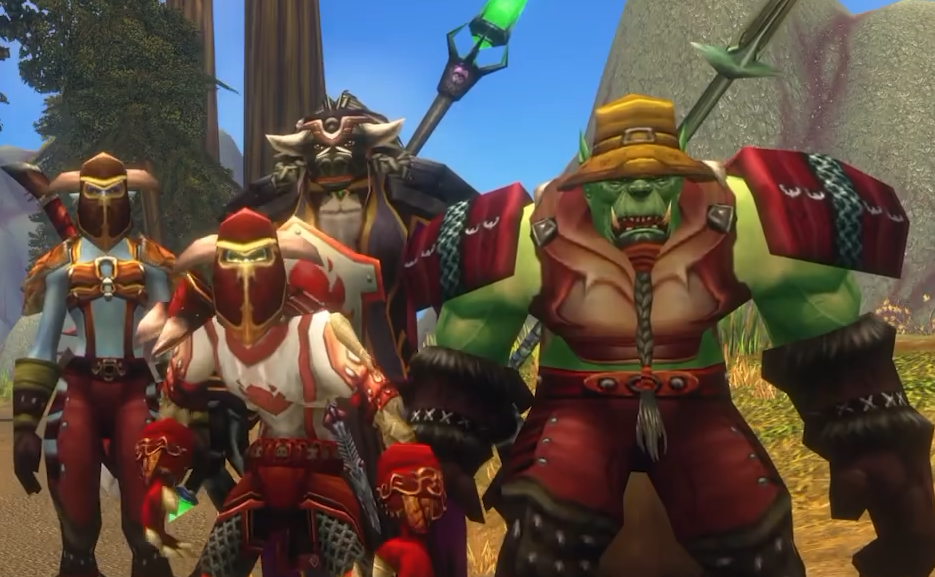
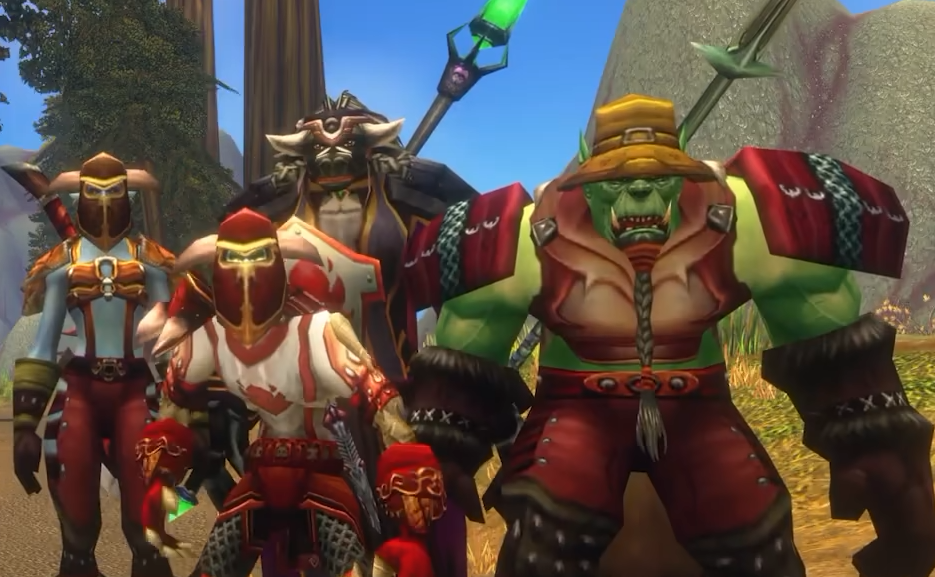
World of Warcraft: Forever does not launch until November 4, but it is already threatening to overshadow retail WoW at one of the worst possible times for Midnight. Blizzard's new take on old-school Azeroth has spent its beta generating record interest, frequent developer communication and an increasingly large share of the conversation around World of Warcraft, while Midnight is trying to reach the final stretch of the World Soul Saga amid another troubled patch launch and renewed criticism of its story.
The contrast has become difficult to miss. Forever currently feels like the version of WoW opening into something larger, with Blizzard discussing balance changes, future content and what the game could become after launch. Midnight, meanwhile, is approaching the end of an expansion that was supposed to serve as the crucial middle chapter between The War Within and The Last Titan, but patch 12.1.5 has done little to strengthen that position. Instead, much of its first week has been dominated by broken content, hotfixes and debate over how Blizzard handled one of Warcraft's longest-running characters.
WoW Forever Has Most of the Momentum Right Now
Forever has benefited from an unusually visible development cycle. Blizzard has repeatedly discussed the beta, responded to player feedback and made adjustments while testing continues, giving players a steady sense of how the project is changing ahead of release. Community census data has already tracked more than one million characters during the beta, and Blizzard developers have publicly described participation as exceptionally strong.
More important than the raw numbers is the way Blizzard has framed the project. Forever is not being treated like a short-lived Classic experiment built solely around nostalgia. The studio has been discussing it as a version of World of Warcraft that begins with older foundations but can continue adding new content, new systems and its own interpretation of Azeroth. That gives the November 4 launch the feeling of a beginning rather than a retrospective exercise.
Retail WoW is currently producing almost the opposite impression. Midnight still has major story business to finish, including Xal'atath's role in the World Soul Saga and the transition into The Last Titan, but much of the conversation around the expansion has shifted toward whether Blizzard can land its remaining content without repeating problems that have followed it through the year.
Midnight Needed Patch 12.1.5 to Land
Patch 12.1.5 arrived October 13 with new story quests, a single-boss raid encounter and the Kindo'jan Labyrinth, a larger solo-focused activity built from the delve format. Blizzard had previously described labyrinths as something players could tackle in one extended run or work through gradually, giving the feature the potential to become one of the more substantial additions for players who prefer progression outside traditional group content.
Its launch quickly became defined by technical problems instead. Players reported bosses failing to award proper credit, missing rewards and issues with Valeera during encounters, while one particularly severe bug could cause players to fall through the floor during the final boss fight and make the activity impossible to complete. Blizzard addressed several of the worst problems in an October 16 hotfix, but the live version of the Labyrinth still lacks checkpoints, forcing players to finish a run in one sitting despite Blizzard's earlier description of a feature that could be completed over time.
The missing checkpoints could ultimately prove to be a bug, a delayed feature or a design change, but Blizzard has not made that clear. What players received at launch was therefore noticeably different from the experience that had been described beforehand, and the discussion around one of the patch's largest additions quickly became less about whether it was enjoyable and more about why it had arrived in that state.
Retail WoW Has Been Through This Recently
The response to 12.1.5 also carries more baggage because Blizzard was dealing with a similar conversation only six months ago. Patch 12.0.5 launched in April with enough problems that the company issued a public apology, said it was taking lessons from the release and promised those lessons would help prevent another update from arriving in comparable condition.
Patch 12.1.5 is not an identical repeat, and post-launch bugs are unavoidable in a live game as large as World of Warcraft. The problem is that another prominent update has now spent its opening days being discussed through emergency fixes and unfinished functionality. When that happens repeatedly, the individual bugs stop looking like isolated accidents and begin feeding a broader perception that retail WoW's patch cadence is moving faster than its quality control can comfortably support.
Forever currently benefits from being on the other side of that equation. It is still in beta, where bugs and dramatic balance changes are expected, and Blizzard can present adjustments as part of an active testing process. Midnight is a live expansion asking paying players to experience finished updates, so the same type of problem carries a very different weight once a patch is officially released.
Lady Liadrin's Death Added a Second Problem
Major spoilers for World of Warcraft: Midnight patch 12.1.5 follow.
The technical issues arrived alongside another contentious moment in Midnight's story. Lady Liadrin dies following the battle against Kithix after apparently pushing herself beyond her limits while wielding the Light. She survives the encounter itself, speaks briefly after the fight and then collapses, ending the story of a character who has been part of Warcraft since The Burning Crusade.
Her death also carries consequences well beyond Liadrin herself. The loss becomes part of the resolution between the Blood Elves and Amani, moving one of Warcraft's oldest racial conflicts toward peace after generations of hostility. Blizzard is therefore asking a relatively short sequence inside a mid-cycle patch to conclude a major character arc while also helping reshape a conflict with decades of history behind it.
Much of the criticism has focused on the amount of time the story gives those developments rather than on the idea that Liadrin should never have died. Warcraft has killed important characters before, but its most memorable deaths usually had enough room to define the story around them. Varian Wrynn's sacrifice became central to the opening of Legion because the expansion allowed the Broken Shore and its aftermath to carry enormous narrative weight. Liadrin's death arrives inside a patch already moving through several other plotlines, which has left some players feeling that the game reached a major destination without spending enough time on the journey there.
The Story Criticism Has Become Bigger Than Liadrin
The reaction to Liadrin has also reopened a larger argument around retail WoW's storytelling. Players continue to praise individual zone stories, questlines and smaller character moments even while criticizing the main expansion narrative, and Midnight has made that divide increasingly visible. Blizzard is still capable of producing isolated stories that land, but the larger plot often has to move characters through reconciliation, loss and major political changes within a relatively small amount of playable story.
That pacing is particularly noticeable because the World Soul Saga was announced as a connected three-expansion narrative. The War Within was supposed to begin the story, Midnight would deepen it and The Last Titan would bring it to a conclusion. Midnight therefore occupies the chapter where earlier threads should be converging and the larger stakes should be becoming clearer, yet patch 12.1.5 devotes considerable attention to resolving conflicts that can feel detached from the saga's central momentum.
The Blood Elf and Amani storyline is not inherently unimportant, nor does every patch need to revolve entirely around Xal'atath. Warcraft has always benefited from giving Azeroth's individual peoples and regions their own stories. The difficulty is that Midnight is running out of expansion while still carrying unresolved obligations to the larger saga, leaving its final update with more work to do if Blizzard wants the middle chapter to feel indispensable rather than transitional.
Blizzard Is Talking About Forever Very Differently
The comparison becomes sharper because Blizzard has been communicating about Forever with much more visible enthusiasm. The company has used the beta to discuss design decisions, respond publicly to player concerns and explain how the game could grow after release, while BlizzCon gave the project substantial attention ahead of its November launch.
Retail WoW received a less complete picture of its immediate future. Blizzard teased Midnight's eventual confrontation with Xal'atath, but offered comparatively little about The Last Titan despite the final chapter of the World Soul Saga being expected next year. That leaves retail in an awkward period where players know Midnight is approaching its conclusion and know another expansion is coming, but have considerably less information about what the next phase actually looks like.
Forever is enjoying the opposite situation. It has not launched yet, but Blizzard is already encouraging players to think beyond launch day and imagine what its version of Azeroth could become. Retail has a much larger amount of existing content and a decades-long history behind it, yet Forever currently feels like the branch of World of Warcraft with more unexplored territory ahead.
Forever Is Making Retail WoW Look Like the Older Game
There is a strange reversal in all of this. Forever is deliberately built from an older version of World of Warcraft, drawing much of its appeal from classic Azeroth, earlier visual design and a slower style of progression. Yet Blizzard is using those old foundations as a place to experiment with new combinations, new content and a different future for the game.
Retail WoW is technically the modern version, but Midnight increasingly looks constrained by everything it already has to service. It needs to maintain a live endgame, deliver content on a regular schedule, advance a years-long narrative, resolve old character arcs and position The Last Titan for next year. Patch 12.1.5 demonstrates how difficult that balancing act can become when one update is expected to do all of those things at once.
Forever does not carry the same burden yet. It can concentrate on establishing what it wants to be, and that freedom is helping it generate an excitement that retail currently lacks. The result is that Blizzard's game built around the past is increasingly the one players are discussing in terms of the future.
Forever Is Not Causing Midnight's Problems
There is no evidence that Blizzard moved resources away from Midnight to build Forever, or that Forever's development is directly responsible for the bugs and narrative issues surrounding patch 12.1.5. Treating the situation as a literal transfer of developers from one project to another would go beyond what is currently known.
The competition between them is instead happening at the audience level. Blizzard now operates several versions of World of Warcraft at the same time, and every new branch gives players another choice about where to spend their subscription hours. Retail, Classic, Hardcore and seasonal projects have already divided the game's audience into different experiences, and Forever is about to add another unusually ambitious option.
That makes perception increasingly important. Players do not need evidence of an internal resource battle to notice that one version of WoW is producing record beta interest and constant discussion while another is spending the week after a major patch fixing its headline feature and defending controversial story decisions.
Retail WoW Still Has Time to Change the Conversation
Midnight still has an opportunity to finish much stronger than its current moment suggests. Xal'atath remains unresolved, Blizzard has another major update ahead, and The Last Titan gives the World Soul Saga an entire expansion in which to pay off what the first two chapters have established. A strong conclusion could change how Midnight is remembered and restore some of the momentum retail has lost during 12.1.5.
The problem is that Forever arrives before Midnight gets that chance. On November 4, Blizzard will launch another version of World of Warcraft with a large audience already waiting and a development team openly discussing what it wants to build next. Midnight will still be trying to finish the story happening now.
Forever does not need to replace retail WoW to bury it in the conversation. It only needs to remain the version of Warcraft that feels more alive, more open-ended and more exciting to follow. At the moment, Blizzard's newest version of old WoW is doing exactly that.
More News from GamerBlurb