AI Is Quietly Pricing Gamers Out of Hardware and Most People Haven’t Noticed Yet
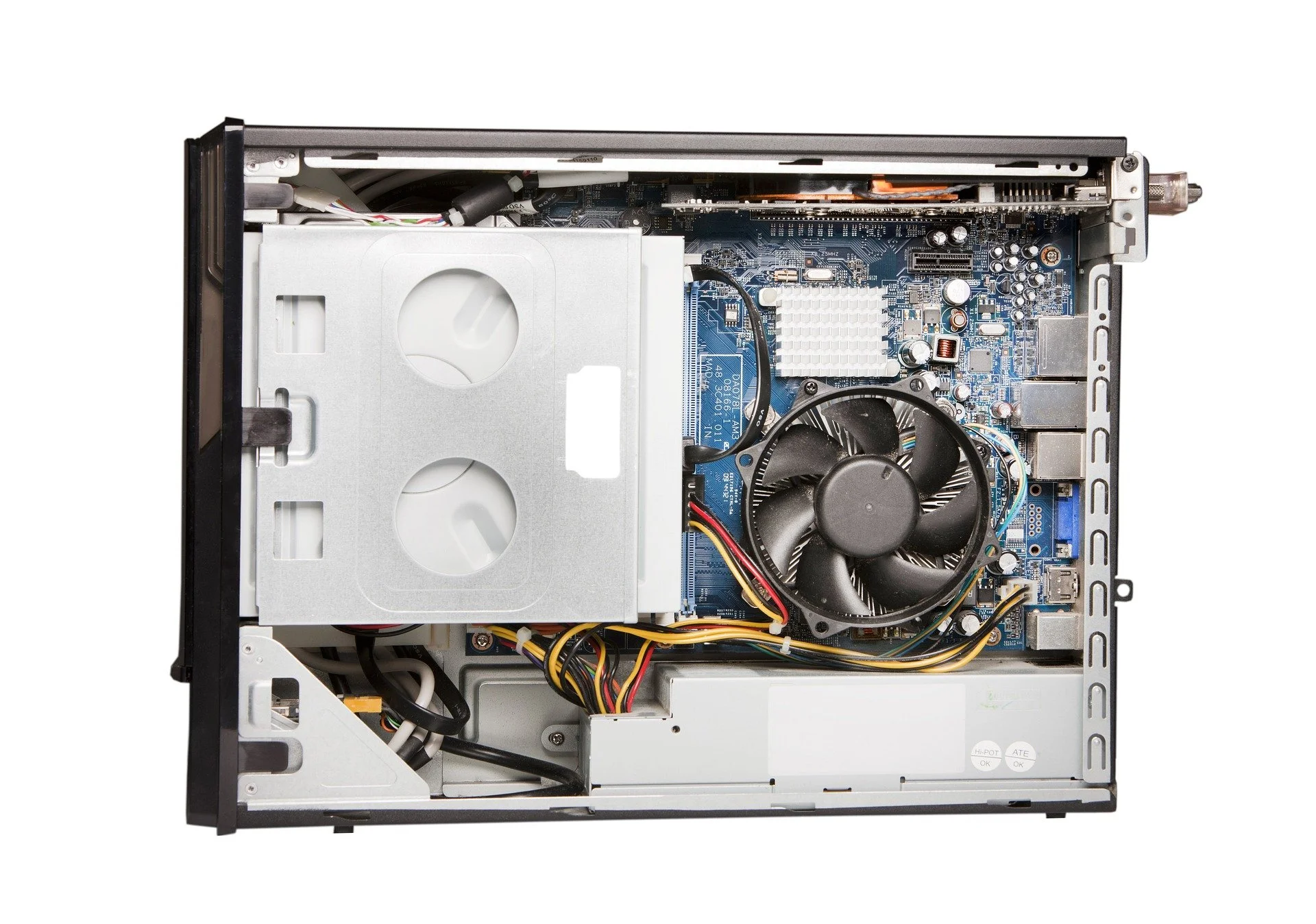
Image Credit: Pixabay/andreas160578
Hardware prices creeping up usually get blamed on inflation or short term shortages. This time, the pressure is coming from somewhere else entirely, and it is aimed straight at memory.
The Real Bottleneck Is Not GPUs This Time
When gamers think shortages, they think graphics cards. Right now, memory is the real choke point.
RAM and storage are the foundation of every modern system. PCs, consoles, handhelds, laptops, even phones all depend on the same supply chain. That supply chain is being redirected.
Why AI Demand Hits Gamers First
AI workloads do not need consumer friendly parts. They need massive amounts of fast memory, all the time.
Manufacturers make more money selling high margin memory to data centers than selling affordable kits to gamers. So production shifts where the money is.
Gamers are not competing with other gamers anymore. They are competing with server farms.
Why Prices Spiked So Fast
This is not a slow trend.
Memory pricing jumped because suppliers changed priorities, not because factories shut down. Capacity exists, but it is being reserved.
Once contracts lock in large volumes for AI use, consumer parts become scarce overnight. Scarcity drives prices up fast.
The Console Problem Nobody Likes Talking About
Consoles are built around fixed hardware costs. Memory is one of the biggest ones.
When memory prices rise, console makers either eat the cost or pass it on. We are already seeing which option they prefer.
Future consoles launching at higher prices is no longer speculation. It is a direct consequence of memory uncertainty.
PC Gaming Feels It Even Harder
PC builders get hit from every angle.
RAM costs more. SSDs cost more. GPUs cost more because their memory costs more. Even prebuilt systems are trimming specs to stay affordable.
The classic mid range PC is getting squeezed out. What used to be normal is starting to look premium.
Budget Hardware Is Moving Backward
The quiet downgrade is already happening.
Lower end devices are shipping with less memory again. That means worse multitasking, shorter lifespans, and faster obsolescence.
For gamers on a budget, this hurts more than raw price increases.
Why This Won’t Fix Itself Soon
AI infrastructure spending is still accelerating.
As long as data centers offer guaranteed returns, consumer hardware stays second priority. Even if prices stabilize, they are unlikely to drop back to previous lows.
This is a structural shift, not a temporary spike.
What This Means for Gamers Going Forward
Expect these trends to stick around.
Higher entry costs for PC gaming
Consoles pushing premium pricing sooner
Fewer good budget builds
Slower hardware upgrades
The gap between high end and affordable gaming keeps growing.
Final Blurb
AI is not just changing software. It is reshaping the hardware market in ways that quietly sideline gamers.
When memory becomes a data center resource instead of a consumer one, affordable gaming becomes harder to sustain. And right now, nothing suggests that pressure is easing anytime soon.