Diablo 4 Astaroth Boss Fight Guide: Location & How To Beat
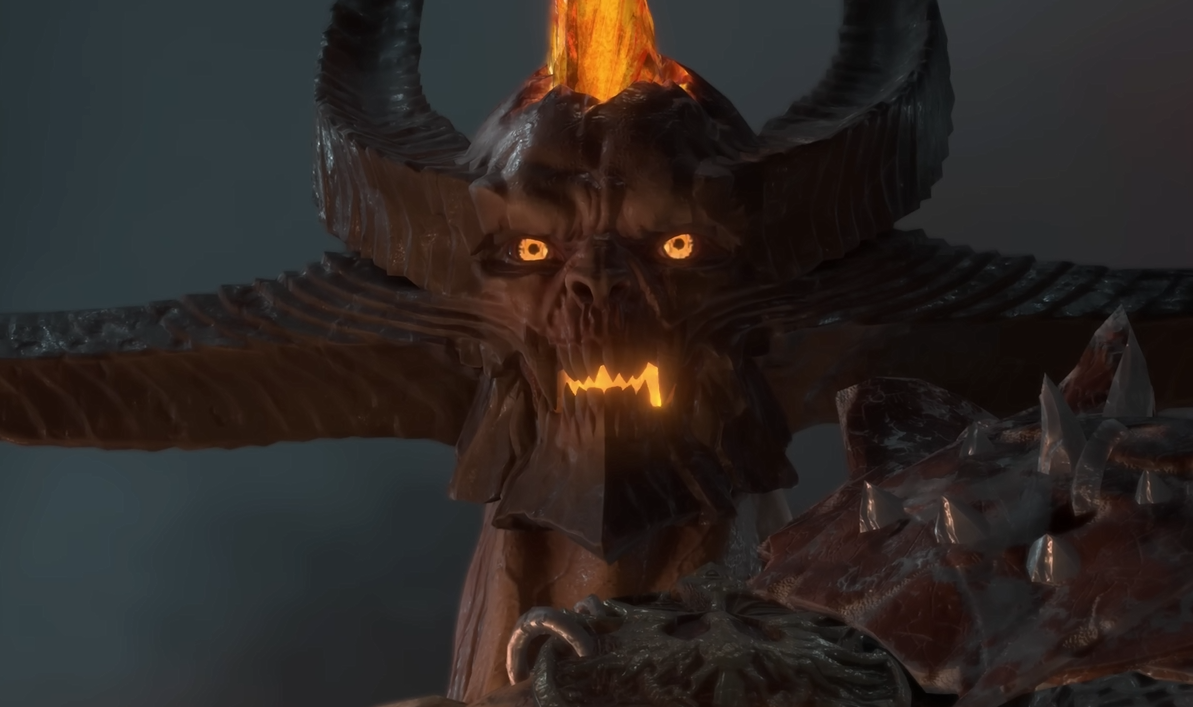
Astaroth in Diablo 4 Season 13 is the Escalating Nightmare boss, and the biggest search problem is finding where the fight actually happens. Astaroth is not a normal fixed lair boss on the map. He is reached through an Escalating Nightmare chain, then fought after the final dungeon sends the player into Astaroth’s Lair.
For more boss loot tables, farming routes, and Diablo 4 progression guides, use the Diablo 4 guides hub.
Jump To
Astaroth Location In Diablo 4 Season 13
Astaroth is located at the end of an Escalating Nightmare chain in Diablo 4 Season 13, not inside a normal fixed boss lair that can be walked to from the open world.
To reach Astaroth, activate an Escalation Sigil, clear the Escalating Nightmare dungeons, and continue through the chain until the final dungeon sends the character to Astaroth’s Lair. This is why the boss can feel confusing to find. The location is connected to the Escalating Nightmare route, not a permanent map marker like a standard Lair Boss entrance.
On Torment 1 or higher, finishing the third dungeon in the Escalating Nightmare chain can send the run into the Astaroth fight. That makes the correct “location” answer more about the access path than the region. The boss is reached by completing the escalation, not by searching the map for Astaroth’s door.
This distinction matters because wasting time looking for a static lair entrance will not help. The route starts with the Escalation Sigil, continues through the dungeon chain, then ends with the Astaroth encounter.
How To Fight Astaroth In Diablo 4 Season 13
To fight Astaroth in Diablo 4 Season 13, use an Escalation Sigil, complete the Escalating Nightmare chain, and clear the final dungeon on Torment 1 or higher to reach Astaroth’s Lair.
This is not a normal boss farm where the only step is entering a lair and spending keys. The run before Astaroth is part of the challenge because Escalating Nightmare affixes can shape the final fight. Bad affix combinations can make the arena feel much more dangerous once Astaroth and the Amalgam of Rage start layering fire attacks over the floor.
The fight itself has 3 major phases. First, Astaroth rides the Amalgam. Second, Astaroth fights alone while the Amalgam’s body limits the arena. Third, the Amalgam revives and the fight becomes a dual boss encounter where both need to be brought down together.
Astaroth is also connected to Season 13 endgame farming because the fight can reward strong gear and specific Unique targets. For Warlock players chasing boss drops, the Diablo 4 Litany of Sable guide covers the Dread Claws dagger tied to Astaroth farming.
Best Prep Before Fighting Astaroth
The best prep for Astaroth is bringing a trusted build with strong survivability, reliable movement, and enough damage control to handle overlapping fire hazards.
Astaroth is not a fight that rewards standing still and pretending the floor is someone else’s problem. Fire beams, meteors, pools, charge lanes, tracking hazards, and jump markers all punish greedy positioning. A build that can move, recover, and keep damage going while repositioning has a much cleaner time.
Defensive layers matter because the final phase adds pressure from both Astaroth and the Amalgam at the same time. Resistances, mitigation, sustain, and panic buttons should feel comfortable before the boss starts. If the Escalating Nightmare chain already feels rough, Astaroth usually exposes the weak point even harder.
I would treat the dungeon chain as a readiness check. If the build clears the escalation smoothly, the boss is much more manageable. If every elite pack before Astaroth feels like a tax audit with fire effects, the boss is probably going to be ugly.
Phase 1: Mounted Astaroth
Phase 1 begins with Astaroth mounted on the Amalgam of Rage, and the main goal is to avoid frontal fire pressure while damaging the mounted pair from safer angles.
The Amalgam’s triple fire beams are the main reason to stay away from the front. The attack fires forward and can rotate slightly, so standing near the mouth of the boss is asking for a quick lesson in poor life choices. Side angles are much safer when the attack starts.
Astaroth can also swing his staff in a wide arc. The swipe is dangerous on its own, but the follow up is the part that catches sloppy movement. The attack leaves behind 3 fireballs that detonate into smaller projectiles shortly afterward, so do not dodge the first hit and instantly walk back into the leftover danger.
The hound also jumps around the arena, with smoky circles marking where it will land. Meteors add red landing zones from above. Phase 1 rewards calm repositioning. Move out, keep damage going when safe, and avoid getting baited into long stationary casts during overlapping markers.
Phase 2: Astaroth Alone
Phase 2 begins after the Amalgam is brought down, forcing Astaroth to fight alone while the center of the arena becomes restricted by the Amalgam’s recovering body.
This phase changes the spacing of the fight. The arena feels smaller because the Amalgam’s body occupies the middle, so edge movement becomes more important. Astaroth adds fire waves, fire pools, and charge lanes that can punish players who drift into corners without a plan.
Fire Wave moves around the outer ring, which means the edge is not automatically safe. Fire pools appear near the arena edge, but there is always space to move. The trick is recognizing the safe lane early instead of waiting until the floor looks like a bad cooking accident.
Flame Charge sends Astaroth forward and leaves 3 straight fire paths. The correct response is simple: leave the lane first, then resume damage. This phase is where patience beats greed because the arena is smaller and mistakes chain together faster.
Phase 3: Dual Boss Fight
Phase 3 begins when the Amalgam revives and rejoins Astaroth, turning the fight into a dual boss encounter where both enemies need to be killed at roughly the same time.
This is the real check of the fight. Astaroth keeps using his later phase mechanics while the Amalgam adds movement pressure, jumps, and fire attacks from another angle. The arena opens up again, but the player’s attention is split between 2 bosses.
The important rule is the Amalgam revive behavior. If the Amalgam is killed too early, it begins reviving. That means the final phase should not be played like a normal add fight where the smaller target gets deleted first. Damage should be balanced so both health bars reach the end together.
The best rhythm is rotating around the arena while watching both health bars. If Astaroth is higher, focus him. If the Amalgam is higher, swap back. Save burst for when both are low enough to finish together. This phase is less about panic damage and more about keeping the fight under control long enough to end it cleanly.
Astaroth Attack List
Astaroth’s fight is built around fire damage, ground markers, delayed projectiles, tracking hazards, and arena control.
| Attack | How It Works | Best Response |
|---|---|---|
| Triple Fire Beams | The Amalgam fires 3 frontal beams and can rotate slightly. | Stay away from the front of the boss. |
| Staff Swipe | Astaroth swings in a wide arc in front of him. | Watch the wind up and step out before the swing lands. |
| Fire Orbs | The staff swipe leaves 3 fireballs that explode into smaller projectiles. | Do not move back into the area immediately after dodging the swipe. |
| Jump Attacks | The Amalgam leaps to smoky marked spots in the arena. | Move out of smoky circles quickly. |
| Meteors | Fireballs fall from the sky with red landing markers. | Keep moving and avoid standing in red zones. |
| Drifting Shade | A tracking orb follows the player and creates a dangerous pool on contact. | Kite it away and avoid touching it. |
| Fire Wave | A flame wave moves around the outer ring during Phase 2. | Keep moving and avoid getting trapped near the edge. |
| Fire Pools | Pools appear around the edge of the arena. | Watch the floor and rotate into the safe space. |
| Flame Charge | Astaroth charges and leaves 3 straight fire paths. | Move out of the lanes before attacking again. |
The most dangerous moments usually come from overlapping attacks. A meteor is easy by itself. A meteor during a shade chase while the Amalgam jumps and Astaroth cuts the arena with fire lanes is where the fight starts asking for real discipline.
Best Strategy To Beat Astaroth
The best strategy to beat Astaroth is to avoid frontal fire, save mobility for overlapping hazards, respect Phase 2 arena space, and balance Astaroth and the Amalgam’s health in Phase 3.
In Phase 1, fight from the side or rear whenever possible. The front angle is dangerous because of the triple fire beams and staff pressure. Damage is important, but surviving cleanly into Phase 3 matters more than forcing a few extra seconds of uptime early.
In Phase 2, keep movement controlled. The arena is tighter because of the Amalgam’s body, and the outer ring can become dangerous from fire waves and pools. Move early, avoid corners, and do not let Astaroth force the build into a bad lane.
In Phase 3, balance damage. This is the biggest difference between a clean kill and a messy wipe. If the Amalgam is too low, stop hitting it and focus Astaroth. If Astaroth is too low, swap back to the Amalgam. The goal is finishing both together before the revive behavior creates more work.
Astaroth Co Op Tips
In co op, Astaroth is easier when the group calls target swaps and keeps both bosses close in health during the final phase.
The most common co op mistake is everyone attacking whichever boss is closest. That can drop the Amalgam too early and trigger the revive problem. A cleaner group assigns focus and swaps targets when one health bar gets too far ahead.
Players being chased by Drifting Shade should kite it away from the group. Dropping the pool in the middle of the team makes every other mechanic worse, especially when meteors and fire lanes are already forcing movement.
Revives should be handled carefully. Clear the immediate hazard first, then revive. Trying to revive inside active fire is a great way to turn one mistake into a group project nobody asked for.
For broader endgame route planning, the Diablo 4 War Plans guide covers co op progress, activity routes, boss farming, and rewards in Season 13.
Astaroth Rewards In Diablo 4 Season 13
Astaroth can drop Ancestral gear, Uniques, and has a chance at Mythic Unique rewards, making the fight a valuable endgame gear source in Season 13.
The reward value is one reason the boss is worth learning instead of brute forcing. Astaroth sits at the end of an Escalating Nightmare chain, so a clean clear means the dungeon route and boss payoff both come together.
For a wider look at which bosses are worth farming, the Diablo 4 Season 13 boss loot table lists the Unique drops across Season 13 bosses so Astaroth can be compared against other target farms.
Astaroth is also relevant for Warlock Unique farming. Current Warlock drop information connects Astaroth with Litany of Sable, which makes him especially important for Dread Claws and Shadowform setups. That link is not just trivia. It changes why Warlock players may want to farm this fight beyond general loot.
For another Warlock target farm, the Diablo 4 Night Terror guide covers the Andariel drop route for the Abyss focused amulet.
Common Astaroth Mistakes
The biggest Astaroth mistake is treating the fight like a simple damage race. The boss has too many area hazards and phase rules for pure greed to work cleanly.
Standing in front of the Amalgam is another common problem. The triple fire beams make the front angle dangerous, and the slight rotation can catch players who think they are barely safe.
In Phase 2, the mistake is getting boxed in by the reduced arena and outer fire pressure. Movement should stay calm and circular instead of panic dodging into the next fire pool.
In Phase 3, the big mistake is killing the Amalgam too early. Both bosses need to be brought down together. If one health bar gets far ahead of the other, swap targets and fix the balance before committing burst.
| Mistake | Better Play |
|---|---|
| Looking for a normal Astaroth lair entrance | Use an Escalation Sigil and finish the Escalating Nightmare chain. |
| Standing in front of the Amalgam | Fight from safer side angles when possible. |
| Moving back into fire orbs too early | Wait for the delayed projectiles after the staff swipe. |
| Touching Drifting Shade | Kite it away and avoid spawning pools in useful space. |
| Killing the Amalgam too early | Balance damage and finish both bosses close together. |
| Ignoring Escalating Nightmare affixes | Expect the final boss to be shaped by the dungeon chain before it. |
For Barbarian Unique farming, the Diablo 4 Gohr’s Devastating Grips farm guide covers where the gloves drop, how to target farm them in Season 13, and when they are worth chasing.
Final Blurb
Astaroth is located at the end of an Escalating Nightmare chain, which makes him different from normal fixed lair bosses in Diablo 4 Season 13. The correct route is using an Escalation Sigil, clearing the chain, and reaching Astaroth’s Lair after the final dungeon.
The fight itself is a 3 phase movement and damage control check. Avoid the front of the Amalgam, respect delayed fire projectiles, manage the smaller Phase 2 arena, and balance both bosses in the final phase. Astaroth punishes greedy damage, but the fight becomes much cleaner once the location, access path, and health balancing rule are understood.