Diablo 4 War Plans Guide: Co Op, Rewards, And Routes
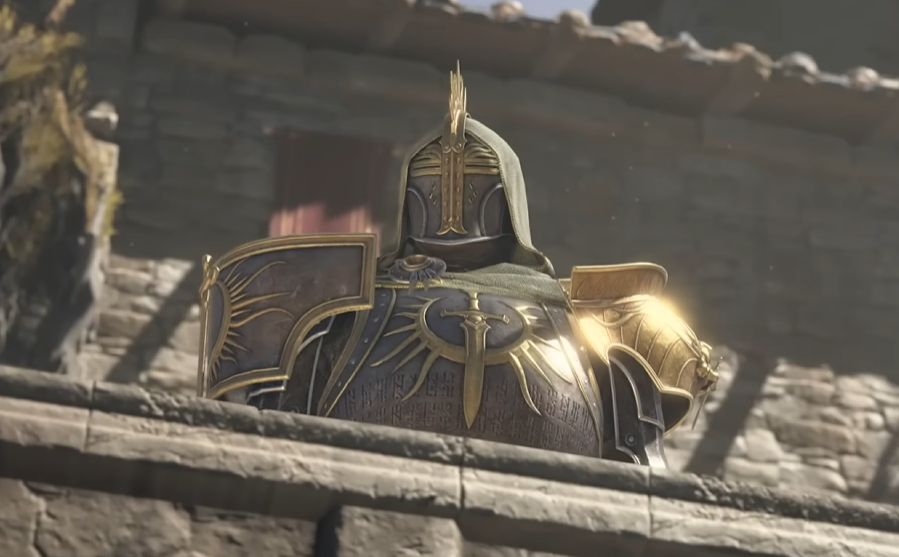
War Plans in Diablo 4 are a Lord of Hatred endgame system that turns familiar activities into a planned route with extra rewards, Activity Experience, and long term Activity Skill Tree progress. The system is strong for solo progression, but co op and multiplayer have a few important limits that can make group play feel messy if the party does not plan first.
For more Season 13 systems, boss loot, farming routes, and build help, use the Diablo 4 guide hub.
Jump To
What War Plans Are In Diablo 4
War Plans are customizable endgame playlists in Diablo 4 that let players chain selected activities together, complete them in order, earn rewards, and gain Activity Experience for Activity Skill Trees.
The clean way to understand War Plans is that they are not a brand new dungeon type. They are a planning layer placed over Diablo 4's existing endgame. Instead of picking one activity, finishing it, then staring at the map again, the Command Table lets a route be built from activities like Nightmare Dungeons, Helltides, Kurast Undercity, Lair Bosses, Infernal Hordes, The Pit, and Tree of Whispers.
The value comes from direction. War Plans take the usual endgame loop and give it a sequence, a reward focus, and a progression system connected to the activities being completed. That is useful because Diablo 4 has plenty to do, but plenty to do does not always mean the next best step is obvious.
I would treat War Plans as a route builder first and a loot system second. The final rewards are nice, but the real advantage is making every endgame session point toward a goal instead of bouncing between activities because the map is yelling in 6 different fonts.
War Plans become much stronger once the right activity trees are prioritized. The Diablo 4 War Plans best build guide explains which tree setups and route choices are worth using first.
How To Unlock War Plans
War Plans unlock after completing the Lord of Hatred campaign and gaining access to the Command Table in Temis, the main city of Skovos.
After the campaign, War Plans become part of the endgame flow. The Command Table is where the route is created, where activities are selected, and where the War Plan begins to take shape. From there, the goal is to choose activities that match the character's current upgrade problem.
That last part matters. A fresh endgame character usually needs steady progression, safe clears, glyph work, and reliable rewards. A stronger character can start leaning into harder content, boss routes, and deeper Activity Tree investment. Difficulty tier choice plays directly into this, since higher tiers improve reward value but only when the build can clear efficiently. The Diablo 4 difficulty settings guide covers how the difficulty system works and when to raise or lower the setting based on clear speed and farming goals.
War Plans are not something to build around before reaching the expansion endgame. They are an endgame system, so campaign completion comes first. After that, the Command Table becomes one of the main tools for deciding what the next farming session should look like.
How War Plans Work
War Plans work by making players select a sequence of endgame activities, then complete those activities in order for War Plan progress, activity rewards, Activity Experience, and final War Chest rewards.
Order is the part that causes the most problems. If the War Plan lists Helltide first and Nightmare Dungeon second, doing the Nightmare Dungeon first does not complete that War Plan step. The game is checking the next objective, not just checking whether the activity exists somewhere in the route.
This changes how endgame farming should be approached. Normal farming lets a player jump around freely. War Plans reward a clean sequence. A good route stacks activities that already support the current goal, while a bad route turns the session into scattered errands with a chest at the end.
War Plans can also give different reward levels and activity rewards depending on the selected nodes. Small, medium, large, and grand style reward amounts help show which activities are worth prioritizing for the run. The best route is rarely "whatever is hardest." It is the route that the build can finish quickly while still pushing the right progression system.
War Plan Activities And What They Are Best For
War Plans pull from the major Diablo 4 endgame activities, and each one has a different reason to be chosen.
The best activity depends on the character's bottleneck. Nightmare Dungeons are more useful when glyphs or dungeon progression are holding the build back. Lair Bosses are better when the target is boss loot or specific Unique farming. Helltides are smoother for open world farming, materials, density, and overlapping objectives. The Pit is better when the goal is testing damage, defense, and build readiness.
| War Plan Activity | Best Use |
|---|---|
| Nightmare Dungeons | Glyph progression, dungeon farming, steady XP, and build testing in dungeon content. |
| Helltides | Open world farming, materials, enemy density, events, and reward overlap. |
| Kurast Undercity | Targeted reward farming and route based activity rewards. |
| Lair Bosses | Boss loot, Unique chasing, targeted drops, and boss focused farming. |
| Infernal Hordes | Wave based farming, chest rewards, and pressure testing. |
| The Pit | Build testing, difficulty pushing, damage checks, and survivability checks. |
| Tree of Whispers | Extra reward overlap and progression when Whispers line up with the route. |
A good War Plan starts with the question the build is actually asking. Need glyph progress? Start with Nightmare Dungeons. Need Uniques? Work toward Lair Bosses. Need materials and general farming? Helltides and Undercity style routes make more sense.
Lair Boss routes also connect directly to key farming, since boss access and Hoard rewards can become the main bottleneck once the build starts chasing targeted drops. The Diablo 4 Greater Lair Keys guide covers how that key ladder works and when Greater Lair Boss routes are worth building around.
Activity Skill Trees And Activity Points
Activity Skill Trees are the long term progression layer of War Plans, with Activity Experience turning into points for the specific activity type being completed.
Each major activity has its own progression path. Completing War Plan activity steps gives Activity Experience for that activity. Once enough progress is earned, Activity Points can be spent in the matching Activity Skill Tree to change how future runs work, what rewards show up, or how that activity develops inside the War Plans system.
This is what makes War Plans more than a checklist. Repeatedly choosing the same activity type can improve that activity over time. A player who keeps choosing Nightmare Dungeons is building that path. A player who keeps choosing Helltides is building that path instead.
The practical choice is focus. Spreading progress across every activity tree can be fine over a long season, but early on, focused progress usually feels better. Pick the activity trees connected to the content being farmed most often, then branch out once the first route starts paying off.
War Plan Rewards And War Chest Value
War Plan rewards come from the activities themselves, the activity nodes selected, Activity Experience, and the War Chest payout after the full route is completed.
The War Chest is the final reward moment after completing the full plan. Its payout depends on the selected route, activity types, and reward focus. This is why route choice matters. A plan built around boss farming should not be judged the same way as a plan built around glyph progress or general materials.
The best reward strategy is to match the plan to the upgrade goal. Boss routes should feed item hunting, especially when the target is a specific Unique from a known boss pool. The Diablo 4 Season 13 boss loot table helps with that planning because it keeps the boss farm focused before the War Plan route is built. Nightmare Dungeon routes should support glyph progress. Helltide and Undercity style routes can help when materials, density, or general farming are the priority.
War Plans are strongest when they stack value. The activity itself gives rewards, the Activity Tree gets progress, and the completed plan gives a final payout. Season Blessings stack on top of that same loop — Urn of Masterworking improves Obducite from boss routes, Urn of Glyphs supports Nightmare Dungeon sessions, and Urn of Ancestral Whispers adds value when Whispers are part of the route. The Diablo 4 Season 13 Season Blessings guide covers the best Smoldering Ashes order for players building around endgame activity loops.
Those rewards can also feed into crafting once the build starts needing better item bases, Uniques, materials, or final gear upgrades. The Diablo 4 Horadric Cube guide explains how those drops connect to Transfigure Item, Unique Power Rerolls, and other endgame crafting choices. The Diablo 4 affix categories guide also helps when deciding which stats on new drops are worth keeping before spending Tuning Prisms.
War Plans Co Op And Multiplayer Explained
War Plans can be completed with other players, but War Plan progress does not automatically sync across the party, so co op groups need matching next objectives if everyone wants clean personal War Plan credit.
This is the main multiplayer issue. Diablo 4 still lets a party run the activities together, but each player's War Plan route is personal. If the party leader needs Infernal Hordes and another player needs Helltide as their next step, running Infernal Hordes can help the leader's plan while the other player may only get activity rewards and Activity Tree progress.
That makes War Plans feel different from normal group farming. In normal play, the group can pick one activity and go. In War Plans, the party has to care about order. If the next step does not match, the activity can still be useful, but it may not move everyone's War Plan forward.
The best multiplayer workaround is coordination before starting. Compare each player's next objective, reroll or choose overlapping plans when possible, and let the best matched player lead. It is not perfect, but it avoids the worst version of the system, where everyone finishes a run and only one person's board looks happy.
| Co Op Situation | What Happens |
|---|---|
| Everyone has the same next activity | The group can progress cleanly together. |
| Only the leader has the activity next | The leader gets War Plan step credit, while others may still get activity rewards and Activity Tree progress. |
| A player completes an activity out of order | It does not count for that player's current War Plan step. |
| Everyone has different routes | The group can still play, but War Plan progress becomes uneven. |
For pure co op players, War Plans are useful but awkward. The system works best when the party treats it like a shared planning session before the first activity, not something to figure out after the route has already started.
Best War Plans Progression Strategy
The best War Plans progression strategy is to level activities through War Plans whenever the route already matches the character's current goal.
Running activities outside War Plans can still make sense. If the build urgently needs glyph levels, boss drops, or a specific material route, normal farming can be worth doing. The mistake is ignoring War Plans entirely when the same activity could also be giving War Plan progress, Activity Experience, and final chest value.
Early on, safe routes are usually better than greedy routes. A clean Helltide into Nightmare Dungeon route that gets finished is better than a high pressure plan that stalls halfway through. Completion matters because the full War Plan payout is connected to finishing the chain.
Rare event access should be treated the same way. Echoing Hatred is better saved for a build that can actually survive escalating pressure, so War Plans can help shore up gear and rewards before spending a Trace of Echoes. The Diablo 4 Echoing Hatred guide covers how that event works and why build readiness matters before entering.
I would use the first few War Plans to build stable progress instead of chasing perfect optimization. Once Activity Skill Trees open up more options, routes can become more specialized.
Best War Plan Routes By Goal
The best War Plan route depends on the current goal, not on one universal meta answer.
Fresh endgame characters usually want routes that are easy to complete and useful for basic progression. Stronger characters can add harder activities, boss heavy paths, and more demanding content. The route should grow with the character instead of pretending every build is ready for the same punishment.
| Goal | Suggested Route Logic |
|---|---|
| General Early Progression | Helltides, Whispers overlap, and Nightmare Dungeons. |
| Glyph Progression | Nightmare Dungeons first, then supporting activities the build can clear quickly. |
| Boss Loot | Lair Bosses with Helltides or Kurast Undercity support around the route. |
| Build Testing | The Pit, Nightmare Dungeons, and Infernal Hordes. |
| Material Farming | Helltides, Kurast Undercity, and Infernal Hordes. |
| Co Op Progression | Activities that overlap between party members' next War Plan steps. |
For early Season 13 progress, consistency wins. Helltides, Whispers overlap, and Nightmare Dungeons make a strong base because they give familiar content, useful rewards, and fewer build checks than harder routes.
For boss farming, Lair Bosses make sense once the character can handle the fights and has the needed access. This is where targeted item hunts become important. A player chasing a Warlock Unique like Litany of Sable should build around boss access and supporting rewards instead of bouncing through random activities with no target. The Diablo 4 Litany of Sable guide covers that dagger's drop location and why it matters for Dread Claws builds.
Boss routes also make sense for Abyss Warlock upgrades. The Diablo 4 Night Terror guide covers the Andariel drop location for the Warlock Unique amulet and why it matters for Shadowform and Stealth setups.
Season 13 boss planning also makes Astaroth worth knowing before building a route around Lair Bosses and targeted fights. The Diablo 4 Astaroth boss fight guide covers where to find Astaroth, how the fight works, and how to beat him without wasting a boss route on a messy pull.
For casual play, the best route is the one that keeps the character moving without needing constant setup. Helltides plus Whispers plus Nightmare Dungeons is a clean base because it mixes density, progress, and familiar content. It is not flashy, but neither is failing a route and pretending it was a scientific test.
Common War Plans Mistakes
The biggest War Plans mistake is ignoring the order. Activities must be completed in the listed sequence to count for War Plan progress. Doing the right activity at the wrong time can still give rewards, but it does not move the current step forward.
Another common mistake is assuming co op progress syncs automatically. It does not. Party members need matching next objectives for clean shared War Plan progress. Otherwise, some players may get activity rewards while their actual War Plan stays exactly where it was.
Route choice is another problem. Picking random activities makes the system feel worse than it is. War Plans are strongest when they solve a current need, like glyph progress, boss loot, materials, or build testing.
Downtime between routes can also be used better. If the plan is finished and the group is waiting around, side systems can fill the gap without forcing another endgame route immediately. The Diablo 4 fishing guide explains how fishing works, where the NPC is, and what rewards are connected to that side loop.
| Mistake | Better Play |
|---|---|
| Doing activities out of order | Follow the War Plan sequence exactly. |
| Assuming co op progress syncs | Match next objectives before starting as a group. |
| Picking random activities | Choose routes based on the upgrade goal. |
| Taking routes the build cannot clear | Use safer plans until gear, damage, and defense are stronger. |
| Spreading Activity Points too thin | Prioritize the trees connected to the content being farmed most often. |
Diablo 4 War Plans Quick Answers
| Question | Answer |
|---|---|
| What are War Plans? | Endgame playlists that chain selected Diablo 4 activities into a planned route. |
| How do War Plans unlock? | They unlock after the Lord of Hatred campaign through the Command Table in Temis. |
| Do War Plans have to be completed in order? | Yes, the listed activity order matters for War Plan credit. |
| Can War Plans sync in co op? | No, War Plans do not automatically sync between party members. |
| Can friends still help? | Yes, friends can still run activities together, but personal War Plan progress depends on each player's own next objective. |
| What activities can appear? | Nightmare Dungeons, Helltides, Kurast Undercity, Lair Bosses, Infernal Hordes, The Pit, and Tree of Whispers. |
| What is the best War Plan route? | The best route depends on the goal, such as glyphs, boss loot, materials, build testing, or co op overlap. |
Final Blurb
War Plans in Diablo 4 are strongest when they are treated like an endgame route planner. Pick activities that match the character's current goal, complete them in order, and spend Activity Points into the trees that support the content being farmed most often.
The co op side is the awkward part. War Plans can be played with friends, but they do not sync cleanly across a party, so multiplayer groups need to coordinate next objectives before starting. For solo progression, War Plans give the endgame a cleaner path. For groups, they work best when everyone checks the board first instead of finding out 20 minutes later that only one person's plan moved forward. Very strategic. Very Diablo. Mildly rude to group chat morale.