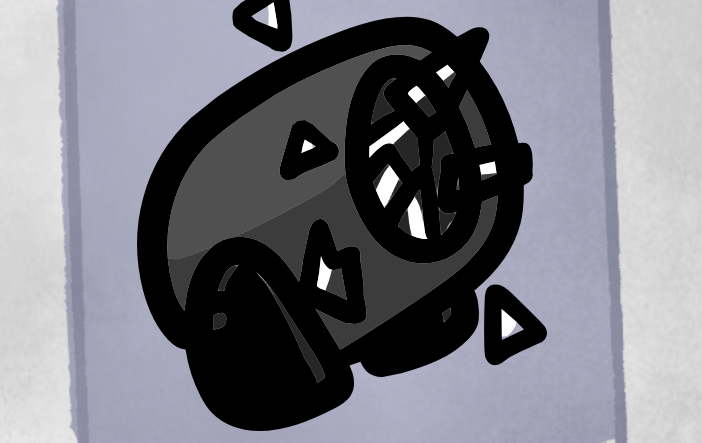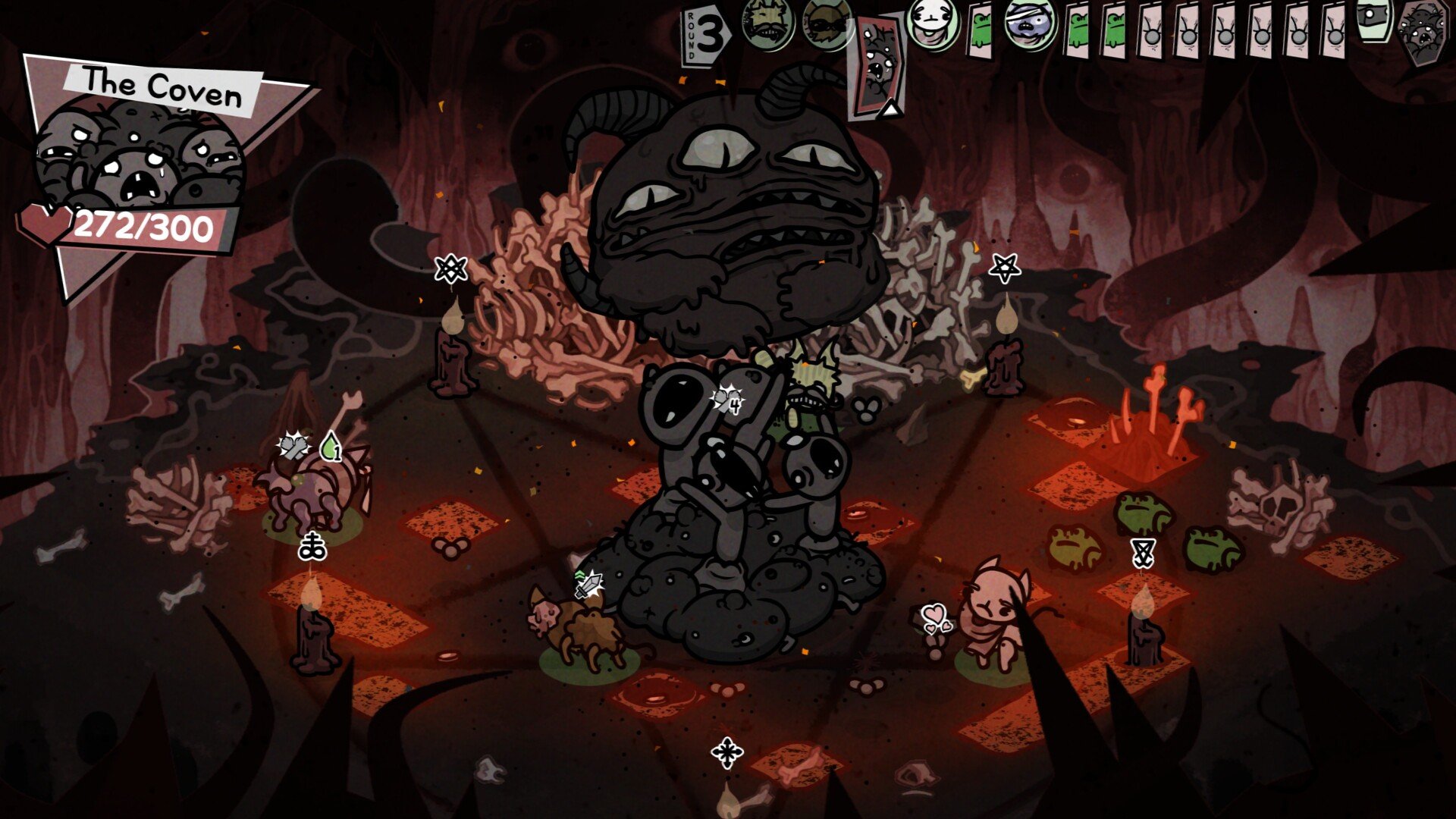
Knockback in Mewgenics determines how many tiles a unit is pushed. Knockback damage is the extra damage dealt when a unit collides with a wall, another unit, or an object during that push. Chain knockback refers to situations where a knocked unit continues interacting with other units, creating a pinball effect.
If you have seen cats bouncing across the board and taking extra damage, that is knockback and collision damage stacking together.
What Knockback Means
Knockback is distance.
If an ability has Knockback 1, the target is pushed back 1 tile. If it has Knockback 5, the target is pushed back 5 tiles unless something blocks them.
Tanks typically start with Knockback 1 on their basic attack. That means enemies hit by their basic attack are pushed back 1 tile.
Knockback alone does not add extra damage. It only controls movement.
What Knockback Damage Means
Knockback damage is collision damage.
When a unit being pushed collides with:
A wall
Another unit
An object
They take extra damage from the impact.
For example, if a Tank deals 5 damage with a basic attack and has 1 knockback damage, pushing an enemy into a wall would deal:
5 base damage
1 additional knockback damage
If the wall or object has thorns, thorns damage is also applied. That is how damage spikes happen fast.
Knockback damage scales the collision portion, not the original hit.
Does Knockback Damage Affect Rocks
If you push a rock into an enemy, the damage dealt to the enemy comes from the collision.
Increasing knockback damage increases the damage dealt when something collides after being pushed. That means it increases the damage dealt to whatever is hit during the push.
It does not increase the rock’s base damage separately. It modifies the impact damage from collisions.
If your goal is to build a high damage Tank, scaling knockback damage improves wall slams and push interactions.
What Is Chain Knockback
Chain knockback happens when a knocked unit hits another unit and that second unit also gets displaced.
This creates a pinball effect.
For example:
You push Enemy A
Enemy A hits Enemy B
Enemy B gets pushed as well
With certain passives, this interaction can continue across multiple units. That is where multiple bounces and stacked collision damage come from.
Chain knockback is not a separate damage type. It is a result of knockback interactions cascading through multiple entities.
Why Units Die From “Bounces”
When you see multiple damage ticks from one push, it is usually because:
The unit hit a wall
The unit hit another unit
That second unit hit something else
Thorns triggered
On contact effects activated
All of those stack.
If you push a unit across several tiles and they collide more than once, each collision can apply knockback damage again.
That is why positioning matters so much in knockback builds.
How To Use Knockback Properly
If you want to build around knockback:
Position enemies near walls
Line enemies up for chain interactions
Increase knockback damage
Use tight corridors to maximize collisions
If you want to avoid accidental cat concussions:
Do not stand behind enemies being pushed
Avoid tight clumps when enemies have knockback
Watch for thorns interactions
Knockback is one of the strongest positioning tools in the game when used intentionally.
Final Blurb
In Mewgenics, knockback controls how far a unit is pushed, and knockback damage is the extra damage dealt when that unit collides with something. Chain knockback happens when pushed units hit others and continue the displacement. Most of the chaos comes from collision stacking and on contact effects.
If you manage positioning well, knockback becomes a powerful offensive tool instead of accidental feline trauma.
FAQ
What is the difference between knockback and knockback damage?
Knockback determines push distance. Knockback damage applies when a unit collides with a wall, object, or another unit.
Does knockback damage increase rock collision damage?
Yes. It increases the impact damage dealt when something is pushed into another unit.
What is chain knockback?
It is when a pushed unit hits another unit and continues the displacement, creating a chain reaction.