Outbound Review: Cozy Van Life With A Slow Engine
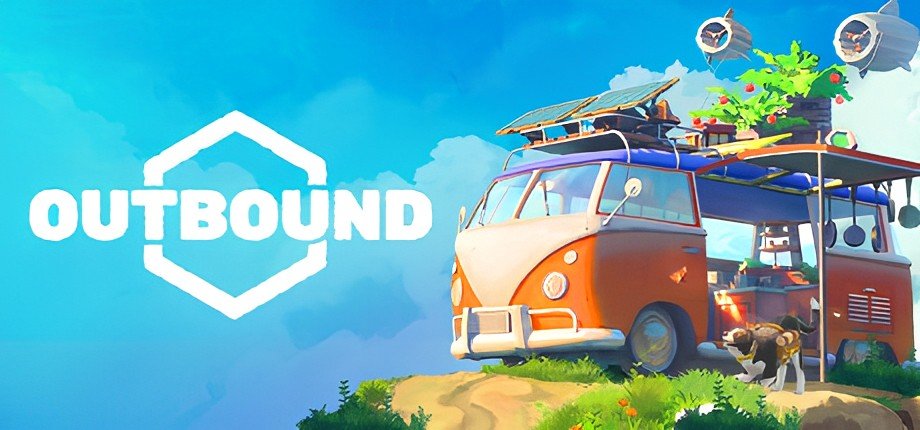
Outbound is a cozy road trip builder that turns vanlife into a relaxing, creative adventure. It takes the simple fantasy of living out of a camper, fills it with crafting, exploring, decorating, and light survival, then lets the whole thing move at a calm pace that fits the mood.
The camper van is the heart of the game, and that is where Outbound works best. Building inside it, expanding around it, placing workstations, decorating small corners, and slowly turning a plain vehicle into a personal mobile base gives the game a strong identity right away. It is cozy without feeling completely empty, and creative without throwing 400 menus at the player just to place a table.
Outbound is not trying to be a harsh survival game, and that is the right call. It is a quiet, low pressure crafting game about making progress, finding useful blueprints, gathering materials, and building a better life on the road. The result is a game that feels easy to settle into, especially for players who like base building more than combat, danger, or constant punishment.
Our Outbound guides hub has practical help for tools, crafting, vehicles, companions, and early progression for players already on the road.
What Outbound Is
Outbound is a cozy survival crafting game built around a camper van that works as both transportation and a mobile base. The main loop is simple: drive to new areas, gather materials, unlock blueprints, build useful stations, improve the van, and continue deeper into the world.
That loop is easy to understand, but it has enough structure to keep the game moving. Blueprint towers give exploration a purpose, materials feed into new upgrades, and the camper slowly becomes more useful as the journey goes on. The game does a good job of giving small goals without making the experience feel stressful.
There are hunger, health, energy, and resource systems, but Outbound keeps them light. That may disappoint players looking for deep survival pressure, but it fits the tone of the game. The point is not to barely survive. The point is to explore, build, and make the camper feel more like home.
That makes Outbound more of a comfort crafting game than a survival challenge. It works best when it is treated that way.
The Van Is The Main Hook
The camper building is the best part of Outbound. The van starts simple, but the game keeps giving reasons to improve it, reorganize it, and make it feel more personal.
Workstations give the van practical value. Decorations give it personality. Storage, crafting tools, and layout choices make the space feel like something being shaped over time instead of just a menu that follows the player around. That is the part of Outbound that feels most distinct from other cozy crafting games.
The game also understands the appeal of a small living space. A cramped van can become a clean little workshop, a cozy mobile home, or a slightly ridiculous stacked build with more structure than any normal camper should legally support. It is silly in the right way.
That creative freedom gives Outbound a lot of charm. The best moments often happen after parking, setting up camp, and seeing how far the camper has come since the start.
Crafting Gives The Road Trip A Steady Rhythm
Outbound’s crafting is simple, but it creates a satisfying rhythm. Gather materials, unlock a blueprint, build something new, and watch the camper become more capable.
Blueprint towers are a smart part of the structure because they make exploration feel connected to progression. The world is not just a place to wander through. It is where new recipes, stations, and upgrades come from. That keeps the road trip moving and gives each outing a purpose.
The crafting itself is not overly complex, and that works for the type of game Outbound is trying to be. Tools, stations, material processing, van upgrades, and storage improvements all feed into the same relaxed loop. It is approachable, clean, and rarely frustrating.
There are places where the system could use more depth. Some tool interactions are very simple, and the survival side does not push hard. Still, the crafting loop works because it supports the real goal: making the camper better and making each new trip feel a little smoother than the last.
Exploration Is Slow, But The Mood Works
Outbound moves slowly, and that will be the dividing line for a lot of players. The van is not fast, the player movement is calm, and the game is clearly built around taking time rather than rushing from objective to objective.
That slower pace mostly fits the cozy road trip tone. Driving through the world, stopping at points of interest, picking up materials, finding new blueprints, and setting up camp creates a nice travel rhythm. It feels closer to a relaxed weekend trip than a survival race.
The world could use more life in places. Some stretches feel quieter than they should, and a few more surprises, interactions, or small bits of environmental storytelling would make the journey stronger. Outbound has a nice world, but it is at its best when the road leads to something memorable.
Even so, the atmosphere carries a lot. The game is calm, pretty, and easy to stay in for a while. It is the kind of experience that works best when played at its own pace instead of treated like a checklist.
The Visual Style Fits The Game Perfectly
Outbound has a soft, colorful visual style that fits the cozy camper fantasy well. The world looks clean and inviting, and the camper becomes more satisfying to look at as it fills with stations, decorations, and little personal touches.
The art direction does a lot of heavy lifting. Parked campsites, quiet roads, scenic stops, and a decorated van all help sell the feeling of being on a gentle road trip. It is not trying to look realistic, and it is better for it. The style keeps everything warm and readable.
The audio has some lovely moments too, especially when the music and ambient nature sounds line up with the scenery. Some longer stretches could use a little more atmosphere, but the overall mood is still relaxing.
Outbound looks and feels like a game meant to be played when the goal is to unwind. On that front, it understands the assignment.
Co Op Makes The Trip Better
Outbound works solo, but co op is where the road trip idea becomes more natural. Having friends help gather, explore, build, and mess around with the camper makes the slower pace easier to enjoy.
The game supports up to 4 players, and that fits the low pressure tone. This is not a game where friends need perfect roles or sweaty coordination. It is more about sharing the same cozy space, helping with materials, and making progress together.
Solo play still works, especially for players who enjoy quiet crafting games. The dog companion also helps by adding extra storage and a bit of warmth to the trip. Still, Outbound’s best version is probably with 1 or 2 friends who want something relaxed to play while talking.
Progress being connected to the host’s world is worth knowing, but it does not ruin the co op experience. It just means groups should pick the host carefully before settling in for a longer session.
What Outbound Does Well
Outbound’s biggest strength is how clearly it understands the appeal of a mobile base. The van is not just transportation. It is the home, workshop, storage space, and creative project all at once.
The game also has a strong sense of comfort. It is calm without being totally aimless, light without being pointless, and friendly without needing to remove progression entirely. The crafting loop keeps the player moving forward, while the cozy tone keeps the experience from becoming stressful.
The best parts are the camper customization, the visual style, the steady blueprint progression, the peaceful exploration, and the small companion touches like the dog. Outbound may be simple, but it is simple in a way that supports its mood.
It is also refreshing to have a crafting game that does not rely on combat to create momentum. Outbound proves that a game can still have a clear loop without filling the world with enemies.
What Could Be Better
Outbound’s main weakness is that some systems could use more depth. The survival meters are light, tool use is simple, and parts of the world could feel more alive. The game is cozy by design, but a few more surprises on the road would make exploration stronger.
The pacing will also be too slow for some players. Anyone expecting a fast adventure or deep survival mechanics may find the experience too gentle. Outbound is not built for that audience. It is built for players who enjoy slow progress, calm crafting, and building a space that feels personal.
There is also room for more world personality. The map has nice sights and useful points of interest, but the road trip would land even better with more environmental stories, more wildlife moments, more small discoveries, or more reasons to linger at certain stops.
Still, these issues do not sink the game. They hold it back from being excellent, but they do not erase what Outbound does well.
Who Should Play Outbound?
Outbound is best for players who enjoy cozy crafting games, mobile base building, slow exploration, and low pressure progression.
It is a strong fit for players who like decorating, organizing, gathering, unlocking new stations, and making a home base feel more personal over time. It is also a good fit for co op players who want something chill to play with friends instead of another game built around stress and combat.
It is not the right pick for players who want deep survival, difficult resource management, constant danger, or a world packed with NPCs and story events. Outbound is much gentler than that.
For the right player, though, that gentleness is the appeal. It is a game about making the trip comfortable, not surviving a disaster.
Final Verdict
Outbound is a charming cozy camper builder with a strong vanlife hook, relaxing progression, and enough creative base building to make the road trip feel worth taking.
The camper is the reason the game works. Building it out, improving it, decorating it, and turning it into a better mobile home gives Outbound a satisfying identity. The road around it can feel a little quiet, and the crafting systems could use more depth, but the core experience still lands because the mood is clear and the progression is pleasant.
This is not a game for players looking for danger or deep survival pressure. It is for players who want to drive, gather, build, decorate, and slowly make a cozy life on wheels. On that goal, Outbound succeeds more often than it misses.
Outbound is not perfect, but it has a strong hook, a lovely atmosphere, and a camper building loop that kept me wanting to improve the van one more time. For cozy crafting fans, that is enough to make the trip worthwhile.
GamerBlurb Score: 8/10
Reviewed by Drew B.