

Path of Exile 2 Druid Wolf Build Guide
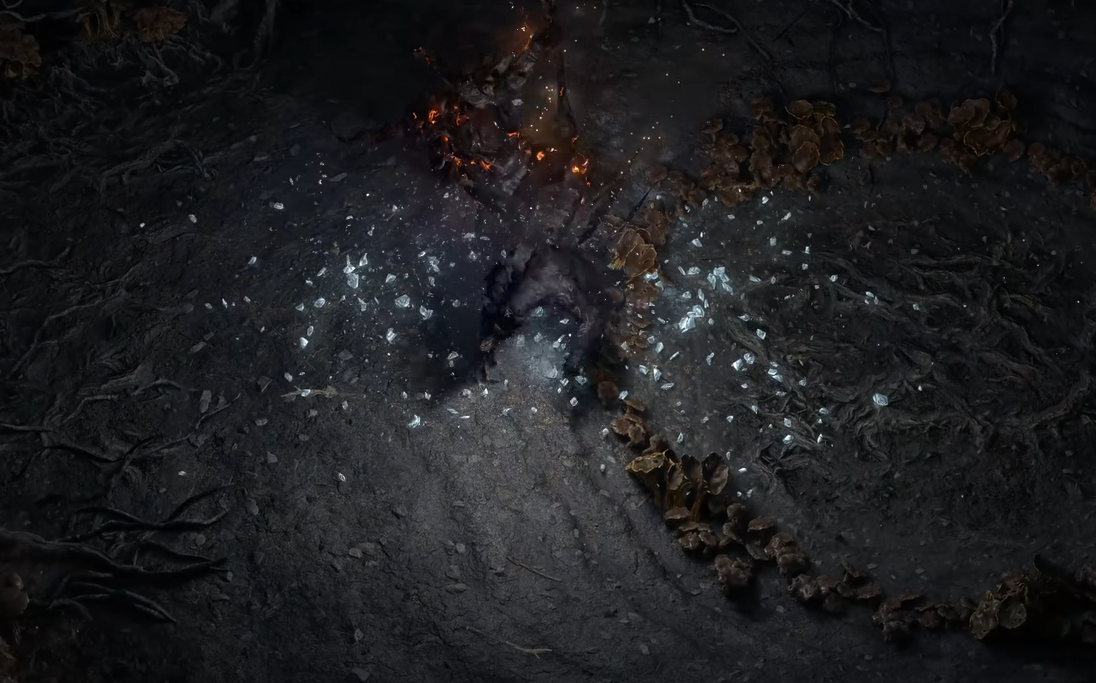
Patch 0.4 gave Wolf Form a clear identity, and this guide explains how a POE2 Druid Wolf build actually functions in real gameplay. This is a clean breakdown of how Wolf Form works, why players use it, and how to build around it safely.
Path of Exile 2 Druid Wolf Build Answer
A Druid Wolf build in Path of Exile 2 focuses on speed, cold damage, and control. You rely on movement based attacks, freezes, and short damage windows rather than standing still and trading hits.
Wolf builds clear quickly, control enemies well, and reward active gameplay.
How Wolf Form Works in POE2
Wolf Form replaces slow positioning with constant motion. Many Wolf skills move you while attacking, which keeps pressure on enemies and reduces incoming damage.
Cold damage is a natural fit. Freezing enemies limits retaliation and creates safe damage windows.
Wolf gameplay is about sequencing actions, not spamming one button.
Core Wolf Playstyle Loop
Wolf combat follows a simple flow.
You engage, apply control, then unload damage before moving again. This loop repeats constantly.
Wolf builds usually emphasize
Movement driven attacks
Cold damage and freeze effects
Short burst windows
Frequent repositioning
Standing still is rarely rewarded.
Common Wolf Skill Roles
Rather than listing a fixed setup, Wolf builds typically use skills that fill these roles.
A movement based engage skill to start fights
A cold damage attack to apply freeze or pressure
A follow up attack that benefits from controlled targets
Optional summoned Wolves for added uptime on bosses
This structure stays flexible as new skills unlock.
Damage Scaling for Wolf Builds
Wolf damage scales best with consistency. Cold damage benefits from freezes and exposure effects, which slow enemies and reduce incoming threats.
Crit scaling becomes more impactful later once gear improves. Early on, flat damage and attack speed matter more.
Mixing elements early usually weakens scaling.
Ascendancy Interaction for Wolf Builds
Wolf builds can function under multiple ascendancies.
Oracle tends to reward long term scaling and elemental interactions. It suits players who enjoy higher payoff later.
Shaman offers smoother pacing and can still support Wolf Form, even if it favors Bear more naturally.
Ascendancy enhances Wolf play, but does not define it.
Gear Priorities for Wolf Form
Wolf builds are gear sensitive, but not gear locked.
Early priorities include
Weapon upgrades with flat damage
Movement speed on boots
Basic defenses and life
Cold focused stats when available
Clean upgrades matter more than perfect rolls.
Strengths of Wolf Druid Builds
Fast clear speed
Strong crowd control through freezes
Active and engaging gameplay
Good early mapping feel
Wolf feels great once movement and control click.
Limitations of Wolf Druid Builds
More buttons than Bear builds
Less forgiving mistakes
Requires attention during fights
Scales harder with gear later
It rewards focus, not autopilot.
Final Blurb
The POE2 Druid Wolf build is about momentum. You move, strike, control, and move again. Cold damage and freezes keep fights manageable while mobility keeps you alive. It is not the tankiest option, but it is one of the most engaging ways to play Druid in Path of Exile 2.
FAQ
Is Wolf Form good for leveling
Yes. It levels quickly, especially in open zones.
Does Wolf require crit early
No. Crit scaling becomes relevant later.
Is Wolf weaker than Bear
No. It trades survivability for speed and control.
Can Wolf use skills from other forms
Yes. Borrowing utility is common.
Is Wolf beginner friendly
It is playable for beginners but rewards practice.
