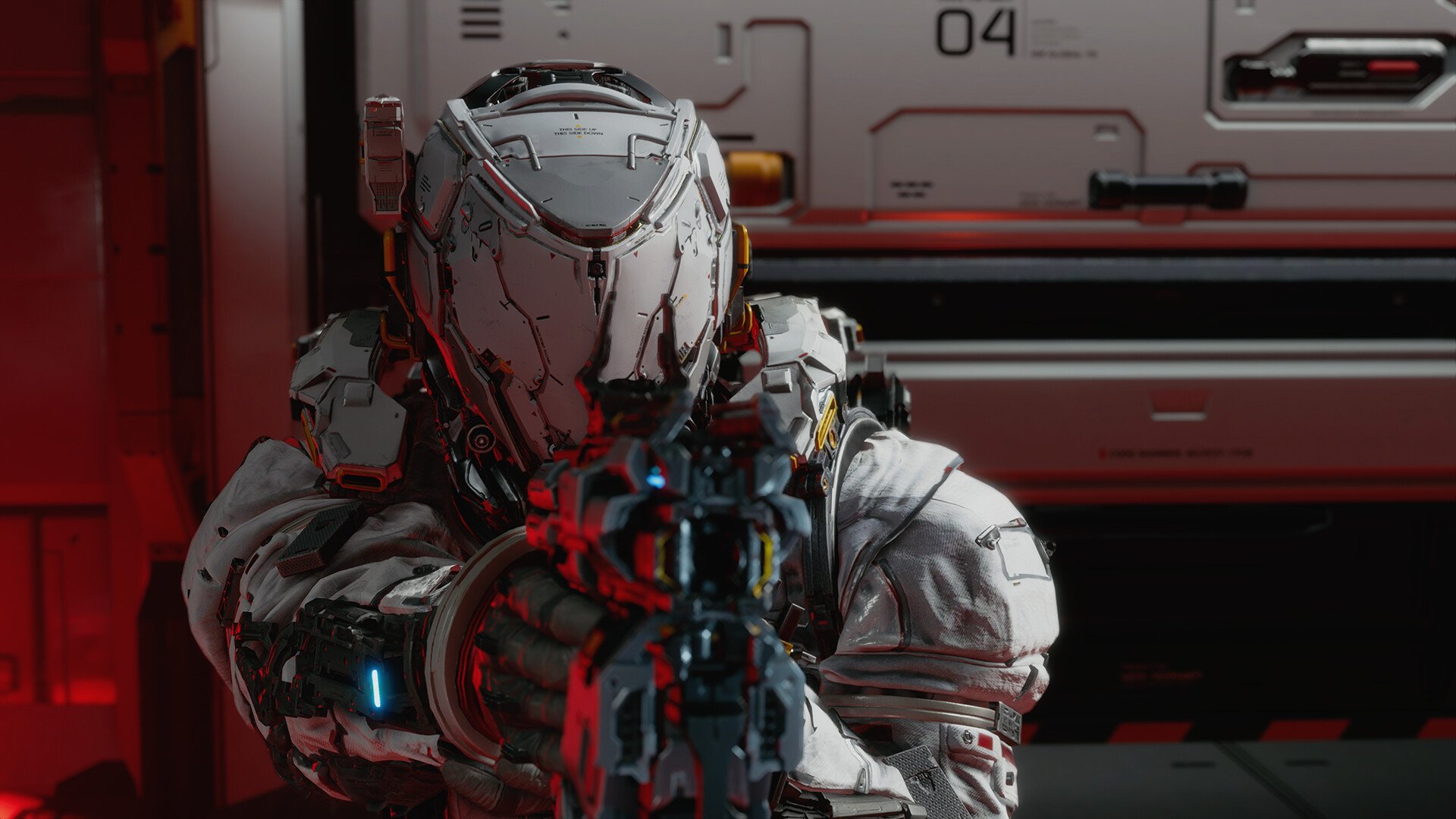
Pragmata: How to Hack Enemies and Puzzles

Hacking in Pragmata is not just a tool for opening doors. It is tied directly into how you control fights, break enemy defenses, and move through each sector efficiently. The game does not fully explain how deep it gets, but once you understand how to route hacks and when to use them, everything starts to click.
How Hacking Works in Pragmata
To hack in Pragmata, you use Diana to interact with nodes or enemies, then complete a timed puzzle or grid path that triggers damage, control effects, or progression.
There are two sides to hacking, and they feel completely different once you get into real gameplay.
Environmental hacks are structured and predictable. You interact with a node, complete a quick sequence, and move forward.
Combat hacks are active decisions. You are choosing a path through a grid while enemies are still attacking you, and that path directly affects how much damage you deal and how safe you are after.
That difference is what separates basic play from efficient play.
How To Start Hacking Consistently
Every hack begins with a scan and a nearby node, usually marked by a glowing red indicator. Once you interact, Diana takes over and the puzzle or grid appears.
If you ever feel stuck in a level, it almost always means there is a node you missed. The game rarely blocks you without giving you something to hack nearby.
In combat, the trigger is tied to enemies themselves. Once you scan and initiate, you are immediately pulled into the grid while the fight is still happening around you.
That is why positioning before you start a hack matters more than people realize.
Environmental Hacking And Movement Flow
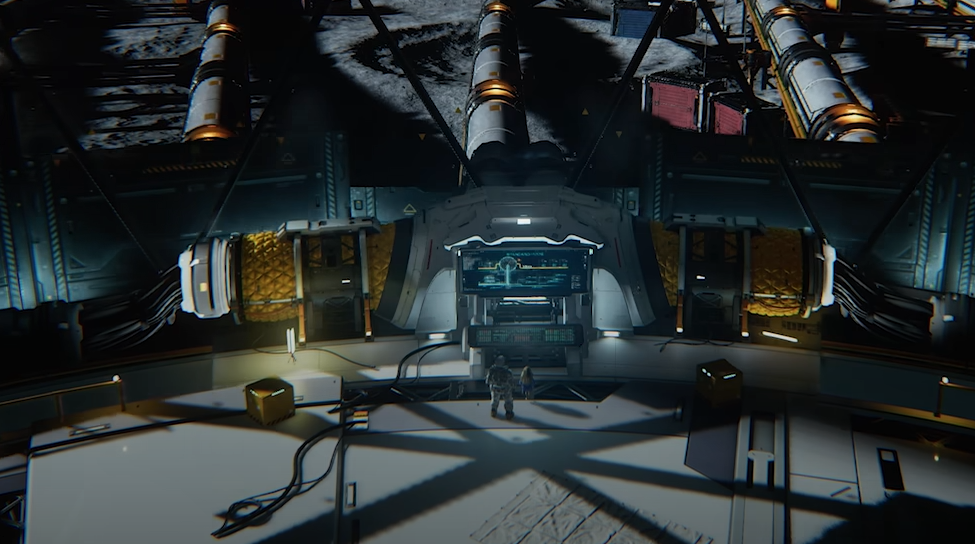
Environmental hacks are what keep the game moving.
You use them to:
Open doors and elevators
Disable traps like laser grids
Progress puzzle sequences across sectors
The puzzles follow patterns. Some require ordered inputs from outer sections inward, others require following a path toward a center point.
Later on, jamming pulses force you to slow down. You cannot brute force inputs anymore, you have to wait for openings and time your actions cleanly.
This is where the game quietly trains you for combat hacking, where timing matters just as much as pathing.
Combat Hacking And Node Routing
Combat hacking is where the real depth is.
When you hack an enemy, you are dropped into a grid with one goal, reach the green endpoint. But how you get there is everything.
Each node changes the outcome:
Blue nodes increase your final damage
Yellow nodes apply your equipped effects
Purple nodes add stronger upgraded abilities
Red nodes instantly fail the hack
Gray nodes block routes entirely
Most guides stop there. That is not enough.
The real skill is routing.
If you rush straight to the green node, you finish faster but deal less damage. If you take longer routes through stronger nodes, you hit harder but stay exposed longer while hacking.
That tradeoff is constant. You are choosing between speed and power every single time.
Best Pathing Strategy During Hacks
This is where fights start feeling controlled instead of messy.
Short path is better when:
multiple enemies are pressuring you
you are low on health
you just need a quick stun window
Longer path is better when:
you have space to breathe
you are targeting a stronger enemy
you want to chain damage with Overdrive
You start to feel this naturally. Some fights reward fast hacks to keep control, others reward slower, high-damage routes that let you delete enemies in one cycle.
If you treat every hack the same, you lose efficiency.

When You Should NOT Hack
This is the mistake most players make.
Hacking makes enemies more aggressive. They move faster, attack more often, and punish bad positioning immediately after the hack finishes.
You should avoid hacking when:
you are already surrounded
you have no space to reposition
enemy shields are still active and blocking your grid
In those situations, it is better to thin enemies out first or break shields before committing to a hack.
Using hacking at the wrong time creates chaos in fights that are otherwise manageable.
Why Hacks Fail Mid Fight
If hacking feels inconsistent, there is always a reason.
The common ones:
hitting a red node resets the entire grid
enemy shields block large portions of your path
jamming pulses interrupt timing windows
taking too long causes the hack to fail
The shield issue is a big one. If the grid looks cramped or impossible, it usually means you need to shoot off parts of the enemy’s armor first.
Once you clear space, the grid opens up and becomes manageable again.
How Hacking Actually Wins Fights
Hacking is not just damage, it creates openings.
When a hack completes, enemies are exposed and vulnerable. That is your window to unload damage with your weapons.
The best flow looks like this:
create space
initiate hack
route efficiently
reposition immediately after
dump damage during the stun
Once you get into that rhythm, fights stop dragging and start ending quickly.
Overdrive And Deletion Protocol Timing
Every hack builds Diana’s Overdrive.
The mistake is saving it too long.
Overdrive works best when used immediately after a strong hack path. You stack node bonuses, trigger Overdrive, and push that damage window even further.
Later, Deletion Protocol builds on that same idea but hits harder and charges faster with upgrades.
Used properly, these are not panic buttons. They are extensions of your hacking flow.
Hacking Modes And Loadout Impact
Back at the Shelter, your hacking setup starts to matter more.
Different modes change how your grid behaves and how damage builds. Some reward aggressive routing, others build effects over time.
Since you can only equip one mode, your choice directly affects how you approach fights.
This is where hacking stops being reactive and becomes something you plan around before even entering a sector.
Quick Hacking Breakdown
Environmental hacks move you forward and solve puzzles
Combat hacks control fights and create damage windows
Pathing decisions affect speed vs damage
Shields and jamming mechanics limit your options
Overdrive amplifies your best hacks, not random ones
Final Blurb
Hacking in Pragmata starts simple, but it quickly becomes the system everything else revolves around. You are not just solving puzzles or dealing damage, you are controlling the pace of fights through positioning, timing, and routing decisions. Once you start choosing how you hack instead of just completing it, the game shifts completely and everything feels tighter, faster, and more intentional.