RimWorld Odyssey Map Generation Changes Explained
Written by Andrew Hammel
RimWorld Odyssey upgrades how every map is built, both on foot and by gravship. You’ll see more variety, more danger, and more surprises on every trip.
Each map now uses over 85 different terrain features. These can stack together or show up alone, making every location look and feel different.
How It Works Now
Map generation is now tied more closely to the world map. If you land near rivers, oceans, or mountains, the terrain reflects that.
Rivers can split, merge, or surround islands. Some maps pull from multiple biomes at once. You might find jungle and desert plants on the same tile, with wildlife from both.
This also applies to the new biomes in Odyssey.
New Odyssey Biomes
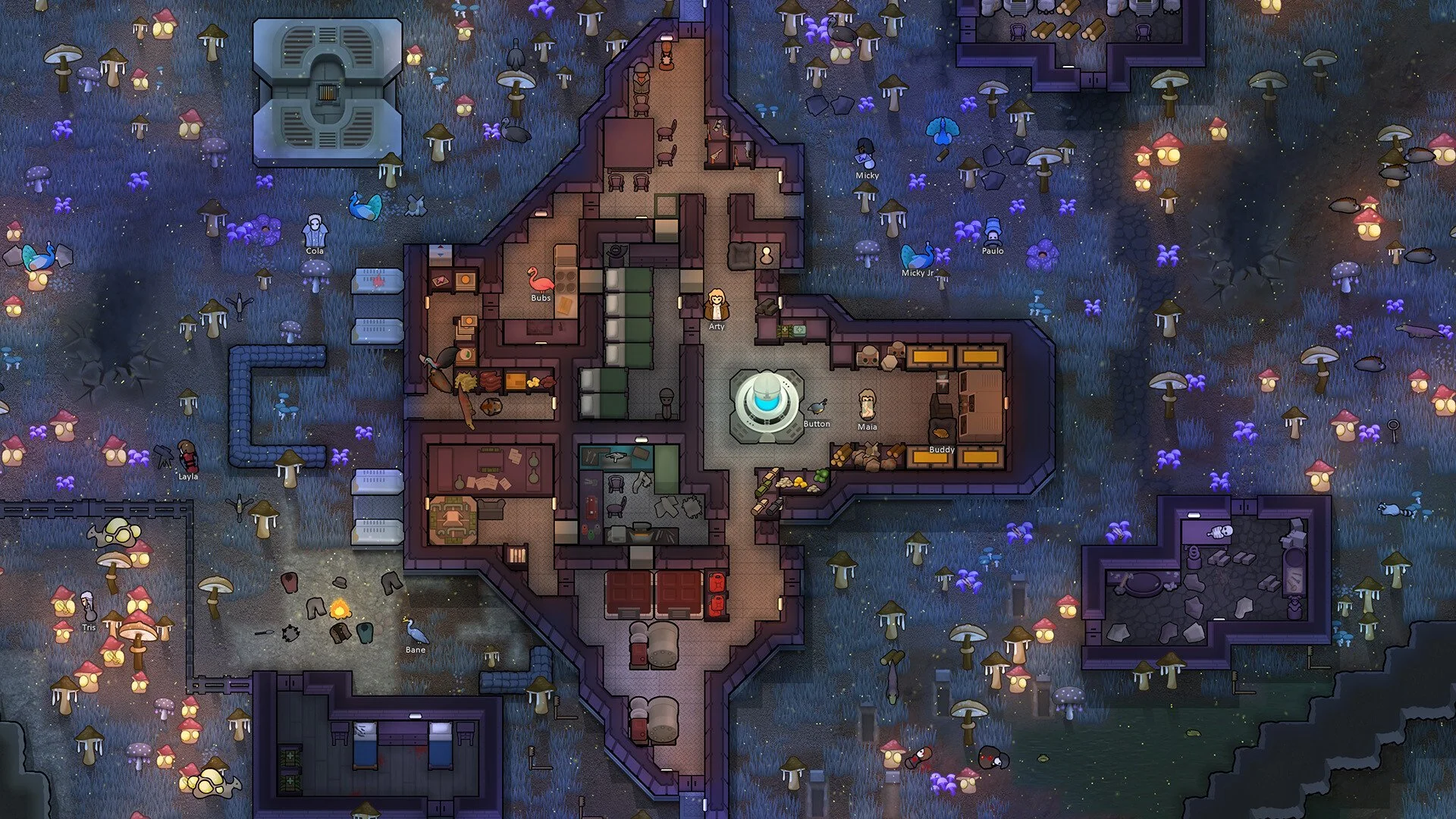
Glowforests are covered in sulfur clouds, blocking the sun. Regular crops won’t grow, but the land glows with strange, fungal plants.
Lava Fields are unstable and deadly. Volcanic debris rains down often, but the soil is rich and full of rare minerals.
Scarlands are toxic ruins of a destroyed city. The water is poison, the rain is deadly, and animals are infected with scaria. Defense systems still operate, but the loot inside is valuable.
Glacial Plains are frozen zones with ancient creatures like mastodons and scimitar cats. Look for old world tech in icy ruins and cryptosleep pods.
Grasslands are peaceful on the surface. You get wide open space and fertile land, but droughts and wildfires can wipe out your colony if you’re not careful.
Biome Blending
Some maps now mix two or more biomes into one. You could end up in a swampy desert or a cold rainforest. Animals, plants, and weather pull from both.
This adds more replay value and forces you to rethink your base layout every time.
Dynamic Terrain and Weather
Odyssey adds new terrain effects that change during play. Rain can flood land and destroy crops. Cold snaps can freeze lakes solid.
You’ll also deal with:
Sandstorms
Toxic rain
Heavy fog
High winds
Blizzards
These events affect visibility, speed, and crop health. Some maps start with these hazards active from day one.
Map Features List (Examples)
These are just a few of the 85+ map features now in rotation:
Ocean deltas
Island river rings
Cliff plateaus
Shallow caves
Crater fields
Ruined highways
Toxic swamps
Ice shelves
Glowing fungal groves
Each map may include one or more at random. Some are biome-locked, others can appear anywhere.
Gravship Travel Makes It Matter
Since you can now fly across the world and land anywhere, map variety matters more. You’ll often need to scout for specific features, materials, or conditions before choosing where to land.
Ruins with loot might be in lava zones. Glowforests might have rare plants. Some events will only trigger in certain map types.
This forces smarter planning and makes exploration feel less repetitive.
Final Blurb
The RimWorld Odyssey expansion doesn’t just add new content, it rewires how the game builds its world. Every map now has more detail, more danger, and more replay value. You’ll have to adjust your strategies every time you touch down.
FAQ
Q: How many new map features are there?
Over 85, confirmed by the developers.
Q: Can biomes mix together now?
Yes, maps can pull from two or more biomes at once.
Q: Do rivers behave differently now?
Yes, rivers can split, merge, or form deltas based on location.
Q: Does weather change during play?
Yes, dynamic weather includes rain, wind, fog, and more.
Q: Are some features biome-locked?
Yes, but many can show up anywhere.
Q: Why does map variety matter more now?
Because gravships let you travel often, so maps need to stay fresh.
More RimWorld