RS3 Leagues Melee Combat Training Guide | Catalyst League
Written by Andrew Hammel
Training melee in RuneScape 3 Leagues feels faster than the normal game thanks to relics and boosted XP. The question is where to train for the best experience and rewards, since the usual slow grind doesn’t apply in Catalyst League.
The best way to train melee in Leagues is by focusing on Slayer, high-HP mobs, and multi-combat areas where halberd abilities shine. Below is the full breakdown from early levels to 99.
Levels 1–50 Melee
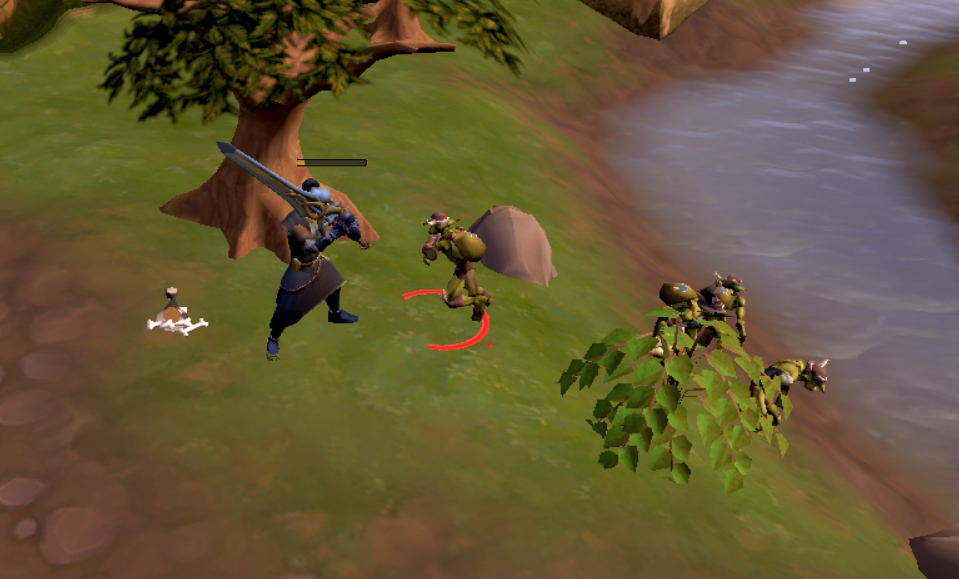
Start with Slayer tasks. Even weak creatures like goblins or banshees are worth it with the hit chance boost from tier 1 relics. This also builds Slayer points for the long run.
For fast early levels, flesh crawlers in the Stronghold of Security are excellent. They’re aggressive, come in groups, and die quickly to Hurricane and Cleave.
If you want to skip the early grind, complete Waterfall Quest for an instant jump to level 30+ Attack and Strength. This lets you wield mithril or adamant halberds right away.
Levels 50–70 Melee
Move on to fire giants in the Waterfall Dungeon for consistent XP. They have solid lifepoints and drop charms.
Hellhounds in Taverley Dungeon are a better option if you want both combat XP and clue scrolls. They drop hard clues frequently in Leagues.
Abyss creatures are another good choice. The leeches, walkers, and guardians are aggressive, weak to melee, and drop useful talismans.
Levels 70–90 Melee
Abyssal demons unlock at 85 Slayer and should be a main focus. They have high HP, good drops, and are perfect for scythe or halberd AoE farming.
Vyrewatch in Darkmeyer are a strong AFK option. With aggression potions they group up, and if you own Morytania Legs 4 you’ll also get Prayer and Firemaking XP per kill.
Corrupted creatures in the Sophanem Slayer Dungeon are one of the best AFK Slayer training spots. They’re aggressive, weak to melee cleaves, and their loot goes straight into the dungeon chest.
Levels 90–99 Melee
This is the stage where melee training skyrockets in Catalyst League. Stick with Slayer tasks or high-HP bosses for optimal gains.
Abyssal beasts in Senntisten Asylum give some of the highest melee XP in the game. Their lifepools are massive and relics speed up kills.
God Wars Dungeon bosses like General Graardor and K’ril Tsutsaroth scale well with the Leagues multipliers. They’re also profitable with consistent drops.
Arch-Glacor is another option. Running the fight with no mechanics makes it a safe and efficient melee XP farm.
Best Gear for Melee
Always use the strongest 2-handed weapon you can equip. Halberds and scythes are best since they expand AoE ability range.
Choose power armour over tank armour. Damage equals faster kills and faster XP. Bandos, Torva, and Masterwork are ideal choices.
For accessories, the Reaver’s Ring is best when you have 100% hit chance. Amulet of Souls or Essence of Finality boost survivability. Use Cinderbanes only if your target can be poisoned.
Final Blurb
Melee training in RuneScape 3 Leagues is smooth compared to the normal game. Focus on Slayer, multi-combat mobs, and unlock Abyssal and corrupted creatures as soon as possible. By the time you reach high-tier weapons, melee becomes one of the fastest ways to level combat in Catalyst League.
FAQ
What is the best relic for melee training?
Barbarism at tier 5 is the best. It doubles adrenaline, boosts melee damage, and makes ability cooldowns shorter.
Is Slayer worth doing over regular combat training?
Yes. Slayer gives extra XP, more points in Leagues, and unlocks high-value mobs like Abyssal demons and beasts.
Should I AFK or train actively with melee?
Active training with AoE abilities is always better in Leagues. AFK options like hellhounds or vyrewatch are fine for clue scrolls and side rewards but slower for XP.
More RuneScape 3 (RS3)