Seven Deadly Sins Origin Combat Guide: Best Teams, Builds, and Battle Tips
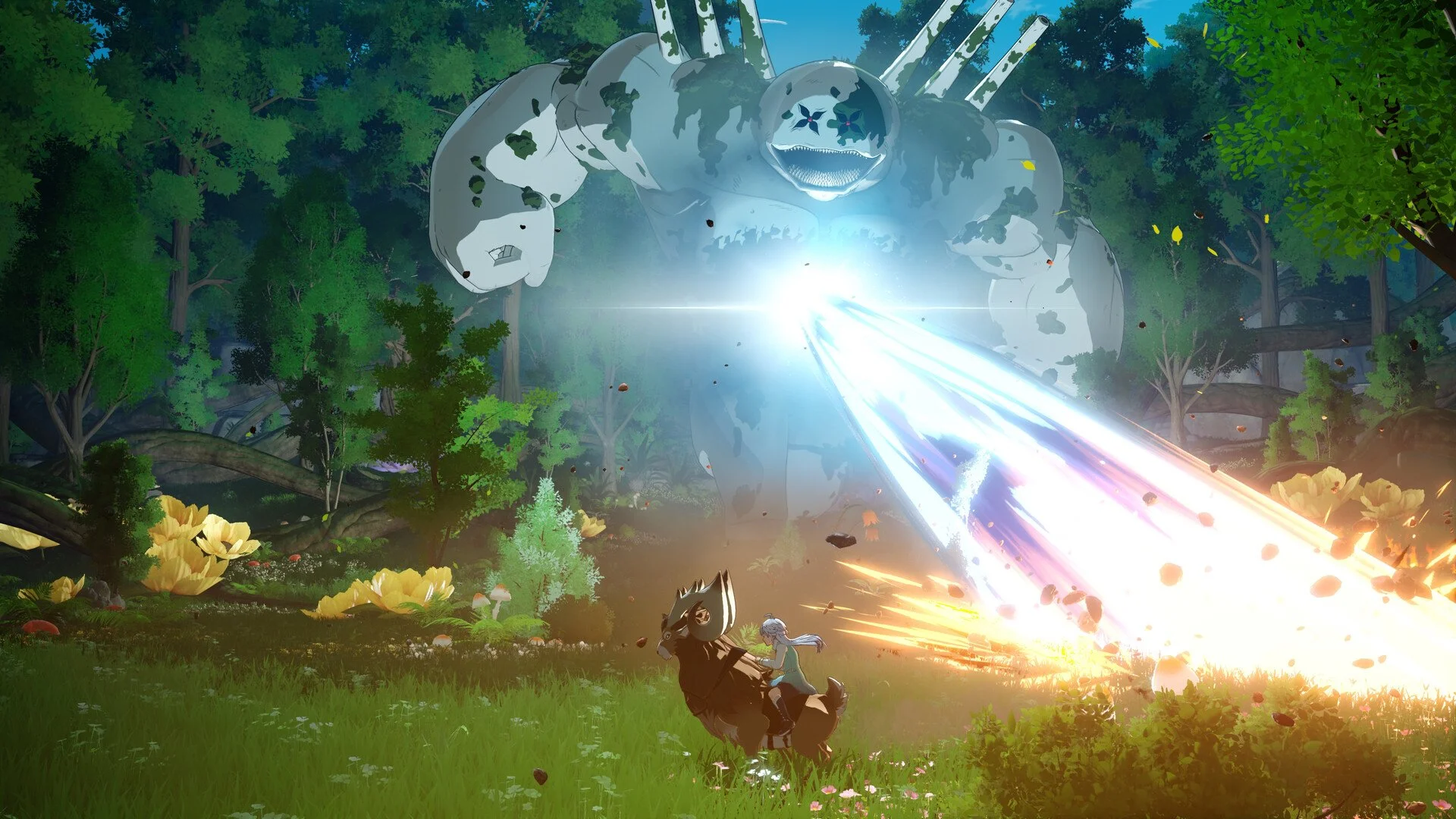
Seven Deadly Sins Origin uses a fast, tag-based combat system where team composition, elemental matchups, and timing matter more than raw stats. Understanding how to build a balanced team and when to use your strongest abilities makes a huge difference in both early and late fights.
What Makes A Strong Team In Seven Deadly Sins Origin
A strong team uses 1 main DPS, 1 support or healer, and 2 flexible roles with different elements to handle bosses and crowd fights.
Mix elements so you can trigger weaknesses and bursts
Always include at least one support or healer for the shared HP system
Use characters that benefit from Tag Skill combos
Avoid stacking the same role unless you are running a specific strategy
Balanced teams perform better than stacking damage because your entire squad shares one HP bar.
Core Battle Mechanics: Shared HP And Tag System
All four characters share a single HP bar. Swapping does not heal you, it only changes your stats, abilities, and positioning.
This makes avoiding damage more important than trying to tank hits. If one character is low, your entire team is at risk.
Tag Points are built through combat. Switching characters with Tag Points triggers an entry attack that keeps your combo going.
Swap often to maintain pressure
Use Tag Skills to extend combos and deal burst damage
Certain character pairs trigger stronger combined attacks
Good players rotate constantly instead of staying on one character.
Best Early Game Team Setup
Early on, focus on a simple and flexible team structure instead of chasing perfect builds.
1 main DPS for consistent damage
1 support or healer to sustain your team
1 utility or crowd control character
1 flexible slot based on the encounter
Example approach:
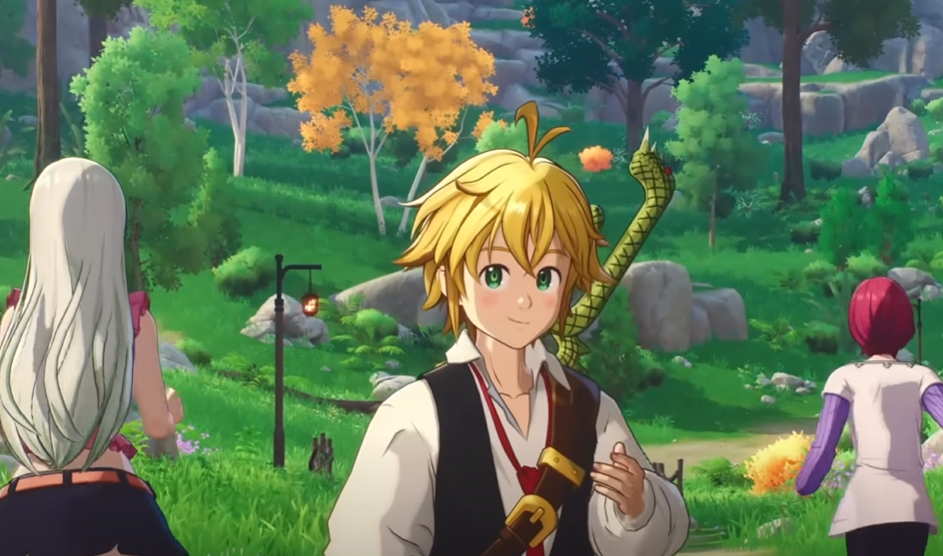
Use a strong DPS like Meliodas
Add a healer like Elizabeth for HP sustain
Include a control or support unit
Fill the last slot based on enemy elements
This setup works for most content without requiring specific pulls.
Character Roles Explained
Understanding roles helps you build teams that actually work in combat.
DPS
These are your main damage dealers. They benefit the most from weapon upgrades and burst windows.
Support and Healer
These characters keep your team alive and enable longer fights. They are essential because of the shared HP system.
Utility and Control
These include characters that freeze, stagger, or interrupt enemies. They are especially useful in dungeons and boss fights.
A strong team always mixes these roles instead of stacking only damage.
Element System And Burst Usage
Elements play a major role in both damage and control.
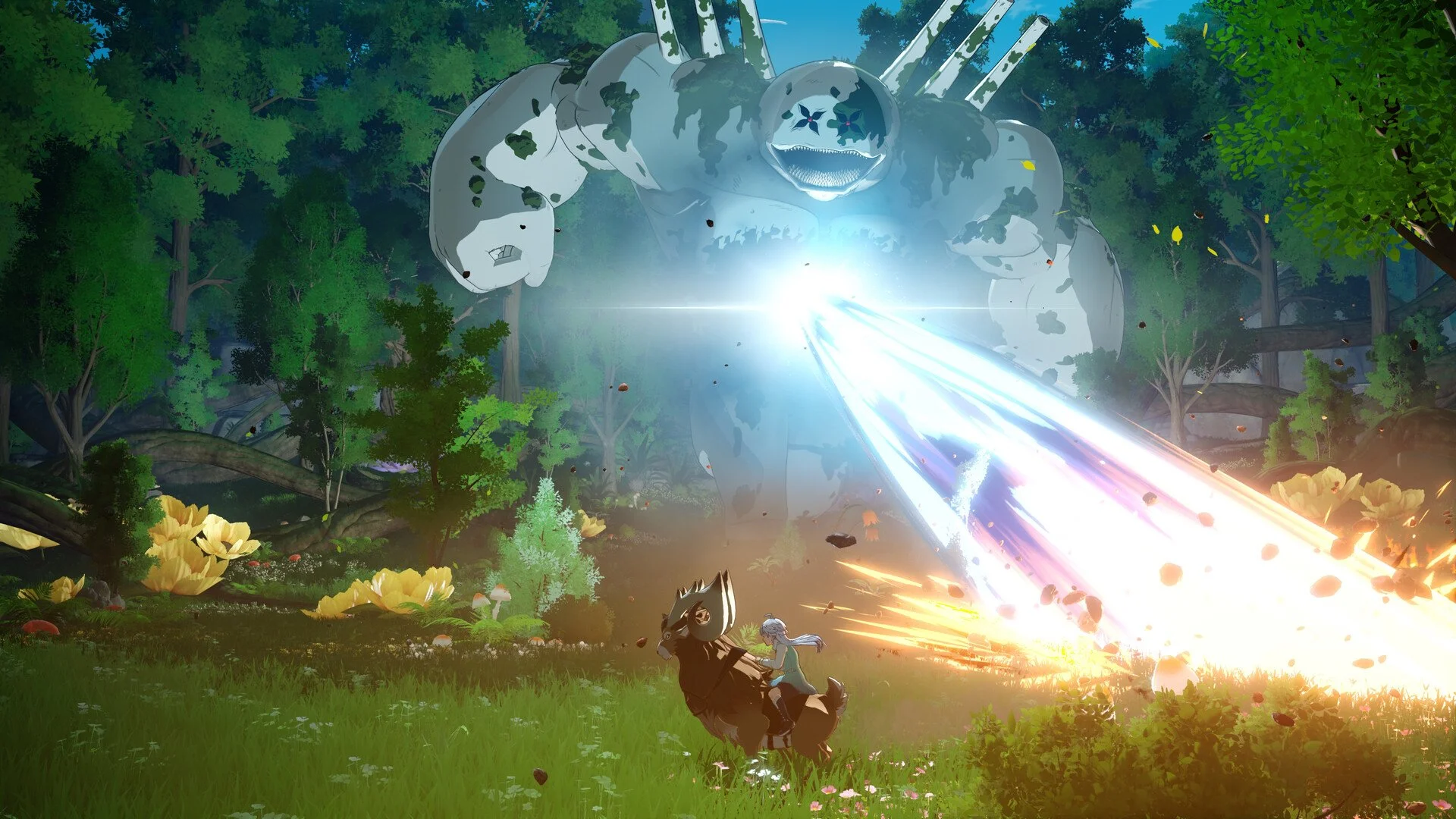
Fire deals high damage and is best used during boss windows
Cold freezes enemies and gives you breathing room
Lightning is strong for clearing groups
Darkness extends burst effects for longer damage chains
Always check enemy weaknesses before fights.
Bring at least one matching element for bosses
Use burst abilities during stagger or break phases
Do not waste bursts on low-value enemies
Correct element usage can completely control fights.
Character Builds: Weapons And Progression
Your build depends on your weapon and progression systems.
Weapons change how a character plays. Faster weapons focus on damage over time, while heavy weapons focus on stagger and burst damage.
Upgrade your main DPS weapon first
Use heavy weapons when dealing with bosses
Do not spread upgrades across too many characters early
Potential Tiers from duplicates increase stats and improve performance over time.
For early progression, focus on making one strong character instead of several weak ones.
Best Team Archetypes
Instead of fixed teams, focus on archetypes you can build around.
Fire Damage Team
Built around stacking Fire bursts for high damage during boss fights. Strong for fast clears.
Control and Freeze Team
Uses Cold bursts to freeze enemies and control the battlefield. Very effective in dungeons.
Balanced Team
Mix of damage, healing, and utility. Best choice for general progression and new players.
Choose based on the content you are playing instead of forcing one setup everywhere.
Advanced Combat Tips That Actually Matter
Swap characters often to build and use Tag Skills
Save burst damage for boss break or stagger phases
Use heavy weapons to break boss gauges faster
Position carefully since all characters share HP
Use crowd control to reset fights when overwhelmed
Small decisions during fights make a bigger difference than raw stats.
Daily Combat Checklist
Use Cube Keys on World Bosses and Dungeons
Push Tower of Trials for permanent stat boosts
Test team combinations and Tag timing
Farm materials to upgrade your main DPS
Keeping up with daily combat activities helps your team scale faster.
Common Combat Mistakes To Avoid
Running a full team with the same element
Staying on one character too long
Wasting burst abilities on weak enemies
Ignoring support or healing roles
Spreading upgrades across too many characters
Avoiding these mistakes will improve your performance immediately.
Final Blurb on Seven Deadly Sins Combat
Seven Deadly Sins Origin rewards players who understand team building and combat flow. Swapping characters, using the right elements, and timing your bursts properly matter more than raw stats alone.
Once you build a balanced team and learn when to attack or reset, combat becomes much easier to control even in difficult fights.
FAQ
What is the best team in Seven Deadly Sins Origin
The best team is a balanced setup with a DPS, support, and mixed elements rather than a fixed group of characters.
How does the shared HP system work
All characters share one health bar, so taking damage affects your entire team and makes positioning important.
Should you focus on one character early
Yes, upgrading one main DPS first gives faster progression than spreading resources across multiple characters.
How do you deal more damage in combat
Use the correct elements, save bursts for boss phases, and build Tag Points through frequent character swaps.