

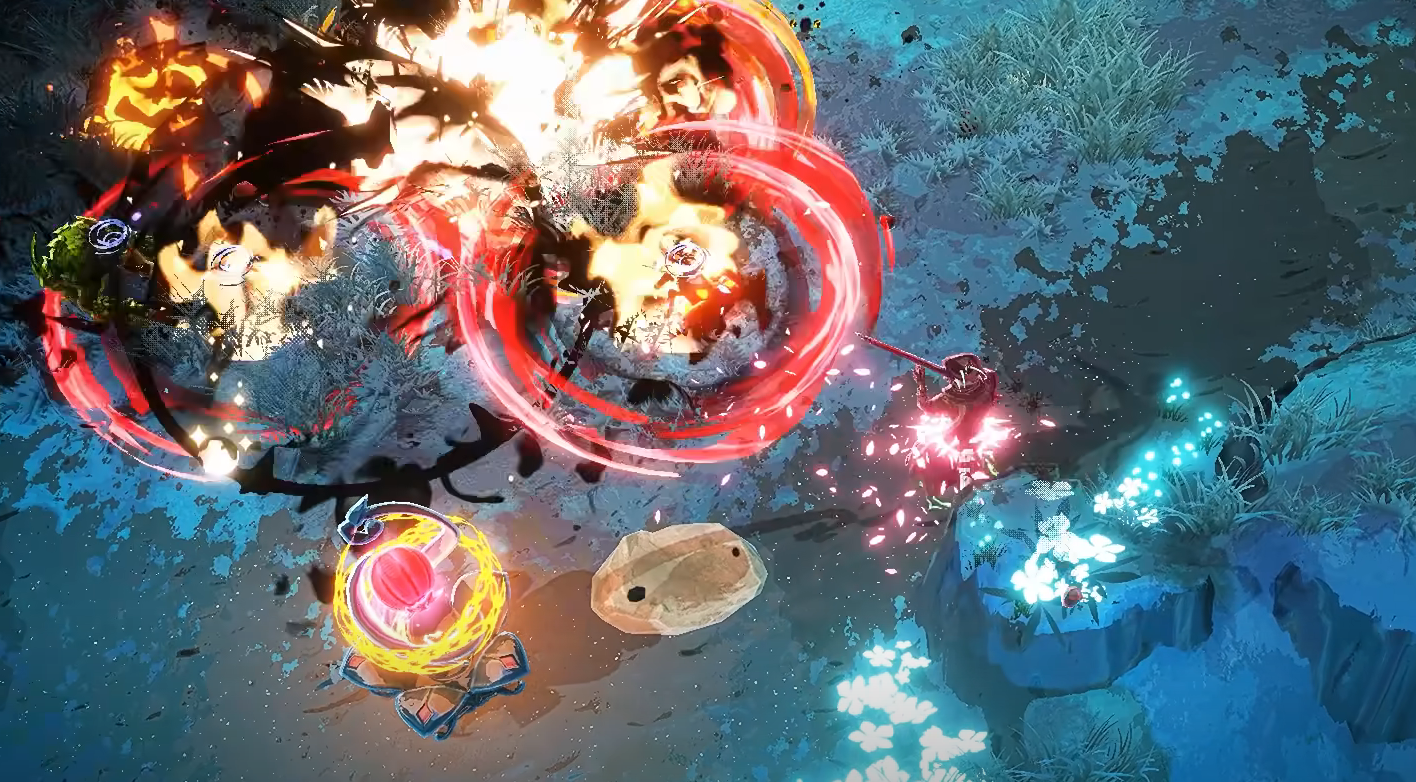
The Deja Vu system in Shape of Dreams is one of the most confusing parts of progression. It ties into your long-term upgrades, Stardust costs, and how your builds carry into future runs. This guide explains exactly how Deja Vu works, why it exists, and how to use it without wasting resources.
What Is the Deja Vu System
Deja Vu is the respec and carryover mechanic for Shape of Dreams. It allows you to reset or adjust your permanent upgrades tied to Stardust, giving you a way to rebuild characters if you regret your choices. Unlike temporary Essences or Memories that vanish after a run, Deja Vu influences how you set yourself up for long-term play.
The trade-off is that Deja Vu itself costs Stardust, the same currency used for leveling, unlocking Stars, and decorations. This makes it expensive and forces you to choose between new upgrades and reshuffling your old ones.
How Deja Vu Works
When you activate Deja Vu:
You can reset previously assigned Stardust upgrades and move them into different abilities or Stars.
Any duplicate Memories and their Essences will not count when entering the Pure White Dream. This prevents stacking the same effect too many times.
Once selected, Deja Vu stays active for a 24-hour free period before it goes back to costing Stardust again.
Why It Costs Stardust
The Stardust cost is intentional. Roguelites are built on permanent choices, and the game discourages constant swapping by putting a price on respecs. Developers want you to think carefully before spending Stardust instead of endlessly experimenting with free resets.
However, this also means many players avoid using Deja Vu early, since the grind for Stardust is already heavy. To fully max just one character’s Star tree can take dozens of runs, making it painful to spend Stardust on resets.
Best Uses of Deja Vu
Fixing bad investments: If you tested a build and hate it, Deja Vu lets you reclaim those upgrades.
Late-game optimization: Once you’ve unlocked most Stars, use it to fine-tune your characters for Pure White Dream attempts.
Experimentation: If you want to try unusual setups, Deja Vu gives you the freedom, but the Stardust price means it’s best saved for when you have excess.
Tips for Using Deja Vu
Don’t respec too often. Treat it as a fallback, not a feature to use every run.
Focus on completing strong runs first to maximize Stardust income before spending it on resets.
Use Deja Vu when preparing for Pure White Dream, since duplicate Memories and Essences won’t carry through anyway.
Save it for mid-to-late game when you’ve unlocked a good number of upgrades. Early use can slow your progression.
Final Blurb
The Deja Vu system in Shape of Dreams is designed as a Stardust sink and a way to reset long-term progression. It gives you the flexibility to rebuild characters but comes with a steep cost. Use it sparingly, save it for late-game optimization, and focus on gathering Stardust through strong runs before relying on it.
FAQ
What is the Deja Vu system in Shape of Dreams
It’s the respec mechanic that lets you reset and reassign Stardust upgrades.
Does Deja Vu cost Stardust
Yes, you must spend Stardust to use it, making it one of the most expensive systems in the game.
What happens with duplicate Memories
If you have two of the same Memories, those duplicates and their Essences will not count toward Deja Vu when entering the Pure White Dream.
How long does Deja Vu stay free
Once activated, it stays auto-selected and free for 24 hours before reverting to its Stardust cost.
More Shape of Dreams


