Shift At Midnight: How to Get $250 for Your Pet’s Surgery
Reaching 250 in Shift At Midnight is less about earning one huge payout and more about protecting your personal funds across all 13 Story Mode shifts. Store revenue, customer satisfaction, optional expenses, mistaken human kills, and the decision involving Sheriff Clyde can all affect whether you have enough money for your pet’s surgery. The safest approach is to treat every night as part of one long savings run rather than spending freely whenever new tools, medicine, or upgrades become available.
How to Get $250 in Shift At Midnight
To get $250, complete shifts, surpass the store’s daily revenue quota whenever possible, avoid penalties, and limit withdrawals from your personal funds before Night 13. Each completed shift provides a $10 wage, and beating the daily quota can add 10% of the store’s revenue to your personal pay.
The $250 surgery cost is paid from your personal funds, not the store’s business account. Money earned by the store can be used for upgrades, supplies, weapons, and tools, but it does not automatically count toward the surgery requirement.
You are warned about the surgery after completing Shift 10, but you should begin saving from the first night. Waiting until the final few shifts makes the target much harder because there are only a limited number of remaining paychecks and bonuses available.
To reach the best ending, finish Night 12 without calling Sheriff Clyde, enter Night 13 with at least $250 in personal funds, and use the money to pay for the surgery.
Personal Funds and Store Revenue Are Separate
The most important financial distinction is that the cafe-style store account and your personal savings are not the same pool of money. A successful shift can generate substantial store revenue without necessarily placing all of that money into the surgery fund.
Your regular $10 wage goes toward personal funds after completing a shift. Surpassing the daily quota also awards a percentage of that night’s store revenue, making strong store performance the main way to increase personal earnings beyond the base wage.
Store funds should still be used to support the savings run. Better tools, stocked shelves, useful upgrades, and an efficient shop floor can increase customer satisfaction and help you exceed future quotas. The mistake is spending business money on items that do not improve revenue, safety, or shift efficiency.
Check both balances before buying anything expensive. Having enough store revenue for another weapon or cosmetic upgrade does not mean your personal surgery savings are safe.
Begin Saving Before the Surgery Warning Appears
Do not treat the message after Shift 10 as the beginning of the $250 objective. By that point, most of Story Mode is already complete.
Start preserving personal funds from the opening shifts. Early nights are usually less demanding, giving you a better chance to meet quotas, avoid penalties, and bank a clean paycheck before later events complicate store management.
Every unnecessary expense matters because there is no endless sequence of extra Story Mode shifts after Night 13. A poor night cannot always be corrected by simply working several more days.
Because progress is recorded automatically between shifts, finish each night and allow the transition to complete before quitting. Our Shift At Midnight save guide explains when autosaves occur and when it is safest to close the game.
Do Not Buy Medicine Every Time It Is Available
Medicine allows your pet to accompany you during the following shift, which can be helpful for solo players. However, repeatedly paying for medicine reduces the personal funds available for the surgery.
Treat medicine as a tactical purchase rather than a routine expense. Buy it when the assistance is likely to prevent a larger loss, such as during a difficult event or a night where managing every task alone is becoming unreliable.
Skip it on nights you can handle comfortably. The pet’s assistance may make the shift easier, but buying medicine too often can leave you below $250 even after otherwise successful nights.
The source information does not provide the exact medicine price or the maximum number of safe purchases, so there is no universal spending schedule. Check your current balance, remaining shifts, and recent pay before deciding.
Beat the Store Quota as Often as Possible
The daily quota is central to the $250 route because surpassing it adds 10% of the store’s revenue to your personal pay. Merely surviving the night and collecting the $10 base wage may not create enough savings by Night 13.
Keep customers moving through the store quickly. Stay near the counter during busy periods, investigate efficiently, and avoid making people wait while you handle low-priority cleaning.
Maintain stocked shelves so customers can find the products they intend to purchase. Empty shelves reduce sales opportunities and can hurt the reviews that influence future traffic.
Clean the store before ending the shift. A temporary mess during a rush is manageable, but leaving the shop dirty can reduce customer satisfaction and weaken later earning potential.
Decorations and shop-floor improvements can also contribute to customer satisfaction. Prioritize upgrades that improve the shopping experience or make the store easier to operate rather than spending on changes with no clear effect on revenue.
Complete Store Manager Requests for Extra Bonuses
Store Manager requests provide another way to strengthen the run. Tasks can include catching shoplifters, cleaning the forest behind the store, or handling other problems that appear as Story Mode progresses.
Complete these requests when they can be handled without abandoning the counter during the busiest part of the night. The bonus is useful, but losing several customers while pursuing it can cancel out the benefit.
Read the objective early and decide when it fits into the shift. Some tasks are best completed before opening, during a quiet period, or after the main customer rush.
Do not automatically ignore optional work because it takes you away from normal cashier duties. The additional compensation can provide valuable breathing room before Night 13, especially if an earlier shift included penalties or missed quota revenue.
Never Shoot a Customer Without Enough Evidence
Killing a human customer reduces your end-of-shift pay. During a $250 run, one mistaken shot can erase the profit from several legitimate transactions.
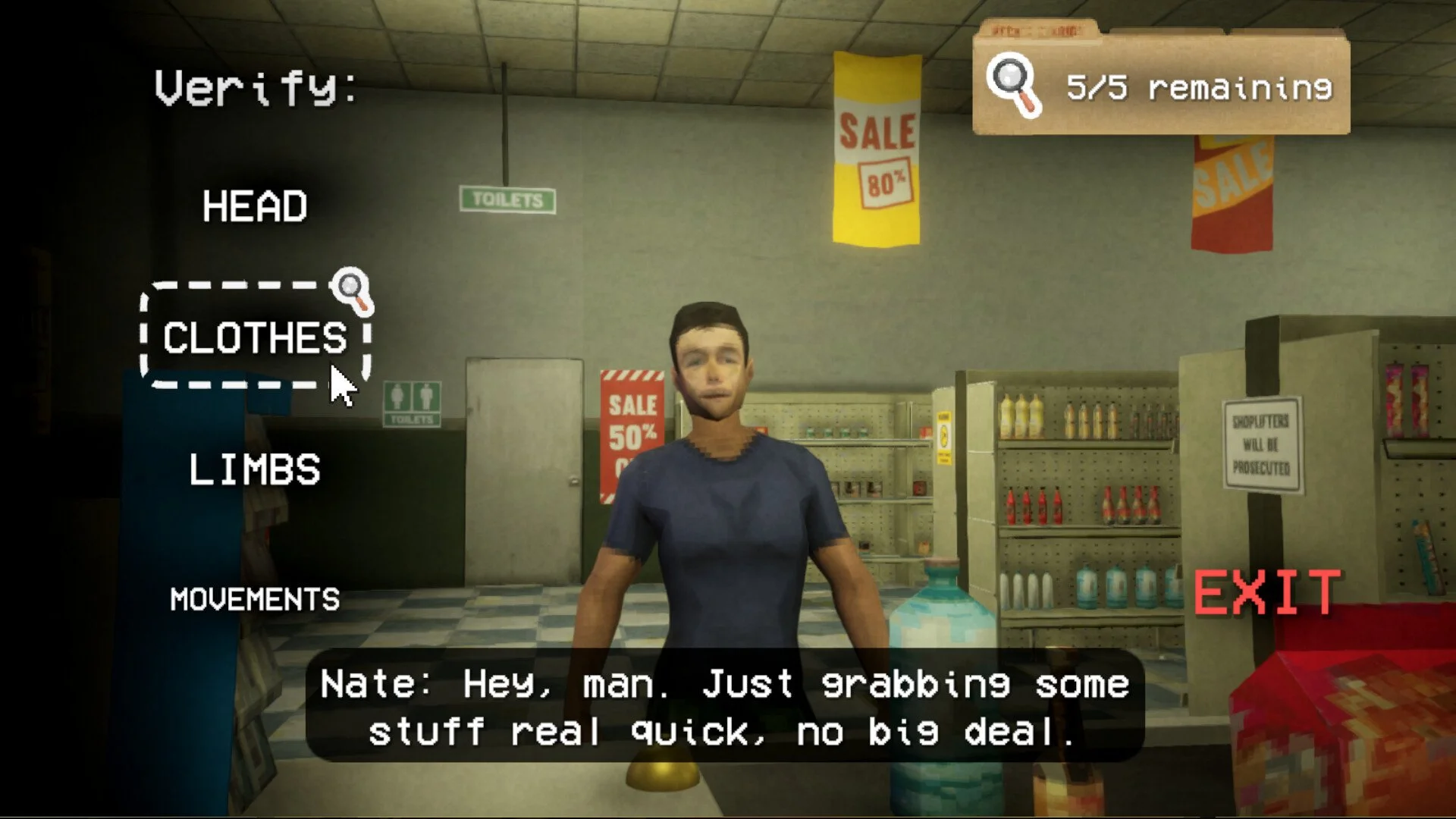
Use the NET Database, ID information, occupation, physical description, behavior, and vehicle registration before making a final decision. Suspicion alone is not enough when personal funds are the main objective.
If the evidence remains uncertain, allowing the customer to leave can be financially safer than shooting a human. You may have to survive an Entity hunt if the person was a Doppelganger, but surviving the encounter avoids the direct wage penalty associated with killing an innocent customer.
This is a risk-management decision rather than a recommendation to approve every suspicious person. Confirmed Doppelgangers should still be handled before they create additional danger.
Complete a Doppelganger’s Transaction Before Eliminating It
When you are certain that a customer is a Doppelganger, one profitable approach is to complete the transaction first and then eliminate it with an available weapon.
This allows the store to receive the sale while preventing the Doppelganger from contributing to a normal end-of-shift hunt. It is more financially efficient than attacking before the purchase has been completed.
Only use this method when the identification is reliable. Completing the transaction does not remove the human-kill penalty if your judgment was wrong.
Blood Moon conditions are an important exception. A Blood Moon can guarantee an Entity hunt regardless of the normal customer outcome, so killing one confirmed Doppelganger may not prevent the larger attack at the end of the night.
Use Faster Cleaning Tools to Protect Customer Flow
Cleaning matters because store condition affects customer satisfaction, but spending too long with the basic mop can pull you away from the register and reduce sales.
The sledgehammer can destroy flesh left behind after certain encounters, while the hose can clear blood more efficiently than relying on the mop for every stain.
Purchase these tools through the computer when the store account can support them. They are useful investments because they reduce the time required to restore the shop after violent encounters.
During the main customer rush, clean only what obstructs movement or service. Finish the remaining mess before ending the shift so the store does not carry a poor condition into the results.
Keep Shelves Stocked Without Abandoning the Register
Empty shelves reduce the number of purchases customers can make, but restocking at the wrong moment can also cost sales. The best approach is to watch which products are moving and refill them during gaps.
Place supply orders before the most popular shelves are completely empty. Waiting until there is nothing left creates a period where customers cannot generate full transactions.
In solo play, the register remains the first priority during active customer traffic. Restock one important shelf at a time rather than attempting to reorganize the entire store while people are waiting.
In co-op, assign one player to stock management and cleaning while another remains responsible for customer identification and checkout. This makes quota runs considerably more consistent because store upkeep no longer competes directly with every investigation.
Search for Tokens Before Starting the Shift
Look for Tokens at the beginning of the night before interacting with the notice board that begins the shift. Once normal business starts, searching the store and surrounding area becomes more difficult.
Tokens can be used on the prize wheel, which includes a $10 reward. Landing on the money result can increase the amount available during the run and provide extra protection against a weaker paycheck.
Do not automatically spend every Token as soon as it is found. Use the wheel when the potential cash reward supports the current savings plan, while keeping some Tokens available rather than exhausting the supply without considering later opportunities.
The supplied information does not establish Token locations, wheel odds, or a guaranteed number of $10 wins. Treat the wheel as supplemental income rather than the foundation of the $250 strategy.
Only Buy Upgrades That Help You Earn More
Store upgrades can improve customer satisfaction and make it easier to exceed the quota, but buying every available improvement is unnecessary.
Prioritize shelf capacity, useful shop-floor upgrades, cleaning equipment, and anything that reduces service delays. These purchases support future income rather than simply making the store look different.
Weapons and survival tools are worthwhile when they prevent failed nights, but expensive equipment that remains unused does not contribute to the surgery goal.
Evaluate purchases by asking whether they improve revenue, reduce penalties, increase survival odds, or save enough time to serve more customers. If the answer is no, delay the purchase until after the $250 requirement has been secured.
Do Not Call Clyde After Night 12
After completing the twelfth shift, you are given the option to call Sheriff Clyde. Do not call him when pursuing the True Ending.
Calling Clyde leads to the Grave Decision outcome. He visits the store and dies, but your pet’s surgery is covered even when you did not save enough money.
Refusing to call him keeps Clyde away from the final shift. You must then enter Night 13 with at least $250 to pay for the surgery yourself.
Make sure Clyde survives his earlier visit to the store as well. Accidentally killing him can remove the later decision and prevent the normal ending route from continuing as intended.
What You Need Before Night 13
Before starting Night 13, confirm that your personal funds have reached at least $250. Store revenue sitting in the business account does not replace the required personal savings.
Do not make another optional medicine purchase or spend personal funds after reaching the target. Treat the $250 as locked until the surgery decision is completed.
You should also have refused the call to Clyde after Night 12. Reaching the financial target is only one part of the True Ending route.
If you enter the final night below $250 and did not call Clyde, your pet cannot receive the surgery, leading to the Empty Home ending.
How to Recover After a Bad Shift
One missed quota or accidental penalty does not necessarily end the run, but it means the following nights need to be managed more carefully.
Stop spending personal money on optional medicine unless it is clearly necessary. Focus store funds on upgrades that directly increase service speed, cleanliness, stock availability, or customer satisfaction.
Complete available Store Manager requests, search for Tokens before opening, and make quota revenue the main objective during each remaining shift.
Be more conservative when identifying customers. Another human-kill penalty is more damaging when there are only a few paychecks left.
The source information does not provide exact nightly revenue totals, so it is not possible to guarantee recovery from every balance. The earlier you begin saving, the less the final shifts depend on perfect results.
The Safest $250 Strategy
Begin saving from the first shift and treat the $10 wage as money that should remain untouched whenever possible. Build additional personal funds by exceeding the daily quota and collecting the 10% store-revenue bonus.
Keep customers happy through fast service, stocked shelves, a clean shop, and useful decorations. Complete Store Manager requests when they fit naturally into the night, and search for Tokens before starting the shift.
Avoid shooting humans, because wage penalties directly slow the surgery fund. When a customer remains uncertain, accepting the possibility of an Entity hunt can be less damaging than gambling on a shot that may reduce your pay.
Use store revenue to purchase practical equipment, especially faster cleaning tools and upgrades that improve customer flow. Limit medicine purchases so the pet’s short-term assistance does not consume the money needed for the permanent solution.
After Night 12, refuse to call Clyde. Reach Night 13 with at least $250 in personal funds, pay for the surgery, and both Clyde and your pet will survive.