Shift At Midnight Guide: Tips to Survive Every Shift
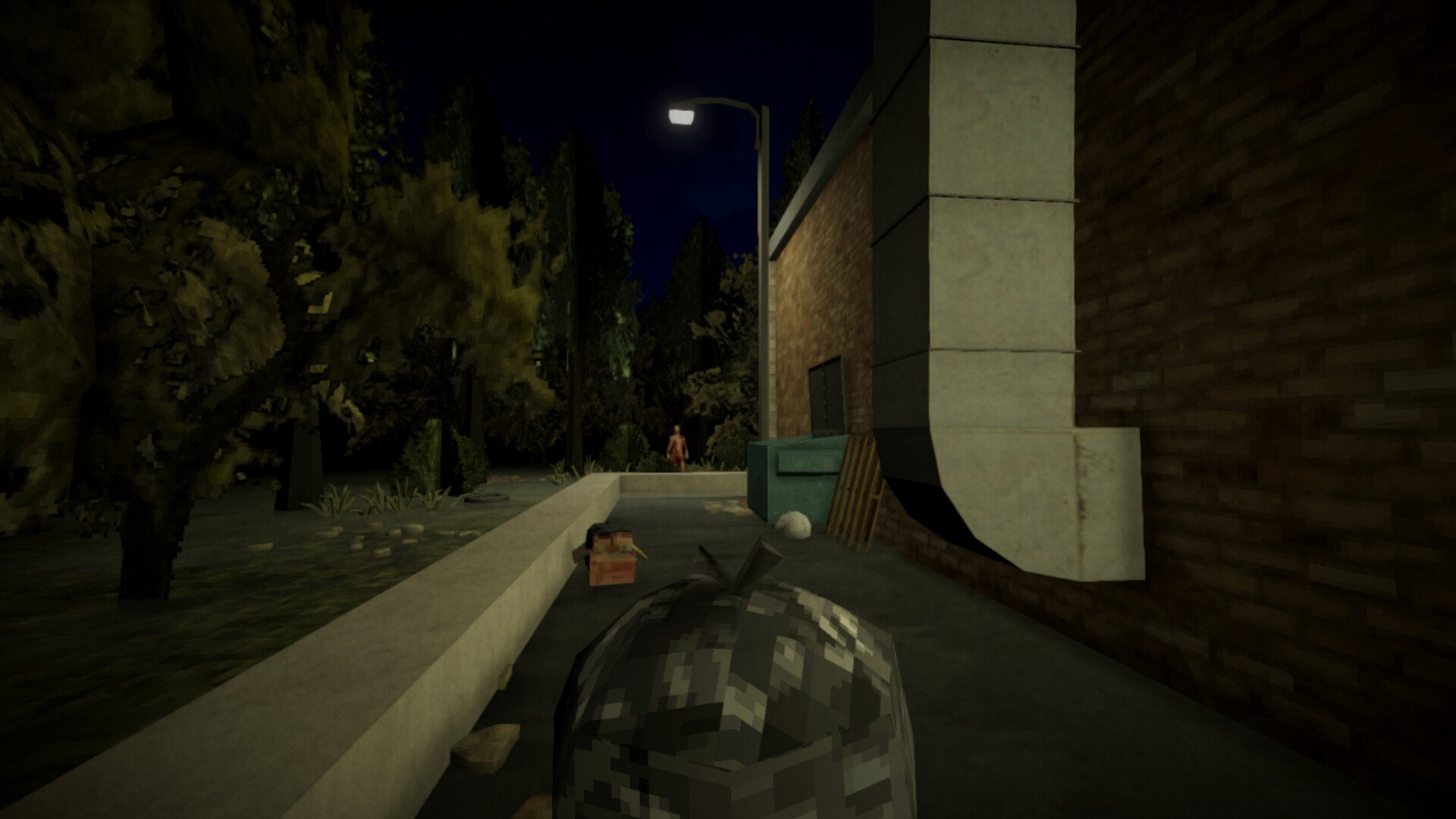
Shift At Midnight becomes difficult when you treat each part of the job as a separate problem. Serving customers, checking identities, stocking shelves, cleaning the store, operating the gas pump, and preparing for possible Entity attacks all compete for the same limited time. The most reliable strategy is to divide every night into phases, use a consistent inspection routine at the counter, and save low-priority maintenance for the quieter parts of the shift.
How to Survive in Shift At Midnight
To survive consistently, keep the counter moving, verify every suspicious customer before bagging their items, and prepare the store immediately when an Entity warning appears. The biggest beginner mistake is focusing so heavily on one system that the others collapse around it.
Your three permanent responsibilities are identifying Doppelgangers, maintaining the store, and completing enough business to protect your income and reviews. The priority between them changes throughout the night.
When customers are present, the counter comes first. During quiet periods, restock shelves, clean visible messes, and place supply orders. If an Entity attack becomes inevitable, normal shop management stops mattering and the entire store should be converted into a survival space.
Do not expect the first few shifts to be perfectly efficient. Early nights are the best time to establish routines that remain manageable once the gas pump, additional creatures, event warnings, and more complicated customers are introduced.
Divide Every Night Into Three Phases
The easiest way to control a shift is to think of it as an opening phase, a service phase, and a closing phase.
At the beginning, inspect the computer for warnings, check supplies, remove dangerous equipment left from the previous night, and make sure the counter is ready before the first customer arrives.
During the main service period, prioritize customers and the gas pump. Use short gaps to place orders, refill important shelves, and clean only the messes that interfere with movement or service.
Near the end of the shift, finish store maintenance before leaving. Restock the shelves, clean the remaining trash or blood, and confirm that no active task has been forgotten.
This structure prevents a common failure where the player spends the opening rush mopping floors, then reaches closing time with unfinished customers and empty shelves.
Treat the NET Database as the Final Authority
The NET Database is the most dependable source of identity information. A customer may lie, behave strangely, or provide convincing answers, but the database record should remain the foundation of your decision.
Scan the barcode on the customer’s ID card or enter the name manually into the computer. Begin by confirming whether the person is listed as alive. This is one of the quickest checks available and can expose an obvious impostor without spending time on a full interrogation.
Next, compare the occupation, physical description, and any unusual notes against the person standing in the store. Specific habits are especially useful. A database entry may mention clothing, movement, or a consistent purchasing behavior that can be checked directly.
Do not reject someone solely because they seem unsettling. Shift At Midnight is built around uncertainty, and an unusual customer can still be human. Look for contradictions between the person, their answers, and the database rather than relying on appearance alone.
Use a Fast Inspection Routine for Every Customer
A complete investigation of every customer is safe but inefficient. Instead, use the same quick sequence and only ask additional questions when something does not match.
Start with the database status, then verify the person’s occupation. Read the description field for a memorable physical or behavioral detail, and observe how the customer moves while shopping.
Once the gas pump becomes part of the shift, add the vehicle to the routine. Check the license plate and confirm that it belongs to the correct registered owner.
Reserve your available questions for details that can actually resolve uncertainty. Asking five low-value questions does not provide more protection than asking one question about a suspicious occupation or contradictory feature.
A strong inspection process should become automatic: scan, verify life status, check occupation, compare the description, observe behavior, and inspect the vehicle when applicable.
Never Bag the Items Before Reaching a Verdict
Bagging the customer’s items should be the final action, not something you do while still investigating. Once you complete the transaction, you may lose the opportunity to stop a Doppelganger before the mistake affects the end of the shift.
Keep the items unbagged while checking the database and asking questions. The extra few seconds are worth more than rushing one sale and triggering a dangerous encounter later.
This also creates a clean mental distinction between investigation and service. While the items remain on the counter, the identity check is still active. Once you are satisfied that the customer is human, bag the purchase and move to the next person.
Do not let a growing line pressure you into approving uncertain customers. One delayed transaction is easier to recover from than an avoidable Entity hunt.
Do Not Punish a Human Without Strong Evidence
Mistaking a human for a Doppelganger carries a financial penalty, so aggressive guessing is not a sustainable strategy. The goal is not eliminating everyone who looks strange. It is identifying contradictions that are supported by the available systems.
When two pieces of evidence disagree, verify a third. A questionable outfit may be explained by the description, while an occupation mismatch combined with an invalid record is much more meaningful.
In co-op, have another player review the information before making a permanent decision. A second person may notice that the name was entered incorrectly or that a visual feature was misread.
When playing alone, slow down for genuinely ambiguous cases. Time matters, but an unnecessary penalty can erase the benefit of several successful transactions.
Keep the Counter as Your Main Solo Priority
Solo players cannot maintain every part of the store simultaneously. When choosing between a waiting customer and a small mess on the floor, serve the customer first.
Customers and the gas pump directly control the active flow of business. Cleaning and restocking still matter because poor store conditions hurt reviews and reduce future traffic, but those tasks can usually wait for a gap.
Use short breaks to complete one maintenance job at a time. Refill a critical shelf, return to the counter, then clean the nearest mess during the next opening.
Do not begin a full-store cleaning project while several customers are still shopping. You may finish with a spotless floor and a line of people who were never served.
Before ending the shift, reverse the priority. Once customers stop arriving, complete the cleaning and restocking needed to protect the store’s rating.
Place Supply Orders Before You Are Completely Empty
A practical time to review supplies is around the middle of the shift. Waiting until the final item leaves a shelf creates a period where you cannot satisfy customers while the replacement order is still pending.
Focus first on products that are selling quickly. A shelf that has barely moved does not need the same attention as one that repeatedly empties during the night.
Avoid placing several small emergency orders when one planned restock could cover the remainder of the shift. Frequent interruptions make it harder to watch customers and investigate suspicious behavior.
In co-op, give ordering responsibility to the player handling shelves and cleaning. The counter player should not repeatedly leave the database screen to check stock levels.
Check the Computer Before Opening the Store
The computer is more than an identity-checking tool. It also provides warnings about events and creatures that may affect the upcoming shift.
When the computer makes its notification sound, check the available messages before business becomes busy. A warning can change how you should prepare the entire store.
Blood Moon events indicate increased Doppelganger activity and a confirmed Entity hunt after the shift. On those nights, normal survival preparation should begin before the store closes rather than after the countdown appears.
Other warnings may introduce unfamiliar creatures or event-specific dangers. Read the complete message instead of assuming every night follows the same rules as the previous one.
Warnings are especially important in multiplayer because they allow responsibilities to be assigned before panic begins. Decide who will gather boards, who will place traps, and where each player plans to hide.
Prepare All Three Entrances for an Entity Hunt
The store has three important entry points: the main entrance, the toilet door, and the rear office door. Focusing exclusively on the front leaves two other ways for the Entity to enter.
Board as many entrances as possible before the countdown ends. Begin with the routes closest to your planned hiding area, then reinforce the remaining doors if time allows.
Do not place every board and trap in one section of the store. Layering defenses across several routes consumes more of the Entity’s time and Patience than creating one heavily fortified doorway while leaving another completely open.
Plan the escape route before the attack begins. A barricade is less useful when it traps you inside the same room as the approaching Entity.
Use Traps to Drain Patience, Not to Win a Direct Fight
The objective of an Entity encounter is survival, not defeating the creature through direct combat. Traps help reduce its Patience and shorten the amount of time you need to remain hidden.
Place traps along likely movement routes rather than directly beside your hiding spot. A trap that activates near a vent can reveal the area you intended to use as a refuge.
Spread traps between entrances, central aisles, and routes connecting the front and rear sections of the store. The goal is to make the Entity encounter resistance while searching rather than allowing it to cross the shop freely.
Unused traps must be dismantled before the next normal shift. They can injure customers, turning a useful survival tool into a store-management problem.
Use Vents and Distance Instead of Trying to Fight
Vents provide temporary hiding spaces during an Entity attack. Memorize their locations during normal shifts so you are not searching for an entrance while the countdown is already running.
The Entity cannot see, which makes controlled movement possible when it is far enough away. Crawl between cover and the loading area rather than sprinting across the center of the store without a plan.
Remain aware of the Entity’s position and avoid leaving a vent directly into its path. Hiding does not help when you exit at the first sound and move toward the threat.
You only need to survive until its Patience is exhausted. Every successful trap and wasted search path brings the encounter closer to ending.
After the main Entity leaves, do not assume the store is completely safe. Smaller remaining creatures may still need to be dealt with before the shift officially concludes.
Use a Two-Pass Strategy When Playing Solo
Solo play becomes manageable when you stop trying to maintain perfect store conditions throughout the entire night.
During the first pass, concentrate on revenue and investigation. Stay near the counter, operate the gas pump when needed, process customers, and place the important supply order around the midpoint.
During the second pass, clean and restock before ending the shift. Blood, trash, and partially empty shelves can wait temporarily as long as they are addressed before you leave.
If an Entity warning is active, begin placing boards and traps early enough that the closing period does not become an impossible combination of cleaning, stocking, and survival preparation.
Because Shift At Midnight relies on automatic progress checkpoints, it is also worth finishing the active night before leaving. Our Shift At Midnight save guide explains when the game records progress and when it is safest to quit.
Assign Permanent Roles in Co-Op
Co-op becomes inefficient when every player reacts to the same visible problem. Two people standing behind the register do not serve the customer twice as quickly, while the shelves and floor remain neglected.
Assign one player to the counter and investigations. That person should control the database search, ask the main questions, and make the final call about whether the customer appears human.
A second player can manage shelves, cleaning, and supply orders. A third can move between the gas pump, customer observation, and whichever area is falling behind.
During suspicious cases, communicate evidence rather than vague impressions. Saying that the occupation conflicts with the database is more useful than simply announcing that someone looks wrong.
When an Entity attack begins, switch from store roles to survival roles. One player boards entrances, another places traps, and the remaining player tracks the timer and threat position.
Shift At Midnight supports a small co-op group rather than a large public team. Our Shift At Midnight multiplayer guide covers the supported player count, crossplay status, and how the co-op setup works.
Keep Co-Op Callouts Short and Specific
Long discussions at the counter create confusion while the customer line continues growing. Use short callouts built around evidence.
State the customer’s name, the suspicious detail, and what still needs verification. For example, identify that the database occupation does not match and ask another player to observe the person’s behavior or vehicle.
Only one player should enter information into the database at a time. Multiple people calling out different spellings and descriptions can create more errors than the Doppelganger itself.
Use push-to-talk or a clean microphone setup so important dialogue and warnings remain audible. Customer answers are part of the investigation, and distorted voice chat can cover the information your team is trying to verify.
Protect Reviews Without Chasing a Perfect Store Every Minute
Dirty floors and empty shelves damage reviews, which can reduce future customer traffic and earnings. However, this does not mean every stain must be cleaned immediately.
Store condition should be managed over the complete shift. A temporary mess during a rush is acceptable when it allows customers to be processed and investigated correctly.
Clean areas that interfere with movement first, then address cosmetic messes during slower periods. Restock products that customers actively need before filling shelves that still have enough inventory to last the night.
The closing period is your opportunity to correct the temporary compromises made during service. Do not leave for the bus until the important maintenance work has been completed.
Expect the Job to Become More Complicated
The opening shifts establish the basic loop of cashier work, identity verification, cleaning, and stocking. Later nights add more systems and event-specific threats rather than simply increasing the number of ordinary customers.
The gas pump creates another service point outside the counter. Vehicles add license-plate checks to the investigation process, while active warnings can announce creatures or conditions that change the end of the shift.
Do not abandon your original routine as new systems appear. Add the new responsibility to the existing structure. Check the computer during opening preparation, include the plate in the customer inspection, and assign the pump to a roaming co-op player.
Randomized solo nights and the broader progression eventually test whether your routine works without the same scripted sequence each time. A strategy based on priorities is more dependable than memorizing one night’s customer order.
Common Shift At Midnight Beginner Mistakes
Bagging items before verifying the customer is one of the most dangerous mistakes because it turns an uncertain investigation into a completed transaction.
Another common problem is asking every available question without first checking the database. High-value factual checks should come before broad conversation.
Solo players often clean too early, leaving the register unattended while customers and gas-pump requests accumulate. Maintenance matters, but it should not repeatedly interrupt the primary service period.
Co-op teams make the opposite mistake by crowding the counter. Assigning roles creates more value than having every player watch the same ID card.
Ignoring active warnings leaves the team unprepared for a confirmed hunt or unfamiliar creature. Check the computer before opening and whenever its notification sound plays.
Finally, leaving unused traps around the store can injure normal customers during the following shift. Survival preparation should always be cleaned up when the threat never arrives.
Build a Routine That Still Works Under Pressure
A successful Shift At Midnight run is built around repeatable decisions rather than perfect reactions. Open by checking warnings and supplies, then stay focused on the counter while customers are active.
Use the NET Database as the foundation of every investigation. Confirm life status, occupation, description, behavior, and vehicle registration before bagging the purchase.
During quiet moments, order supplies and handle the most urgent maintenance. Before leaving, restore the shelves and clean the store well enough to protect its reviews.
When an Entity hunt is coming, board all three entrances, spread traps across likely routes, and use vents and controlled movement until its Patience expires. In co-op, assign each responsibility before the countdown reaches zero.
The nights become more complicated, but the basic strategy does not need to change. Protect the counter, verify before serving, prepare before panic begins, and leave lower-priority work for the moments when the store can safely wait.