Slay The Spire 2 Acrobatics Guide
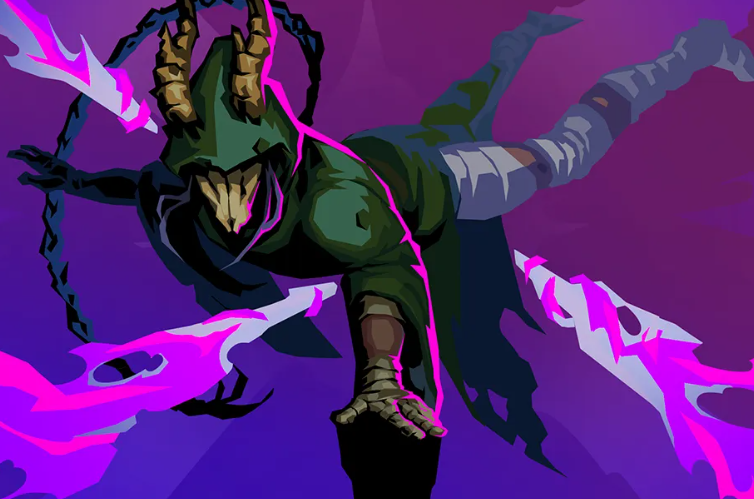
Acrobatics ends up in a lot of winning Silent runs, not because it does anything flashy, but because it keeps your turns from falling apart. You draw into what you actually need, ditch something useless for the moment, and suddenly a dead hand turns into a playable one. After a few fights with it, you start noticing how often it quietly fixes bad draws.
It’s not a damage card and it’s not defense on its own, but it makes both of those things show up when you need them.
What Acrobatics Actually Does
Acrobatics draws 3 cards and discards 1, upgraded to draw 4 and discard 1, for 1 energy.
That’s a lot of card flow for very little cost. You’re effectively digging through your deck while cleaning up your hand at the same time, which is why it feels smooth instead of clunky.
The discard is not really a downside once you get used to it. Most of the time you’re tossing something you didn’t want to play that turn anyway, like an extra attack when you need block or a setup card when you’re under pressure.
Why Acrobatics Feels So Consistent
You feel the value of Acrobatics most on bad hands. Instead of being stuck with something awkward, you get another shot at finding block, damage, or whatever your deck is built around.
That consistency shows up across the whole run. You cycle faster, you hit your key cards more often, and turns where you would normally stall out just don’t happen as much.
Upgraded, it gets even better. Drawing 4 while only discarding 1 makes it much easier to find what you need without sacrificing tempo, especially in longer fights where your deck is already set up.
How Acrobatics Works With Sly
Acrobatics becomes much stronger once you start thinking about Sly. Drawing multiple cards and then discarding one gives you control over what enters play and what gets set up for effects that care about discard.
You’ll notice this in runs where you have cards that benefit from being discarded or played in certain sequences. Acrobatics lets you line those up more reliably instead of hoping your hand comes together naturally.
It also helps you bring key cards into play without having to wait for perfect draws, which makes your deck feel a lot more consistent from fight to fight.
Why It Feels Worse Without Support
Acrobatics is still good on its own, but it really shines when your deck can take advantage of the extra cards.
If you don’t have the energy or synergy to use what you draw, it can feel like you’re just cycling without doing much. You see more cards, but you can’t play enough of them to actually change the outcome of the turn.
That’s where you start noticing the difference between just drawing cards and actually converting that draw into value.
Building Around Acrobatics
You don’t need to build around Acrobatics in a strict sense, but it gets better the more your deck benefits from consistency.
It fits naturally into decks that:
want to find specific cards quickly
use discard as part of their strategy
rely on chaining multiple cards in a single turn
At the same time, you need to be able to use what you draw. If your deck is too expensive or too slow, Acrobatics can expose that by giving you more cards than you can actually play.
When You Should Take Acrobatics
Acrobatics is a safe pick in most runs because it improves consistency without forcing you into a specific strategy. It’s especially strong early when your deck is still coming together and you need help smoothing out bad draws.
It becomes even better once you have cards that benefit from discard or need to be found quickly during fights.
The only time it feels underwhelming is when your deck can’t convert the extra cards into real plays, which is more of a deck issue than a problem with the card itself.
Final Blurb
Acrobatics doesn’t win fights on its own, but it makes your deck function the way it’s supposed to. You see your key cards more often, you fix bad hands, and your turns feel more controlled instead of random.
Once you’ve played enough runs with it, you start noticing how much worse your deck feels without it, because all those small improvements add up over time.