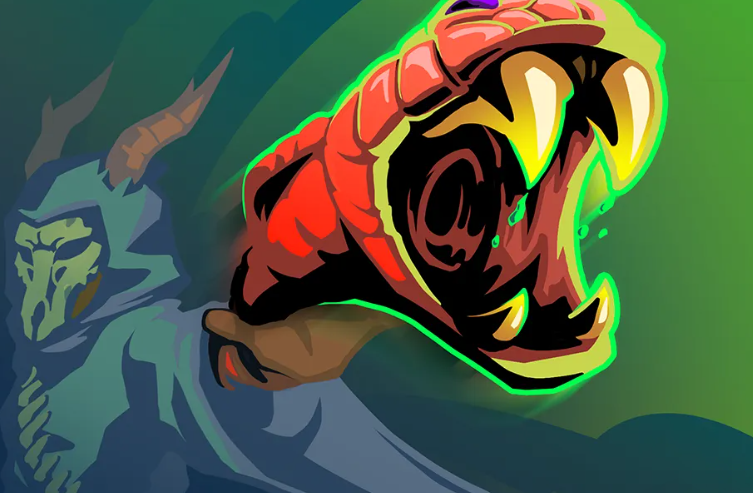
Slay the Spire 2 Act 1 Elites Guide: Overgrowth & Underdocks
Act 1 in Slay the Spire 2 introduces the first real test for your deck. Normal fights help you warm up, but elites are where runs start to swing in your favor or fall apart fast. These encounters drop relics, which are some of the strongest upgrades you can get early.
Understanding how each Act 1 elite behaves makes a huge difference. Some punish slow decks, others punish spam attacks, and a few turn into messy multi enemy fights if you are not ready. Knowing the mechanics lets you plan your path and take elites with confidence instead of guessing.
What To Expect From Act 1 Elites
Act 1 elites in Slay the Spire 2 are designed to test core deck strength early and reward you with relics if you win. These fights introduce mechanics like scaling damage, status cards, damage caps, and multi enemy pressure. Winning them usually means your run becomes much stronger.
Most Act 1 runs should aim to fight at least 1 or 2 elites if your health allows it. Relics snowball power quickly, especially before Act 2 begins.
Overgrowth Elite Encounters
Bygone Effigy
Bygone Effigy begins the fight asleep and does nothing on the first turn. This gives you a free setup window, which is a huge advantage if your deck needs time to build.
It also applies a Slow style mechanic. Each card you play during a turn increases the damage it takes from attacks. This means attack heavy turns hit harder and harder as the chain continues.
Use the first turn to set up powers or draw
Follow with a large multi attack turn
Avoid weak single hits spread across turns
Decks that can play many attacks in a single turn melt this elite quickly.
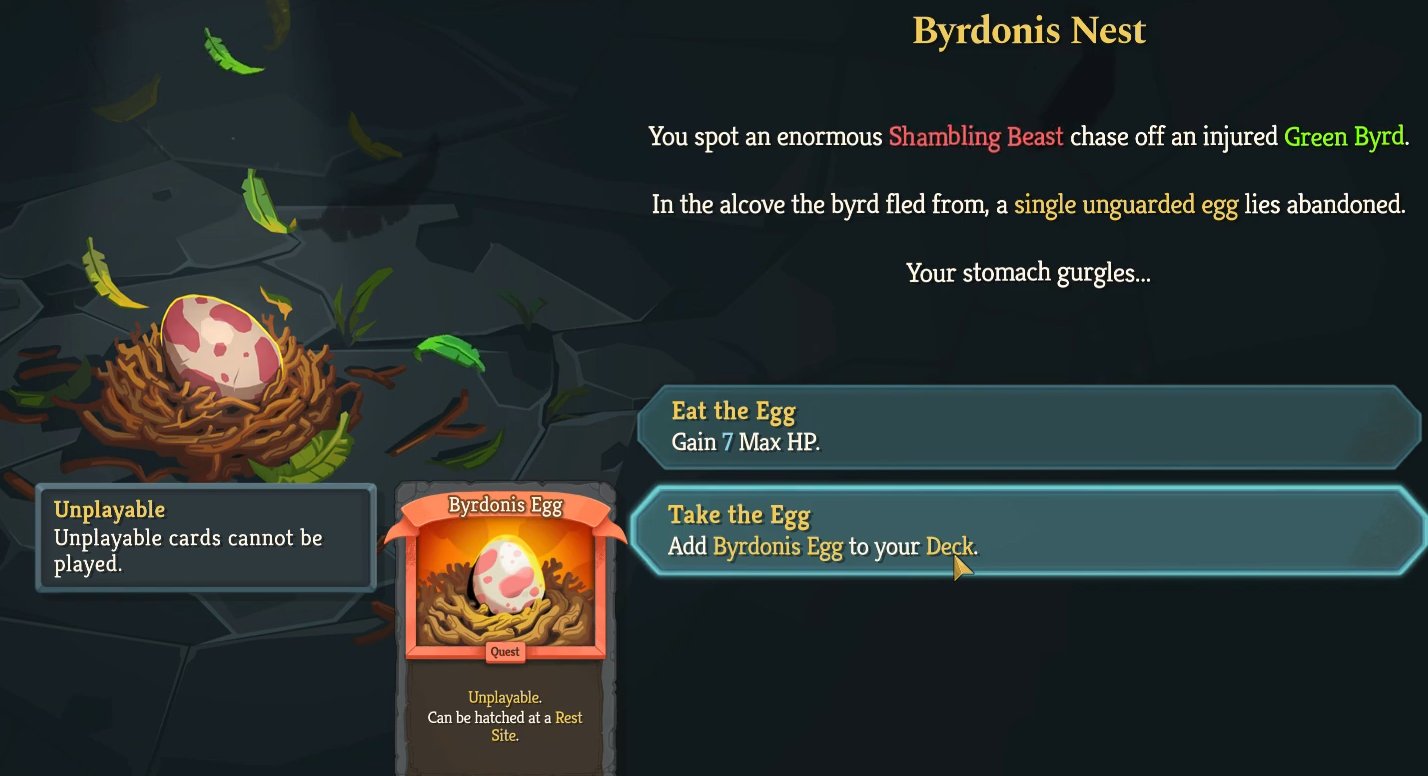
Byrdonis
Byrdonis is one of the simplest elites mechanically but still dangerous. It attacks aggressively and gains Strength at the end of each turn.
This means the longer the fight lasts, the harder its attacks hit. If your deck cannot end the fight quickly, damage will start stacking fast.
Burst damage is extremely effective
Early Strength scaling makes long fights risky
Defensive decks need strong Block generation
Think of this fight as a damage race. The faster you end it, the safer you are.
Phrog Parasite
Phrog Parasite introduces status cards and adds chaos to the fight after it dies. Once defeated, it can spawn additional enemies, turning the encounter into a small group fight.
This means the fight does not truly end when the main enemy drops.
Prepare for extra enemies after the kill
Decks with area damage perform well
Status cards can clog your draw pile
Saving a bit of damage for the second phase helps prevent getting overwhelmed.
Underdocks Elite Encounters
Phantasmal Gardener
Phantasmal Gardener has a defensive mechanic that punishes repeated small attacks. The first time it takes damage each turn, it gains Block.
This means decks that rely on many tiny hits lose a lot of damage value.
Strong single attacks work best
Save big hits after the Block trigger
Avoid wasting multiple small attacks early in the turn
Timing your strongest attacks correctly makes this fight much easier.
Skulking Colony
Skulking Colony is one of the trickier Act 1 elites because of its Hardened Shell ability. It cannot lose more than a certain amount of health each turn.
At the same time, it attacks and adds status cards to your deck.
The fight will last multiple turns due to the damage cap
Focus on consistent damage instead of burst
Card draw helps deal with status clutter
This fight rewards patience. Trying to burst it down usually fails because of the damage limit.
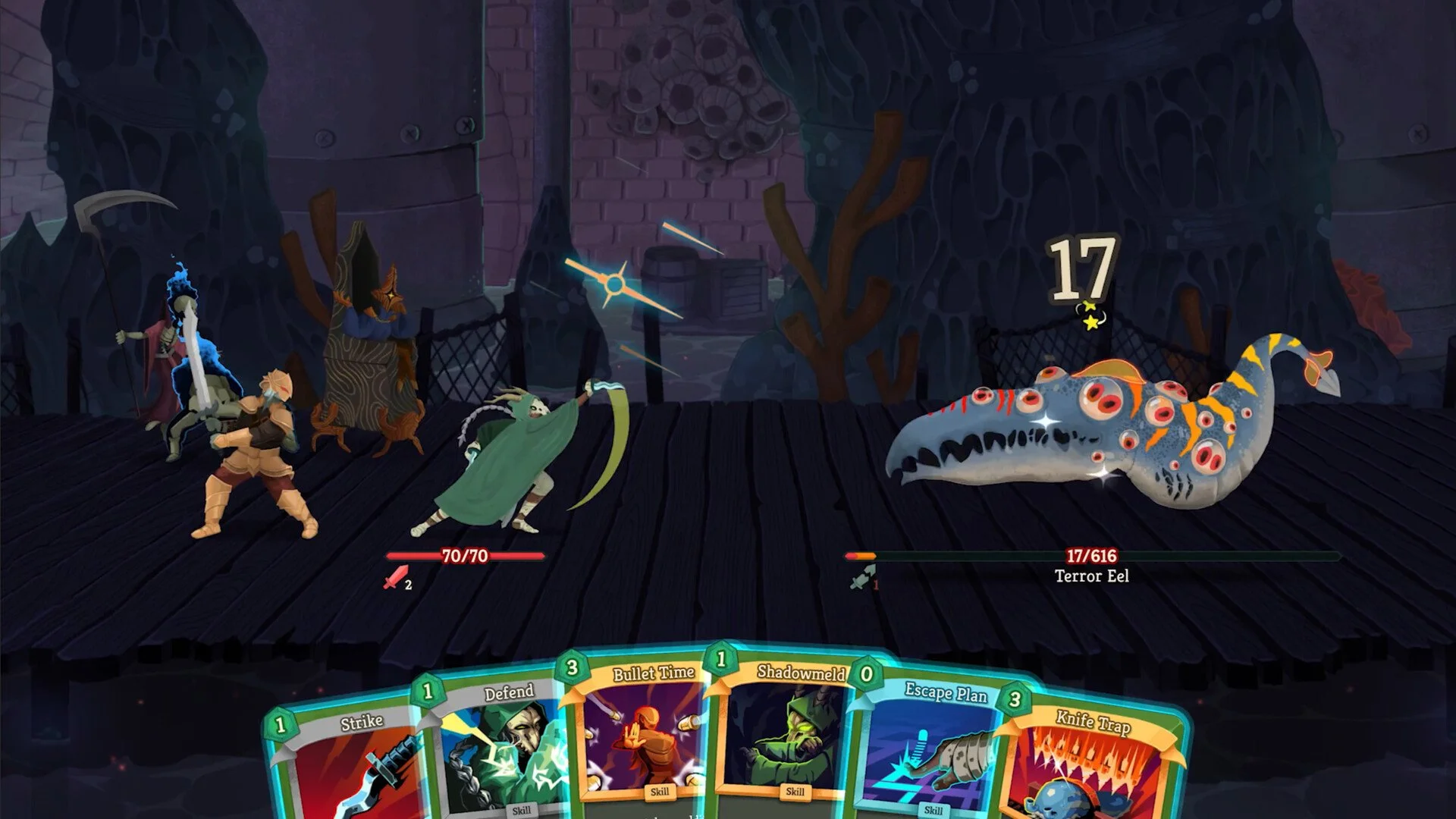
Terror Eel
Terror Eel is a heavy damage attacker that can hit very hard if you are not ready. The key mechanic happens when its health drops below a specific threshold.
When this happens for the first time, it becomes Stunned and skips its next action.
Push it below the threshold at the right time
Use the stun turn to deal large damage
Be ready to Block before the threshold trigger
Managing that stun window properly can turn a dangerous fight into a quick victory.
When To Take Act 1 Elite Fights
Taking elite fights early can feel risky, but relic rewards make them worth it most of the time.
Fight elites after a few normal fights to upgrade your deck
Avoid elites if you are very low health
Early relics dramatically increase win chances
Act 1 elites are often the moment a weak deck becomes a strong one.
Final Blurb
Act 1 elites in Slay the Spire 2 are meant to push your deck early, but they are also one of the best opportunities to power up a run. Each elite introduces mechanics that reward different play styles, from burst damage to careful turn planning.
Once you learn how these fights work, they become much less intimidating. Instead of avoiding elites, you will start hunting them for relics, which is usually the sign of a strong run.
FAQ
How many elites are in Act 1 of Slay the Spire 2?
There are 6 Act 1 elites currently. Three appear in the Overgrowth route and three appear in the Underdocks route.
Are elite fights worth taking in Act 1?
Yes. Elite fights reward relics, which are some of the strongest upgrades you can get during a run.
Which Act 1 elite is the hardest?
Skulking Colony can be difficult for burst decks because its Hardened Shell limits how much damage it can take each turn.
Should you always fight Act 1 elites?
Not always. If your health is very low or your deck has not improved yet, skipping an elite can be the safer choice.