Slay The Spire 2 Afterimage Guide
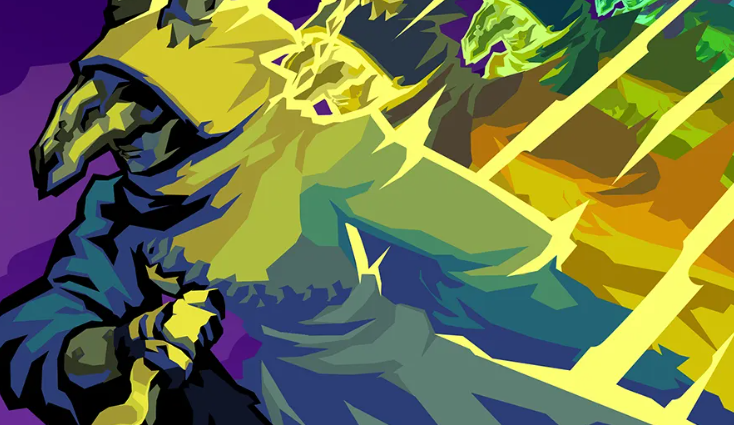
You play a few cards, look up, and realize you didn’t take damage on a turn where you normally would have. That’s what Afterimage ends up doing across a fight. Nothing flashy happens, but every action you take quietly adds a bit of block, and over multiple turns that turns into real survivability without you needing to spend extra cards on defense.
What Afterimage Does
Afterimage gives you 1 Block every time you play a card, upgraded to be Innate while keeping the same effect.
That applies to everything you play. Attacks, skills, powers, anything that leaves your hand adds block. You’re not choosing between dealing damage and defending as often, because both are happening at the same time.
The upgraded version being Innate changes how early it starts working. Having it in your opening hand means every card you play from turn 1 is already giving you value instead of waiting to draw into it later.
How Afterimage Changes Your Turns
Once it’s in play, your turns start feeling less punishing. You’re still playing the same cards, but you’re getting small amounts of block layered on top of every action.
A turn where you play 5 or 6 cards doesn’t just do whatever those cards say, it also gives you 5 or 6 extra block. That doesn’t seem like much in isolation, but over multiple turns it starts covering damage that would normally chip you down.
You feel it most in fights where you’re constantly doing something each turn. Instead of barely keeping up with incoming damage, you’re slowly getting ahead.
Does Afterimage Stack
Yes, Afterimage stacks, and multiple copies change how much block you gain per card.
If you have two copies active, every card you play gives you 2 block instead of 1. That scales quickly in decks that play a lot of cards per turn, because every action is now doubling the defensive value.
This is where things start to feel noticeably stronger. Turns that already involve multiple cards suddenly generate enough block to handle incoming damage without needing dedicated defense.
Where Afterimage Gets Strong
Afterimage scales with how many cards you play in a turn, so it naturally fits decks that are already doing that.
You’ll notice it most in:
Shiv decks where you’re playing multiple low-cost cards
Draw-heavy decks that cycle quickly
Any setup that chains several actions in one turn
In those runs, the block gain stops feeling small and starts feeling like a core part of your defense.
Why It Still Works In Slower Decks
Even in decks that don’t spam cards, Afterimage still pulls its weight because it adds block without asking for anything extra.
You’re still getting value every turn just by playing normally. It won’t carry your defense by itself in slower builds, but it smooths out incoming damage enough to make your turns feel more stable.
That’s why it rarely feels like a bad pickup. It always does something.
When You Should Take Afterimage
You take Afterimage in most runs because it improves your defense without changing how your deck functions. It’s especially strong once your deck starts playing multiple cards per turn, but it still holds value even before that.
The only time it feels less impactful is when your turns are very short and you’re not playing many cards, but even then it’s still contributing.
Final Blurb
Afterimage doesn’t take over your deck, it just makes everything you’re already doing safer. Every card you play adds up over time, and that steady block gain ends up preventing more damage than it looks like it should.
In faster decks it becomes a core defensive tool. In slower ones, it quietly keeps you from falling behind.