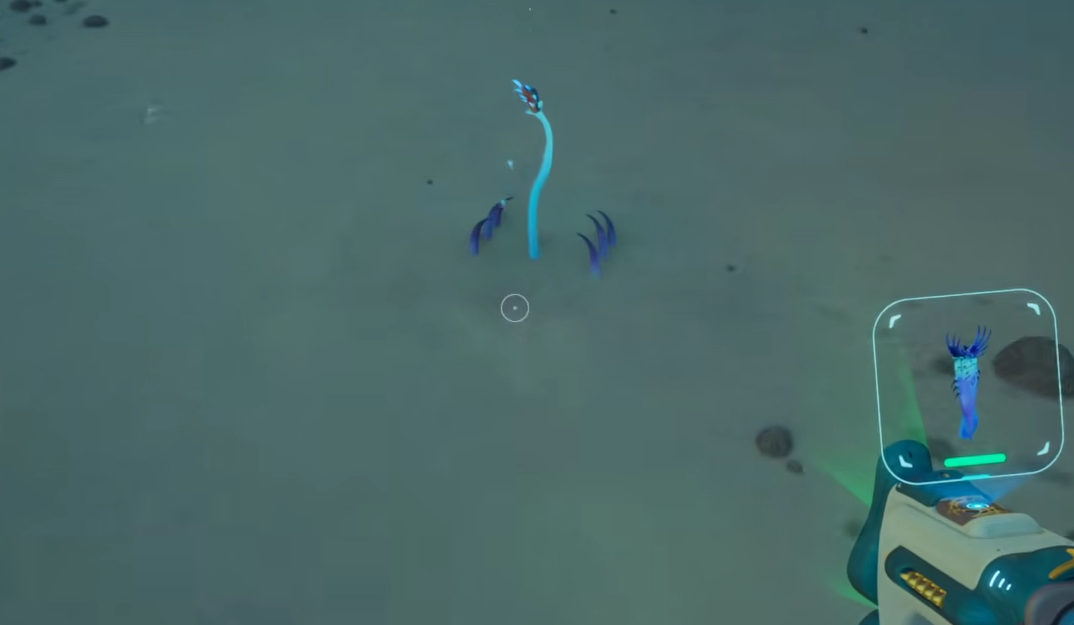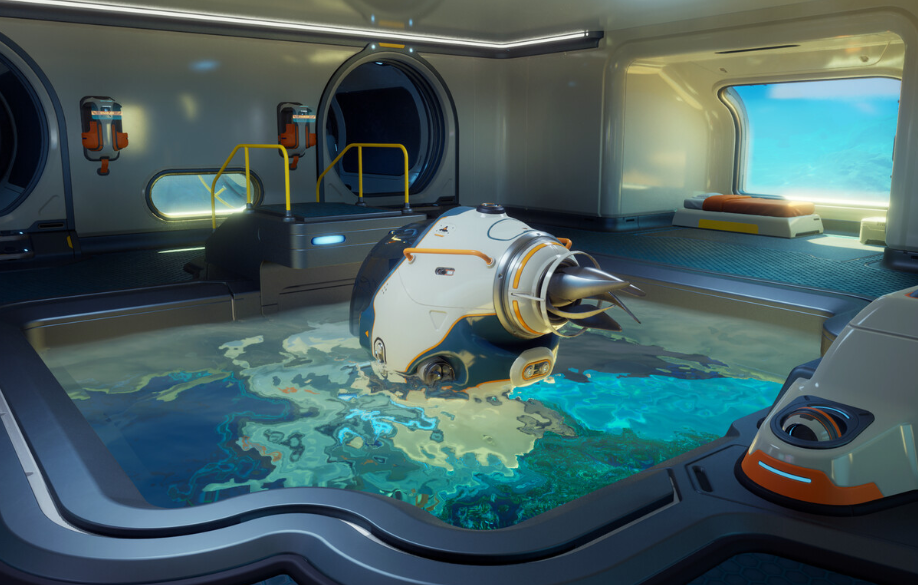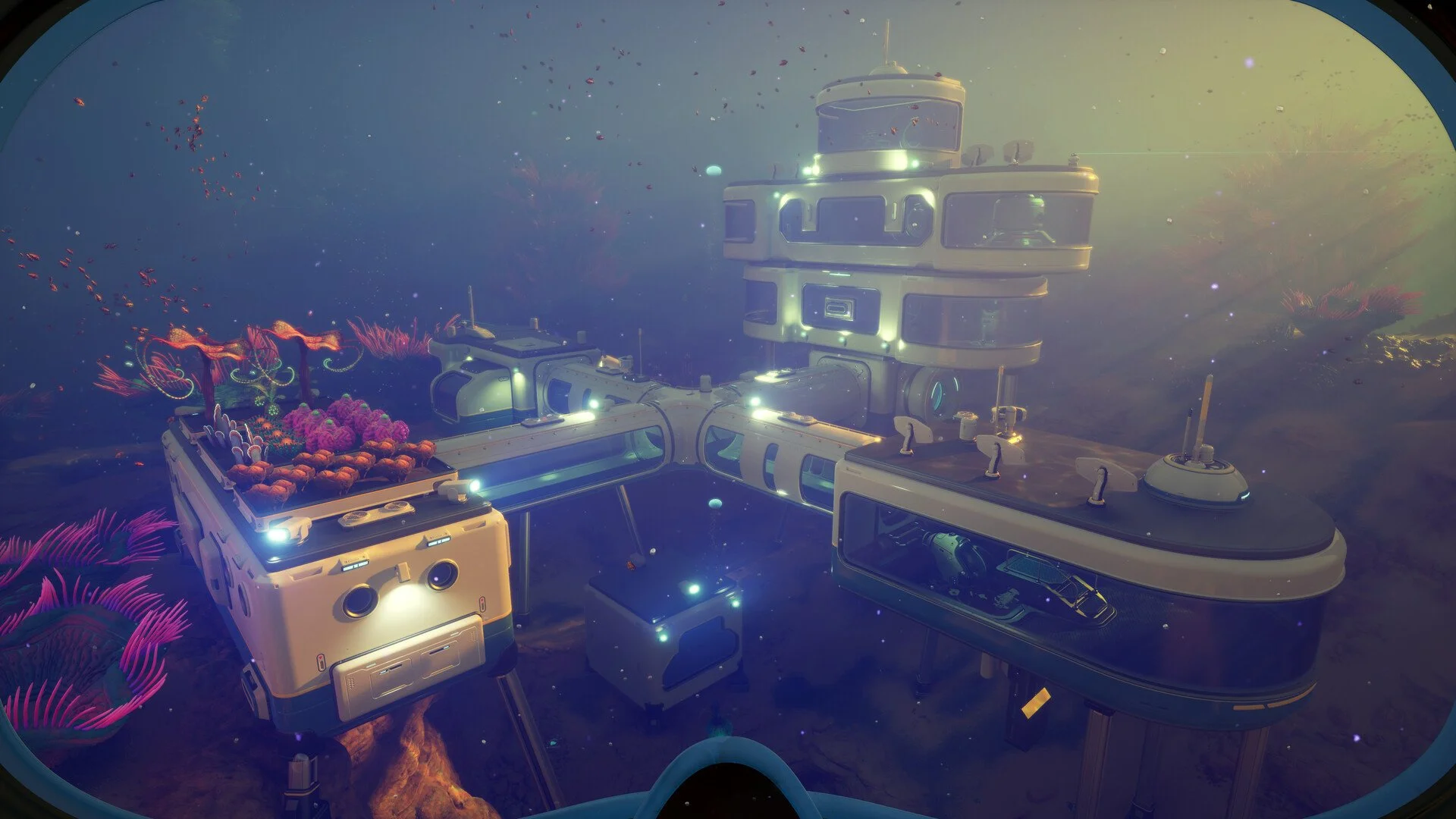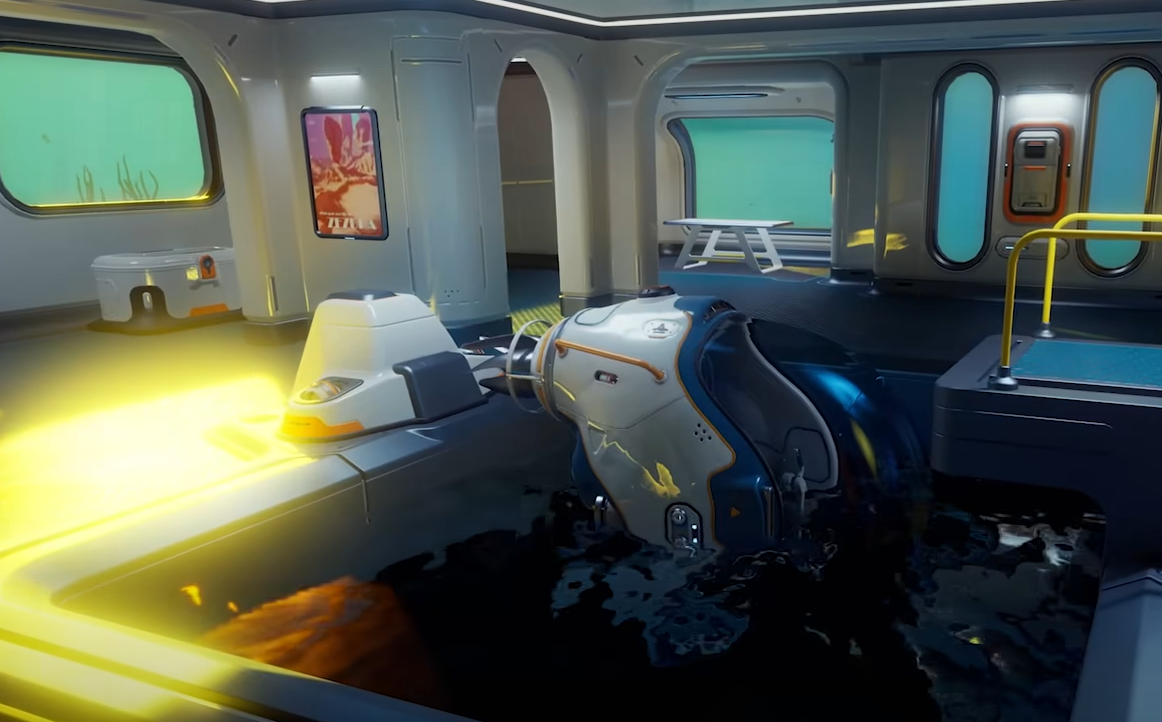
Eating in Subnautica 2 starts out stranger than it looks because fish, plants, and cooked meals are not fully useful until the Digestion Adaptation is unlocked. Nutrient Blocks carry the opening stretch, but the real food loop begins after finding the Angel Comb near the early Anita route.
For more Subnautica 2 survival routes, early crafting help, and resource guides, use the complete Subnautica 2 guide list before pushing deeper into the ocean.
Jump To
How To Eat Food In Subnautica 2
To eat food in Subnautica 2, open the inventory and use a consumable item, but fish and plant based meals only restore food properly after unlocking the Digestion Adaptation from the Angel Comb.
At the start of Survival Mode, Nutrient Blocks are the safest food source because they already work with the character’s body. The Lifepod storage gives a small starter supply, and more can be found in crates or stashes while exploring. Each Nutrient Block restores 40 food, so it is better to use them when the food meter has dropped far enough to avoid wasting part of the restore.
Local food is different. Fish can be caught, plants can be harvested, and the Fabricator can turn those ingredients into meals, but the body cannot handle alien food properly until the Digestion Adaptation is unlocked. That is the main reason early eating feels broken. The ocean is full of food, but the character’s stomach is still filing a formal complaint.
How Digestive Incompatibility Works
Digestive incompatibility means the character cannot properly digest local Subnautica 2 fish and plant food until the Digestion Adaptation is unlocked.
This affects the early survival loop more than the game’s food abundance suggests. Catching fish is easy. Cooking them is also easy once the Fabricator recipes appear. The problem is that alien food does not become the main survival answer until the adaptation is active.
Before Digestion, Nutrient Blocks should be treated like emergency fuel. They keep hunger under control while the route to the Angel Comb is handled. After Digestion, cooked fish, Oily Salad, and later prepared meals become the normal food plan.
Creative Mode is different because survival pressure is removed, and some adaptation limits may not apply the same way. This guide is built around Survival Mode, where hunger, thirst, oxygen, and bad decisions all team up like they had a meeting.
Where To Find The Digestion Adaptation
The Digestion Adaptation is unlocked by interacting with the Angel Comb roughly 150 to 160 meters north or north northeast of the Lifepod, near Anita’s Blackbox route.
From the Lifepod, swim north to north northeast, around 20 to 25 degrees on the compass. The game can point toward this area through the Anita objective, but the route can also be found by following the general direction from the Lifepod and watching for the large Angel Comb plant.
The Angel Comb is a big alien plant with a bright pink center. Swim to the central pink bulb and interact with it. Simply passing by the plant does not unlock anything. The pink core has to be used, and that interaction gives the Digestion Adaptation.
Once Digestion is unlocked, fish and flora can be turned into real food sources. That one interaction changes early survival from rationing Nutrient Blocks to actually using the biome for meals.
Best Early Food Sources In Subnautica 2
The best early food sources are Nutrient Blocks before Digestion, then cooked fish and Oily Salad after the Digestion Adaptation is unlocked.
| Food Source | When To Use It | How To Get It |
|---|---|---|
| Nutrient Block | Before unlocking Digestion | Found in Lifepod storage, supply crates, and stashes. |
| Cooked Fish | After unlocking Digestion | Catch small fish by hand, then cook them at the Fabricator. |
| Oily Salad | After unlocking Digestion | Harvest Fibrous Pulp with the Survival Multitool, then craft it at the Fabricator. |
| Raw Fish | Emergency only | Catch fish by hand and eat it raw, but cooked food is the better option. |
| Later Prepared Meals | After more ingredients unlock | Use later resources like Salt and other biome ingredients. |
Nutrient Blocks are best saved for the opening stretch. They are limited, but they are reliable before the character can digest local life. Once Digestion is active, fish and plants become the repeatable food loop, which is the point where hunger stops feeling like a timer strapped to the inventory screen.
Cooked fish is the simplest steady meal. Oily Salad is a good backup because plants do not swim away, which already makes them more polite than half the early fish.
How To Cook Fish In Subnautica 2
To cook fish in Subnautica 2, catch a small fish by hand, return to the Fabricator, and craft the cooked fish recipe under the Sustenance tab.
Fish can be grabbed directly while swimming if the character gets close enough. Early fish around the Lifepod area are useful after Digestion because they can be turned into quick meals without needing advanced tools.
Cooking is better than eating fish raw. Raw fish can help in an emergency, but it is weaker and can come with downsides compared to cooked food. The Fabricator is the safer habit, especially before heading out for longer cave routes, resource runs, or blueprint scans.
The best rhythm is simple: catch a few fish, cook them before leaving the Lifepod area, and keep one meal ready before swimming toward a longer objective. That prevents hunger from interrupting a trip right when oxygen, depth, or hostile wildlife is already making enough noise.
How To Make Oily Salad
Oily Salad is made by harvesting Fibrous Pulp from underwater plants with the Survival Multitool, then crafting the meal at the Fabricator.
The Survival Multitool turns plant harvesting into a steady food option. Once Fibrous Pulp is collected, the Fabricator can convert it into Oily Salad. This gives a simple non fish meal after Digestion has been unlocked.
Oily Salad is useful because it gives another food route when fish are annoying to catch or when the nearby area has easy plant access. It also helps keep food stable while saving Nutrient Blocks for emergencies or longer trips.
Later recipes can become more useful as more materials are discovered, especially once Salt and other ingredients become easier to gather. Early on, Oily Salad is mostly about consistency. It is not glamorous, but neither is starving beside edible plants because the tool stayed in storage.
Food And Water Tips For Early Survival
Food and water are separate survival problems in Subnautica 2, and thirst usually needs attention more often than hunger.
Water Slugs are the key early water source. They can be collected from the seafloor and converted into Water at the Fabricator. That makes water easier to stabilize than food, as long as Water Slugs are picked up during normal exploration.
Food has a stricter early gate because of Digestion. The clean order is Nutrient Blocks first, Angel Comb second, cooked fish and Oily Salad third. Trying to live on alien food before Digestion is active wastes time and can make the opening feel worse than it actually is.
| Survival Need | Early Answer | Better Ongoing Answer |
|---|---|---|
| Food | Nutrient Blocks | Cooked fish, Oily Salad, and later prepared meals. |
| Water | Water Slugs crafted into Water | Processor recipes and better resource routes later. |
| Longer Exploration | Carry one food and one water item before leaving. | Build a stable storage and crafting loop at base. |
Once food and water are handled separately, the early game feels much cleaner. Water Slugs solve thirst. Angel Comb solves digestion. The Fabricator turns both into a normal survival routine instead of a daily argument with the bottom left HUD.
Common Food Mistakes To Avoid
The biggest food mistake is assuming cooked fish will solve hunger before the Digestion Adaptation is unlocked.
Subnautica 2 lets local food appear early, but that does not mean it is fully useful right away. The Angel Comb is the real food unlock. Until then, the safest plan is to ration Nutrient Blocks and head for the Digestion Adaptation before the food meter becomes urgent.
- Do not rely on fish or plant meals before unlocking Digestion.
- Do not eat Nutrient Blocks while the food meter is above 60.
- Do not swim past the Angel Comb without interacting with the pink center bulb.
- Do not treat raw fish as the main food plan.
- Do not ignore Water Slugs while focusing on hunger.
- Do not leave for longer trips without at least one food item and one water item.
The best early survival route is to use Nutrient Blocks carefully, unlock Digestion near the Anita route, then switch to cooked fish and Oily Salad. After that, hunger becomes background management instead of the main character.
Final Blurb
Eating in Subnautica 2 works properly after unlocking the Digestion Adaptation from the Angel Comb about 150 to 160 meters north or north northeast of the Lifepod. Until then, Nutrient Blocks are the safest food source because local fish and plant meals are blocked by digestive incompatibility.
After Digestion is active, cooked fish and Oily Salad become the best early food loop. Catch fish, harvest Fibrous Pulp, use the Fabricator, and keep Water Slugs for thirst. The ocean becomes much less annoying once it turns from “full of useless snacks” into an actual survival pantry.