

Tabletop Tavern Beginner Guide: Best Tips For Winning Runs
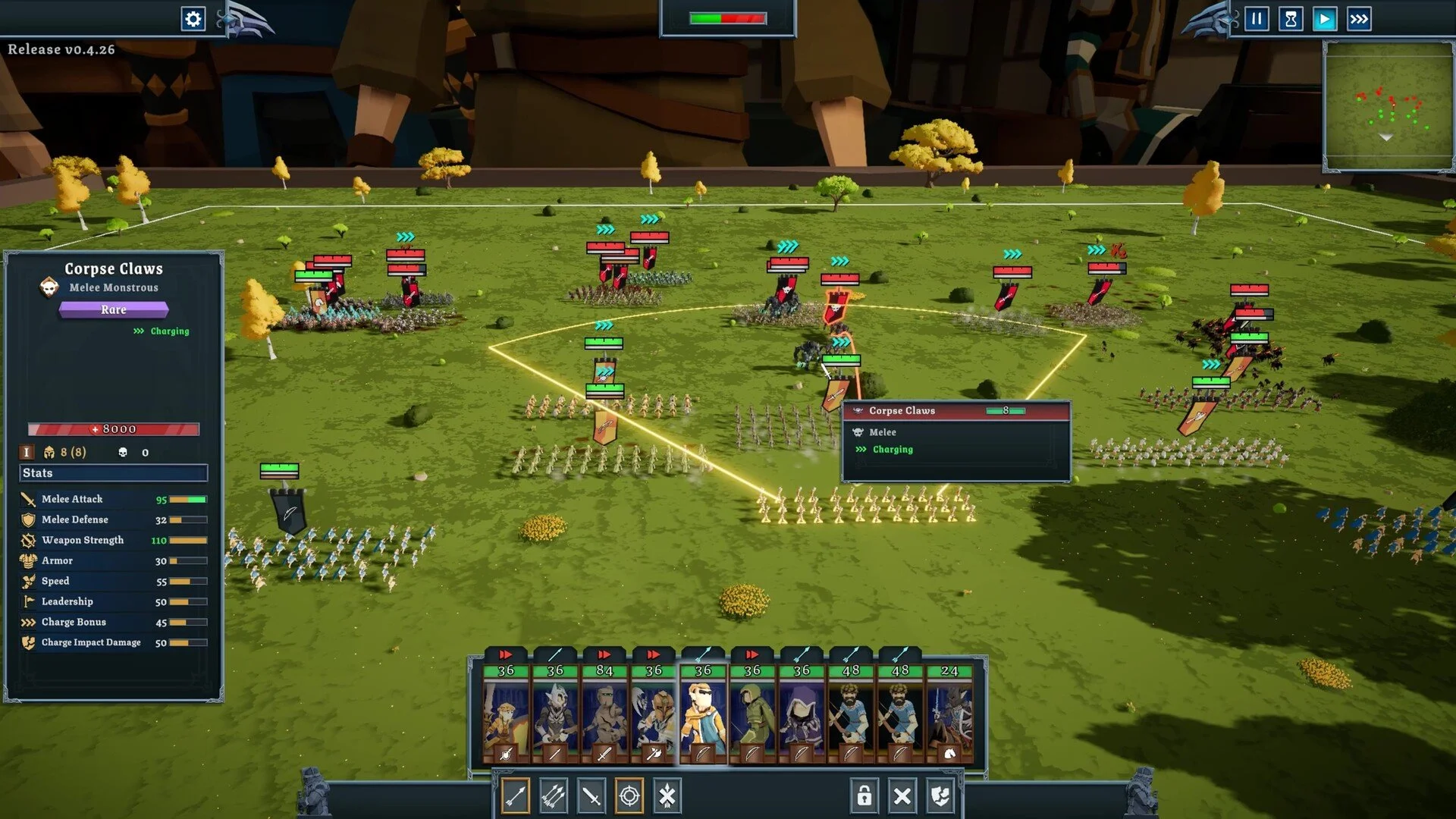
Tabletop Tavern is not a normal “just buy stronger units” strategy game. The best way to win more runs is to build an army with clear roles, check enemy traits before each battle, protect your damage dealers, and use manual battles when the fight looks risky. Auto-resolve is convenient, but manual control is usually stronger once artillery, outriders, cavalry, and morale start deciding fights.
Jump To
Beginner Guide
How To Build A Good Army
When To Play Battles Manually
How To Beat Enemy Artillery
How To Use And Counter Outriders
Formation Tips
How Healing Works
Campaign Map Tips
Best Upgrade Advice
Beginner Mistakes
The Real Goal Is Winning Runs Without Bleeding Your Army Dry
The best beginner strategy in Tabletop Tavern is to treat every run like a chain of small decisions, not one giant army check. Your faction, hero, unit traits, healing choices, battle formation, and campaign route all matter.
Tabletop Tavern is a medieval roguelite army management game with real-time battles. You recruit units, move through campaign events, fight armies, take rewards, heal damaged troops, and spend long-term gold on permanent upgrades between runs.
The simple version is this: build a balanced army, inspect the enemy before fighting, protect your ranged units, flank whenever possible, and do not throw away half your army for a reward you do not need.
| What Matters | Why It Matters |
|---|---|
| Army roles | You need frontline, ranged damage, flankers, and answers to special threats. |
| Unit traits | Traits decide matchups, counters, and deployment tricks. |
| Formation | Good formations let weak units hold space while strong units flank. |
| Healing | Damaged armies lose future fights even if they win the current one. |
| Metaprogression | Permanent upgrades make later runs more forgiving. |
How To Build A Good Army
A good Tabletop Tavern army needs answers, not just damage. Bring units that can hold the line, punish cavalry, pressure ranged threats, and clean up broken enemies. If your army only does one thing well, the wrong enemy army can ruin the entire run.
Early on, keep the army simple. A reliable setup has frontline infantry, spear or anti-large units, ranged units, and at least one fast unit or outrider-style unit for backline pressure.
| Army Role | What It Does | Why You Need It |
|---|---|---|
| Frontline infantry | Holds enemies in place. | Gives your ranged and flanking units time to work. |
| Spear or anti-large units | Counters cavalry and large units. | Stops fast threats from deleting your backline. |
| Ranged units | Deals damage from safer positions. | Lets you punish enemies before and during melee. |
| Cavalry or fast units | Hits weak targets and enemy artillery. | Wins fights by attacking where the enemy is exposed. |
| Artillery | Forces enemies to move and punishes clumped armies. | Can decide battles before the main lines even meet. |
Do not only recruit the unit with the biggest number. Check what your army is missing. If you already have three damage units but no way to stop cavalry, another damage unit might still be the wrong choice.
When To Play Battles Manually
Play battles manually when the enemy army has artillery, dangerous outriders, heavy cavalry, or a matchup that could punish your formation. Auto-resolve is fine for easy fights, but manual control gives you a much better chance to protect key units and win with fewer losses.
This matters because Tabletop Tavern is a roguelite. Losing half your army in one battle can make the next three decisions worse. A manual battle that saves two important units can be worth more than a slightly faster auto-resolve.
| Battle Type | Manual Or Auto? | Reason |
|---|---|---|
| Easy enemy army | Auto is usually fine | Low risk, saves time. |
| Enemy artillery | Manual | You need to rush or disrupt it quickly. |
| Enemy outriders | Manual | You need to protect flanks and backline units. |
| Castle or town siege | Manual if you attempt it | Walls, arrows, and garrisons can cause heavy losses. |
| Final battle of a chapter | Manual | This is where your whole run pays off or explodes. |
The rule is simple: if losing units would hurt the run, play it manually. If the fight is basically free, let auto-resolve do its little spreadsheet ritual.
How To Beat Enemy Artillery
Enemy artillery is one of the most dangerous threats in Tabletop Tavern because it has huge range, heavy damage, and can disrupt your formation before the real fight starts. Deal with it early or it can bleed your army across the entire battle.
The cleanest counter is an outrider unit. Outriders can deploy outside your normal deployment box, which lets them start closer to enemy artillery. Once the battle begins, rush them into the artillery and try to destroy it before it ruins your main army.
| Artillery Counter | How It Works | Risk |
|---|---|---|
| Outrider rush | Deploy near the map edge and attack artillery immediately. | The outrider may die if unsupported. |
| Cavalry rush | Use fast units to reach artillery before it gets too much value. | Risky if enemy spears or guards are nearby. |
| Long-range fire | Move your longest-range units close enough to shoot it. | Can expose your ranged units if positioned badly. |
| Your own artillery | Outrange or trade into enemy backline threats. | Depends on matchup and deployment space. |
If you ignore artillery, your army may arrive at the frontline already damaged and disorganized. That is how a winnable fight becomes a slow, medieval insurance claim.
How To Use And Counter Outriders
Outriders are powerful because they can deploy outside the normal deployment area. This makes them excellent for attacking artillery, pressuring exposed ranged units, and forcing the enemy to react before the main lines clash.
They are also dangerous when the enemy has them. Before every battle, inspect the enemy army and look for outrider units. If the enemy can deploy near your flanks or backline, do not leave your archers sitting alone like free snacks.
| Outrider Situation | Best Response |
|---|---|
| You have an outrider | Use it to rush artillery or exposed ranged units. |
| Enemy has cavalry outriders | Place spears or anti-large units near your backline. |
| Enemy has ranged outriders | Use cavalry, swords, or fast units to chase them down. |
| Enemy has infantry outriders | Keep reserves near flanks so they cannot surround your army for free. |
Outriders are not just bonus units. They change the shape of the battlefield before the battle even starts. Plan for them during deployment, not after your archers are already being bullied behind the tavern.
Formation Tips
Formations are one of the easiest ways to improve in Tabletop Tavern. You can right-click and drag a unit formation wider or thinner, which changes how much space it controls and how it meets enemy units.
A wide, shallow formation is useful for weaker or larger-count units because it lets them touch multiple enemy units at once. That can hold enemies in place long enough for your better units to flank.
| Formation Choice | Best Use |
|---|---|
| Wide frontline | Holding multiple enemy units and creating space for flanks. |
| Deeper formation | Keeping a unit more compact and durable in a focused fight. |
| Protected backline | Keeping ranged units behind infantry, spears, or terrain. |
| Flank-ready units | Keeping fast or melee units free to hit enemy sides and rear. |
Flanking is huge. If an enemy is already fighting your frontline, hitting it from the side can deal heavy morale damage. Even if the unit cannot rout, flank attacks can still reduce its defensive value and help you win the melee faster.
Also, do not shoot shielded units from the front if you have a better angle. Ranged attacks are more effective from the side or back against shielded enemies. The front of a shield is famously the worst place to shoot the shield. History has been clear on this.
How Healing Works
Healing is one of the most important campaign mechanics in Tabletop Tavern because damaged units carry that problem into future battles. Winning one fight badly can still lose the run later.
There are several ways to heal, including reserve slots, taverns, villages, cozy campfires, potions, and prestiging units. The best choice depends on your army condition and where you are on the map.
| Healing Method | What It Does | When To Use It |
|---|---|---|
| Reserve slots | Units placed in reserve heal after the next battle. | Use for damaged units you do not need immediately. |
| Tavern | Can heal the army for gold if the event appears. | Useful when the army is wounded and you can afford it. |
| Village rest | Lets you stay the night and heal units. | Often better than greedily sacking every village. |
| Cozy campfire | Can offer healing or other useful options. | Strong event when you need recovery or scouting. |
| Health potions | Heals a unit depending on potion strength. | Best for saving key units before dangerous fights. |
| Prestige | Combines three same-type, same-rank units into a stronger one. | Useful for upgrading and cleaning up weak, damaged units. |
Do not treat healing as optional. A half-dead elite unit is not elite. It is a future casualty with better branding.
Campaign Map Tips
The campaign map is where a lot of runs are won or lost before the battle starts. Every event choice matters because your army, gold, health, and long-term upgrades are all connected.
Villages and towns are especially important. You can use them for healing, recruiting, or sending gold to your vault for permanent upgrades. Sacking can give rewards, but it can also cost too much if the fight is dangerous or your army is already weak.
| Campaign Choice | Good When | Bad When |
|---|---|---|
| Rest at village | Your army is damaged and needs to survive future battles. | Your army is healthy and you need rewards more. |
| Sack village or town | Your army is strong and the reward is worth the risk. | You are wounded or close to a major battle. |
| Send gold to vault | You want stronger permanent progression after the run. | You need that gold immediately for survival. |
| Recruit local unit | It fills a real gap in your army. | It is just another body you do not need. |
Be careful with sieges. Towns and castles can have walls, arrow fire, and garrison units. Artillery makes these fights much safer because it can outrange defenders and break gates. Without artillery, a siege can turn into a very expensive lesson in overconfidence.
Best Upgrade Advice
After a run, spend vault gold and campaign rewards on permanent upgrades that make future runs smoother. Tabletop Tavern's upgrade system is expensive, so do not expect to unlock everything quickly.
Early upgrade priorities should usually focus on consistency. More gold, better shop value, stronger gear management, extra potion space, extra gear space, and more reserve capacity can all help future runs.
| Upgrade Type | Why It Helps |
|---|---|
| Gold generation | Gives more flexibility during runs. |
| Shop improvements | Makes buying units, gear, or useful items less painful. |
| Gear management | Lets you support key unit types more effectively. |
| Extra gear slots | Increases your long-term army power. |
| Extra potion slots | Gives more emergency tools during difficult routes. |
| Extra reserve slot | Makes healing and roster management easier. |
Playing on lower difficulty while unlocking upgrades is completely reasonable. This is a roguelite. The game expects you to build long-term power, not prove your honor by losing bravely with no reserve slot.
Beginner Mistakes
The biggest beginner mistake in Tabletop Tavern is fighting every battle like the only thing that matters is winning that battle. You need to win while preserving the army for the rest of the run.
| Mistake | Why It Hurts | Better Habit |
|---|---|---|
| Ignoring enemy traits | You get surprised by artillery, outriders, cavalry, or shields. | Inspect the enemy army before deployment. |
| Auto-resolving risky fights | You may take unnecessary losses. | Play dangerous battles manually. |
| Leaving ranged units exposed | Enemy outriders or cavalry can punish them quickly. | Guard flanks and backline with counters. |
| Charging straight into artillery | Your army gets damaged before the real fight starts. | Use outriders, cavalry, or long range pressure. |
| Never healing | Damaged units snowball into future losses. | Use villages, reserves, taverns, potions, and campfires. |
| Sacking everything | You may take losses that ruin the final fight. | Only take risky rewards when your army can afford it. |
| Ignoring faction and hero bonuses | You miss the entire point of your run setup. | Build around the bonuses you picked. |
Faction and hero bonuses should shape the run. Some bonuses reward staying within a faction, choosing rewards in a certain order, or playing around a specific economy trick. Read them before you start recruiting random shiny units like a raccoon with command authority.
Final Blurb
Tabletop Tavern gets much easier once you stop thinking only about army size and start thinking about army function. Build a balanced roster, inspect enemy traits, counter artillery early, protect your backline, use formations properly, and keep damaged units alive between battles.
The real trick is preserving momentum across the whole campaign. A clean win is better than a reckless win, and a healed army with good upgrades will carry runs much further than one lucky battle followed by seven bad decisions in a hat.
