US Gamers Are Buying Fewer Games Than Ever in 2025
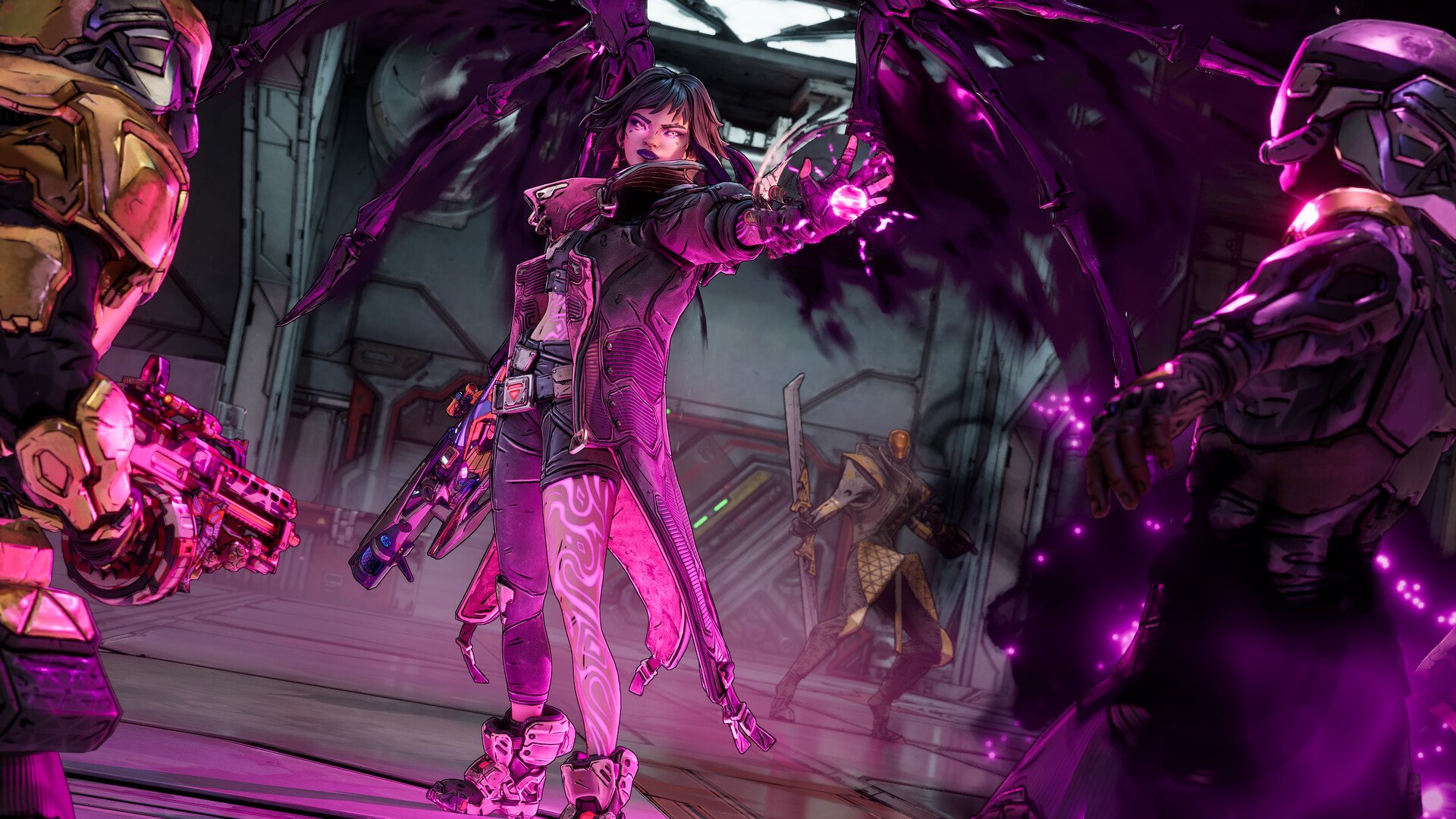
Image Credit: Borderlands 4
The latest market data shows that most players in the US barely buy new games anymore. Even though people are gaming more than ever, the number of full-price purchases keeps dropping each year.
How Many Games People Actually Buy Now
New research from Circana found that 63 percent of American gamers only buy one or two games a year. Around 33 percent don’t buy any new games at all. That means a third of active players just stick with what they already have.
Only about 4 percent of players are responsible for most new game sales. These are the hardcore fans who buy something new almost every month and keep the market moving.
Why So Many Gamers Stopped Buying
Subscription Services Are Changing Habits
Players are loaded with options now. Game Pass and other services give access to hundreds of games without needing to buy them. When you can try almost anything instantly, paying $70 for a single release doesn’t make much sense.
Free-To-Play Titles Keep People Hooked
Games like Fortnite, Apex Legends, and Roblox continue to grow with constant updates. Instead of buying new titles, players just spend money inside the ones they already love. Skins, passes, and microtransactions are replacing traditional sales.
Prices Keep Going Up
With most major releases now priced between $70 and $100 for deluxe versions, players are becoming picky. Many just wait for seasonal discounts or buy used copies instead of paying full price.
Hardware Sales Still Rising
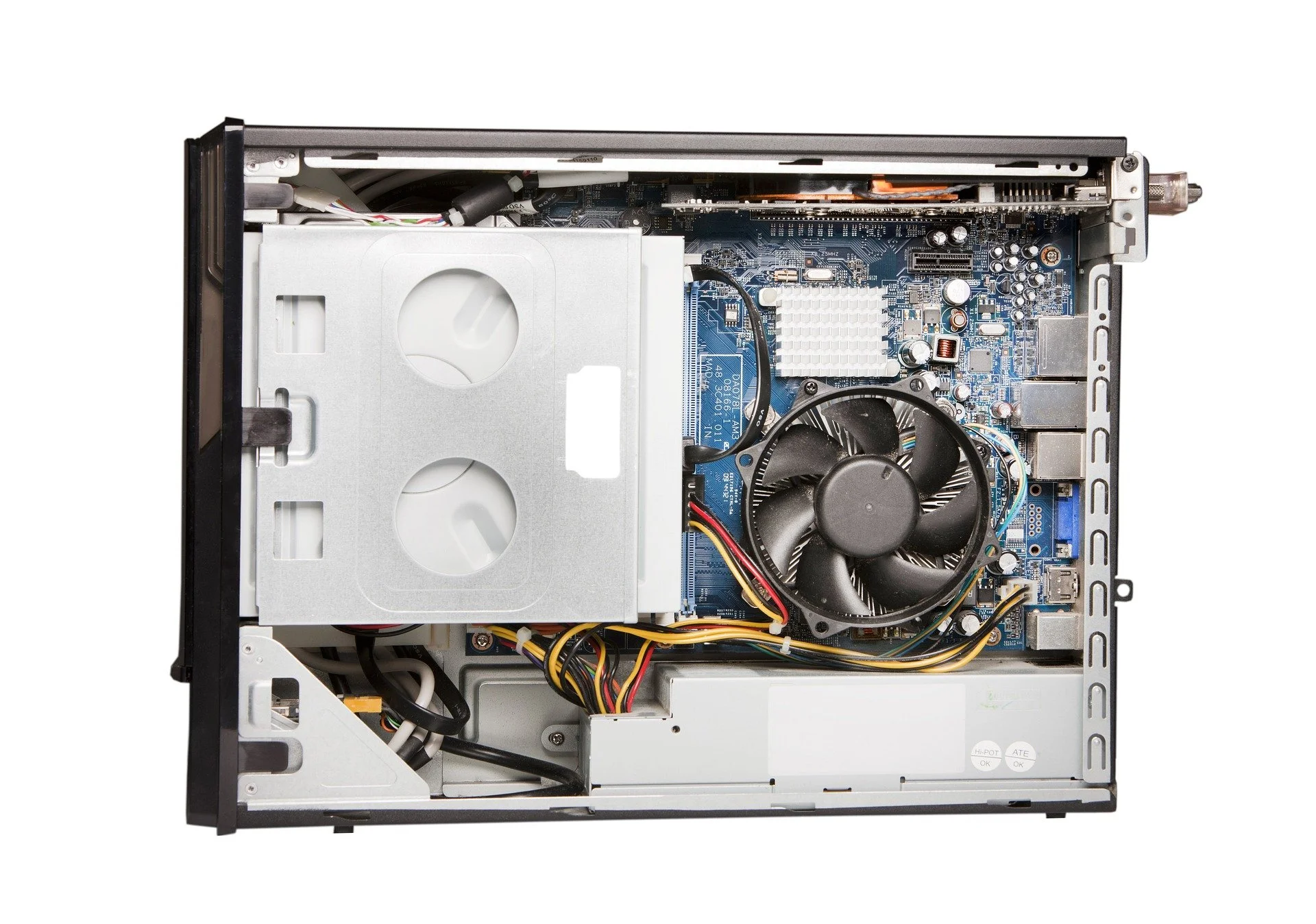
Despite slower software sales, console hardware is having a strong year. Circana reports that hardware spending is up roughly 20 percent in 2025, reaching close to 3 billion dollars.
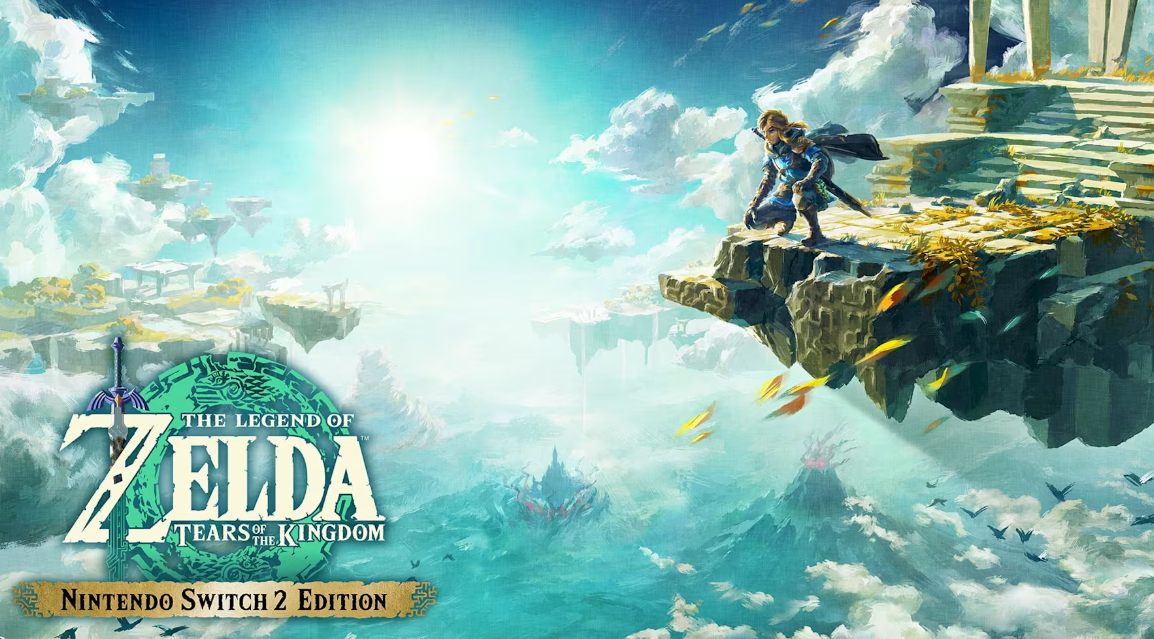
The Nintendo Switch 2 is leading the charge, selling 77 percent faster than the original Switch during its early months. At $499, it’s not cheap, but the demand shows players are still investing heavily in their setups even if they’re buying fewer games.
What It Means Going Forward
Game studios are now relying on a small group of dedicated spenders instead of the broader audience. That’s why so many new releases focus on in-game purchases and premium bundles.
Casual players are still gaming plenty but are fine sticking to older or free titles. The real growth now happens in services, not store shelves.
Final Blurb
The takeaway is simple. People are playing more but spending less. Hardware is booming, free games dominate, and the few who buy new titles are carrying the whole industry. Traditional sales aren’t dead yet, but they’re definitely shrinking fast.
More News Articles