Vampire Crawlers Trickster Guide: How To Find And Beat It
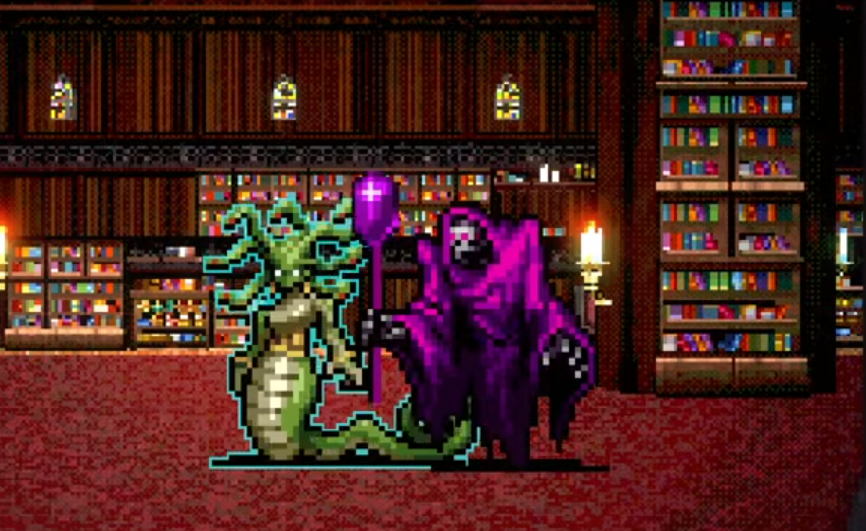
Trickster is one of the easiest enemies to misunderstand in Vampire Crawlers because it does not come from normal stage progression. It appears when repeated card use pushes the shatter system too far, so the fight is really about combo discipline, card cracks, and knowing when a long turn has stopped being useful.
How Trickster Works In Vampire Crawlers
Trickster appears when a card breaks after too much repeated use, so finding it means forcing the card shatter system instead of searching for a fixed spawn location.
The game does not place Trickster at the end of one specific dungeon or treat it like a normal stage boss. It shows up because of how the deck is being played, which is why the encounter can feel random until the cracking system makes sense.
When the same card is played too many times, it can start to crack. If that card keeps getting used after cracks appear, it can break, and that break can bring Trickster into the fight. Long combo turns, loop decks, draw chains, and repeated card setups are the main ways to run into it.
Trickster Is A Combo Control Problem
Trickster works more like a combo control test than a standard enemy fight. The danger comes from pushing repeated card loops too far, then trying to keep playing the same way after the enemy has already appeared.
Long combos are still powerful when the deck has control over the turn. They become risky when the same card keeps cycling while cracks are already showing. Loop builds can still be strong, but they need an off switch before the deck creates a fight it is not ready to finish.
That is the real lesson behind Trickster. The game is not saying combos are bad, it is saying endless repetition has a cost, and that cost is a purple problem with 30,000 base health.
How To Spawn Trickster On Purpose
To spawn Trickster on purpose, the deck needs to keep replaying the same card until it cracks and eventually breaks. The best tools for this are usually draw, Mana, Wild support, and repeat effects, since those keep the turn alive long enough for a card to shatter.
Good tools for forcing Trickster include:
• Wild cards that keep the combo chain open
• Tomes that help with Mana
• Draw effects that refill the hand
• Return style effects that bring cards back
• Any setup that repeatedly plays the same card
A Wild gem on higher cost Tomes can be especially useful because it can turn those Tomes into free combo extenders while still supporting the Mana plan. That gives the deck more room to keep playing without immediately running dry, which is exactly what a forced Trickster attempt needs.
The important part is forcing a controlled break. The goal is to summon Trickster while the board is manageable, not when the hand is empty, the deck is cracked, and the run already looks like it needs legal representation.
How To Avoid Spawning Trickster By Accident
Avoiding Trickster is mostly the same mechanic in reverse. When a card starts cracking during a long turn, that is the warning sign to stop pushing it unless the goal is actually to summon Trickster.
This matters most during hard fights, especially when another major enemy is already on the board. Adding Trickster to a dangerous fight can turn a winnable situation into a mess because the deck created another threat while trying to be clever.
The safest habit is to end the turn before repeated cards break, then restart the engine on the next turn instead of forcing the same loop until it creates a new enemy. A combo deck that knows when to stop is still a combo deck, it just lives longer.
Trickster Stats
| Trickster Stat | Value |
|---|---|
| Base Health | 30,000 |
| Max Hit | 30 |
| Experience | 0 |
| Knockback Resist | 95 |
| Disarm Resist | 95 |
| Instakill Resist | 0.75 |
| Boss | No |
| Appears In | Any |
The stat line explains why Trickster is awkward once it appears. It has enough health to demand real damage, gives no XP, and heavily resists Knockback and Disarm, so it should not be treated like a normal enemy that can be shoved around or shut down for free.
The listed max hit is much lower than the huge endgame threats, but the danger comes from timing. Trickster usually appears after the deck has already been stretching a turn hard, so if the hand is low, the Mana is gone, or multiple cards are cracked, even a weaker enemy can become the thing that ruins the run.
Best Way To Beat Trickster
The best way to beat Trickster is to change plans the moment it appears. Before the spawn, the deck is trying to loop, draw, replay, and push one card until the shatter happens. After Trickster appears, the goal should shift to controlled damage and survival.
That shift is where bad attempts fall apart. The same loop that summons Trickster can keep breaking cards if it continues unchecked, so the smart play is to stop forcing extra shatters and start using the combo engine to kill the enemy already on the board.
A clean Trickster attempt usually looks like this:
• Force the shatter only when the board is under control
• Stop repeating cracked cards once Trickster appears
• Keep enough Mana and draw to continue the fight
• Use Freeze when available instead of relying on Knockback or Disarm
• Focus damage into Trickster instead of dragging out the fight
• End the turn if more cards are close to breaking
Spawning 1 Trickster is the goal, but spawning more because the loop kept going is how a planned unlock turns into a comedy routine with a health bar.
Why Knockback And Disarm Are Bad Main Plans
Trickster has 95 Knockback resist and 95 Disarm resist, so those effects should be treated as bonuses rather than the core fight plan. They can help when they land, but the numbers are high enough that relying on them is asking the run to lose a roll it did not need to take.
Freeze is usually the better control angle if the deck has access to it, especially because Freeze already fits long fight setups well. Even then, the cleanest answer is still damage backed by careful sequencing, since Trickster is not an enemy worth babysitting for 12 turns while the deck tries to look smart.
Best Trickster Deck Logic
The best Trickster deck needs 2 phases because the setup that summons Trickster is not always the same setup that kills it. Phase 1 is the shatter phase, where the deck uses draw, Mana, Wild support, or return effects to replay a card until Trickster appears. Phase 2 is the cleanup phase, where the deck stops stressing the shatter system and starts spending resources on damage.
This is the part that separates a real Trickster plan from accidentally finding the enemy. A deck that can summon Trickster but cannot kill it has only solved half the problem, and the worse half is still standing there.
The best setups usually have a way to extend combos, a way to keep Mana available, and enough damage to finish the fight after the spawn. Without that last piece, the deck is basically building a machine that creates problems very efficiently, which is a skill, technically, but not a useful one.
Should Trickster Be Fought Early Or Late
Since Trickster can appear in any dungeon, the better play is to force the encounter in a place where the rest of the run is easier to control. There is no real benefit to summoning it in the most dangerous possible situation just to prove the deck can suffer in public.
An easier dungeon gives more room to manage the shatter, stabilize after the spawn, and focus damage without extra pressure piling on. A later deck may have stronger tools, but later fights can also be messier, especially if the board is already dangerous when Trickster appears.
The safest attempt is usually the one where the deck is strong enough to create the shatter on purpose, but the dungeon is still manageable enough that Trickster is the main problem instead of one more problem on a growing list.
Trickster Reward
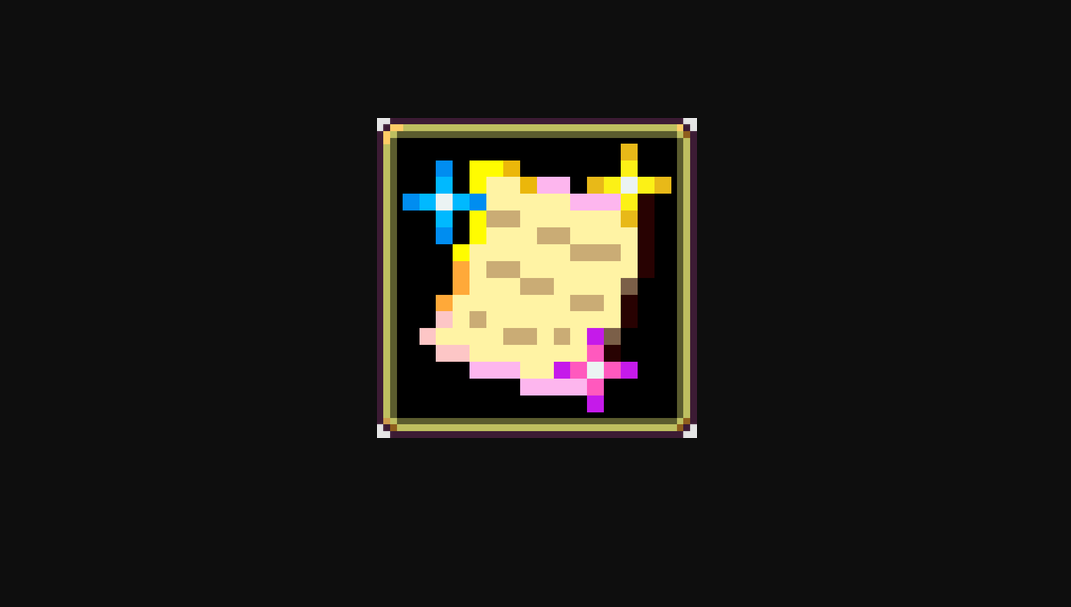
Defeating Trickster is connected to the Uncrackable Gem, which makes cards less likely to shatter. That reward fits the fight perfectly because Trickster appears through card breaking, and Uncrackable helps reduce that risk in later runs.
Uncrackable is especially useful for loop and combo heavy decks because those setups are the most likely to pressure the shatter system. It does not make repeated card abuse completely free forever, but it gives those decks more room before cracks turn into another fight.
Final Blurb
Trickster in Vampire Crawlers is a card shatter enemy created by repeated card use, not a normal boss sitting in a fixed dungeon. The clean way to handle it is to force 1 controlled shatter, switch from loop mode into damage mode, avoid breaking more cards, and finish the fight before the deck creates another enemy. Trickster is the game’s warning that infinite combo decks still need brakes, even if the gas pedal looks way more fun.