Gears of War: E-Day’s Early Sales Look Rough Despite Glowing Reviews
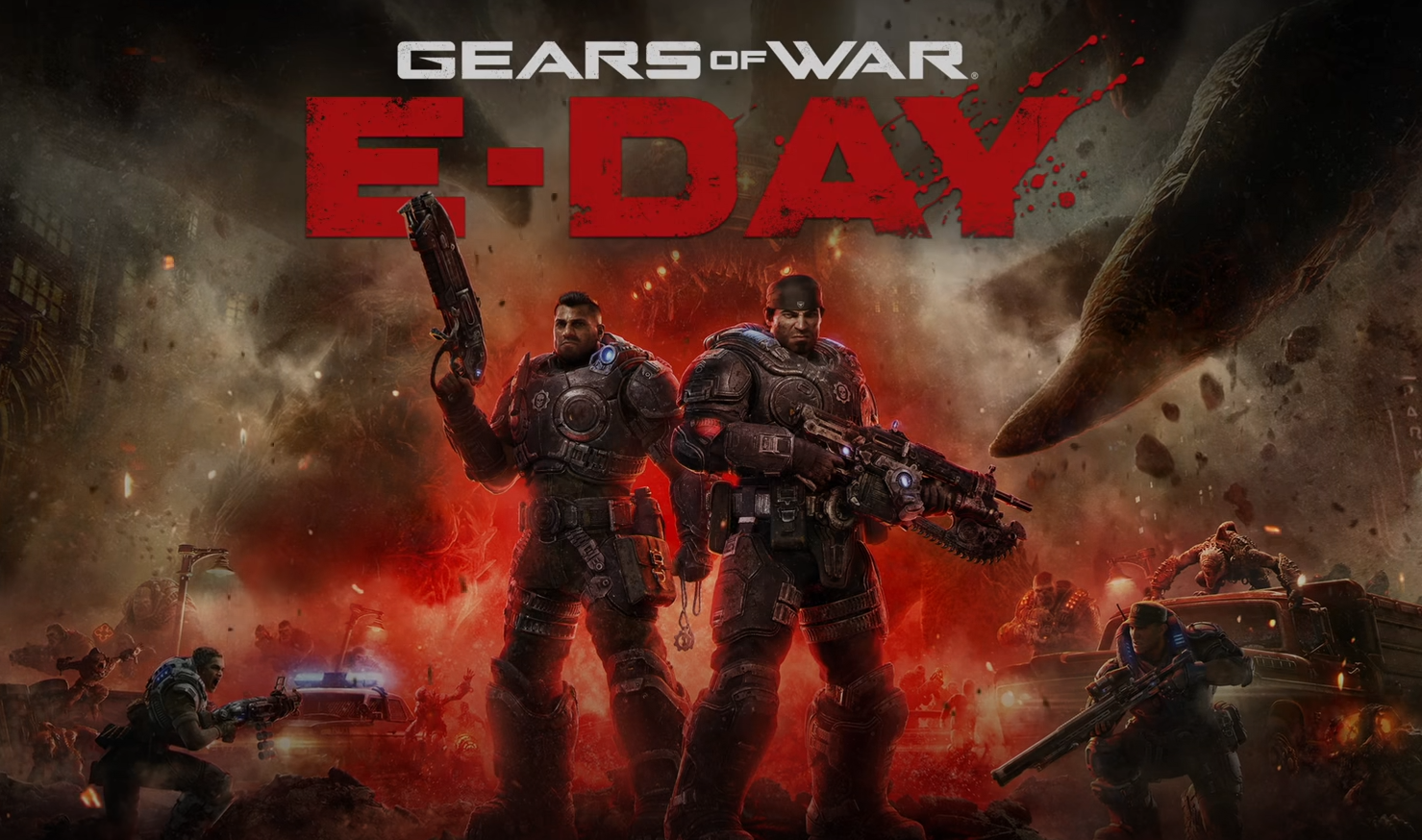
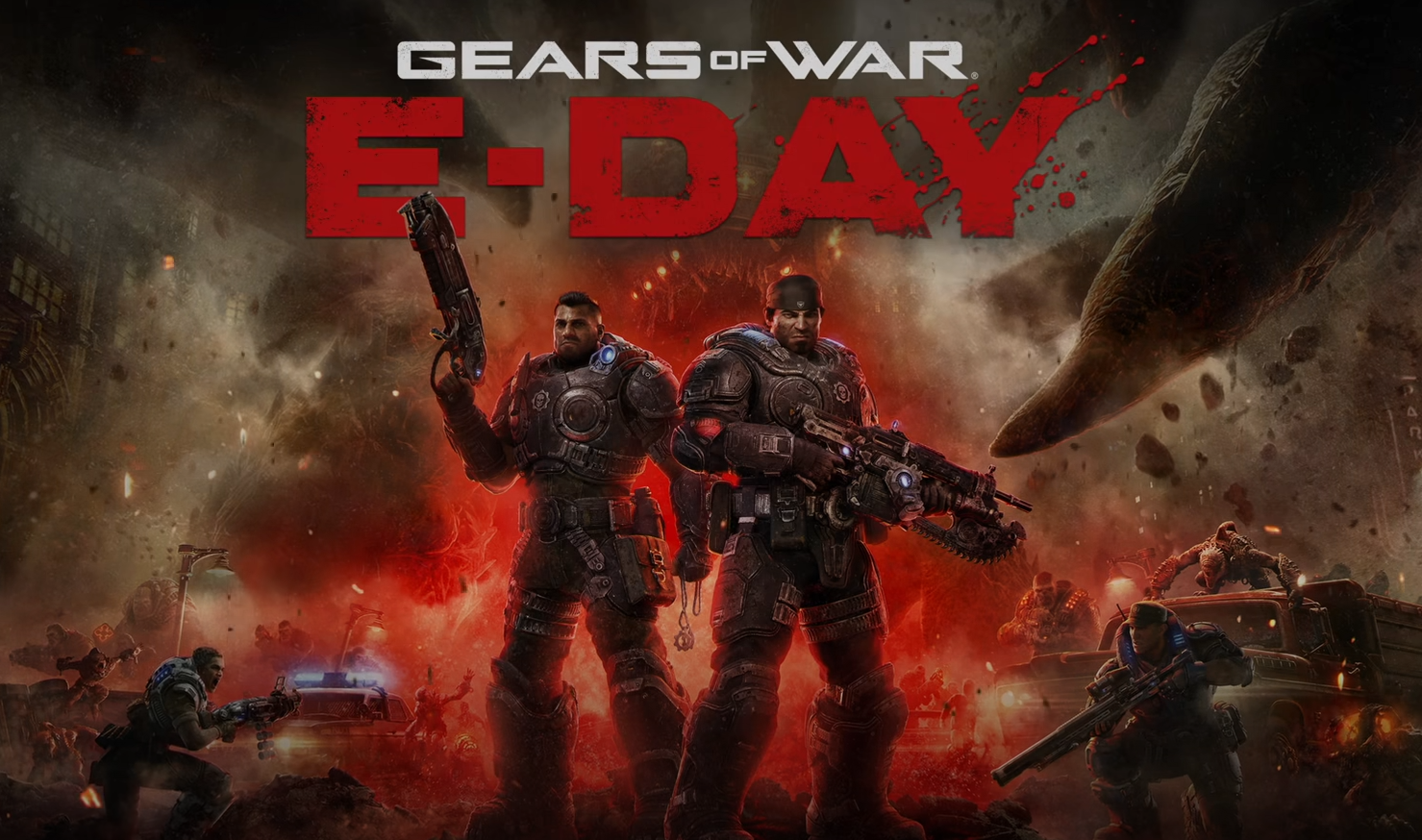
Gears of War: E-Day has delivered almost everything Xbox could have reasonably wanted from the return of one of its most recognizable franchises, from strong reviews to renewed enthusiasm around Marcus Fenix and Dom Santiago. What it may not have delivered, at least during its opening week, is particularly strong sales.
Early estimates from Alinea Analytics suggest E-Day has sold only a few hundred thousand copies across PC and Xbox since arriving through early access, a surprisingly modest start for a major first-party release carrying the Gears of War name. Microsoft has not released official figures, meaning the numbers should be treated as outside estimates rather than confirmed sales data, but the initial picture is difficult to reconcile with the scale and importance of the game.
That contrast makes E-Day's launch particularly interesting. This is not a poorly reviewed release struggling to overcome negative word of mouth, nor an obscure project searching for an audience. It is the long-awaited return of a flagship Xbox series, backed by years of development and some of the strongest critical reception the franchise has received in recent memory.
So far, that enthusiasm does not appear to be translating into people buying nearly as many copies as might be expected.
E-Day Had Almost Everything Going for It
There are plenty of obvious reasons a major game can stumble at launch, but relatively few of them apply cleanly to E-Day.
The Coalition returned to the earliest days of the Locust War rather than continuing directly from Gears 5, bringing Marcus and Dom back into focus while leaning considerably harder into the horror and desperation associated with the original trilogy. That made E-Day both a new entry and an unusually accessible point for former players who had drifted away from the franchise.
Critics have responded strongly as well. Reviews have consistently highlighted its campaign, presentation and return to the heavier atmosphere that originally separated Gears of War from many of its contemporaries. The game has also benefited from years of anticipation following its reveal, leaving little indication that Xbox simply failed to generate interest around the project.
That makes the early sales estimates harder to dismiss. A weak opening for a divisive game can be explained by the game itself. A weak opening for a well-reviewed installment in one of Xbox's defining franchises raises a much broader set of questions.
Steam Appears to Be Carrying Most of the Premium Sales
The estimated platform split makes the launch even more unusual.
According to Alinea, most of E-Day's traditional purchases have come through Steam, while sales directly through the broader Xbox ecosystem account for a considerably smaller portion of the total.
There is an obvious explanation for that disparity. Xbox players can access E-Day through Game Pass, dramatically reducing the incentive to spend full price on a separate copy. Steam customers generally do not have that same option, making a traditional purchase the most straightforward way for many PC players to get into the game.
Even with that caveat, it creates a strange result for a series so closely connected to Microsoft's consoles. The platform where Gears has spent two decades as a flagship franchise may now be the place where outright purchases matter least.
That does not diminish the value of Steam sales for Microsoft, but it does make E-Day's premium performance look very different from the kind of launch historically associated with a major Gears release.
Game Pass Makes a Weak Launch Harder to Define
The biggest qualification attached to the sales estimates is that E-Day is clearly reaching far more people than the number of purchased copies would suggest.
Alinea estimates that well over a million players have accessed the game through Game Pass, giving E-Day a substantially larger opening audience once subscribers are included. A large number of those players also reportedly paid for the Premium upgrade that provided early access and additional benefits.
That prevents the sales figure from functioning as a direct measurement of the game's popularity. Someone playing E-Day through a subscription is still playing E-Day, regardless of whether that person appears in Microsoft's traditional unit sales.
What remains difficult to determine is how valuable those players are to this specific release. Microsoft does not disclose how many people subscribed because of an individual game, how many existing members remain subscribed because of it or how subscription revenue is internally attributed to first-party releases.
Game Pass can therefore explain why E-Day is selling fewer copies without necessarily establishing that the game is generating enough revenue elsewhere to compensate for them.
That Is a Bigger Problem for a Game as Expensive as Gears
The distinction becomes more important as the cost of producing games at this level continues to increase.
Gears of War: E-Day is not a comparatively inexpensive Game Pass experiment that only needs to reach a niche audience. It is a large-scale production from one of Microsoft's premier studios, built around a franchise traditionally expected to sit alongside Halo and Forza among the recognizable faces of Xbox.
A project of that scale ultimately needs to justify far more than development costs alone. Marketing, ongoing support and the opportunity cost of keeping a major studio focused on one release for years all contribute to what Microsoft needs from a game like E-Day.
That is why a large Game Pass audience and soft premium sales can coexist without necessarily resolving the underlying concern. Millions of people accessing an expensive game is valuable, but access only becomes commercially meaningful if those players generate enough subscription, upgrade or other revenue to support the investment required to make it.
Without Microsoft's internal data, there is currently no way to know whether E-Day has cleared that bar.
Strong Reviews Make the Numbers More Concerning, Not Less
There is still plenty of time for E-Day to build a longer sales tail, particularly as discounts, holidays and continued word of mouth introduce the game to players who did not arrive during its first week.
The current estimates are also just that: estimates. Alinea Analytics does not have access to Microsoft's complete internal sales data, and Xbox has not independently confirmed the numbers being reported. Any definitive declaration that E-Day has failed would therefore be premature.
But the strength of the game itself makes its early performance worth watching.
E-Day has avoided many of the problems that usually provide an easy explanation for disappointing sales. It has not been buried by terrible reviews, launched as a visibly unfinished product or arrived without recognizable characters and a major marketing push. The Coalition appears to have delivered the kind of Gears game many players had spent years asking for.
If even that produces only a muted premium launch, Xbox has a more difficult question to answer than whether E-Day was good enough.
It has to determine what a major first-party game needs to do now for a release of this size to actually look like a hit.
E-Day's First Week Leaves Xbox With an Awkward Result
None of this means Gears of War: E-Day lacks an audience. The Game Pass estimates alone indicate that a substantial number of people have already played it, and its reception gives The Coalition a strong foundation for the series moving forward.
What the opening numbers do suggest is that Xbox's newest flagship exclusive may have arrived without the commercial splash normally expected from one.
That distinction matters. Microsoft can point to engagement, subscribers and Premium upgrades when evaluating E-Day internally, and those measurements may ultimately tell a more favorable story than copies sold. From the outside, however, the traditional sales picture currently looks remarkably quiet for a game carrying this much history, investment and critical momentum.
Gears of War: E-Day may ultimately prove to have a long and successful life. Its first week, however, appears to have delivered one of the stranger outcomes possible for a major release: Xbox seemingly made the Gears game fans wanted, critics largely loved it, plenty of people played it, and surprisingly few actually bought it.
More News from GamerBlurb