Europa Universalis V vs IV | What’s New & All Changes
Original Guide by GamerBlurb.com | Published on 11/04/2025 at 8:30 PM CST
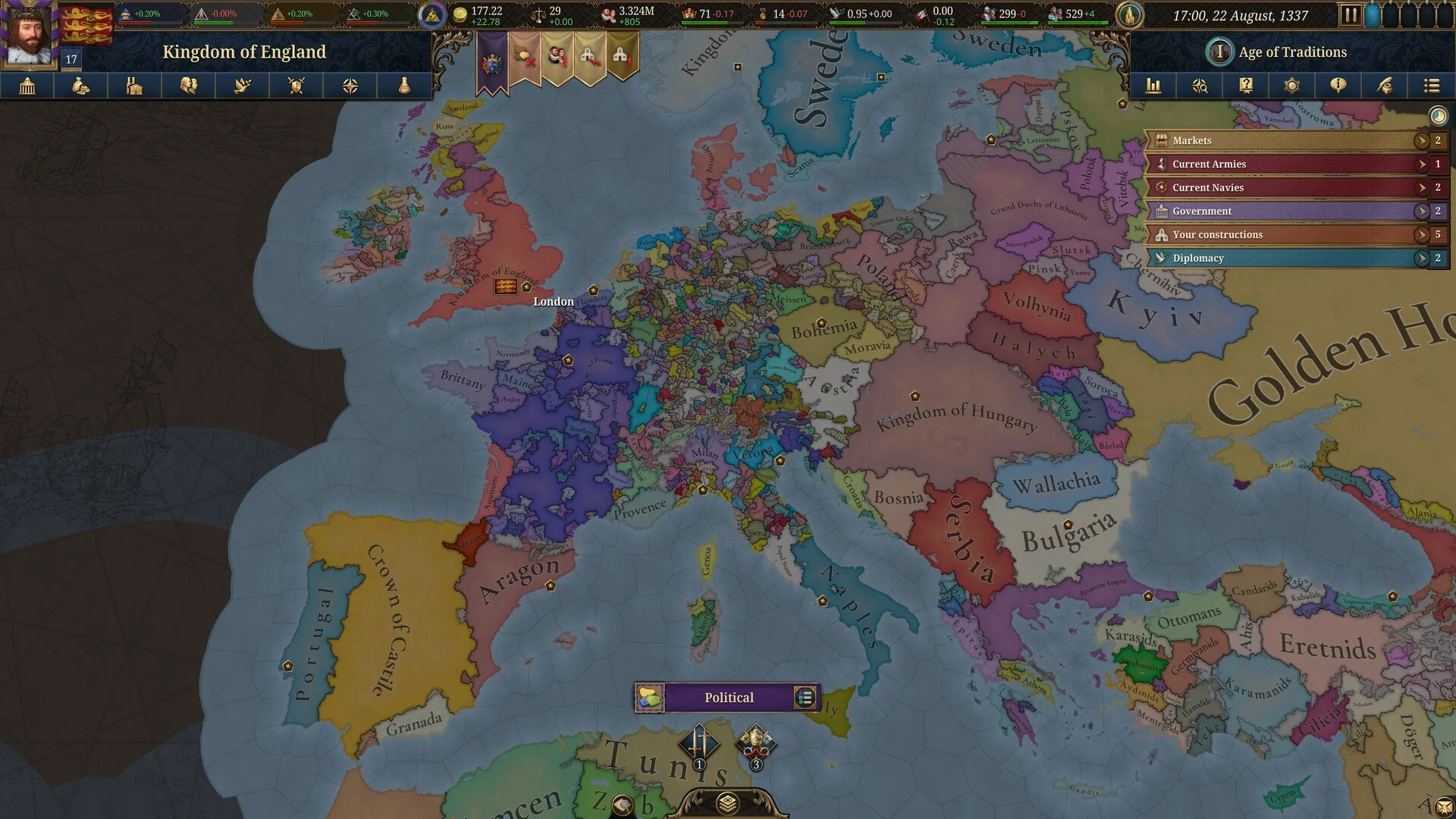
Europa Universalis 5 changes everything about how Paradox builds historical strategy. It is a slower, smarter game built around people instead of points. Every choice now affects the world in visible ways, and progress feels earned instead of automatic.
The New Foundation
This version moves away from simple numbers and focuses on real societies. You grow power by shaping citizens, not by spending abstract resources. Every system connects to population, making small decisions matter for centuries.
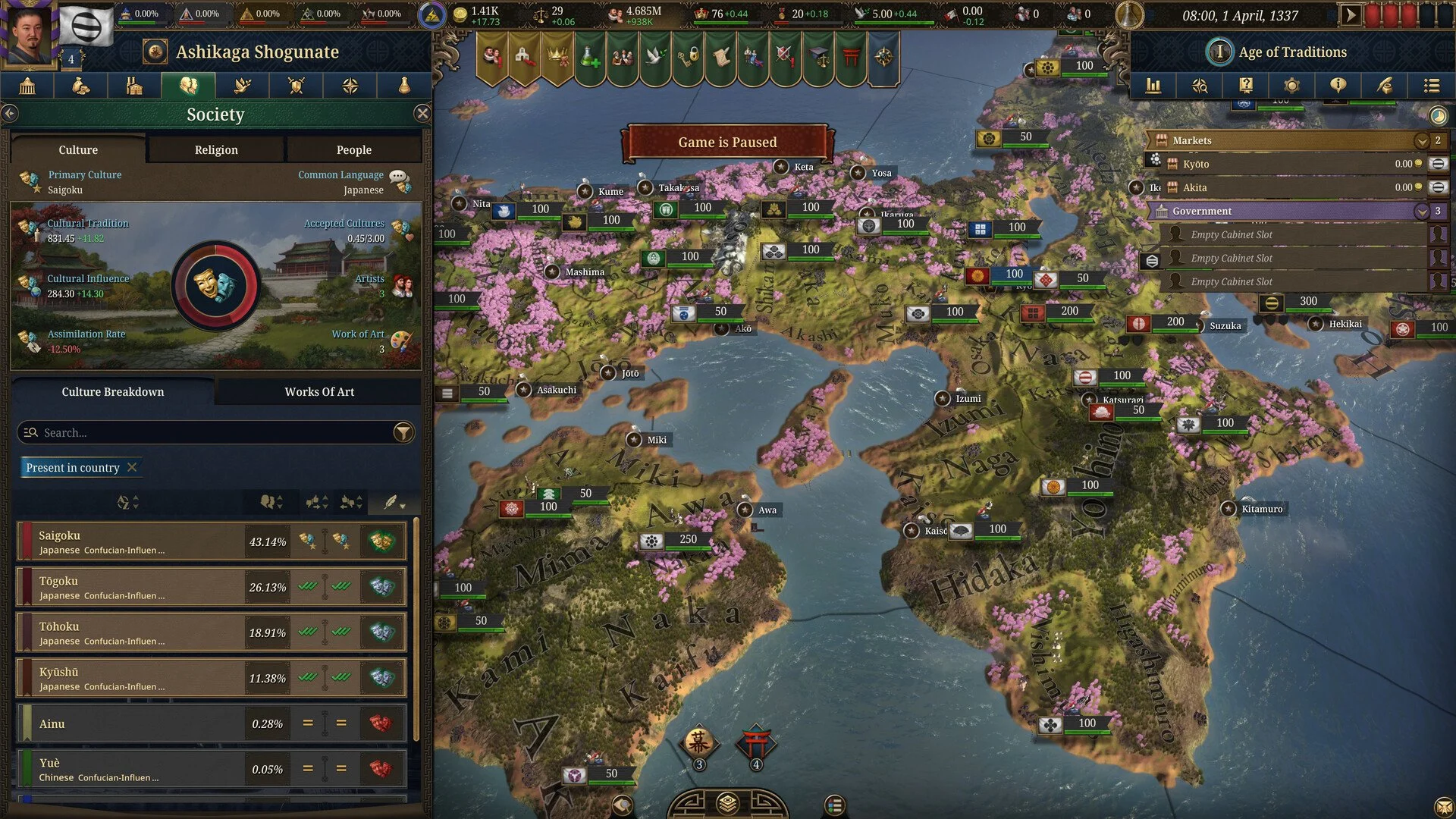
Populations Shape the World
Each location now has people with their own culture, faith, and trade. They work, migrate, and react to your leadership. Losing them to war or poor planning hurts production and stability. You can recover, but it takes patience.
Power and Politics
Governments depend on social groups that compete for control. Nobles, merchants, clergy, and towns each pull the country in a different direction. Supporting one can help you pass reforms but will anger another. These tensions build naturally as your state grows, creating long-term stories instead of quick fixes.
Expansion and Control
Distance now matters more than ever. Distant regions bring less income and loyalty until you build roads, ports, and governors. Rapid conquest often leads to weaker rule, so slow expansion with solid foundations pays off.
Trade and Industry
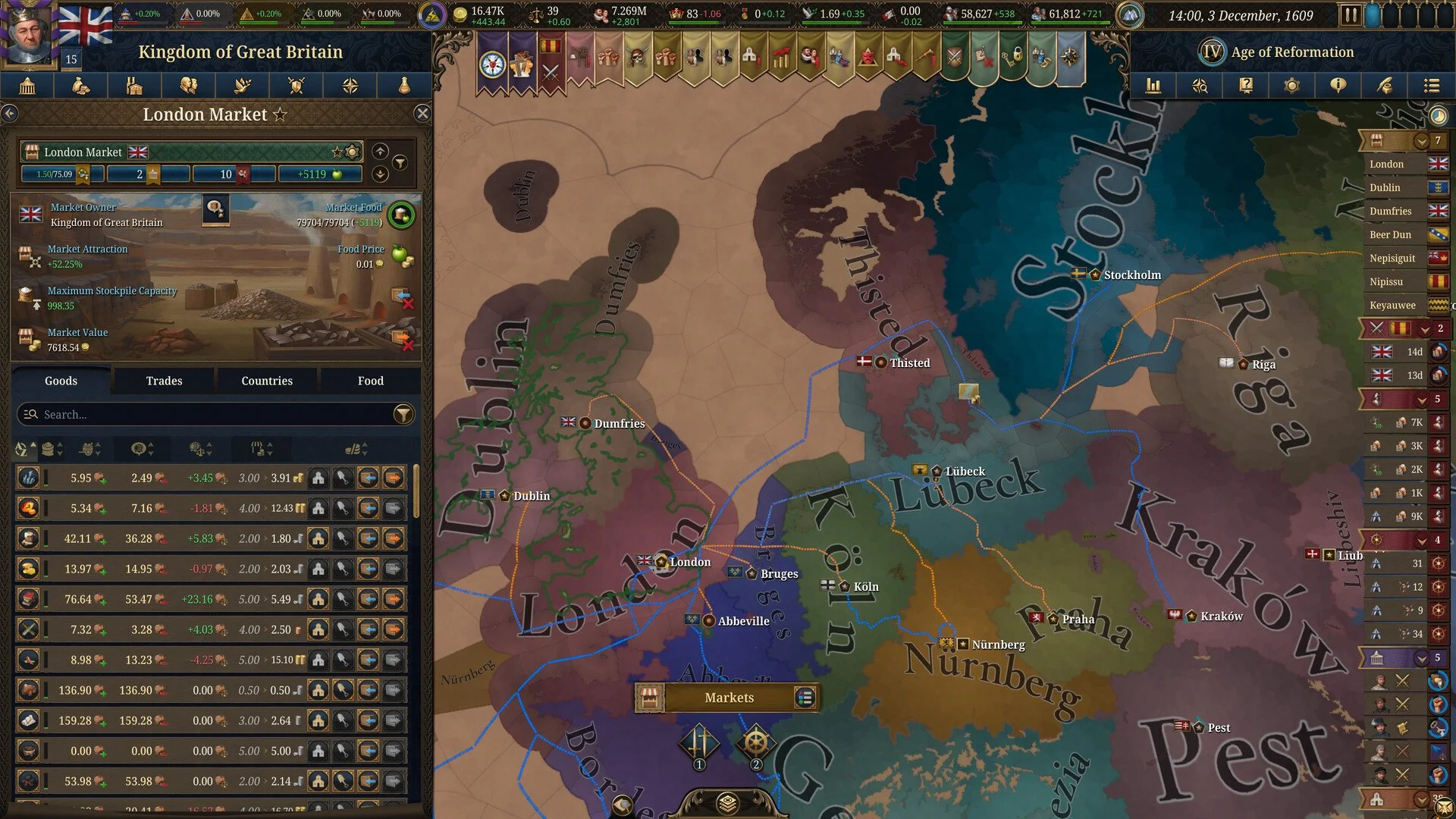
Economies run on connected markets instead of static trade routes. Cities grow when they can process nearby resources. A strong local network can outperform a massive empire. Planning production chains is as important as winning wars.
Warfare and Logistics
Armies draw strength from real people. Each campaign drains manpower and resources. Terrain and climate affect how well they fight. A victory on the map can still cripple your country if your economy cannot recover afterward.
Tools and Automation
There are more systems than ever, but automation helps keep things moving. You can let the AI handle trade or construction while you focus on diplomacy, reform, or long-term goals. It saves time without removing control.
Slower Pacing, Bigger Payoff
Europa Universalis 5 rewards careful play. The world develops step by step, with small choices shaping massive changes over time. Watching culture, population, and policy evolve together feels natural and satisfying.
Key Highlights
Real populations instead of static stats
Politics built on class power and privilege
Expansion limited by administration and distance
Trade networks that react to supply and demand
Optional automation for large nations
Final Blurb
Europa Universalis 5 rebuilds the series into something deeper and more human. Empires grow through management, not shortcuts. It is slower, heavier, and more rewarding than any earlier entry, turning history into a living simulation that remembers every move you make.
FAQ
When did Europa Universalis 5 release
November 4 2025 worldwide on PC.
What is the biggest change
Populations now control every system, replacing abstract points from older games.
Does it support multiplayer
Yes, with smoother syncing and faster lobbies.
How demanding is it
A strong CPU and SSD help a lot due to the scale of simulation.
Who will enjoy it most
Players who like long-term strategy, deep systems, and planning across generations.
© 2025 GamerBlurb. Linking is welcome with credit to GamerBlurb.com. Copying or reproduction without permission is prohibited.
More Europa Universalis V