Halo Campaign Evolved Bonus Missions Guide: Order and What to Expect
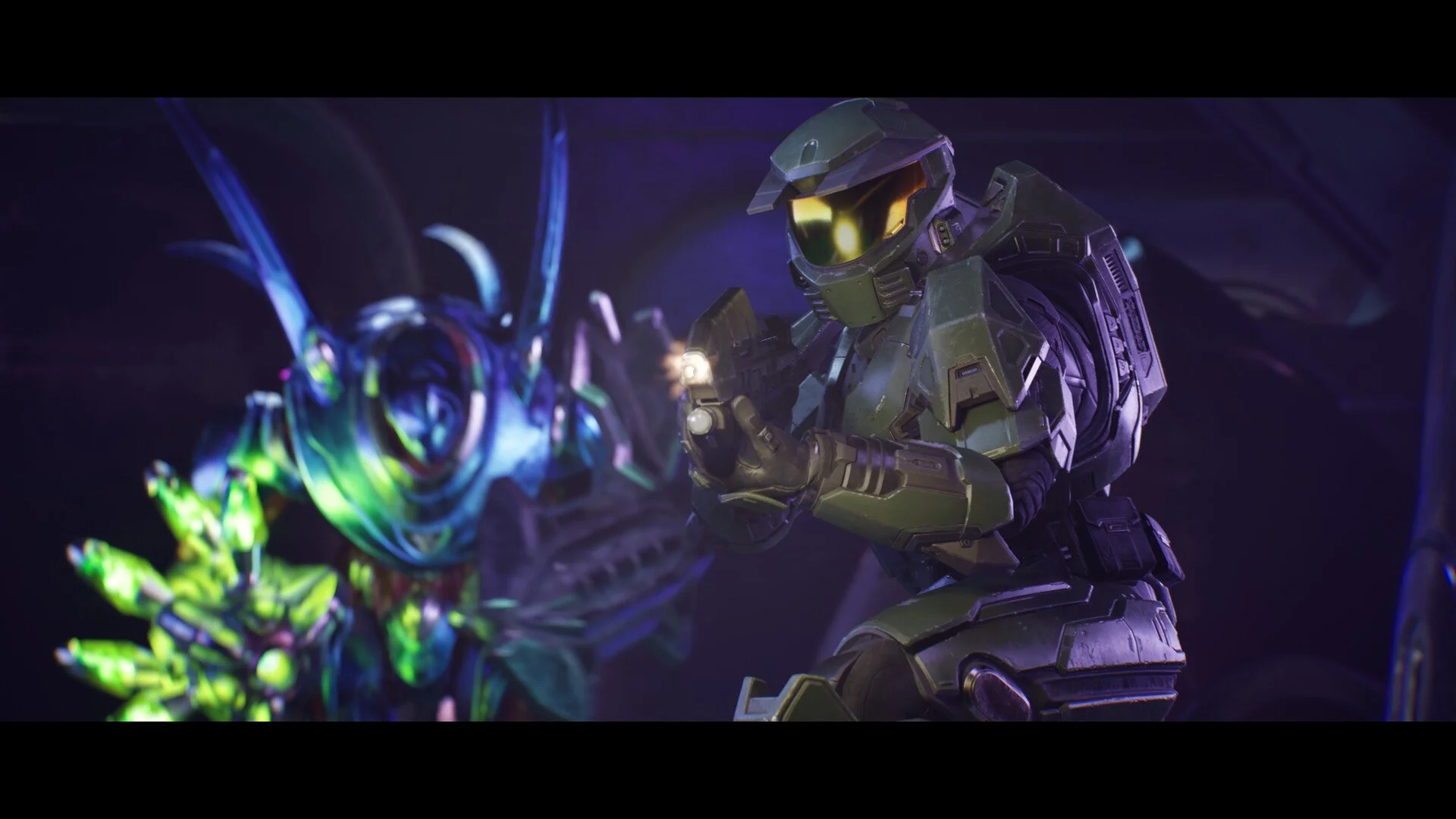
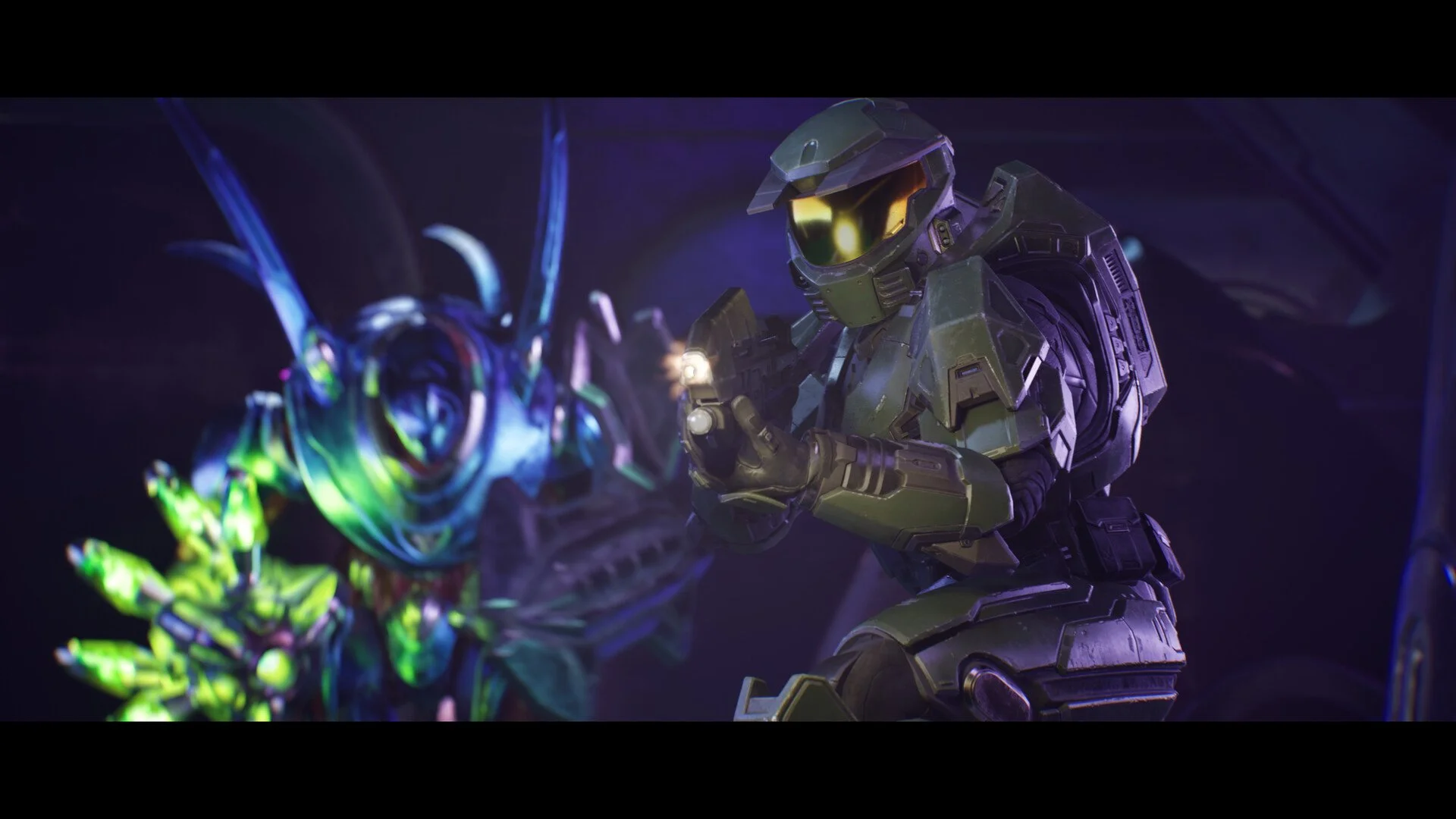
Halo: Campaign Evolved includes three new Bonus Missions alongside the ten missions returning from the original Halo campaign. These missions form a separate prequel storyline starring Master Chief and Sergeant Johnson as they assault a Covenant vessel.
The Bonus Missions are more than short challenge levels. Each one is a full campaign mission, with longer completion times on higher difficulties, an expanded collection of weapons, and additional Skulls and Terminals to find. They also introduce enemies and equipment much faster than the original campaign, making the order you play them surprisingly important for anyone experiencing Halo for the first time.
Once you have collected a few modifiers, our Halo: Campaign Evolved Skull activation guide explains where to find the selection menu and how to enable or change your active effects.
Jump To Section:
How Many Bonus Missions Are in Halo Campaign Evolved?
There are three Bonus Missions in Halo: Campaign Evolved: Boarding Action, The Most Dangerous Game, and Heavy Burden.
Combined with the ten returning missions from the original Halo campaign, this brings the complete mission count to 13. The original missions and Bonus Missions are presented as separate campaign groups rather than being inserted directly into the middle of the existing story.
All three new missions take place before the events of the original campaign. They follow Master Chief and Sergeant Johnson during an operation against a Covenant vessel, providing a separate prequel adventure without changing the established order of The Pillar of Autumn through The Maw.
The Bonus Missions are also substantial enough to be treated as a small additional campaign. They are not brief side objectives or modified versions of existing levels, and completing them on Legendary can take considerably longer than a standard run on Normal or Heroic.
Halo Campaign Evolved Bonus Mission Order
The three Bonus Missions should be played in the order presented by the game:
1. Boarding Action
2. The Most Dangerous Game
3. Heavy Burden
Boarding Action begins the prequel storyline, The Most Dangerous Game continues it, and Heavy Burden serves as its final mission. Playing them out of order risks losing the intended story progression and may reveal developments before their proper introduction.
This order also works best for collectibles. Complete each mission once while learning its routes, then return through mission selection for missed Skulls, Terminals, difficulty completions, or other objectives.
Should You Play the Bonus Missions Before the Main Campaign?
New Halo players should complete the original campaign before beginning the Bonus Missions. The best first-playthrough order is The Pillar of Autumn through The Maw, followed by Boarding Action, The Most Dangerous Game, and Heavy Burden.
The original Halo campaign gradually introduces its combat sandbox. Early missions begin with a smaller group of Covenant enemies and slowly add Jackals, Hunters, new weapons, vehicles, and more complicated encounters.
The Bonus Missions are designed around a much broader sandbox. The opening mission quickly introduces Elites, Grunts, Jackals, Hunters, Brutes, and an expanded weapon selection. This works well for returning players who already understand Halo, but it removes much of the discovery that makes the original campaign effective for beginners.
Playing the prequel missions first can also reveal enemy weaknesses before the original campaign presents them naturally. Master Chief directly explains that the exposed flesh is a Hunter's weak point, which means a new player will already know the solution before reaching the original Hunter encounter later in the campaign.
Returning players do not have the same concern. If you already know Halo's enemies, weapons, and story, starting with the Bonus Missions is a reasonable way to experience the newly added content immediately.
Boarding Action Bonus Mission
Boarding Action is the first Bonus Mission and the beginning of the new prequel storyline. Start here even if all three missions are available from the Bonus Missions menu.
The mission introduces the expanded combat sandbox quickly, placing several Covenant enemy types and additional weapons into the opening portion of the bonus campaign. It assumes a greater level of familiarity than The Pillar of Autumn, so players should expect more systems and enemy behaviors to manage early.
Boarding Action contains three collectible Skulls: Malfunction, Johnny Ammo Seed, and Leadhead.
Malfunction causes a random part of the HUD to disappear whenever you respawn. Johnny Ammo Seed makes ammunition remaining in a partially used magazine disappear when you reload. Leadhead removes the additional damage normally dealt by headshots.
These are all challenge-focused modifiers rather than convenience effects. Collecting them expands your options for future campaign sessions, but there is no benefit to activating them during your first attempt at the remaining Bonus Missions unless you specifically want additional difficulty.
Boarding Action also contains hidden Terminal content. Search side areas and optional spaces before advancing through any section that appears likely to close behind you.
The Most Dangerous Game Bonus Mission
The Most Dangerous Game is the second Bonus Mission. It should be started after completing Boarding Action so the prequel storyline and its character interactions remain in order.
By this point, the bonus campaign expects you to understand its expanded selection of enemies, weapons, and equipment. Treat the first mission as your opportunity to learn how the new sandbox differs from the original campaign before raising the difficulty or adding Skull modifiers.
The three Skulls found in The Most Dangerous Game are Temperamental, Recession, and Ghost.
Temperamental causes allies to turn against you if you kill a friendly soldier. Recession makes every shot consume two rounds of ammunition. Ghost prevents enemies from flinching when damaged.
Recession and Ghost can significantly alter longer fights. Recession increases ammunition pressure throughout a mission, while Ghost makes it harder to interrupt enemies through sustained gunfire. Combining the two creates a more demanding run than either modifier produces alone.
The mission also contains collectible Terminal content. Players attempting full completion should explore during a lower-difficulty run instead of trying to search every room while dealing with Legendary-level encounters.
Heavy Burden Bonus Mission
Heavy Burden is the third and final Bonus Mission. Complete Boarding Action and The Most Dangerous Game before beginning it, even when the menu allows individual mission selection.
Because Heavy Burden closes the prequel storyline, it is best approached after you are comfortable with the bonus campaign's wider enemy and weapon selection. Players planning a Legendary completion should consider finishing all three missions on Heroic first so unfamiliar encounters do not need to be learned under the harshest settings.
Heavy Burden contains the Eye Patch, Grunt Birthday Party, and Efficient Skulls.
Eye Patch disables auto-aim. Grunt Birthday Party causes Grunt headshots to trigger a celebratory explosion. Efficient rewards kills made while at full health with additional ammunition.
This group offers more variety than the Skulls in the first two missions. Eye Patch creates a direct aiming challenge, Grunt Birthday Party adds a familiar Halo effect, and Efficient rewards careful play by improving ammunition returns when you avoid taking damage.
Heavy Burden also includes hidden Terminal content. Search for it before treating the final objective as complete, particularly if you are attempting to finish the entire bonus campaign without repeating a mission.
What Weapons and Enemies Appear in the Bonus Missions?
The Bonus Missions use weapons and enemies that were not part of the original Halo: Combat Evolved sandbox. Their purpose is not to recreate the slower progression of the 2001 campaign, but to provide returning players with a broader set of tools and encounters.
The expanded weapon selection includes the Battle Rifle, SMG, Fuel Rod Gun, Beam Rifle, and Energy Sword. These weapons are associated with later Halo games rather than the original version of the first campaign.
The first Bonus Mission provides access to the complete Campaign Evolved weapon selection and both equipment pieces. This creates immediate variety, but it also means new players can encounter most of the available combat tools before beginning the main campaign.
Brutes also appear in the Bonus Missions alongside Elites, Grunts, Jackals, Hunters, and other Covenant forces. Their presence expands the enemy roster beyond the original Halo campaign and gives the prequel missions a different combat identity.
Do not approach every weapon as an automatic upgrade. The larger sandbox creates more situational choices, and familiarity with weapon roles is more valuable than constantly replacing equipment simply because something new appears.
All Bonus Mission Skulls
The three Bonus Missions contain nine collectible Skulls in total, with three found in each mission.
Boarding Action: Malfunction, Johnny Ammo Seed, and Leadhead.
The Most Dangerous Game: Temperamental, Recession, and Ghost.
Heavy Burden: Eye Patch, Grunt Birthday Party, and Efficient.
Collecting a Skull does not activate it automatically. It unlocks the modifier for selection when beginning a campaign session through New Game.
After choosing your difficulty, mission, and rally point, the Select Skulls screen allows you to enable any collected modifiers. Skulls cannot be added or removed from the pause menu once the mission has begun.
For an initial Bonus Mission playthrough, leave difficulty-focused Skulls disabled. Complete the missions normally, learn their encounters, and then use the collected modifiers for challenge runs or repeat playthroughs.
Are There Terminals in the Bonus Missions?
All three Bonus Missions contain collectible Terminals in addition to their Skulls.
Terminals are hidden within the mission environments and reward players who explore beyond the direct route to the next combat encounter. They are separate from the Skull collectibles, so finding every Skull does not mean you have also completed the Terminal collection.
The safest approach is to search for Terminals on Normal or Heroic. Legendary makes it harder to inspect optional areas because enemies are more dangerous, mistakes are punished more severely, and clearing a room can consume more ammunition.
If you only care about completing the story, Terminals can be skipped and collected later through mission selection. There is no need to restart the entire bonus campaign when one collectible is missed.
Tips for Playing the Bonus Missions on Legendary
The Bonus Missions are lengthy, especially on Legendary. A cautious run can take substantially longer than the same mission on Normal because enemy durability, incoming damage, ammunition management, and repeated checkpoints all slow your progress.
Complete the missions on a lower difficulty before attempting solo Legendary. Learning where major encounters begin, which routes offer cover, and where replacement weapons appear is more useful than entering Legendary blind.
Use the expanded weapon sandbox deliberately. Keep a dependable general-purpose weapon and pair it with something suited to the next threat rather than carrying two weapons that solve the same problem.
Avoid activating challenge Skulls during the first Legendary clear. Effects such as Leadhead, Recession, Ghost, and Eye Patch can remove major combat advantages or place additional pressure on already limited resources.
Search for collectibles separately when necessary. Clearing Legendary and finding every hidden item in the same run may be possible, but it increases the chance of losing progress while exploring an unsafe side route.
Solo players should also prioritize consistency over speed. The Bonus Missions are long enough that repeated aggressive failures can cost more time than moving carefully between dependable checkpoints.
The Best Order for Story, Collectibles, and Legendary
For a completely new Halo player, begin with the ten original campaign missions and finish The Maw before opening the Bonus Missions. This preserves the main campaign's gradual introduction of enemies, weapons, and mechanics.
Next, play Boarding Action, The Most Dangerous Game, and Heavy Burden on Normal or Heroic. Concentrate on completing the prequel storyline and learning how its larger combat sandbox works.
After that, return for any missing Skulls and Terminals. Collectible cleanup is easier when you already recognize the mission layout and know which encounters can be safely searched.
Attempt solo Legendary last. By then, you will understand the routes, available weapons, major enemy groups, and checkpoint structure without needing to learn every encounter through repeated deaths.
Returning Halo players can skip directly to Boarding Action when they want to see the new material first. The pacing concern mainly applies to players who have never experienced the original campaign or learned its enemy roster.
Where the Bonus Missions Fit Into Campaign Evolved
The Halo: Campaign Evolved Bonus Missions form a three-level prequel campaign consisting of Boarding Action, The Most Dangerous Game, and Heavy Burden. They add new story content, a broader weapon selection, Brutes, nine collectible Skulls, hidden Terminals, and encounters designed around more of Halo's expanded sandbox.
Despite taking place before the original story, they are better played after The Maw during a first Halo playthrough. Their rapid introduction of enemies and equipment works as bonus content for returning players, but it can undermine the slower progression and discovery built into the original campaign.
Play the original ten missions first, complete the three Bonus Missions in their listed order, and then return for collectibles and Legendary. That order gives each part of Campaign Evolved room to work as intended without turning the opening hours into an immediate tour of nearly every weapon and Covenant enemy.
For more walkthroughs, collectibles, and campaign help, visit our complete Halo: Campaign Evolved guide hub.