Jurassic World Evolution 3 Baby Dinosaurs Guide
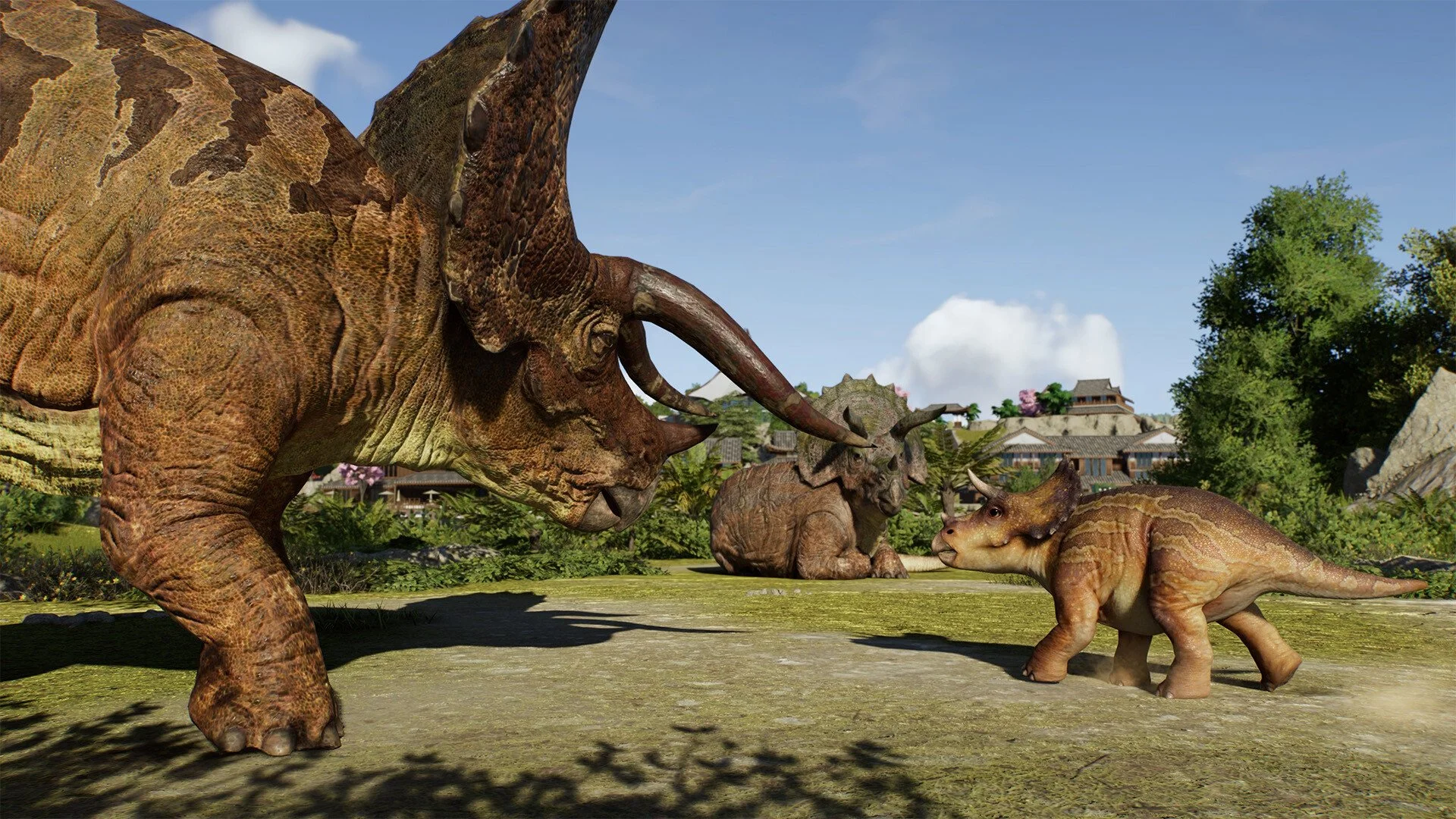
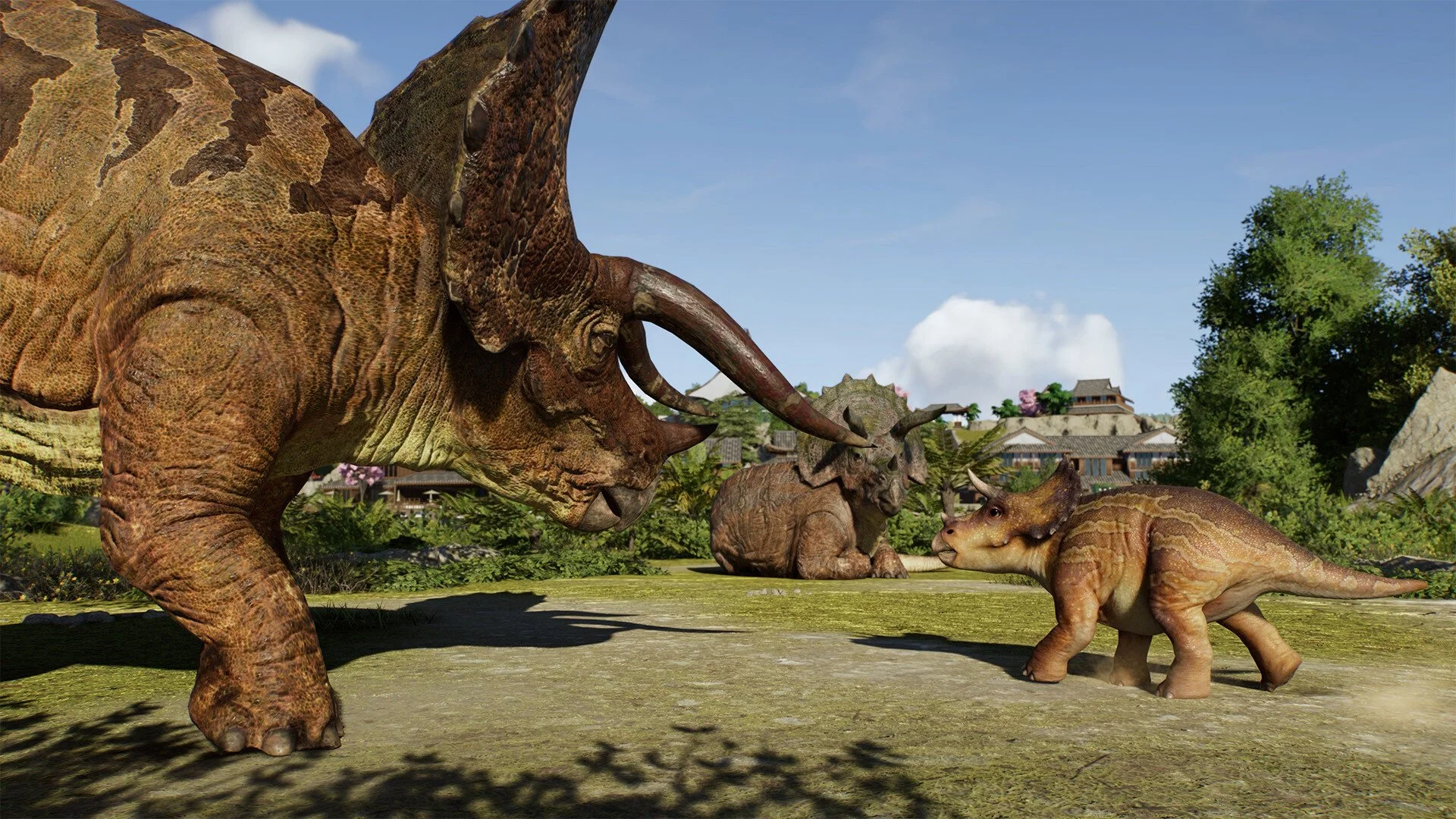
Jurassic World Evolution 3 finally adds baby dinosaurs, giving players full control over breeding and raising juveniles for the first time. These young dinos aren’t just smaller versions of adults, they grow, change, and develop traits that can shape your entire park.
How Baby Dinosaurs Work
Baby dinosaurs appear when you hatch new species through incubation or breed adults that share compatible traits. Each juvenile starts with its own comfort levels and behavior stats that shift as it grows. Proper care during this early stage affects health, temperament, and long-term appeal.
Breeding and Genetics
Breeding programs let you pair adult dinosaurs to pass down certain genetic traits. Offspring can inherit physical or behavioral characteristics from one or both parents. The incubation process still applies, but with new variables tied to comfort, nutrition, and stress.
A well-bred baby has better odds of reaching adulthood without health issues or aggression spikes. Ignoring genetics or enclosure conditions can lead to unstable or weak dinosaurs that underperform in guest appeal.
Growth and Development
Juveniles slowly mature into adults over time. They need stable food supplies, clean water, and comfortable surroundings to grow properly. Habitat size, population balance, and stress levels all play a part in how fast and healthy that growth happens.
If a baby dinosaur feels unsafe or overcrowded, it may become aggressive even before adulthood. On the other hand, a calm and well-fed juvenile develops steady stats and higher market value.
Park Impact and Appeal
Raising baby dinosaurs isn’t just for show. Guests respond strongly to seeing juveniles in enclosures, boosting park happiness and profit. Well-managed breeding programs also create variety in size and age within species, making exhibits feel more alive.
Smart parks run dedicated breeding zones to control genetics, while public zones display only healthy juveniles and adults. It’s not just about keeping them cute, it’s about keeping them consistent.
Final Blurb
Jurassic World Evolution 3’s baby dinosaurs bring a fresh layer of strategy to park management. Breeding, genetics, and careful growth planning now matter more than ever. Raise your juveniles right, and your park thrives. Neglect them, and you’ll be cleaning up the consequences.
FAQ
Are baby dinosaurs new in Jurassic World Evolution 3
Yes, juveniles are a new feature that expand breeding and genetics systems.
Can you breed dinosaurs naturally
Yes, compatible adults can reproduce and produce juveniles with mixed traits.
Do baby dinosaurs affect park appeal
Yes, guests love seeing juveniles, and it raises overall satisfaction ratings.
How long do babies take to grow
Growth speed depends on species type, comfort, and enclosure stability.
Can baby dinosaurs die or get sick
Yes, poor conditions, overcrowding, or lack of food can cause health drops or death.
© 2025 GamerBlurb. Linking is welcome with credit to GamerBlurb.com. Copying or reproduction without permission is prohibited.
More Jurassic World Evolution 3