Nintendo Switch 2 Faces 41% Memory Cost Surge as Hardware Pressures Mount
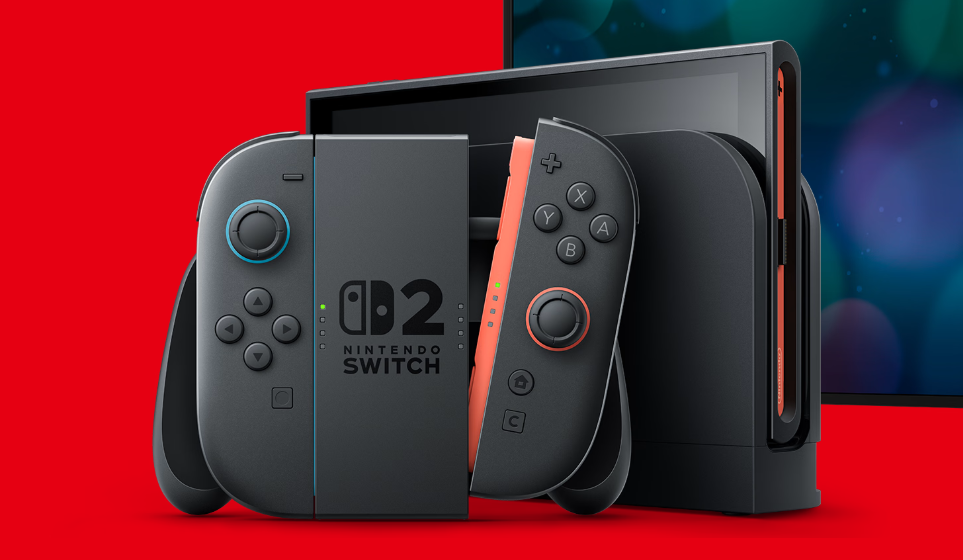
The Nintendo Switch 2 is entering a more expensive phase of its lifecycle, and rising memory prices are at the center of it. Recent shifts in the semiconductor market are forcing Nintendo to rethink how it balances pricing, margins, and long term growth.
Why Component Costs Are Becoming a Problem Now
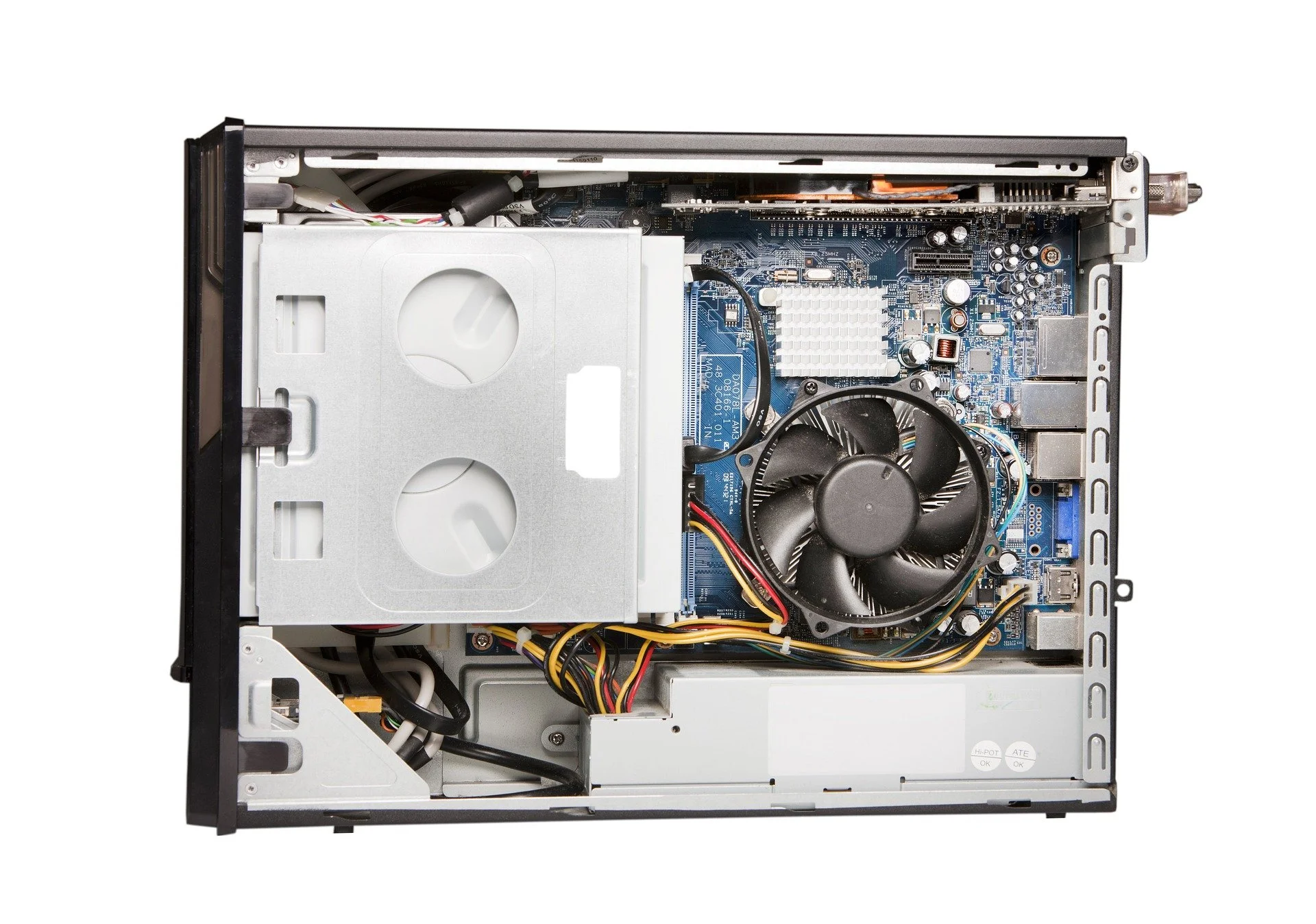
Memory pricing has moved sharply upward in a short window. The LPDDR5X memory configuration used in the Switch 2 has seen a steep cost increase, while NAND flash storage has also become more expensive, though to a lesser degree.
Because memory is not an optional component, these increases apply to every console Nintendo produces. Unlike accessories or packaging, there is no easy way to work around them.
How This Changes Nintendo’s Cost Structure
As memory prices rise, a larger share of each console’s cost is tied to DRAM. This shifts where Nintendo has room to adjust.
Internal storage choices become more constrained. External storage becomes more important for players who install larger games. Over time, this raises the total cost players feel, even if the console price stays the same.
These pressures did not exist at the same scale earlier in the hardware cycle.
Business Tradeoffs Nintendo Now Faces
Nintendo traditionally accepts lower hardware margins to build an install base. That strategy becomes harder when core components rise this quickly.
With higher per unit costs, Nintendo has less flexibility to fund bundles, promotions, or aggressive marketing. Absorbing all increases limits profitability. Passing costs on risks slowing momentum.
There is no clean option. Every path has tradeoffs.
Market Signals and Investor Attention
These cost pressures have arrived while Nintendo’s stock has pulled back to levels last seen earlier in the year. While many factors influence share price, rising production costs add uncertainty around near term profitability.
Investors are watching closely to see whether Nintendo protects volume, margins, or a balance of both.
Sales Momentum Versus Cost Reality
Nintendo reported selling about 10.36 million Switch 2 units through November 2025. The company’s goal is to approach 19 million units by the end of March 2026.
Hitting that target while memory costs remain elevated will require careful execution. Any pricing changes, hardware revisions, or supplier negotiations could influence whether momentum holds.
What This Likely Means Going Forward
Nintendo still has options. Supplier renegotiations, internal revisions, or delayed cost pass through are all possible. Historically, console makers often delay price increases as long as possible.
At the same time, sustained increases in memory pricing leave less room to maneuver. If conditions do not improve, adjustments may become unavoidable.
Final Blurb
The Switch 2 is selling well, but rising memory costs are tightening the margins behind the scenes. With DRAM and storage prices climbing, Nintendo must balance growth against profitability in a tougher hardware environment. How the company responds over the next year will shape both pricing expectations and the console’s long term trajectory.