No I’m Not a Human House Guide & Layout
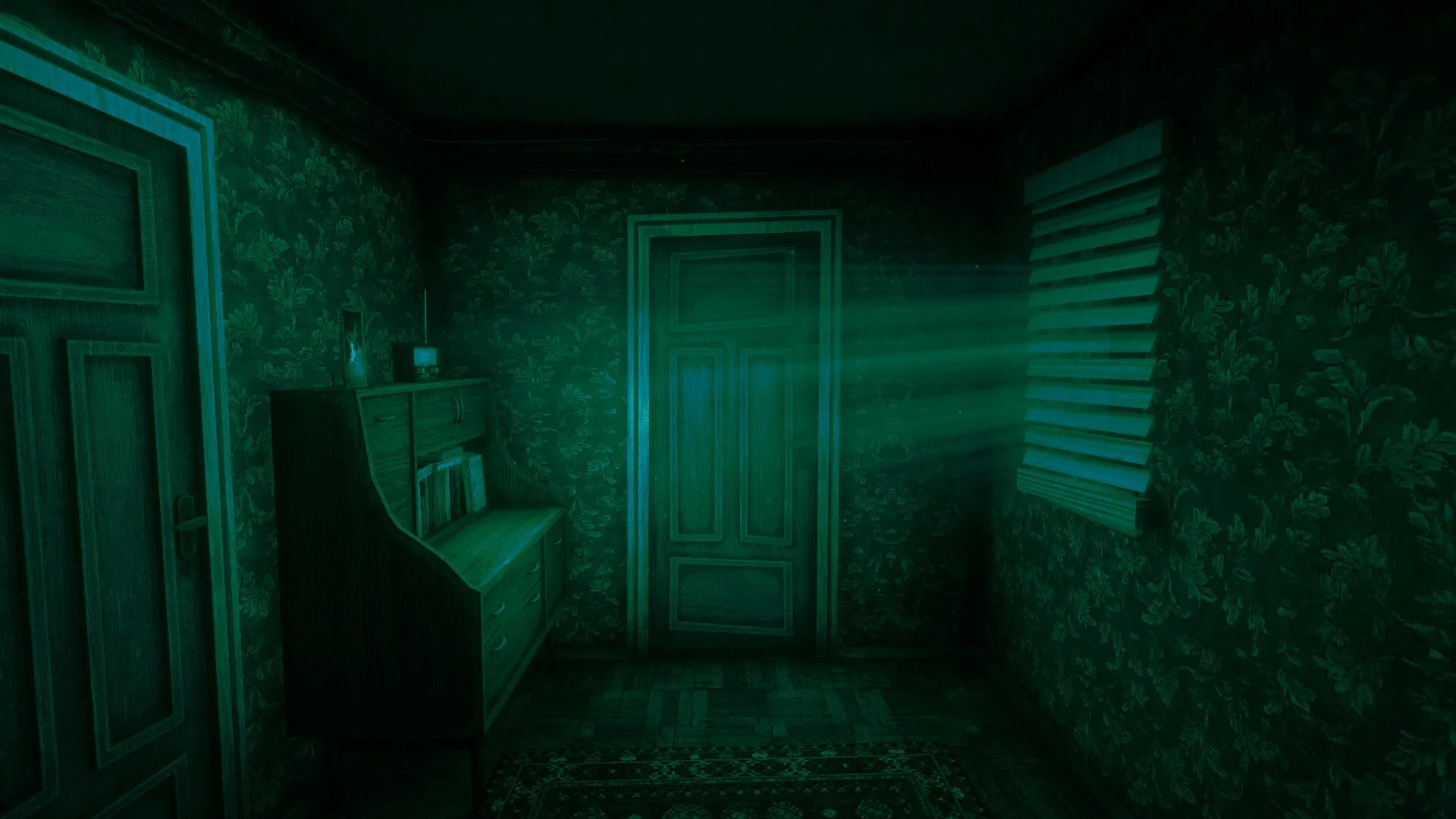
The house in No I’m Not a Human is much more than just a backdrop. It is the game’s sole location, a family property inherited by the protagonist, and the stage where every choice unfolds. Guests, both human and Visitor, pass through its doors. Each room, each window, and even the locked cellar add to the sense of isolation and control that defines the game’s atmosphere.
The Front Door
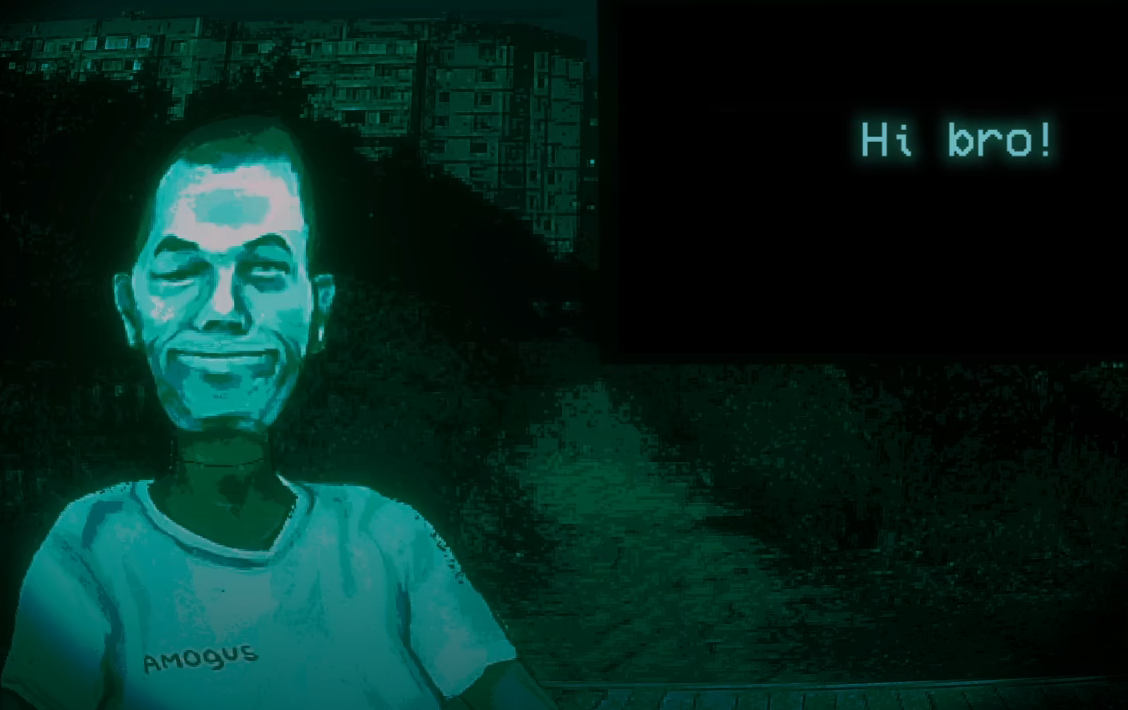
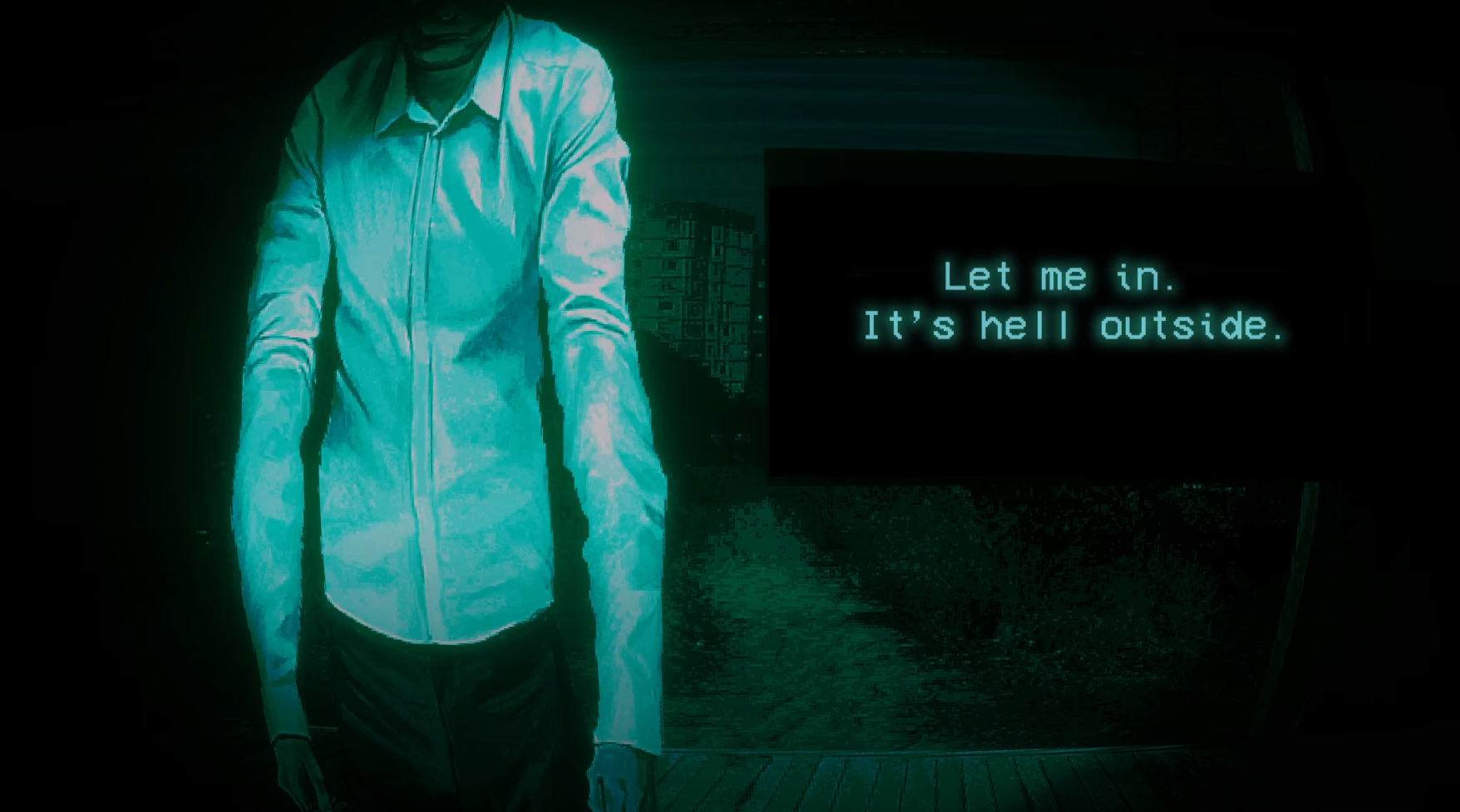
The front door is where the tension peaks. Every night, strangers knock, asking for shelter. Some are humans looking for safety, others are Visitors in disguise. This is where you decide who enters, who is turned away, and who dies.
Layout of the House
The house is arranged in a simple but deliberate way. The hallway acts as the hub, connecting to every room. Going clockwise from the front door, the layout includes the bathroom, living room, bedroom, office, kitchen, and closet. Guests can take refuge in any room except the bedroom, which belongs to the protagonist.
Hallway
The main space where you begin each night. It holds the front door and the three windows. It is also where the cellar trapdoor lies, hidden beneath a rug.
Bathroom
A basic room that can house guests. Interactions here are limited to dialogue and checks for Visitor signs.
Living Room
A larger space where guests often gather. At times, the room reflects the game’s bleak atmosphere, showing how normal spaces can feel unsafe when filled with strangers.
Bedroom
The protagonist’s private space, used during night sequences. Guests never occupy it, keeping it separate from the shared areas.
Office
A quiet room that can serve as a space for conversations with guests. Its placement near the hallway makes it accessible during daytime checks.
Kitchen
Another guest room that reinforces the domestic setting. It ties into survival themes, but mechanically it works like the other guest spaces.
Closet
A smaller utility room. Guests can be assigned here, though it lacks the warmth of the larger rooms.
Windows
The windows serve as your view into the outside world during the night. They are not interactive during the day due to the blinding sun, but at night they show scripted events that expand the story.
Curtained Window
Looks out onto the dirt road and nearby houses. Nightly text and visuals show events ranging from drunkards in the street to military squads, massacres, and FEMA inspections.
Blinded Window (Right)
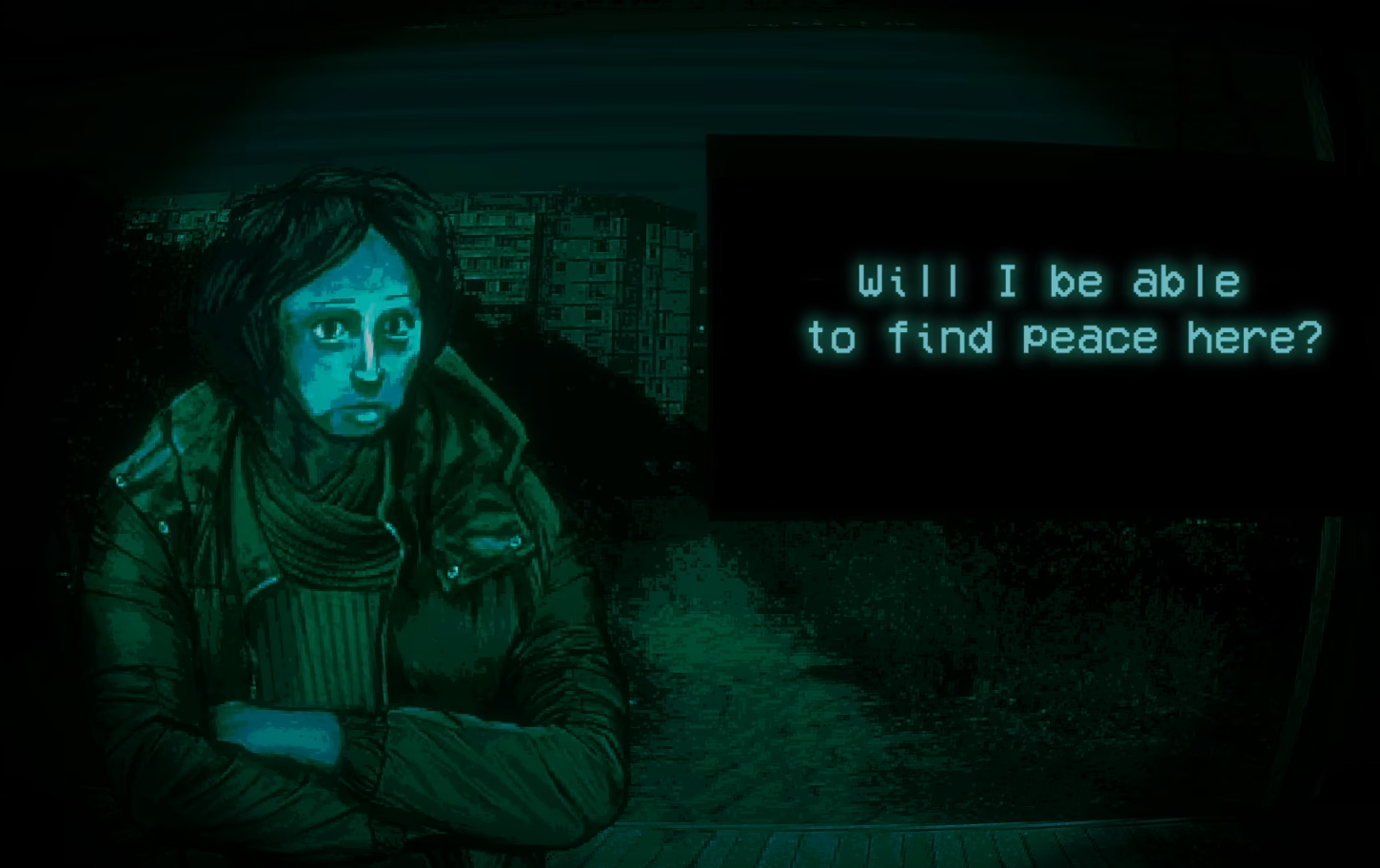
Overlooks the fields and path behind your house. Through it you witness events such as stray dogs, teenagers meeting tragic ends, and Visitors leaving grisly warnings.
Blinded Window (Left)
Faces your neighbor’s house. Early nights show his family safe inside, but later views reveal FEMA activity, fire consuming the home, and finally its ruins.
Final Blurb
The house in No I’m Not a Human is the heart of the game. Its rooms provide shelter, its windows reveal the outside world, and its front door is where life-or-death choices are made. Every detail of the house reinforces the game’s theme of paranoia, turning a family home into a fortress against Visitors, FEMA, and the collapse of society outside.
FAQ
What is the house in No I’m Not a Human?
It is the main and only playable location. All events take place inside or at the front door.
Can guests use every room?
Guests can be placed in most rooms except the protagonist’s bedroom.
What are the windows used for?
They show scripted story events during the night, revealing what happens outside.
Is the cellar accessible?
Not fully. It exists under the rug in the hallway and has assets tied to storage, but it is not active in gameplay.
Does the house change during the game?
Yes. The windows show ongoing destruction and FEMA activity outside, making the house feel increasingly isolated and unsafe.
More No I’m Not a Human