No I’m Not a Human Tropes Guide
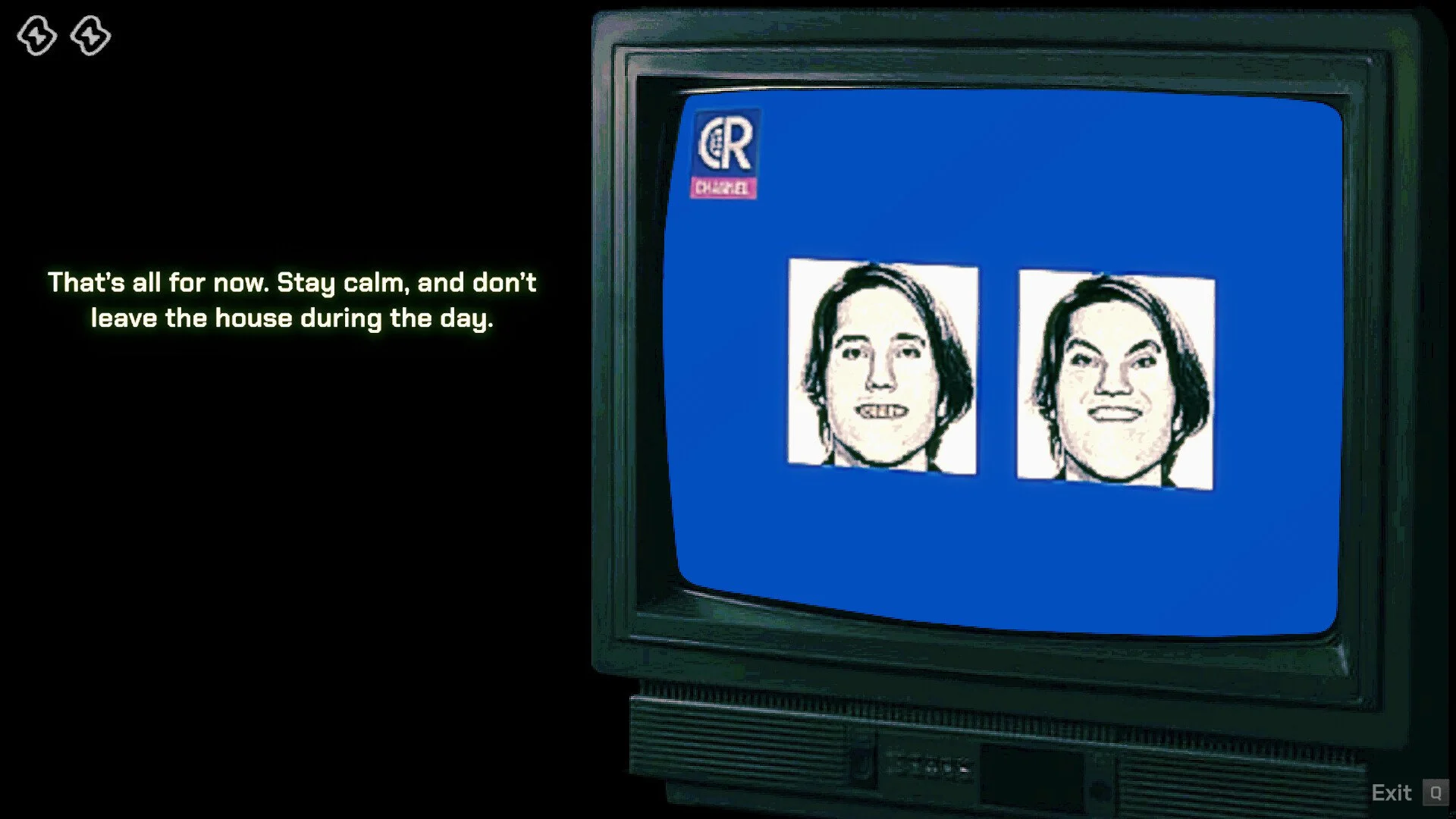
No I’m Not a Human builds its horror around paranoia, subtle signs, and the slow collapse of trust. Instead of cheap scares, it leans into classic tropes that make every choice feel heavier than the last. This guide explains the key tropes at play so you can recognize how the game delivers its tension.
Core Tropes in No I’m Not a Human
Paranoia Horror
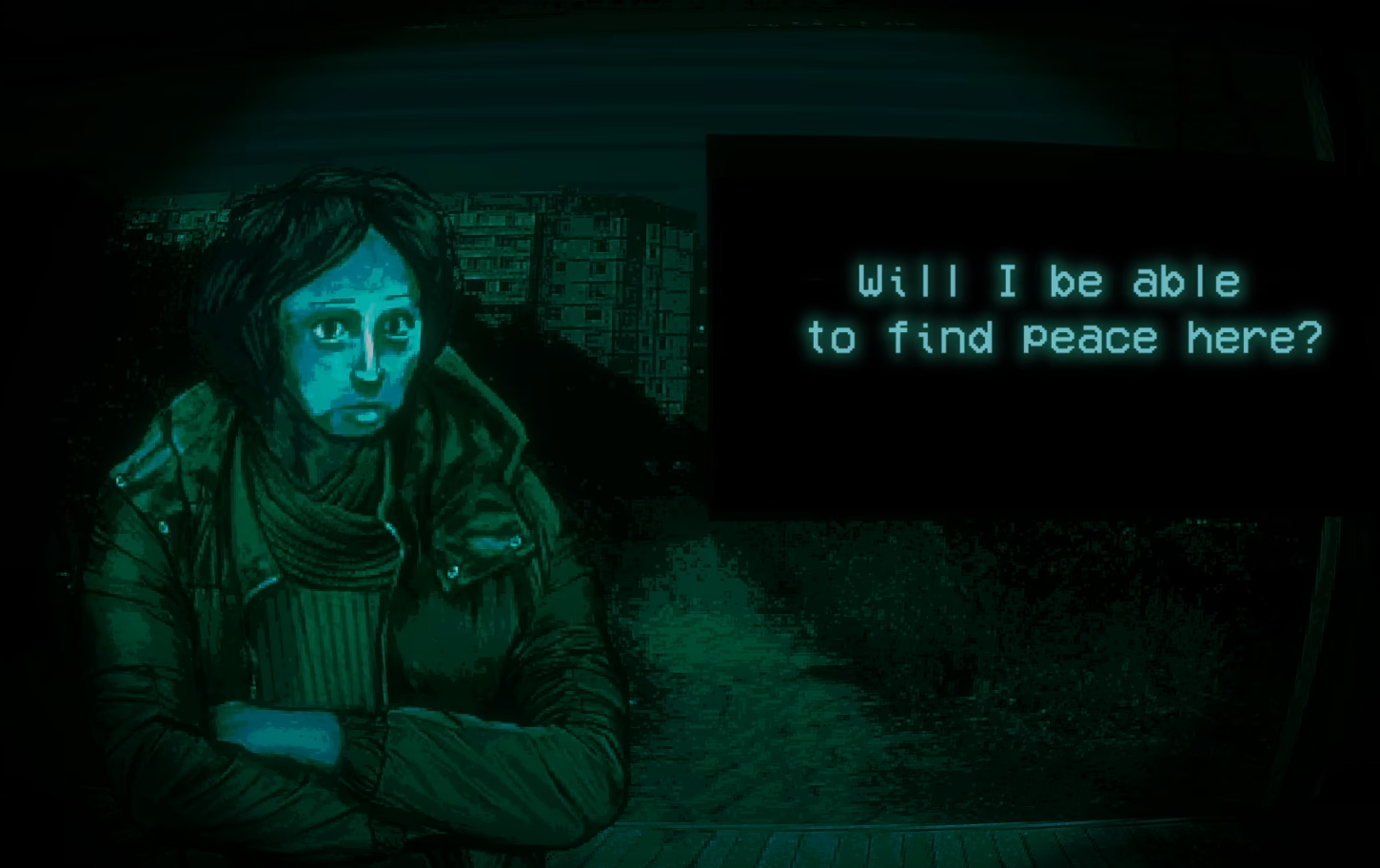
The central idea is not knowing who to trust. Every knock at the door forces you to weigh signs and gut instinct. The fear comes less from what you see and more from what you might have missed.
Randomization and Replayability
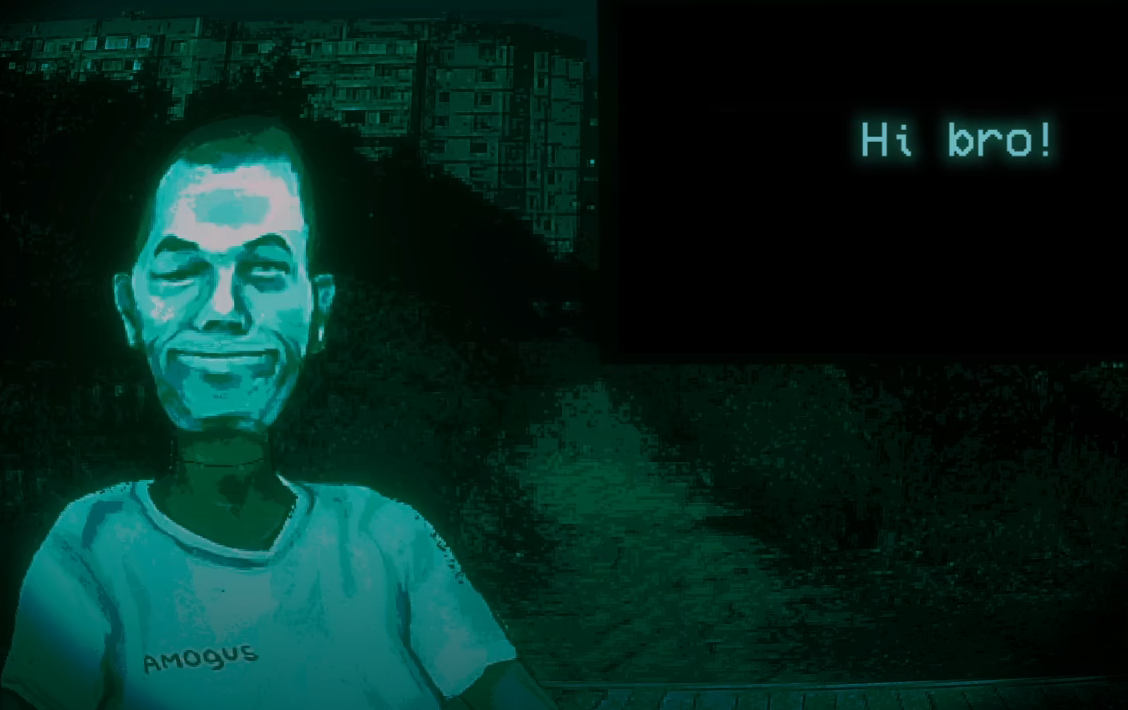
Characters don’t always play the same role. Some guests swap between human and Visitor across different runs, keeping every playthrough fresh. This randomness makes even familiar faces dangerous.
Government Menace
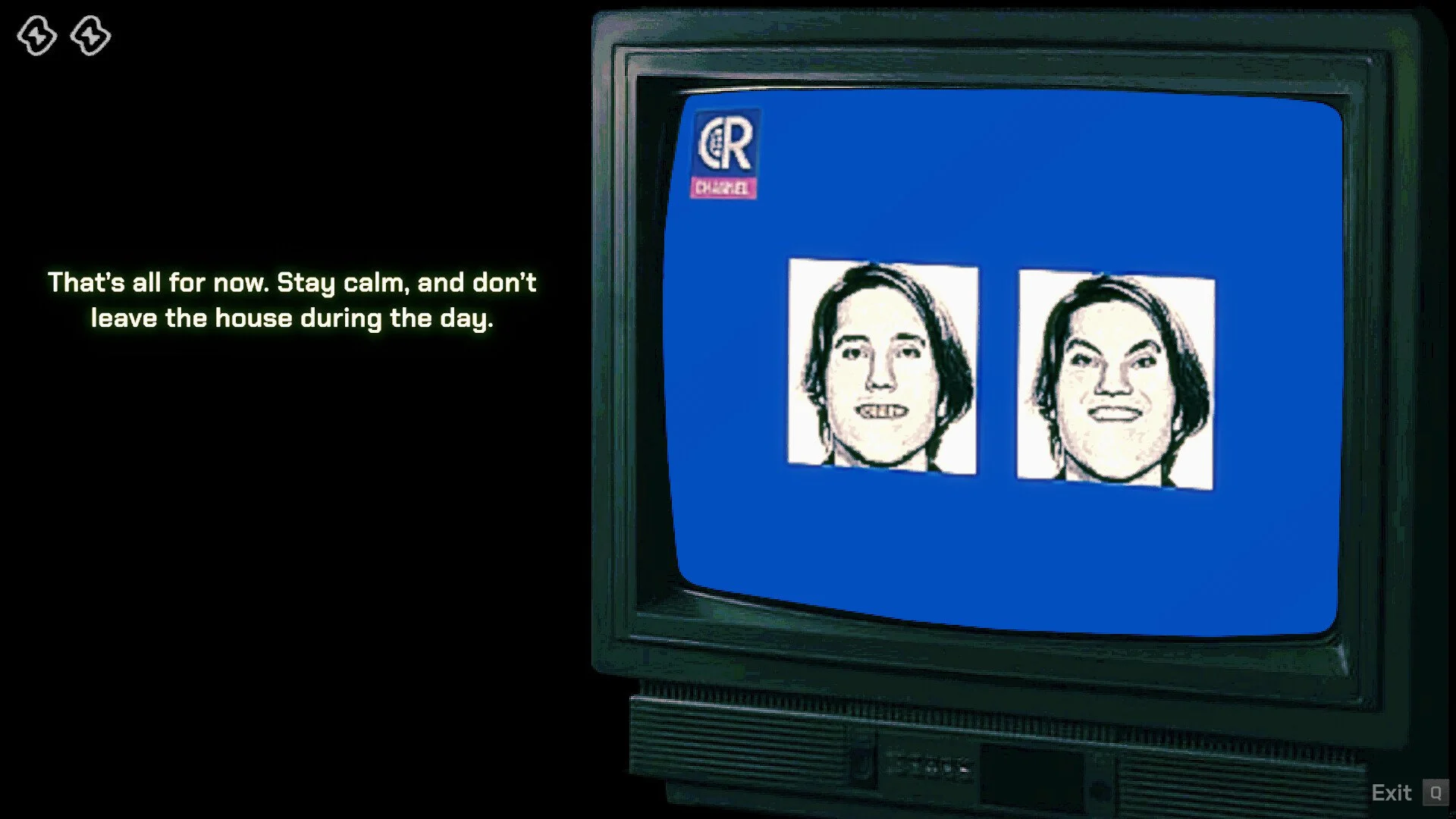
FEMA notices and raids reinforce a constant reminder that authority is watching. Their presence adds another layer of dread beyond the Visitors, showing that survival isn’t just about monsters.
Locked and Random Guests
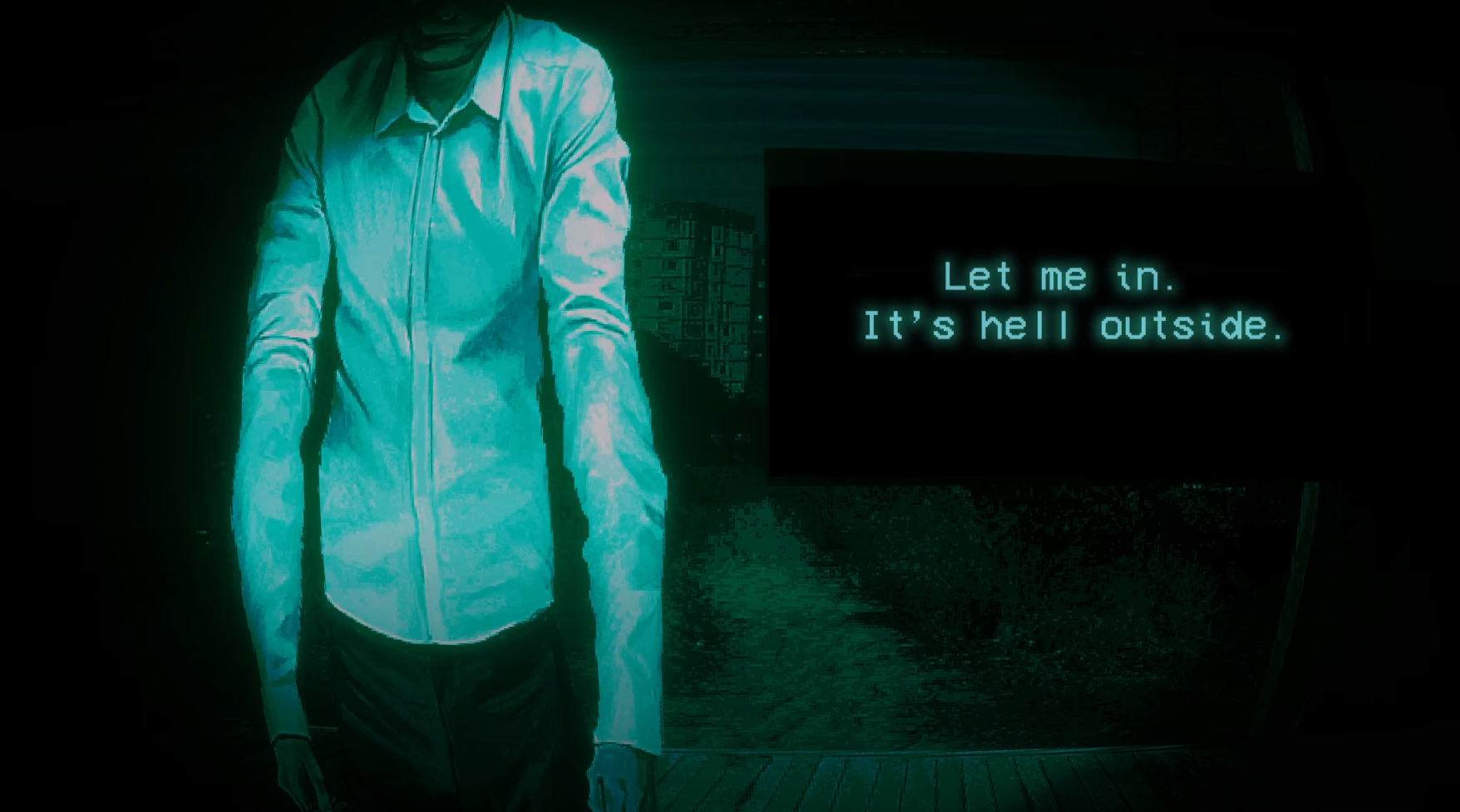
Certain characters are fixed, like Tall Man always being human and Cashier Girl always being a Visitor. Others are randomized, forcing you to test and observe carefully.
False Safety
A guest who seems calm can later be the reason others die. Taking in the wrong person risks turning your house into a death trap, making kindness itself a gamble.
Uncanny Tells
Signs like red eyes, perfect teeth, or dirty nails create subtle unease. The game never gives away everything at once, making you rely on small unsettling details.
Passive Observer Horror
Much of the worst horror happens off-screen. Looking through windows or waking up to aftermath events builds dread without resorting to constant shocks.
Multiple Endings
From being taken by the Intruder to reaching FEMA or finding secret outcomes like the Mushroom ending, the branching paths reflect how fragile every decision is.
Psychological Tension Over Jump Scares
The game has a few jump scares, but they are not its focus. The real fear comes from doubt, silence, and watching events unfold too late to stop them.
Final Blurb
No I’m Not a Human thrives on tropes that emphasize paranoia and inevitability. Each one pushes you to question every knock, every word, and every shadow outside your window. It proves that horror doesn’t need loud shocks to stay in your head long after the door closes.
FAQ
What is the main trope in No I’m Not a Human?
The strongest trope is paranoia horror, where trust is always uncertain and even small mistakes can doom your run.
Are Visitors always randomized?
Not all of them. Some, like Cashier Girl, are always Visitors, while others change roles depending on the playthrough.
Does FEMA count as a horror trope?
Yes. FEMA represents the “government menace” trope, turning authority into a faceless, unavoidable threat.
Are jump scares a big part of the game?
No. The game has a few, but its focus is psychological tension and slow-building dread.
More No I’m Not a Human