OSRS Sailing Salvaging Guide
© gamerblurb.com | Published on 11/19/2025 at 7:58 PM CST (USA)
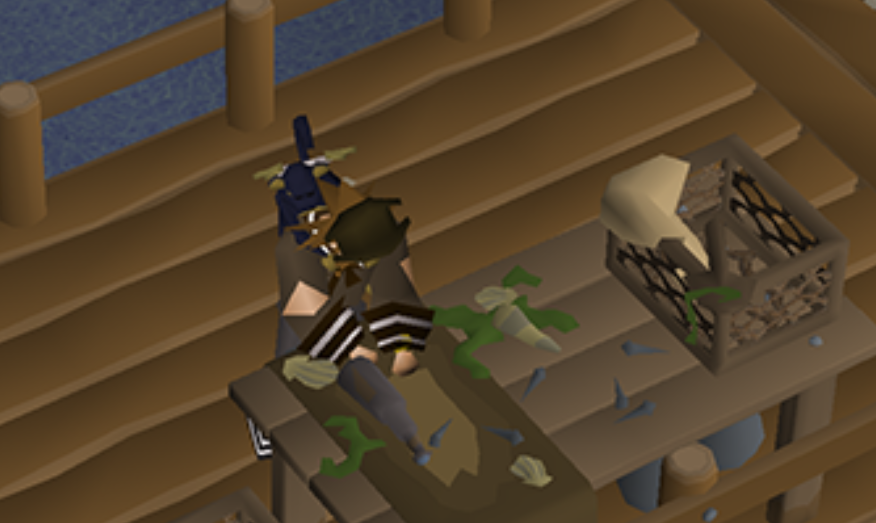
Salvaging is one of the first real ways to gather materials in Sailing, and this guide shows how to start, how to do it right, and how to get the most XP from every wreck you haul up.
How Salvaging Works in OSRS
Salvaging lets you pull materials from shipwrecks by using a salvaging hook on your boat. Every piece of salvage gives a small amount of Sailing XP. You then take that salvage to a salvaging station and sort it for more XP and useful items.
Getting Your Salvaging Setup Ready
To start salvaging you need a salvaging hook installed on your boat. Small hooks work on early wrecks and stronger hooks unlock as you reach deeper seas. Your cargo hold stores the salvage as you collect it.
Where to Find Shipwrecks
Shipwrecks appear as marked spots on the ocean. Small wrecks spawn in early seas like the Bedabin Basin. Pirate wrecks appear later in places like the Feldip Strait. Each area gives different salvage types with different rewards.
How to Salvage Correctly
Sail next to a wreck and slow your boat. When you are in range the salvaging hook becomes active. Click the hook to pull up salvage. Each pull gives a small XP tick. Move the salvage into your cargo hold so you can keep going without filling up.
Sorting Salvage for Rewards
When your cargo hold is full sail back to a port with a salvaging station. Sorting your salvage gives more XP and converts it into items used for construction, crafting, upgrades, and boat parts. Sorting gives about half the XP you get from pulling wrecks.
Types of Salvage
Different seas give different salvage tiers.
Small Salvage
Found in early regions like Bedabin Basin.
fishy salvage
barracuda salvage
large salvage
Plundered Salvage
Found in pirate shipwrecks across the Feldip Strait.
martial salvage
fremennik salvage
opulent salvage
Each salvage set has its own drop table with logs, metals, cloth, gems, nails, and rare upgrade pieces.
Making Salvaging More Efficient
Salvaging is calm and steady but you can speed it up with a few tricks.
sail tight circles between nearby wrecks
use a faster boat so travel time is low
clear your cargo hold often so you never waste pulls
mix salvaging with charting routes so every trip covers XP
use boat upgrades like better sails and tillers for cleaner movement
Your XP per hour rises as your boat gets upgrades and reaches higher level seas.
When to Salvage in Your Leveling Path
Salvaging becomes useful right after you unlock the skiff at level fifteen. It stays relevant all the way to max Sailing because high tier wrecks give better materials. Salvaging is also great during long travel because every stop adds progress.
Salvaging Rewards
Salvaging rewards a mix of XP and materials. These items help you build hull parts, keel parts, masts, sails, and advanced facilities. Pirate salvage can drop rare items used in high level upgrades.
Sorting also gives extra Sailing XP and sometimes fishing supplies or crafting pieces.
Final Blurb on Sailing Salvaging
Salvaging is easy once your hook is installed. Find a wreck, pull the loot, fill your cargo, and sort it for clean Sailing XP. It fits naturally into every ocean trip and keeps your boat stocked with the materials you need for stronger upgrades.
FAQ
How do I start salvaging
Install a salvaging hook on your boat and sail to a wreck.
Where are early salvage spots
Small wrecks spawn in the Bedabin Basin.
What is plundered salvage
Pirate wreck salvage found in the Feldip Strait.
Is sorting important
Yes, sorting gives XP and turns salvage into usable materials.
When should I add salvaging to my route
Start at level fifteen with the skiff so you can reach more wrecks.
© 2025 GamerBlurb. Linking is welcome with credit to GamerBlurb.com. Copying or reproduction without permission is prohibited.
More Old School RuneScape