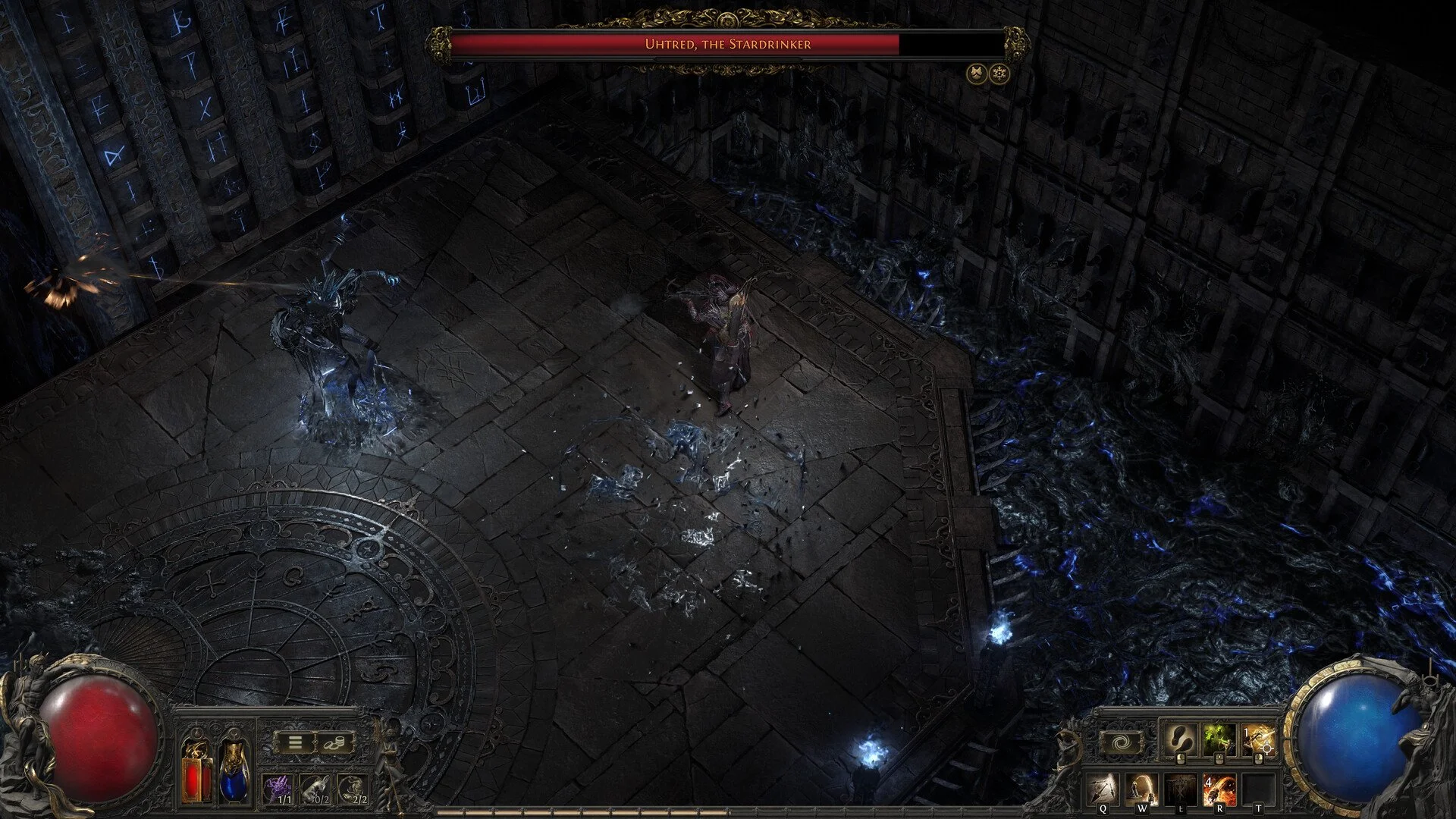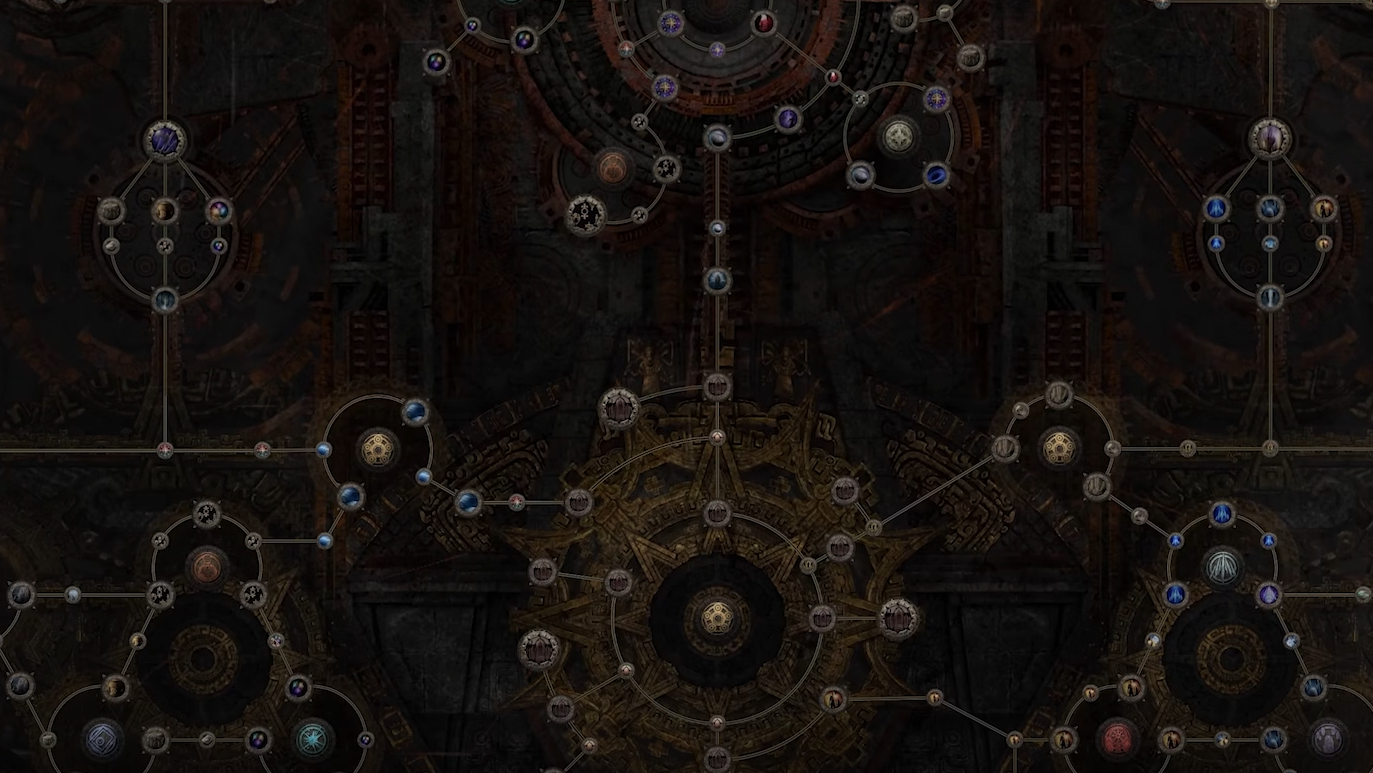
Path of Exile 2 0.5 rebuilt the Atlas Tree into a long term endgame progression system, and the best early setup is less about perfect min maxing and more about making every Fortress map push the account forward. Atlas points now come from Fortress progression, the full tree can eventually be allocated, and early choices still matter because normal Atlas nodes cannot be respecced like regular passive points.
Jump To
Best Atlas Tree Progression In 0.5
How Atlas Points Work
Early Atlas Priorities
Best First Path
Essence And Tablet Income
Masters Of The Atlas
Multi Choice Nodes
Best Atlas Tree By Goal
Atlas Tree Mistakes
Quick Answers
Best Atlas Tree Progression In Path Of Exile 2 0.5
The best Atlas Tree progression in Path of Exile 2 0.5 is to first take low friction mapping value like Waystone sustain, pack size, rarity, Magic and Rare monster rewards, Essence value, and Precursor Tablet support before moving deeper into harder boss or league specific choices.
The reason is simple. Early endgame is not the time to build a fantasy farming tree that only works after the build already has damage, defenses, and a stable Waystone pool. The first Atlas points should make mapping smoother, more profitable, and less annoying. Once the character can clear maps comfortably, then the tree can lean harder into dangerous rewards, boss value, and specific league mechanics.
Path of Exile 2 0.5 also changes the way Atlas planning feels because the full tree can eventually be allocated. That does not mean early choices are meaningless. A bad early route can still make the next 30 maps feel worse than needed, especially because normal Atlas nodes are not freely refundable. It just means the long term plan is progression, not permanent exclusion.
How Atlas Points Work In Path Of Exile 2 0.5
Atlas points in Path of Exile 2 0.5 are earned by completing maps inside the Fortress, which replaces the older method of gaining Atlas points.
After progressing through the endgame questline, the Fortress becomes the main place where Atlas Passive Tree points are earned. Maps inside the Fortress can grant one or more points, and enough points are available across the full Fortress to eventually allocate the entire Atlas Tree. That is the reason normal Atlas respecs are gone in 0.5. The tree is designed to be filled out over time instead of treated like a small limited build.
This changes the mindset. The early Atlas Tree should be viewed as a path of comfort and income. The later Atlas Tree becomes a completion project. The mistake is acting like the entire tree being available later means early nodes do not matter. They do matter because they affect the maps being run right now, and right now is usually when the build is poor, fragile, and wearing whatever gear the campaign allowed it to find.
Early Atlas Priorities For A Fresh 0.5 Start
The first Atlas priority in Path of Exile 2 0.5 should be reliable map progression, not maximum danger or boss farming.
A fresh endgame character usually needs 3 things from the Atlas Tree. It needs enough Waystones to keep moving, enough monster density to make maps rewarding, and enough currency value to start fixing gear. That makes general mapping nodes better early than narrow specialist nodes. A node that makes every map slightly better is usually worth more than a niche node that only pays off when the rest of the setup is already strong.
The best early priorities are:
- Waystone sustain so progression does not stall.
- Pack size because more monsters means more chances at drops.
- Magic and Rare monster value because those enemies carry better reward potential.
- Item rarity when it sits near efficient pathing.
- Essence nodes because they add steady crafting and trading value.
- Precursor Tablet support because tablets are useful for personal maps and trading.
I would not rush heavy difficulty nodes on a weak character. Better rewards are great until the map becomes a brick with a health bar. Early Atlas progress should make the character stronger, not create a science experiment called “why did that rare monster delete me.”
Best First Atlas Path In Path Of Exile 2 0.5
The best first Atlas path in 0.5 is a general mapping route that grabs sustain and steady income before committing hard to one league mechanic.
This is the safest setup for most players because it works with almost any build. A fast Deadeye, a tanky Titan, a caster Infernalist, or a slower minion style build all benefit from more map sustain and better general rewards. That makes the early route less likely to punish a build that is still finding its final gear and damage profile.
A strong first path should follow this logic:
| Progression Step | What To Prioritize | Why It Works |
|---|---|---|
| First Points | Waystone sustain and general map reward value | Keeps progression moving without relying on trade or lucky drops. |
| Early Fortress Push | Pack size, Magic monsters, Rare monsters, and rarity | Adds broad value to nearly every map. |
| Income Layer | Essence and Precursor Tablet support | Gives steady value without adding too much extra time per map. |
| Comfort Check | Only add harder reward nodes when the build feels stable | Prevents early maps from becoming slower than the rewards justify. |
| Specialization | Pick the league mechanic or Master that matches the build | Turns the tree from general progression into a real farming plan. |
This route is not flashy, but it is reliable. It gives the account useful value while the build is still developing. That is usually better than rushing into a dangerous reward package and pretending the repair bill is part of the strategy.
Essence And Tablet Income Are Strong Early Picks
Essence and Precursor Tablet nodes are strong early Atlas picks in Path of Exile 2 0.5 because they add value to mapping without forcing the build into a complicated farming loop.
Essences are useful because they serve 2 roles at once. They can help craft gear, and they can also become trade value if the player does not need them. That makes Essence one of the cleaner early income choices. It does not require a full specialist farming setup to start paying off, and it gives practical value while the Atlas questline is still being cleared.
Precursor Tablets are also worth respecting in 0.5 because tablet support improves how maps can be shaped and juiced. Tablets are useful for personal farming, but they can also have trade value when other players are building stronger map setups. That gives tablet nodes a nice middle ground between personal progress and economy value.
The key is not going overboard too early. Essence and tablet value should support progression, not replace it. If the build is taking too long to clear maps, adding more side value does not fix the real problem. The better play is to keep the early Atlas route efficient, then add deeper economy layers once map clear feels stable.
How Masters Of The Atlas Fit Into The Tree
Masters of the Atlas are a separate 0.5 endgame layer that lets players change map bonuses through Doryani, Hilda, and Jado, and these choices can be swapped more freely than normal Atlas nodes.
This is where real specialization lives in 0.5. The normal Atlas Tree is long term progression, while Masters help shape each mapping session. That is important because players who are frustrated by the lack of normal Atlas refunds still have flexibility through Masters and multi choice nodes.
| Master | Best Use | When To Favor It |
|---|---|---|
| Doryani | Boss focused mapping and stronger boss reward setups | Use when the build has strong single target damage and wants boss value. |
| Hilda | Monster control and safer mapping flow | Use when rare monster behavior or map danger feels too messy. |
| Jado | Defensive and survival focused mapping | Use when the build needs more forgiveness in dangerous maps. |
For early progression, the best Master is often the one that makes the map finishable. That sounds boring because it is. It is also correct. A map that gets completed gives progress, points, drops, and momentum. A map that gets abandoned gives an emotional support loading screen.
How Multi Choice Nodes Should Be Used
Multi choice nodes should be used as the flexible part of the 0.5 Atlas Tree because they can be changed between their available options at any time.
These nodes are the pressure valve for the new Atlas system. Normal nodes stay allocated, but multi choice nodes let the tree adjust between safer mapping and stronger rewards. That means they should be used based on the build’s current strength, not based on ego.
If the build is undergeared, take the safer option. If the build is clearing quickly and bosses are dying without panic, take the greedier reward option. Path of Exile 2 rewards pushing difficulty, but it punishes pushing it before the character is ready.
A good rule is to test difficulty in small steps. Add one harder reward choice, run a few maps, then judge the result. If clear speed drops hard or deaths start stacking up, the reward option is probably costing more than it gives. If the maps still feel clean, keep the greed. The Atlas is allowed to be rude, but it should at least pay rent.
Best Atlas Tree Setup By Goal
The best Atlas Tree setup in Path of Exile 2 0.5 depends on the goal, but most players should start with general progression before moving into specialized farming.
| Goal | Best Atlas Focus | Best Logic |
|---|---|---|
| Fresh Endgame Progression | Waystone sustain, pack size, rarity, Magic and Rare monster value | Builds a stable base while the character is still gearing. |
| Steady Currency | Essence, tablets, broad map value, and efficient density | Creates value without requiring a perfect farming build. |
| Boss Farming | Doryani, boss reward choices, and single target friendly routes | Works best once the build can kill bosses quickly and safely. |
| Safer Mapping | Jado or Hilda support, safer multi choice nodes, and moderate density | Helps weaker or defensive builds finish maps consistently. |
| League Mechanic Focus | One mechanic at a time, supported by matching Atlas pathing | Specialization beats spreading points across too many unfinished ideas. |
| Late Tree Completion | Finish remaining Fortress maps and fill missing Atlas sections | The tree eventually becomes a completion project, not a strict choice list. |
For most players, the best first farming identity is steady currency, not pure bossing. Essence and tablet value work well because they do not ask the build to be perfect. Boss farming is stronger later, but only once the character can actually delete bosses instead of politely requesting they stop moving.
Common Atlas Tree Mistakes In 0.5
The biggest Atlas Tree mistake in Path of Exile 2 0.5 is spending points as if normal Atlas nodes can be freely refunded later.
They cannot be treated that way. The full tree can eventually be allocated, but that does not help much if the next set of maps feels awful because early points went into the wrong kind of difficulty. Careless spending is still punished by time, even if it is not permanent in the long run.
Another common mistake is specializing too early. A league mechanic may be profitable later, but early progression needs reliable maps first. If the build cannot sustain maps, clear quickly, or survive dangerous rares, a specialist farming plan is just a fancy way to slow down.
| Mistake | Better Play |
|---|---|
| Assuming normal Atlas points can be respecced | Plan early pathing carefully and use multi choice nodes for flexibility. |
| Rushing hard difficulty nodes | Add danger only after the build has stable damage and defenses. |
| Ignoring Waystone sustain | Take sustain early so progression does not stall. |
| Splitting into too many mechanics early | Build a general base first, then specialize into one clear farming plan. |
| Skipping Essence and tablet value | Use them as low friction income while clearing the questline. |
| Picking a Master without matching the build | Use Doryani for bossing, Hilda for control, and Jado for survival needs. |
The cleanest 0.5 Atlas plan is boring for the first stretch on purpose. Get sustain. Get density. Get steady value. Then start making the game meaner once the build can handle it. Very advanced technology, also known as not feeding the map device.
Path Of Exile 2 Atlas Tree Quick Answers
| Question | Answer |
|---|---|
| What is the best Atlas Tree setup in Path of Exile 2 0.5? | The best early setup focuses on Waystone sustain, pack size, rarity, Magic and Rare monster rewards, Essence value, and Precursor Tablets. |
| How do you get Atlas points in 0.5? | Atlas points come from completing maps inside the Fortress. |
| Can you respec Atlas points in Path of Exile 2 0.5? | Normal Atlas points cannot be freely refunded, but multi choice nodes can be changed between options. |
| Can the full Atlas Tree be allocated? | Yes, enough Atlas points are available through Fortress completion to eventually allocate the full Atlas Tree. |
| Should Essence nodes be taken early? | Yes, Essence nodes are strong early because they add steady crafting and trade value without slowing maps too much. |
| Are Precursor Tablet nodes worth it? | Yes, tablet support is useful for personal mapping and can also create trade value. |
| Which Master should be used first? | Use Doryani for boss value, Hilda for monster control, or Jado for safer mapping, depending on what the build needs. |
Final Blurb
The best Path of Exile 2 0.5 Atlas Tree progression starts with stability. Waystone sustain, pack size, rarity, Magic and Rare monster value, Essence income, and Precursor Tablet support give early maps enough value without turning every run into a punishment device.
Once the build feels stable, the Atlas can start leaning into harder rewards, boss setups, and stronger league mechanic focus. The full tree can eventually be allocated, but early choices still shape the first stretch of endgame. Spend like the next 30 maps have to be playable, because they do. The Atlas is generous long term, but in the short term it is still Path of Exile, which means it will absolutely grade bad decisions in public.