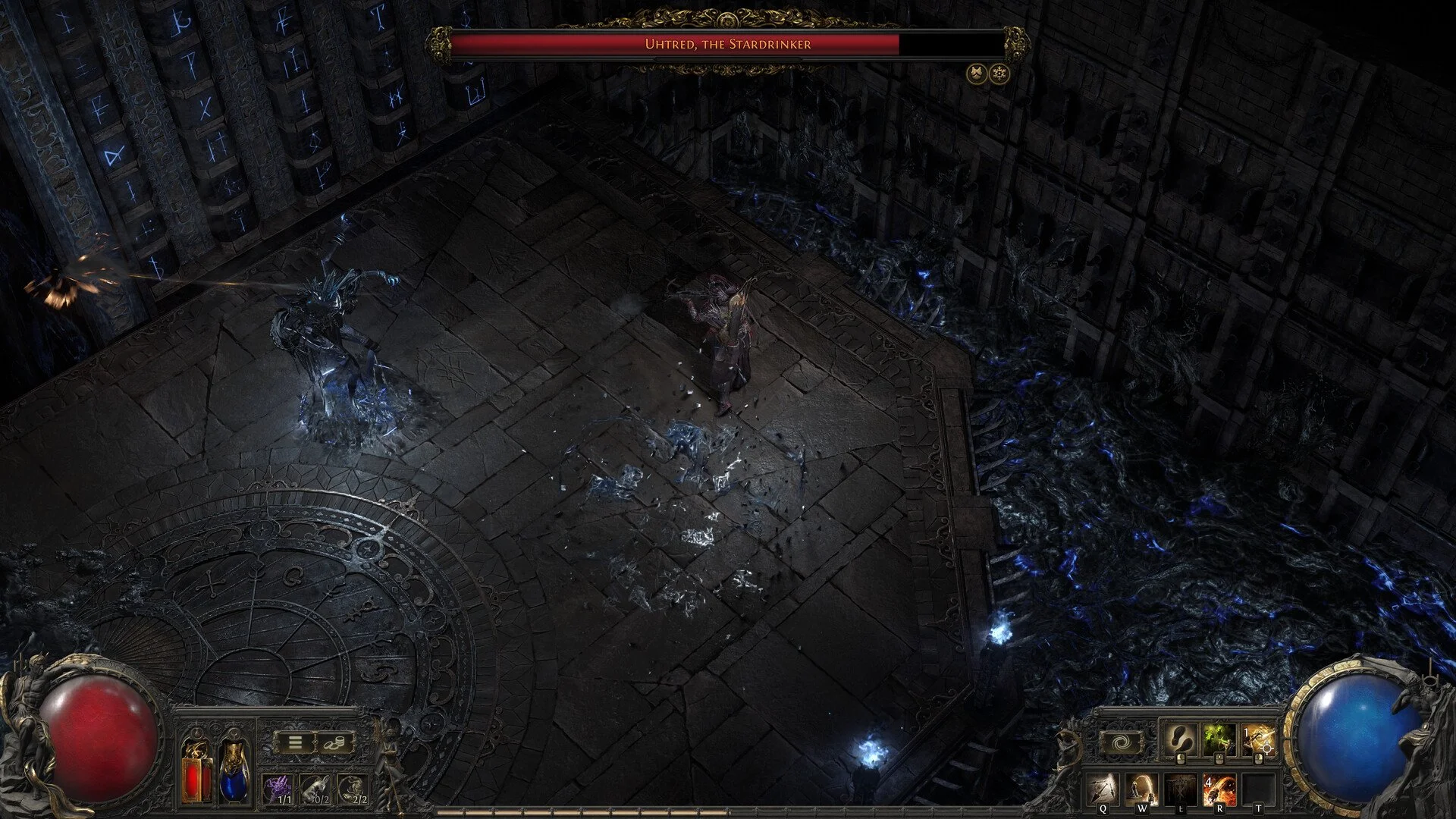
To use Exceptional Verisium in PoE 2, take it to the Verisium Anvil, choose a Runeforging recipe, place the required item into the interface, add the required Exceptional Verisium and any extra material such as Olroth’s Crest of the Sun, then confirm the craft. Do not click the craft until the item, recipe, sockets, quality, and final outcome are exactly what the build wants.
This guide is focused on how to use Exceptional Verisium correctly. For the broader breakdown of what it is used for, see our PoE 2 Exceptional Verisium uses guide.
Jump To
How To Use Exceptional Verisium
Exceptional Verisium is used through the Verisium Anvil, not from the inventory like a normal currency orb.
The basic process is:
- Go to the Verisium Anvil.
- Open the Runeforging interface.
- Pick the recipe connected to the item being upgraded.
- Place the required item into the craft slot.
- Add the required Exceptional Verisium.
- Add any extra required item, such as Olroth’s Crest of the Sun.
- Read the output carefully.
- Confirm only when the result is worth the cost.
The part players mess up is treating Exceptional Verisium like a generic “make item better” material. It is not that loose. The Anvil uses specific recipes, and those recipes have specific costs and outputs. Some improve base defenses. Some create Runeforged or Runemastered versions of gear. Some unique-item crafts add special Runic Ward effects, altered stats, or build-defining modifiers.
If the Anvil is not showing the craft you expected, the issue is usually the item, recipe unlock, required material, or eligibility. Exceptional Verisium by itself does nothing unless the Anvil has a valid transformation available.
Before You Click Craft
Before using Exceptional Verisium, finish the item as much as possible and check the exact output.
This is not a cheap test material. The correct mindset is not “let’s see what happens.” The correct mindset is “this item is ready, the recipe is known, and the result is worth spending the material.”
Check these before confirming:
- The item is the correct base or unique for the recipe.
- The item is not missing an important step you planned to do first.
- The craft does not remove or reduce something the build needs.
- The required Exceptional Verisium amount is acceptable.
- Any extra boss material is included and worth spending.
- The final item is better than selling the materials and buying an upgrade.
I would be especially careful with expensive uniques. Runeforging can be incredible, but it can also turn a valuable item into a sidegrade that only looked good in the interface. If the upgrade does not solve a real problem, save the Verisium.
Choose The Right Runeforging Recipe
Exceptional Verisium recipes are not all doing the same thing, so the recipe matters more than the material name.
Some recipes turn an item into a Runeforged version. Others push a Runeforged item further into a Runemastered version. Some recipes add Runic Ward. Some change base defenses. Some unique recipes add special effects that are only useful for specific builds.
That means the first question should be: what is the recipe trying to improve?
- If the recipe adds Runic Ward, ask whether the build actually scales or uses Runic Ward.
- If the recipe changes defenses, check whether the new armour, evasion, or Energy Shield spread still fits the build.
- If the recipe upgrades a unique weapon, compare the new damage or speed to the current weapon.
- If the recipe adds a unique effect, make sure that effect is actually used by the skill setup.
A big-looking craft is not automatically a good craft. The best Exceptional Verisium use is the one that makes the final item fit the build better, not the one with the flashiest name.
Rare Vs Unique Runeforging
Exceptional Verisium can appear in both high-end equipment transformations and unique-item Runeforging, but the decision is different for each.
For rare or base-type crafts, the main question is whether the output base is worth building around. For example, some Runeforged and Runemastered bases gain Runic Ward or altered defensive profiles. That can be powerful if the build wants the new base, but awkward if the build loses too much of the defense it was already scaling.
For unique Runeforging, the question is sharper: does this unique become meaningfully better after the craft? Some unique recipes can push old or lower-level uniques into endgame relevance. Others are only good if the added effect lines up with a specific build.
Do not assume a unique is worth Runeforging just because the game allows it. A cheap unique with a mediocre output is still a cheap unique after eating expensive materials. The craft should either open a build interaction, add a major defensive layer, or turn the item into something clearly harder to replace.
When You Need Olroth’s Crest
Many higher-end unique Runeforging recipes require Olroth’s Crest of the Sun in addition to Exceptional Verisium.
This is where the cost jumps. The craft is no longer just “use some Verisium.” It becomes a combined material check. The item, Exceptional Verisium, and boss material all need to be worth spending together.
Examples of this kind of recipe include high-end unique transformations where the output becomes a Runemastered version with a special modifier. These are the crafts players chase because the results can be build-defining, but they are also the crafts where bad planning hurts the most.
My rule is simple: if a craft requires Olroth’s Crest, price the entire craft before clicking. Do not mentally count only the Exceptional Verisium. The total cost is the item plus the Verisium plus the Crest plus whatever the build gives up by using that slot.
What Can Go Wrong
The easiest way to waste Exceptional Verisium is to use it before understanding the exact Anvil output.
Common mistakes include:
- Using it on an item that was not finished yet.
- Expecting a different recipe outcome.
- Ignoring defensive tradeoffs after Runeforging.
- Spending Olroth’s Crest without valuing it as part of the craft.
- Runeforging a unique that the build was already planning to replace.
- Using it because a guide showed the item, not because the build needs the item.
The big one is defensive tradeoff. Runeforging can add Runic Ward or change base defenses, but that does not mean every character gets tankier. If the build depends on Energy Shield, armour, evasion, or a specific defensive breakpoint, check the final numbers first.
PoE crafting has a special talent for making a button look exciting right before it teaches a financial lesson. Exceptional Verisium is exactly that kind of material.
How To Get More Exceptional Verisium
Exceptional Verisium comes from Expedition and high-end Runes of Aldur content, especially the deeper endgame side of the system.
The practical way to farm it is to run Expedition seriously: use Logbooks, look for valuable Grand Expedition areas, scout Verisium Remnants, and prioritize rewards that can produce the material or the currency needed to buy it.
If Expedition is the main farm, our PoE 2 0.5 Expedition farming guide covers the wider setup, including Logbooks, Grand Expeditions, Sagas, Island Rumors, and bomb pathing.
Do not expect a smooth supply early. Exceptional Verisium is the kind of material that feels plentiful only after the build can farm the content efficiently or trade for it. If the character is still struggling in basic Expedition maps, spending it on a luxury craft is probably too early.
When To Save Exceptional Verisium
Save Exceptional Verisium when the item is not final, the output is unclear, or the build does not need the specific Runeforging result yet.
I would save it in these situations:
- The current item is temporary.
- The build may change skills soon.
- The recipe requires another expensive material.
- The craft only gives a small defensive gain.
- The market value of the material is more useful than the craft.
Use Exceptional Verisium when the upgrade is specific and obvious. Save it when the upgrade is vague. That is the clean line.
The best use case is a final or near-final item where Runeforging adds something the build cannot easily get elsewhere. The worst use case is clicking the Anvil because the material has been sitting in stash and the craft looks interesting.
Exceptional Verisium is powerful because it unlocks high-end Runeforging, but it is also easy to waste. Treat it like a serious crafting material: plan the item, check the output, count the full cost, then use it only when the result is better than simply selling the materials and buying the upgrade outright.