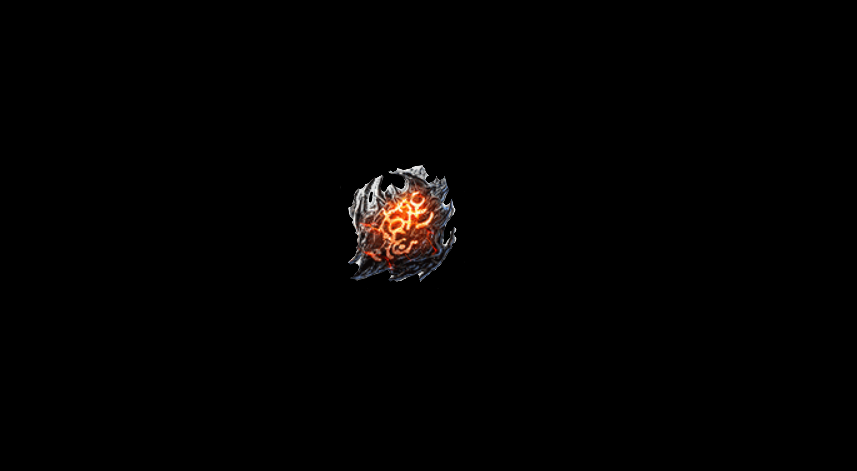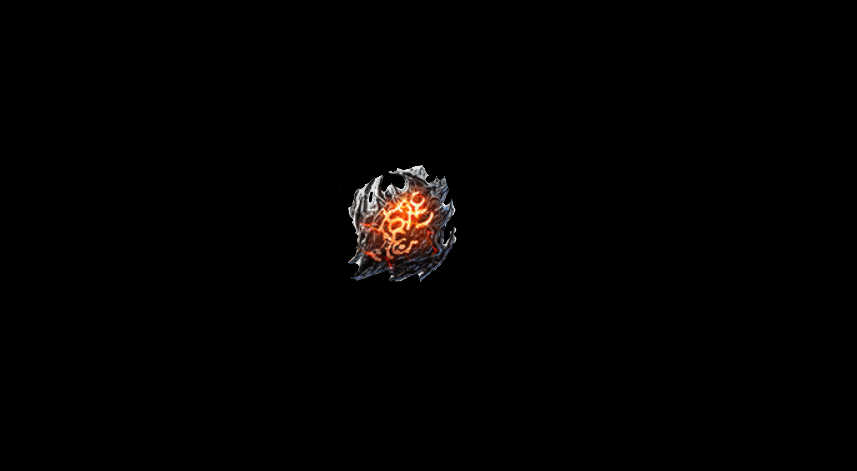
Aldur’s Legacy is a PoE 2 rune that destroys a non-Corrupted Kalguuran or Ezomyte Unique item with an empty Augment Socket and turns part of that unique’s power into a new Legacy Rune. The new rune can then be socketed into the matching equipment slot to give another item a scaled version of that unique effect.
The important warning is simple: Aldur’s Legacy consumes the unique. This is not a temporary test, a bench preview gamble, or a free way to copy an item. Once used, the original unique is gone. The value comes from turning the right unique into the right Legacy Rune, not from throwing it into every shiny item that technically works.
Jump To
What Aldur’s Legacy Does
Aldur’s Legacy lets you sacrifice certain uniques to create socketable Legacy Runes.
That is the whole mechanic. Instead of wearing the original unique, you destroy it and extract a version of its signature power into a rune. That rune can then go into another item, usually letting a build keep a rare or stronger unique item while borrowing one special effect from the destroyed unique.
This is why Aldur’s Legacy is so expensive and so easy to waste. It is not just another rune. It is a unique-conversion tool. Used well, it can move a build-defining effect into a better item slot. Used badly, it deletes a valuable unique and gives back a rune the build barely needed.
I would treat Aldur’s Legacy like a major crafting decision, not a normal socket filler. If the Legacy Rune does not clearly improve the final item, do not press the button.
How To Use Aldur’s Legacy
To use Aldur’s Legacy, place it into an empty Augment Socket on a valid non-Corrupted Kalguuran or Ezomyte Unique item.
The process is:
- Get Aldur’s Legacy.
- Choose a valid non-Corrupted Kalguuran or Ezomyte Unique.
- Make sure that unique has an empty Augment Socket.
- Socket Aldur’s Legacy into the unique.
- The unique is destroyed.
- A new Legacy Rune is created from that unique’s power.
The new rune is the actual reward. For example, destroying Greymake with Aldur’s Legacy creates Legacy of Greymake, which can give +50 to all Attributes when socketed into a helmet. That is the type of effect players are chasing: one clean unique modifier moved into a more flexible rune system.
Our PoE 2 Legacy of Greymake guide covers that specific rune if the goal is the +50 all Attributes helmet setup.
Which Uniques Work?
Aldur’s Legacy only works on non-Corrupted Kalguuran or Ezomyte Unique items with an empty Augment Socket.
That means not every unique in PoE 2 is eligible. A random unique from another item family will not work just because it has a cool modifier. A corrupted eligible unique also will not work. The item needs to be the correct kind of unique, non-Corrupted, and socket-ready.
This is the check I would make before buying anything:
- Is the unique Kalguuran or Ezomyte?
- Is it non-Corrupted?
- Does it have an empty Augment Socket?
- Does it create the Legacy Rune the build actually wants?
- Is the original unique worth more sold than destroyed?
The last question matters more than people want to admit. Some uniques are better as trade items than sacrifice fuel. Aldur’s Legacy does not care if you make a terrible economic decision. It will happily eat the item anyway.
Legacy Runes Explained
Legacy Runes are the output created when Aldur’s Legacy destroys a valid unique.
The new rune does not always copy the original unique at full strength. Many Legacy Rune effects are scaled versions of the source item’s signature modifier. That is for balance, and it is also why reading the Legacy Rune text matters more than reading only the original unique.
This is where a lot of bad assumptions happen. A player sees a unique with a powerful line, assumes the rune gives the full version, then discovers the Legacy Rune gives a reduced or adjusted version. The idea is still strong, but it is not always a full-power copy-paste.
Legacy Runes are also slot-aware. A helmet Legacy Rune is for helmets. A boots Legacy Rune is for boots. A wand Legacy Rune is for wands. Do not plan around moving a unique effect into any item slot you want. Plan around the equipment type shown on the rune.
The system is powerful because it breaks normal unique-item restrictions, but it does not delete every rule. That is very PoE. The door opens, then the game quietly puts three locks behind it.
How To Get Aldur’s Legacy
Aldur’s Legacy is tied to high-end Expedition and Runes of Aldur reward systems, especially Verisium Remnants and Grand Expedition farming.
It can appear as a rare Expedition reward, and players commonly chase it through Grand Expedition setups, Aldur’s Saga investment, and high-slot Verisium Remnants. It can also be bought through trade if the price makes more sense than farming it directly.
The practical farming path is to run Expedition seriously rather than casually. Use Logbooks, look for strong Grand Expedition areas, scout high-slot Verisium Remnants, and do not waste Aldur’s Saga on weak reveals. Aldur’s Saga can improve Grand Expedition areas, but it does not turn every map into a guaranteed Aldur’s Legacy drop.
I would not farm this expecting quick results. Player reports make the drop look very streaky. Some people get it from normal Expedition or a lucky Grand Expedition. Others burn through expensive setups and only see disappointment wearing a fancy rune icon.
If the goal is specifically Aldur’s Legacy, Expedition needs to be treated as a long farm with a chance at a huge hit, not a checklist item.
Best Uses For Aldur’s Legacy
The best uses for Aldur’s Legacy are uniques whose Legacy Rune effect solves a real build problem or creates value that a normal rune cannot match.
Good Aldur’s Legacy targets usually fall into one of these buckets:
- Attribute fixes, like Legacy of Greymake.
- Skill-level or spell-scaling runes from strong caster uniques.
- Defensive effects that are hard to get elsewhere.
- Movement or utility effects that free up gear pressure.
- Build-enabling unique effects that still matter in reduced rune form.
The best target is not always the flashiest unique. It is the one where the created rune fits the final item and the final build. A boring-looking rune that fixes attributes, resistances, or skill levels can be worth more than a meme effect that does nothing in practice.
I would always compare the Legacy Rune against two things: the unique being destroyed and the rune slot being used. If the final rune is not worth both costs, it is not a good craft.
Before You Use It
Before using Aldur’s Legacy, check the exact Legacy Rune you will create.
This is not optional. Do not assume based on the source unique. Look up the Legacy version, read the value, check the equipment slot, and make sure the final item can actually use it.
I would also check the market before destroying anything expensive. If Aldur’s Legacy is worth hundreds of Divines and the target unique is also valuable, the finished rune needs to justify a huge spend. Sometimes the correct play is to sell Aldur’s Legacy and buy several upgrades instead.
That is not the exciting answer, but it is often the right one. A player in poverty gear should probably not gamble a premium rune because a clip made it look broken. Build-defining crafts are great. Panic crafts are how rich players get cheaper supplies from everyone else.
The clean checklist is:
- Confirm the unique is eligible.
- Confirm the item is not corrupted.
- Confirm the Augment Socket is empty.
- Confirm the output Legacy Rune.
- Confirm the final item can use that rune.
- Confirm the craft is better than selling the parts.
Is Aldur’s Legacy Worth Using?
Aldur’s Legacy is worth using when the Legacy Rune it creates is worth more to the build than the rune itself, the destroyed unique, and the socket opportunity cost.
That is a high bar. It should be a high bar. Aldur’s Legacy is one of the most powerful crafting tools in Runes of Aldur because it lets unique item power survive outside the original unique item. That kind of flexibility is exactly what makes it expensive.
I would use Aldur’s Legacy only with a finished plan. Know the source unique. Know the output rune. Know the item receiving it. Know why that rune is better than a normal rune or another upgrade. If any of those answers are vague, wait.
For most players, selling Aldur’s Legacy may be smarter than using it early. For a prepared build with the right target unique and a strong final item, using it can be the kind of upgrade that changes the character completely.
The mechanic is simple, but the decision is not: Aldur’s Legacy destroys a valid unique and turns its power into a rune. The hard part is making sure the unique you destroy is the one your build actually wanted to inherit.