Path of Exile 2 Druid Forms Guide
Patch 0.4 defines the Druid through shapeshifting, and understanding the forms is the key to playing the class well. This guide explains how Druid forms work in Path of Exile 2, what each form is designed to do, and how players actually use them during progression.
Path of Exile 2 Druid Forms Answer
Druid forms change how you fight, move, and survive. Each form has a clear purpose. You choose one as your main identity and borrow utility from the others when needed.
Bear favors staying power. Wolf favors speed and control. Wyvern favors reach and area pressure. Human form supports all of them.
How Druid Forms Work in POE2
Druid forms are not cosmetic. Each form replaces parts of your skill kit and alters combat flow.
You enter forms using Animal Talismans. While shifted, you gain access to form specific skills and attacks. Switching forms changes your options instantly.
Most Druids stay in one form most of the time. Swapping is used for movement, setup, or utility rather than constant rotation.
Bear Form Explained
Bear Form is built for frontline combat. It rewards staying close to enemies and fighting through damage instead of avoiding it.
Bear attacks generate Rage through sustained combat. That Rage fuels stronger abilities and longer pressure windows.
Bear Form excels at
Surviving prolonged fights
Dealing steady melee damage
Controlling packs at close range
Wearing down bosses over time
Bear is the most forgiving form and the easiest to understand early.
Wolf Form Explained
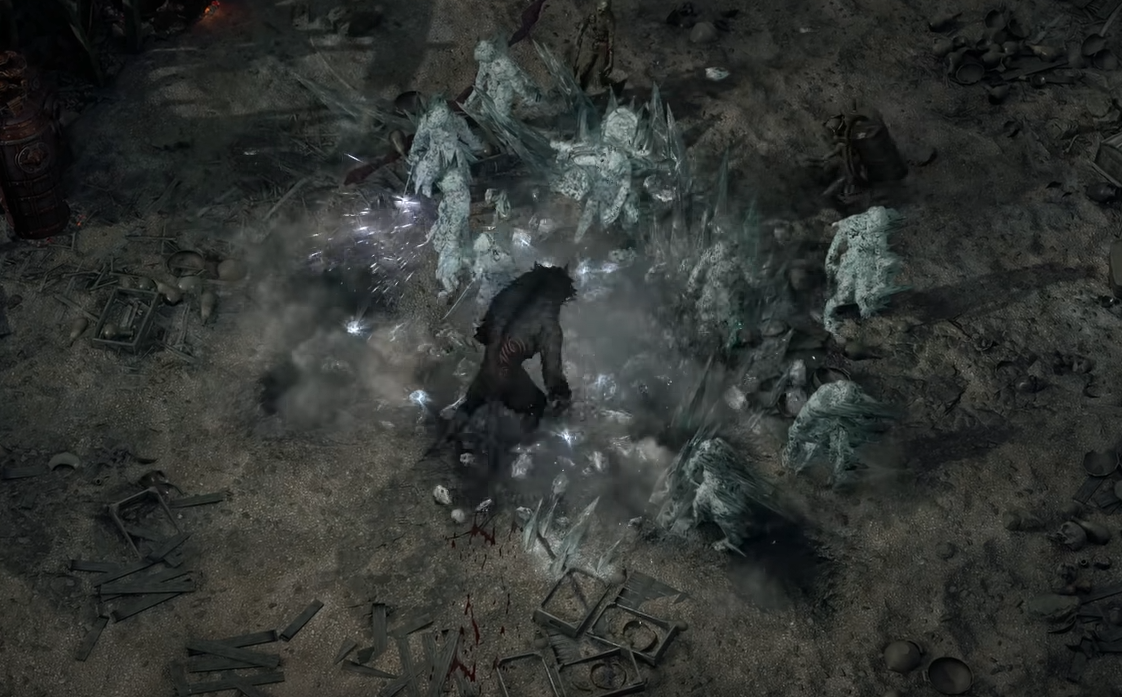
Wolf Form is about movement and control. Many Wolf attacks move you while dealing damage, which keeps combat fast and fluid.
Cold damage and freezes are a natural fit. Enemies spend more time slowed or frozen, giving you room to reposition.
Wolf Form excels at
Fast zone traversal
Engaging and disengaging quickly
Crowd control through freezes
Short damage windows
Wolf rewards awareness and timing more than raw defense.
Wyvern Form Explained
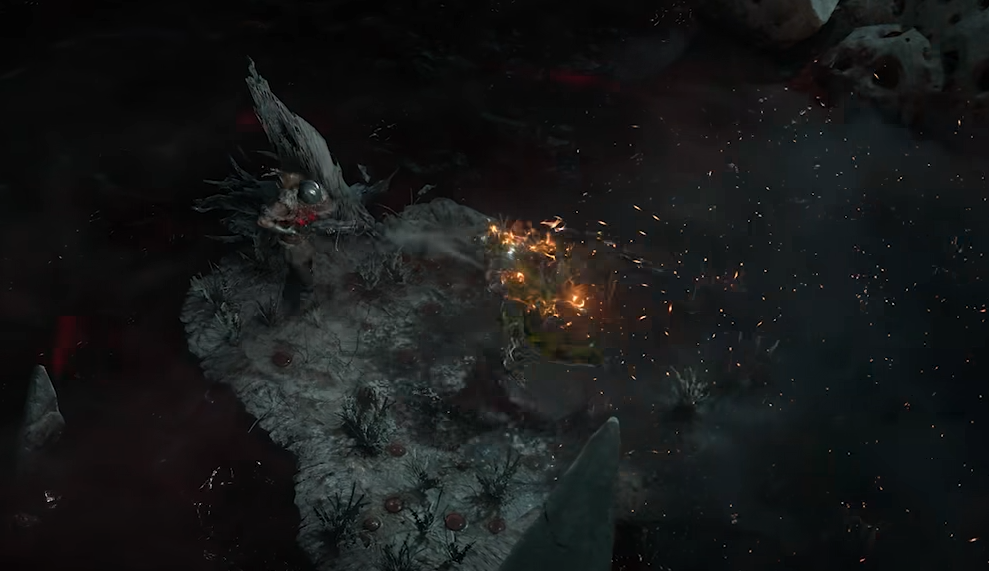
Wyvern Form brings range to the Druid kit. Attacks reach farther and cover larger areas.
Wyvern skills often interact with corpses and leave lingering effects on the ground. This creates strong zone control in open spaces.
Wyvern Form excels at
Hitting enemies from distance
Area denial and coverage
Clearing dense packs
Fighting safely in open layouts
Wyvern becomes more noticeable later once skills and gear support it.
Human Form Role
Human form is the control layer of the Druid. It focuses on elemental magic rather than raw physical combat.
You use human form to shape the battlefield. Spells trap enemies, create hazards, and soften targets before shifting back into an animal form.
Human form is strongest when used deliberately, not constantly.
Using Multiple Forms Together
Most effective Druids pick a primary form and borrow selectively.
Common patterns include
Using Wolf movement to reposition for Bear
Using Human spells to control space before shifting
Staying in one form for damage while swapping briefly for utility
Trying to play all forms at once usually slows progression.
Choosing a Main Form
The best form depends on how you like to play.
Bear suits players who want durability and steady combat.
Wolf suits players who want speed and active gameplay.
Wyvern suits players who prefer range and area control.
There is no wrong choice. Gear and passives reinforce the form you choose.
Final Blurb
Druid forms in Path of Exile 2 define the class. Bear holds the line, Wolf controls the pace, Wyvern shapes the battlefield, and human form ties everything together. Mastery comes from committing to a main form and using the others with purpose. Once the forms click, the Druid feels complete.
FAQ
Do I need to use all Druid forms
No. Most builds focus on one main form.
Is Bear the best form
No. It is the safest, not the strongest in every case.
Is Wolf harder to play
Yes. It rewards movement and timing.
Does Wyvern work early
It appears later and shines more with investment.
Is human form optional
Yes, but it provides strong control tools.