

Path of Exile 2 Druid Class Guide
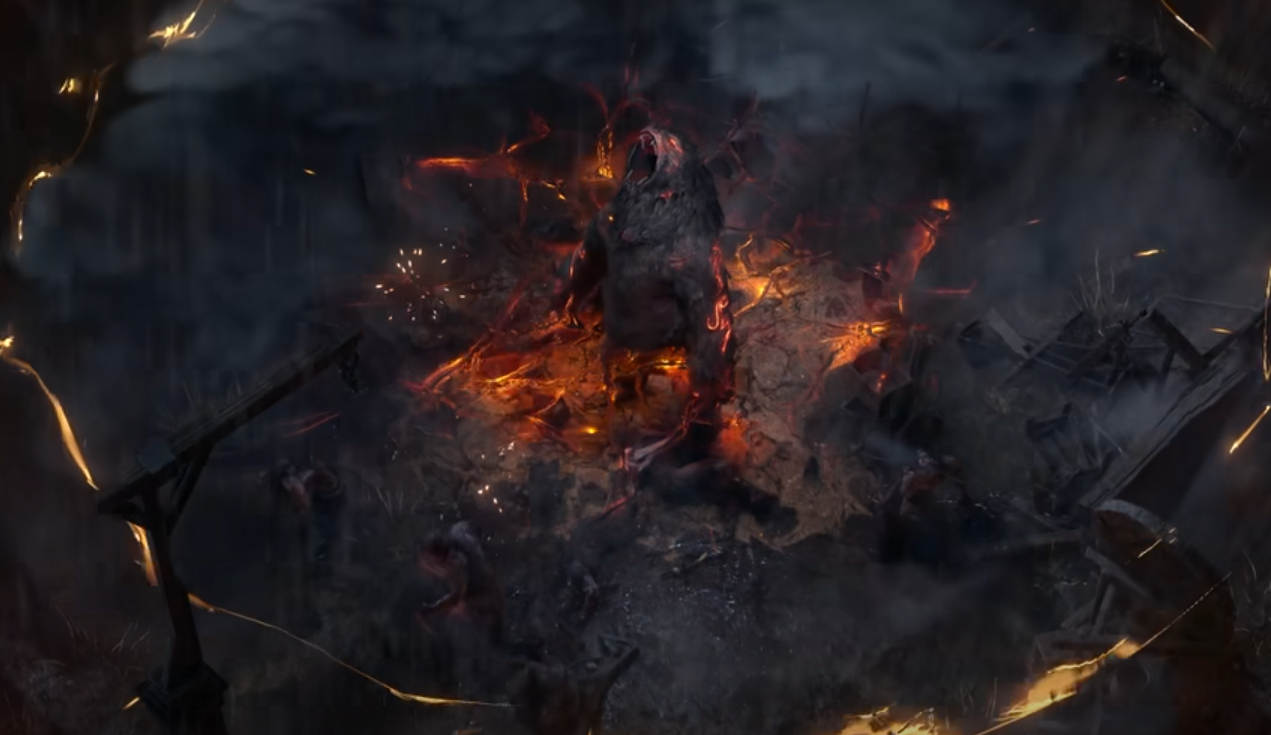
New claws, new forms, and a lot of curiosity followed Patch 0.4, especially around how the Path of Exile 2 Druid actually functions in real gameplay. This guide focuses on how the class works, what each form does, and how players are approaching it without locking into one creator’s build logic.
Path of Exile 2 Druid Guide Overview
The Druid in Path of Exile 2 is a hybrid Strength and Intelligence class built around shapeshifting and elemental casting. You equip Animal Talismans to enter different forms, each one changing your skill set and combat rhythm.
You are never forced into a single form permanently. The class is designed around choosing a primary identity while borrowing tools from the others.
How the Druid Plays in Practice
Druid gameplay is about momentum and control. You alternate between preparation and payoff.
Animal forms deliver pressure and damage. Human form sets the stage with elemental effects and crowd control.
This makes the Druid feel steady rather than spiky. You have answers in most situations, even when positioning goes wrong.
Bear Form Playstyle
Bear Form is built for sustained frontline combat. You stay close, absorb hits, and convert resources into damage bursts.
Instead of constant spam, Bear rewards timing. You build power, then release it through heavy attacks while staying mobile.
Bear Form emphasizes
Building a combat resource through repeated actions
Movement driven attacks that clear packs
High impact melee strikes
Large damage windows against tougher enemies
This form pairs well with armor focused gear and feels forgiving during long fights.
Wolf Form Utility
Wolf Form focuses on speed and engagement control. Movement is baked directly into your attacks, which helps early pacing and map traversal.
It shines when repositioning matters or when enemies need to be locked down quickly.
Wolf Form provides
Leap based engagement
Fast repositioning
Freeze focused pressure
Temporary minion support
Even builds that do not center on Wolf often use its movement tools early.
Wyvern Form Function
Wyvern Form gives the Druid reach. Attacks extend farther, and area coverage becomes more important than standing still.
It excels when enemies cluster or when distance keeps you safe. Corpse interaction and area effects give this form strong zone control.
Wyvern strengths include
Extended attack range
Wide area coverage
Corpse based effects
Strong control in open spaces
This form becomes more appealing once gear supports consistent damage.
Human Form and Elemental Control
Human form anchors the class. It slows fights down and shapes enemy movement.
Elemental skills create hazards, restrict paths, and soften targets before you shift forms again. You are not weaker here, just playing a different role.
Human form is useful for
Area denial
Crowd control
Elemental pressure
Setting up shapeshift damage
Ignoring human form limits the class more than people expect.
Druid Ascendancy Choices
Patch 0.4 introduces two ascendancies for the Druid, Oracle and Shaman. Each pushes the class in a different direction.
Shaman emphasizes stability, utility, and smoother resource flow. It supports longer engagements and reduces downtime between abilities.
Oracle leans into scaling effects and higher payoff interactions. It benefits players who want to invest into deeper progression systems.
Neither ascendancy is mandatory for a specific form. The choice depends more on pacing preference than raw power.
Fate of the Vaal League System
Patch 0.4 also introduces Fate of the Vaal, a league mechanic centered on building and clearing a Vaal temple.
You activate Vaal Beacons during mapping. Clearing enemies powers the beacon and grants access to the ruins.
Inside the ruins, you assemble chambers before attempting a full temple run. Success grants powerful rewards, including Double Corruption chambers and temporary Vaal Prosthetics.
It rewards planning more than speed.
General Druid Progression Tips
The Druid benefits from frequent gear evaluation, especially when using attack focused forms. Damage and survivability scale heavily with item bases.
A few broad tips help early progression
Upgrade weapons regularly for attack focused setups
Prioritize defenses before chasing damage
Use movement skills early to save time
Avoid overloading your bar with every form at once
Clean setups outperform flashy ones.
Strengths and Limitations
Strengths
Flexible combat roles
Strong survivability
Multiple viable form paths
Smooth early progression
Limitations
Resource timing matters
Form swapping has a learning curve
Scaling varies by gear quality
The class rewards patience more than reaction speed.
Final Blurb
The Path of Exile 2 Druid feels deliberate and adaptable. Bear thrives in close combat, Wolf keeps things moving, Wyvern controls space, and human form ties the kit together. Patch 0.4 gives the class room to breathe, and Fate of the Vaal provides meaningful content to test it. If you enjoy controlled aggression with options, the Druid delivers.
FAQ
Is the Druid beginner friendly in Path of Exile 2
Yes. The class is durable and forgiving, especially in early progression.
Do you need to use all animal forms
No. Most builds focus on one form and selectively use others for utility.
Does ascendancy choice lock your build
No. Both ascendancies support multiple playstyles.
Is human form required
It is not required, but skipping it removes useful control tools.
Is Fate of the Vaal worth doing
Yes. The rewards are strong and scale well with effort.
