Path of Exile 2 Druid Build Guide | Best Druid Builds in POE2
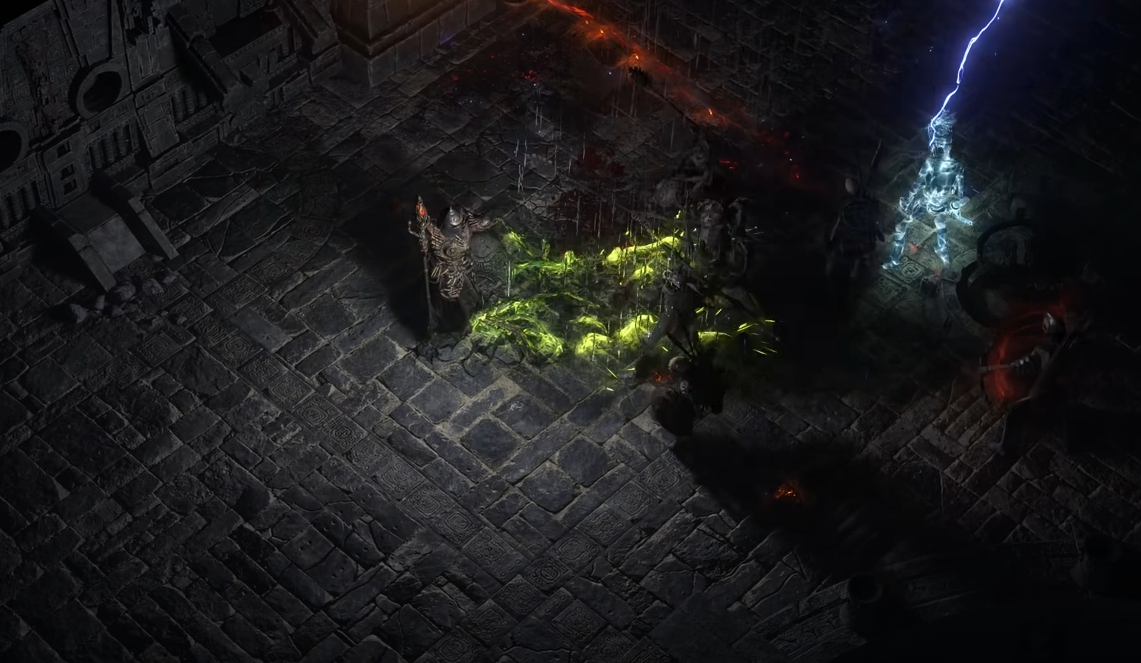
Patch 0.4 sparked a lot of experimentation with the Druid, and instead of repeating step by step builds, this guide breaks down how the most common Druid build directions actually function in Path of Exile 2. Think of this as an analysis of what is working, why it works, and where players can safely diverge to make the setup their own.
Path of Exile 2 Druid Builds Explained
Rather than copying a single finished setup, this guide looks at two popular Druid directions emerging in Patch 0.4. One centers on Bear Form with Rage driven area damage. The other leans into Wolf Form with cold based control and combo play.
Both approaches use real in game mechanics. The difference is how players apply them and what tradeoffs they accept.
Rage Based Bear Playstyle Analysis
Bear focused Druids are built around sustained combat and resource timing. The core idea is not a single skill, but a loop.
You generate Rage through repeated Bear actions. Once Rage reaches high values, you spend it during high impact windows to pressure packs or bosses.
Walking Calamity is one way players convert that stored Rage into area damage, but it is not the only source of Bear power. Furious Slam, Rampage, and other Bear skills remain relevant before and after that window.
What makes this approach effective
Rage generation happens naturally during combat
Damage scales with staying engaged, not hit and run
Armor and defenses reward standing your ground
This style feels slower early but becomes very stable later.
Bear Skill Choices and Flexibility
Most Bear focused players start with basic Rage generators and heavy hitters because Walking Calamity unlocks later.
Early Bear gameplay usually mixes
A Rage generating melee attack
A heavier slam for burst
A movement option borrowed from another form
Once Walking Calamity becomes available, players often shift emphasis toward movement and uptime rather than raw button presses.
Importantly, Bear builds do not collapse if Walking Calamity is on cooldown. The rest of the kit still functions.
Strengths and Tradeoffs of Bear Builds
Strengths
High survivability
Consistent damage in long fights
Forgiving positioning
Scales well with armor
Tradeoffs
Power spike arrives later
Resource management matters
Less burst mobility early
Bear suits players who like steady momentum over twitch reactions.
Cold Focused Wolf Playstyle Analysis
Wolf focused Druids approach combat very differently. Instead of storing power, they chain effects together.
Cold damage, freezes, and marks define this style. You apply debuffs, then capitalize on short damage windows created by control effects.
Wolf builds tend to feel faster and more technical.
Why this approach works
Cold damage provides built in crowd control
Movement skills are part of the damage loop
Enemies spend more time disabled than attacking
This makes early mapping feel smooth even with modest gear.
Wolf Skill Interactions and Rotation Logic
Wolf gameplay revolves around sequencing rather than spamming. You prepare the target, then unload damage.
Typical interactions include
Applying cold exposure or debuffs
Engaging with a high mobility attack
Following up with a heavier strike while effects are active
Summoned Wolves add pressure but are not the main damage source. They extend uptime during boss fights and help smooth single target damage.
Wolf builds reward awareness and timing more than raw stats early.
Strengths and Tradeoffs of Wolf Builds
Strengths
Fast clear speed
Strong crowd control
Active and engaging combat
Good early progression
Tradeoffs
More buttons to manage
Crit scaling comes later
Less forgiving mistakes
Wolf suits players who enjoy busy gameplay and constant movement.
Ascendancy Direction Considerations
Both Shaman and Oracle can support these playstyles, but they push them differently.
Shaman favors consistency. It supports smoother Rage flow, longer engagements, and defensive stability. This pairs naturally with Bear focused approaches.
Oracle leans toward scaling and payoff. It benefits players who want stronger interactions later, especially with elemental and crit focused setups.
Neither ascendancy hard locks a build. Gear and passive choices matter just as much.
How to Make These Builds Your Own
The safest way to avoid copying a finished build is to adjust one layer.
Ways players commonly personalize
Swap one core skill for comfort
Lean harder into defense or damage
Adjust elemental focus based on drops
Change movement skills to preference
Path of Exile 2 rewards adaptation more than rigid planning.
Final Blurb
Patch 0.4 Druid builds fall into two broad philosophies. Bear builds emphasize staying power and Rage fueled pressure. Wolf builds focus on speed, control, and cold based combos. Both are valid, both scale, and both leave room for personal tweaks. The strongest Druid builds are not copied, they are adjusted as you play.
FAQ
Are these exact builds I must follow
No. These are analyses of common approaches, not fixed templates.
Is Bear or Wolf better overall
Neither is strictly better. Bear favors survivability, Wolf favors speed.
Does Walking Calamity define Bear builds
It is strong, but Bear builds still function without it active.
Do Wolf builds require crit early
No. Crit improves later, but cold damage works fine early.
Can I switch styles later
Yes. Passive respecs and gear changes allow transitions between approaches.