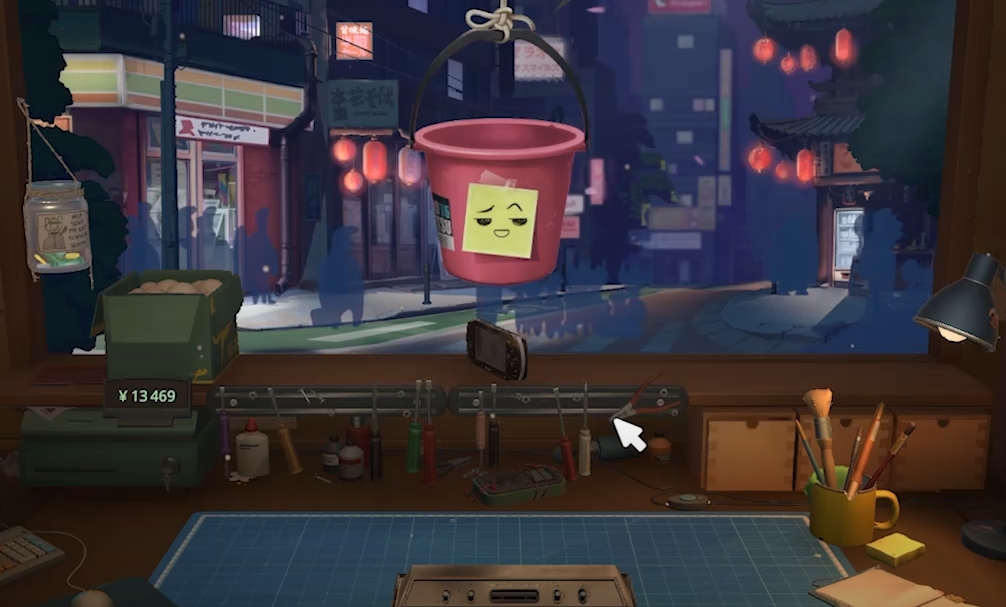
Selling electronics in ReStory: Chill Electronics Repairs is one of the best ways to turn spare devices into extra yen, but the profit depends almost entirely on how you acquired the item. A cheap broken device from the Marketplace can become a valuable sale after cleaning and repairs, while assembling the same product from individually purchased parts can cost more than the finished item is worth.
To sell a device, finish the restoration and place it on the sell ledge inside the shop. The item is then treated as store inventory rather than part of an active customer order, so make sure you are selling your own device and not something intended for a specific client.
Jump To Section:
How to Sell Electronics
How the Sell Ledge Works
Buying and Reselling Devices
Should You Build From New Parts?
Customer Orders vs. Store Sales
How to Make More Profit
How to Sell Electronics in ReStory
Only place a device on the sell ledge after you have finished the work you intend to complete. A repaired item can be sold immediately, but cleaning it first keeps the device from leaving your shop in poor condition and makes the restoration process easier to track.
Carry the finished electronic to the selling area and place it on the ledge. Once it is accepted there, the device becomes part of the shop’s normal sale inventory.
You do not need to find a separate auction menu or manually negotiate a price. The important decision happens before the item reaches the ledge: whether the cost of buying and repairing it leaves enough room for profit.
How the Sell Ledge Works
The sell ledge is for electronics you own and want to sell through the shop. Placing something there does not assign it to a waiting customer or convert it into a delivery order.
This can cause confusion when you have several similar phones, consoles, or accessories on the workbench. A repaired Marketplace phone may look identical to a device being prepared for a customer, but the game still treats them as separate items.
Before moving anything to the ledge, check the active order and confirm which device belongs to it. If you place your repaired Marketplace item on the ledge, it will be sold normally rather than sent to the customer whose job happens to require the same model.
Keep customer devices and personal resale stock in different areas of the workshop. That small amount of organization prevents a finished item from being sent to the wrong destination.
Buying and Reselling Marketplace Devices
The Marketplace is the strongest source of electronics to restore and resell. Listings can contain damaged or dirty devices priced far below their finished value, allowing you to make money after replacing a few parts and cleaning the rest.
The seller description and rating give you some information, but they do not guarantee the condition of the item. A cheap listing may contain several useful components and require only a small repair, while another device may arrive with enough broken parts to erase the expected margin.
Look for electronics priced comfortably below their normal sale value rather than buying anything that appears slightly discounted. The larger the difference, the more room you have for replacement parts and unexpected damage.
A successful resale follows a simple pattern: buy low, disassemble the device, keep every usable component, replace only what is broken, clean the remaining parts, rebuild it, and move the finished item to the sell ledge.
Our ReStory cleaning guide explains how to identify dirty components, use the brush, and fix parts that remain stuck at 0%.
Should You Build Electronics From New Parts?
Buying every component individually and assembling a brand-new device is usually a poor way to make money. Most electronics cost more to build from supplier parts than they return when sold as a completed product.
The supplied price comparisons show how quickly this can become unprofitable. A Pokia 3310 costs 21,460 yen to assemble from new parts but sells for 14,300 yen. A Nony PMP costs 35,100 yen and sells for 23,400, while a Nony PlayMachine costs 45,000 yen to build and sells for 30,000.
The same problem appears with larger electronics. A Patendo BS costs 48,000 yen with all parts included and sells for 32,000. A Nony GoMan reaches 105,000 yen in new components but sells for only 70,000.
The Autorolla Razor is the notable exception in the supplied figures. Its parts total 22,310 yen while the finished device sells for 26,000, leaving a small profit before accounting for any other expenses.
Even in that case, the margin is much weaker than buying a damaged device below market value and repairing it with parts you already own.
Use Salvaged Parts Instead of Buying Everything New
A device assembled from donor components can still be profitable because the effective cost of each part is much lower than its supplier price. Marketplace electronics, spare-part boxes, and broken devices from earlier jobs can all provide pieces for later restorations.
Do not discard a usable component simply because the original device is not worth rebuilding. A screen, battery cover, circuit board, cable, or button set may complete a much more valuable item later.
Spare-part boxes are also useful because they provide several random components for one price. They are less predictable than buying an exact licensed part, but the lower average cost can improve the margin on future sales.
Use new supplier parts when you need one specific component to complete an otherwise profitable restoration. Avoid buying an entire device piece by piece unless you have checked the total cost first.
Customer Orders and Store Sales Are Different
Customer jobs pay you for returning a specific device after completing the requested work. Electronics you buy online belong to you and can be restored for the sell ledge instead.
Repairing the same model requested by a customer does not automatically assign your Marketplace device to that order. The game tracks the original customer item separately.
This is why a repaired phone placed on the sell ledge may simply be sold instead of being sent to a delivery customer. The ledge is not a general destination selector; it is specifically the place for normal shop sales.
Keep the customer device near the active job area and place resale projects elsewhere until they are finished. When several identical models are open at once, use their condition and order status to confirm which one should be returned and which one should be sold.
Can You Sell Loose Parts?
The supplied information does not establish a normal way to place individual spare components on the sell ledge. The selling system is centered on completed electronics rather than clearing every unused part directly for cash.
Keep useful components for later repairs, especially parts belonging to devices you regularly buy from the Marketplace. Broken pieces can eventually be processed through the shredder, which returns some yen instead of sending them straight to the trash.
This makes storage management part of the resale strategy. A cheap component taking up space may still save you from purchasing an expensive licensed replacement later.
How to Make More Money From Each Sale
The most reliable profit comes from controlling the purchase price. A device bought close to its completed value has very little room for replacement parts, while a heavily discounted listing can survive several repairs and still produce a worthwhile return.
Inspect every component before ordering replacements. Dirt does not mean a part is broken, and buying a duplicate before cleaning the original wastes money.
Repair only what is necessary for the device to become complete and functional. Painting and firmware work should be reserved for jobs that request them because optional cosmetic or software work does not automatically increase the normal sale value.
Marketplace ratings should guide your expectations rather than make the decision for you. A questionable listing can become a great flip, but the uncertainty means you should never spend the last of your money on one device.
Maintain enough cash for rent, internet, replacement parts, and active customer jobs before using the remainder for resale inventory. Marketplace flipping is profitable when you can absorb one bad purchase without bringing the entire shop to a stop.
The Best Way to Sell Electronics
Finish the device, confirm that it belongs to you rather than an active customer, and place it on the sell ledge. The game then handles it as normal shop inventory.
Buy damaged electronics from the Marketplace when their asking price leaves enough room for repairs. Clean and reuse the existing parts, replace only the broken components, and rely on salvage whenever possible.
Avoid constructing most devices entirely from new parts because the supplier cost usually exceeds the finished sale value. The strongest resale projects begin as cheap, imperfect electronics that need your labor more than they need an entirely new set of components.