ReStory
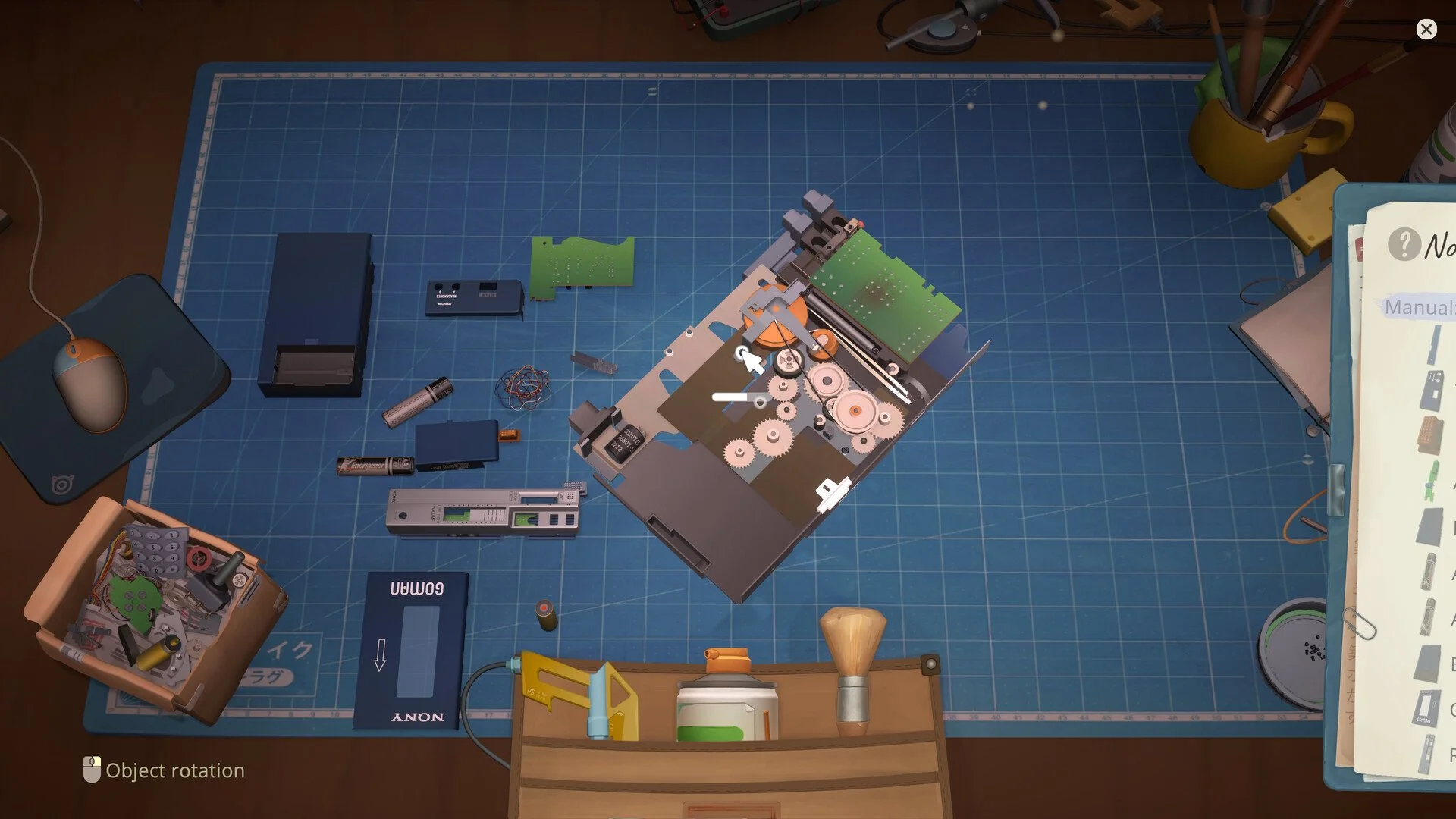
ReStory: Chill Electronics Repairs becomes much easier once you stop treating every repair as a separate job and begin managing the shop as one connected system. The parts you salvage today can finish tomorrow’s order, a cheap Marketplace device can fund your next license, and one poorly timed upgrade can leave you unable to afford the component blocking the story.
The strongest early strategy is to keep the shop flexible. Build a cash reserve, complete dependable orders, improve the tools you use constantly, and avoid sinking money into machines or customization features before they solve an actual problem.
Jump To Section:
Best Early Priorities
Choosing Orders
Best Upgrades
Managing Spare Parts
Marketplace Strategy
When to Buy Licenses
Efficient Daily Routine
Story and Dialogue Tips
Build Reliable Income Before Buying Everything
Your first goal should not be owning every machine in the depot. It should be reaching the point where one broken part, weekly bill, or new license cannot empty the shop’s account.
Customer orders are the safest source of early income because they do not require gambling on the condition of a Marketplace device. Cleaning-only orders are especially useful because they consume time rather than replacement parts, allowing you to earn money without risking a large repair bill.
Keep several thousand yen untouched as operating cash. That reserve gives you room to buy one missing component, pay the next bill, or take advantage of a genuinely cheap listing without placing the rest of the shop on hold.
The game is generous enough that you do not need to optimize every minute, but spending everything as soon as it arrives creates unnecessary bottlenecks. A profitable shop is not the one with the most upgrades. It is the one that can always afford to finish its current work.
Choose Orders by Cost, Time, and Certainty
Online orders refresh every day and remain available for three days, which means you do not need to accept or complete every attractive job immediately. Look at the request, the device, and the likely work before filling the bench.
Cleaning jobs offer predictable profit because every required part is already present. Repair jobs can pay more, but the margin depends on whether you own the replacements or need to purchase them.
A strong order queue mixes quick cleaning jobs with one or two repairs that use components already sitting in storage. This keeps money coming in while avoiding a workbench full of unfinished devices waiting for separate deliveries.
Do not accept several complicated orders simply because their deadlines are still three days away. Every device occupies physical and mental space, and similar-looking customer items become easier to mix up when too many jobs are open together.
Upgrade the Tools That Remove Repeated Work
The screwdriver is one of the strongest early upgrades because nearly every substantial repair begins and ends with screws. Improving it reduces time on every future device rather than helping with one narrow type of order.
The brush deserves similar priority. Manual cleaning appears constantly, and its inexpensive upgrades reduce one of the most repetitive parts of the restoration loop.
The tip jar is also worth buying early because it creates extra income from work you were already going to complete. Walk-up and online customers can leave tips, turning each finished order into slightly more progress toward the next license or shop upgrade.
By comparison, the first Sonic Bath is a convenience purchase rather than an immediate productivity breakthrough. It cleans three parts in roughly 30 seconds, which is slower than brushing three small components by hand. It becomes useful when upgraded or when you can keep working on another device while it runs.
The best early upgrade order is therefore based on frequency: improve the screwdriver, improve the brush, add the tip jar, and delay specialized machines until your workload makes them worthwhile.
Use Canned Air Selectively
Canned air can finish a dirty component almost instantly, but it is consumable. Using it on tiny buttons and simple covers trades money for only a few saved seconds.
Save it for large shells, panels, and awkward pieces that would take substantially longer with the brush. The upgraded brush should handle routine cleaning, while canned air acts as the shortcut for the worst individual components.
Our ReStory cleaning guide explains how to find hidden dirt, fix cleaning stuck at 0%, organize loose components, and decide when the Sonic Bath is worthwhile.
Treat Spare Parts as Working Capital
A spare component is not clutter if it replaces something you would otherwise have to buy. Keep usable screens, covers, circuit boards, buttons, cables, and internal pieces from devices you regularly encounter.
Organize parts by device rather than allowing every component to become one large pile. When an order needs a replacement, checking one device group is much faster than inspecting the entire shop.
Broken parts should not go straight into the trash once the shredder becomes available. Shredding returns some yen and turns otherwise useless pieces into a small recovery on the job.
Spare-part boxes are worth considering because they provide several components for one purchase. The contents are random, but the value improves when your shop handles a broad range of devices and can eventually use most of what arrives.
Do not buy boxes when one exact part is preventing an urgent order from being completed. Random inventory is useful for future flexibility, while licensed suppliers are better when the current job needs a guaranteed component.
Use the Notepad as a Repair Sequence
The notepad does more than identify broken and dirty pieces. Its component order also helps you reconstruct a device after the workbench has filled with loose parts.
When a component refuses to install, check whether another piece listed before it still needs to be placed. Many apparent control problems are simply assembly-order problems.
The notepad can also prevent unnecessary purchases. Before ordering a replacement, check whether the original part is dirty, sitting elsewhere on the table, or currently inside a cleaning machine.
Parts placed in the Sonic Bath may temporarily appear missing, so wait for the cycle to finish before assuming the device is incomplete.
Buy Marketplace Devices for Margin, Not Hope
Marketplace descriptions and seller ratings are not guarantees. A device advertised as dusty can arrive with several broken components, while a suspiciously cheap listing can occasionally become an excellent restoration.
The safest purchase is not necessarily the highest-rated listing. It is the one priced far enough below the finished sale value that the project can survive a few bad parts.
Before buying, consider the asking price, the completed sale value, and the maximum amount you are willing to spend on replacements. If the listing only becomes profitable when every internal part works, the margin is too thin.
A cheap donor device can also be useful even when you do not intend to sell it. One low-cost purchase may provide several components for higher-value repairs, but stripping a device can leave behind a core item that still occupies space. Avoid buying donors faster than you can use or finish them.
Our ReStory selling guide explains how the sell ledge works, why most devices lose money when built entirely from new parts, and how to calculate a safer resale margin.
Buy Licenses Before Luxury Upgrades
Licenses expand the range of devices you can properly repair and also move the story forward. That makes them more valuable than upgrades that only add optional customization or save a small amount of time.
A walk-up customer can bring a device you are not yet licensed to repair. The job remains in the shop until the required license is purchased, which can stall progression if you spent the money elsewhere.
When deciding between a decorative upgrade and the next license, buy the license unless the upgrade immediately solves a major workflow problem. New device access creates more orders, supplier options, story progression, and opportunities for profitable Marketplace restoration.
Build a small license fund alongside your normal operating reserve. This prevents a surprise customer from forcing several days of low-value work before the shop can move forward again.
Do Not Assume Extra Work Raises the Price
Painting and firmware tools are appealing because they add new interactions, but optional customization does not automatically increase an ordinary device’s sale value.
Buy the airbrush when you want to decorate electronics or when a customer specifically requests painting. Treat it as a creative feature rather than a guaranteed investment.
The reprogramming toolkit follows the same rule. Firmware work can be required by an order, but adding it to an unrelated resale device does not create free profit.
The most efficient restoration is the one that meets the job’s requirements or returns a device to a complete, functional state. Extra labor is only valuable when the customer or task actually pays for it.
Use a Simple Daily Shop Routine
Start each day by checking deliveries and reviewing the online orders before pulling apart a device. This reveals whether a missing part has arrived and whether a new cleaning job can fill downtime while another repair remains blocked.
Complete short, certain work first. Finishing a cleaning order creates immediate cash, clears workbench space, and gives you more flexibility before starting a device with unknown repair costs.
Place orders for missing parts before the shop closes. Shipping and collection stop between midnight and 8 AM, so discovering a missing component after hours can leave the job idle until the next morning.
Use the closed period for cleaning, disassembly, reassembly, and other work that does not depend on a new delivery. A stack of completed online orders can then leave together once morning service resumes.
Remember that the calendar does not properly advance until you go home and sleep. Working through the night may be useful occasionally, but remaining in the shop indefinitely can delay daily refreshes and progression tied to the next day.
Limit How Many Devices You Open at Once
Taking apart several electronics simultaneously feels efficient until their components begin overlapping. Similar screws, covers, and boards become difficult to associate with the correct device, while unfinished orders consume every usable surface.
Keep one main repair in the center of the bench and use the remaining space for a quick secondary job or parts waiting on a machine. Finish or reassemble one device before fully dismantling another large one.
Separate customer orders from personal resale stock. Two identical phones can have completely different destinations, and placing the wrong one on the sell ledge will not complete the customer’s request.
A tidy workshop saves more time than a minor tool upgrade because it prevents duplicated cleaning, unnecessary replacements, and rebuilding the wrong device.
Always Protect the Next Week’s Bills
Weekly expenses begin with rent and internet, then expand as the story adds electricity and security costs. The total remains manageable as long as you stop treating every yen in the account as spendable.
Set aside the next bill payment before purchasing optional upgrades or speculative Marketplace devices. That money is no longer part of your shopping budget.
The internet plans have a relatively small difference in weekly cost, and the shop earns enough to support the highest plan once work becomes consistent. The more important mistake is forgetting that the charge repeats and spending the reserve the day before it is due.
Read Dialogue Choices Before Committing
ReStory’s customers are not only delivery systems for broken electronics. Their stories continue, and your responses can influence what happens to them later.
Do not click through a conversation simply because the repair portion is complete. An innocent-sounding answer can lead into a more serious decision or commit your character to a position you did not intend to take.
Offers involving free or questionably sourced parts can provide practical benefits, but they may also carry story consequences. Decide whether the immediate shop advantage matches the way you want to handle the character involved.
The repair economy can recover from a bad Marketplace purchase. A major dialogue decision may be harder to undo.
The Best Overall ReStory Strategy
Build the shop around dependable orders first, then use the surplus to expand. Upgrade the screwdriver and brush because they improve nearly every job, collect extra income through the tip jar, and save specialized equipment until it can run while you do something else.
Keep usable parts, shred broken ones, and purchase exact replacements only after confirming that the original component cannot be cleaned or reused. Buy Marketplace devices when the discount leaves room for failure rather than trusting the seller’s description.
Most importantly, protect enough cash for bills, one unexpected part, and the next important license. That reserve keeps the story moving and allows you to choose profitable work instead of accepting whatever job will rescue the shop from its latest purchase.