Voidling Bound Best Build Guide
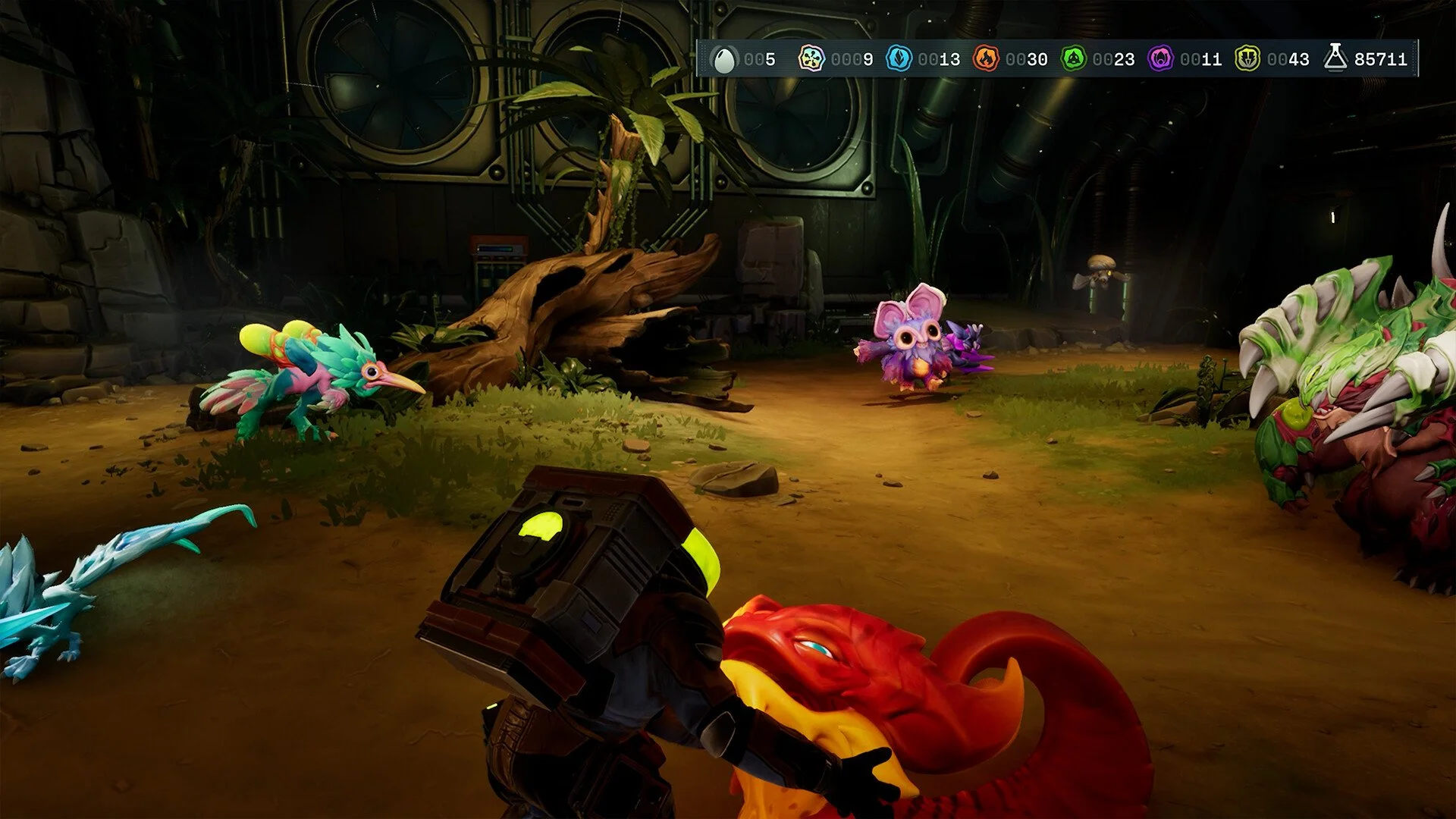
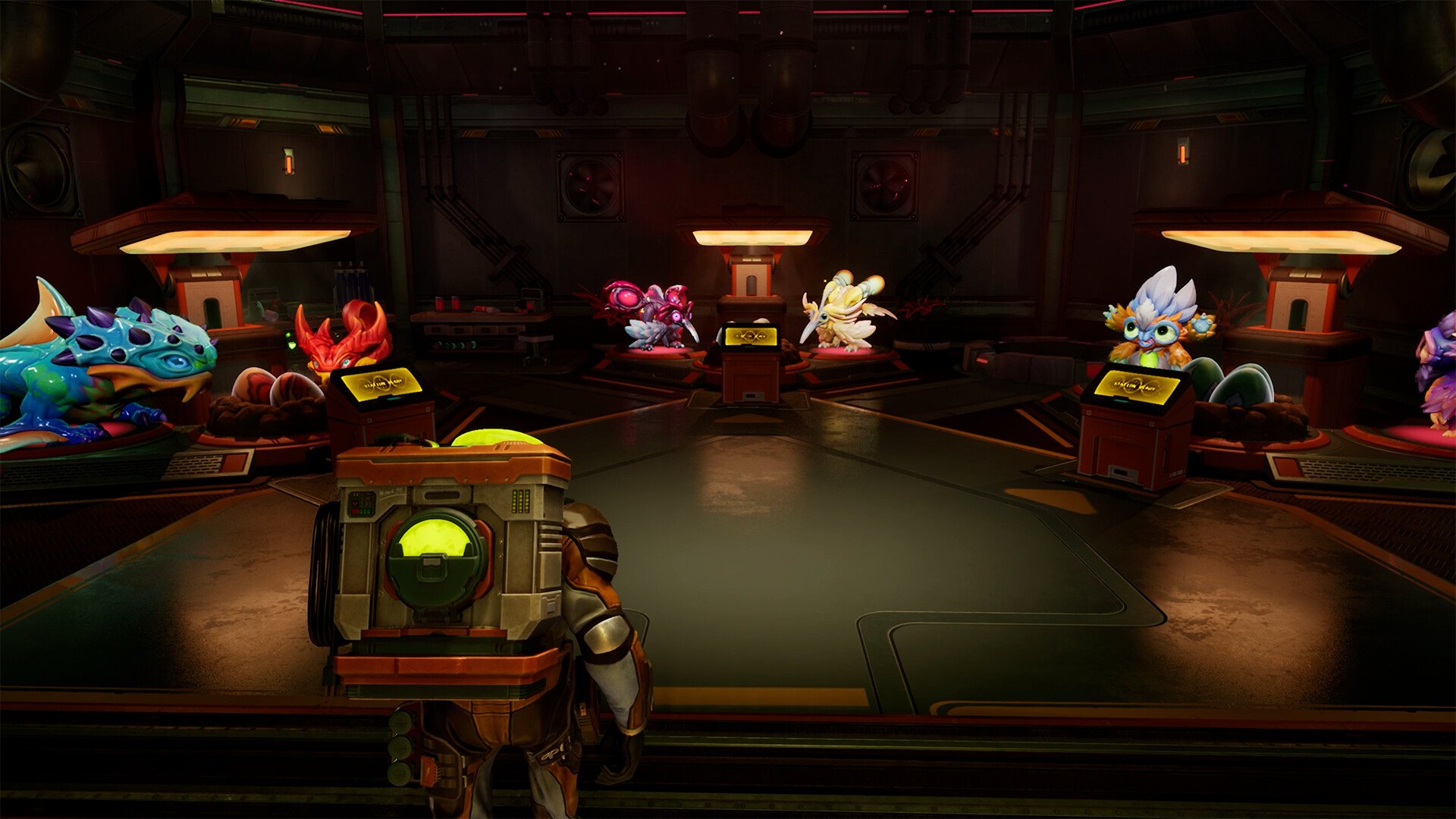
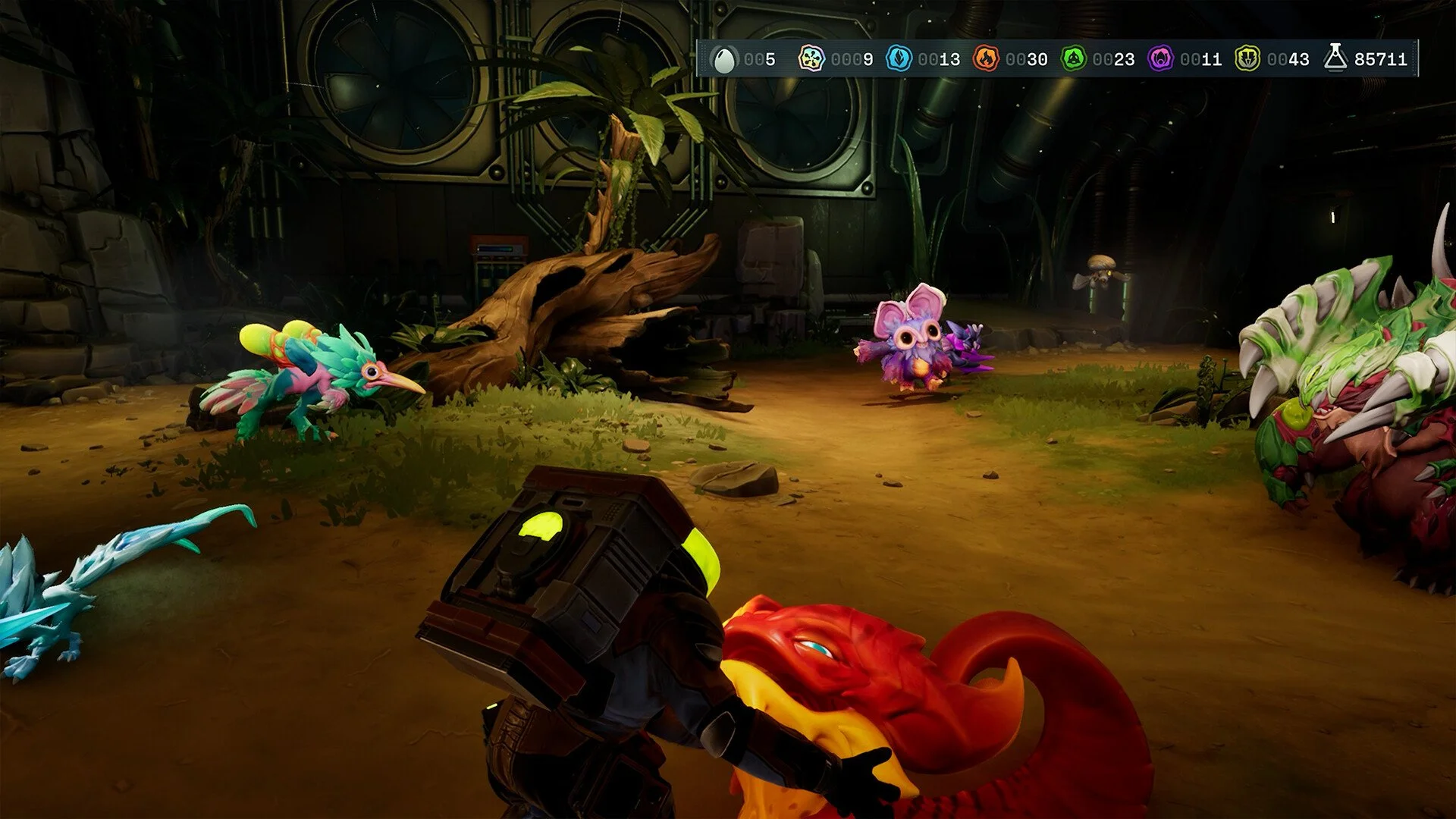
The best build in Voidling Bound is a Nimiod turret and area-control build because Nimiod has the strongest overall mix of damage uptime, turret support, stamina recovery, air movement, teleport safety, and Ultimate scaling. If you want an easier build, use Kwipeck for a balanced beginner setup, Kerapin for defense, Gilick or Morfang for close-range damage, and Packuran for heavy control.
Jump To
Best Build
Best Builds By Playstyle
Best Overall Build: Nimiod
Best Beginner Build: Kwipeck
Best Defensive Build: Kerapin
Best Close-Range Build: Gilick
Best Melee Build: Morfang
Best Clone Build: Gwigoon
Best Mobile Build: Anami
Best Advanced Build: Ur-Sek
Best Heavy Build: Packuran
Build Tips
Best Build In Voidling Bound
The best build in Voidling Bound is a Nimiod turret build focused on area damage, turret uptime, stamina recovery, teleport safety, and Ultimate burst windows. Nimiod is harder to play than the starter species, but it has the strongest overall build foundation once you understand how to fight around its turrets.
This is not a strict stat-by-stat min-max build, because Voidling Bound also depends on species, elements, mutation branches, upgrades, and how you actually play the creature. The safest way to think about builds is to start with the Voidling species first, then build around what that species already does well.
For the full ranking of which creature to use first, check the Voidling Bound best Voidling guide. For every species and element overview, use the Voidling Bound all Voidlings and species guide.
Best Builds By Playstyle
Nimiod is the best overall build, but not every player needs the same setup. If you want a simple beginner build, Kwipeck is better. If you want defense, Kerapin is better. If you want close-range pressure, Gilick and Morfang are better fits.
| Build Type | Best Voidling | Build Focus |
|---|---|---|
| Best overall build | Nimiod | Turrets, area damage, stamina recovery, teleport safety, and Ultimate burst. |
| Best beginner build | Kwipeck | Balanced ranged damage, rockets, dash movement, and AoE Ultimate. |
| Best defensive build | Kerapin | Shield safety, mines, medium-range damage, and survivability. |
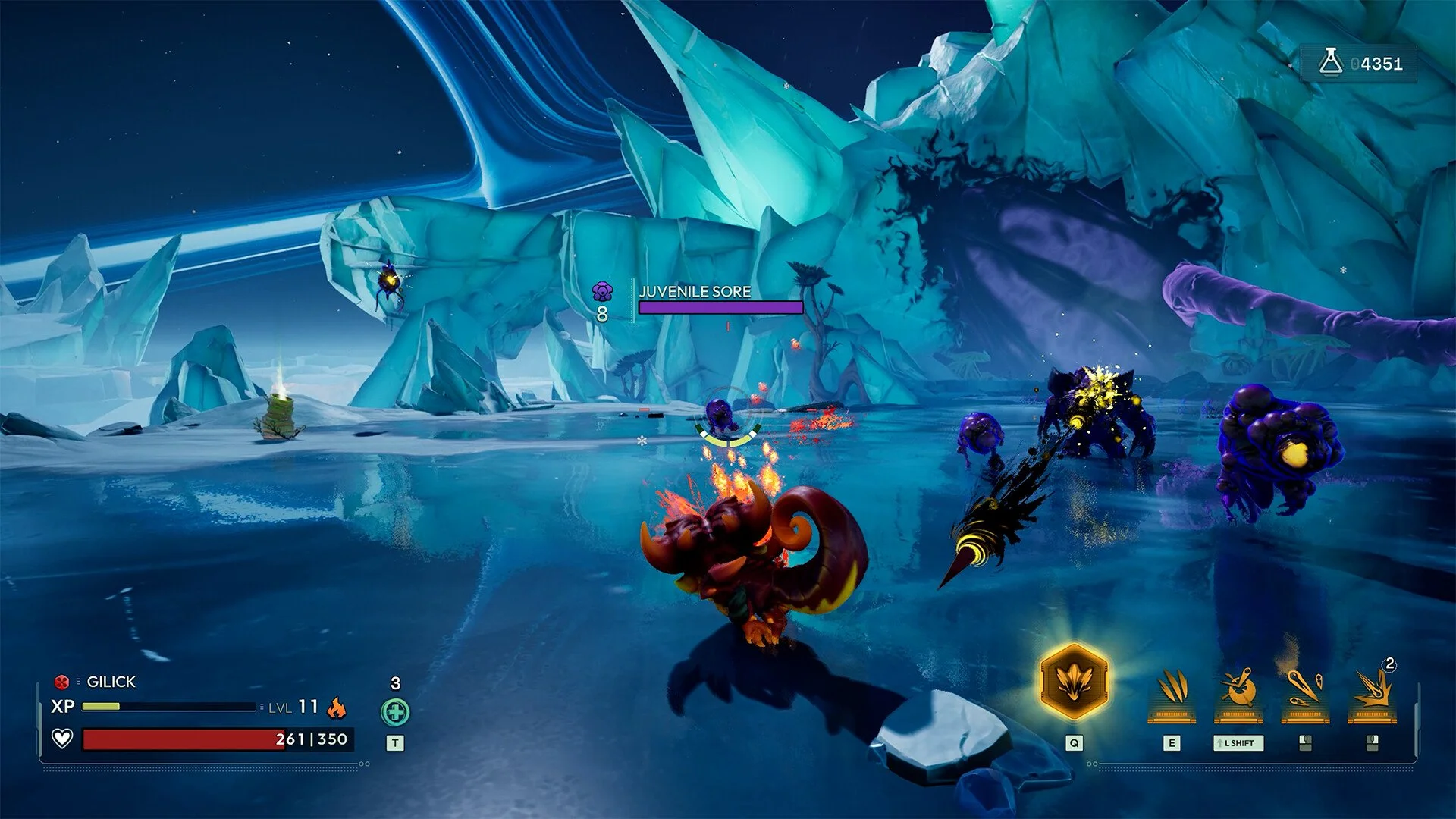
| Best close-range build | Gilick | Shotgun pressure, slam engage, counter stance, and cone burst damage. |
| Best melee build | Morfang | Ambush damage, aggressive melee pressure, and close-range uptime. |
| Best clone build | Gwigoon | Duplicate pressure, minion-style damage, and battlefield chaos. |
| Best mobile build | Anami | Homing attacks, evasive movement, and elemental harassment. |
| Best advanced build | Ur-Sek | Form swapping, healing, fast Ultimate charge, and flexible ability use. |
| Best heavy build | Packuran | Beams, hatchlings, wormholes, heavy pressure, and control tools. |
Best Overall Build: Nimiod Turret Build
The best overall build in Voidling Bound is a Nimiod build focused on turrets, stamina support, area damage, and safe teleporting. Nimiod has the best long-term kit because its turrets give it extra damage and control while its movement lets it stay active in fights.
Nimiod works differently from most species. It has infinite jumps that cost stamina, but it cannot reload until it lands. That means the build is not just about attacking harder. It is about using turrets and movement to keep damage active without running yourself dry.
| Nimiod Build Piece | Priority | Why It Matters |
|---|---|---|
| Turrets | Very High | They add damage, restore stamina nearby, and give Nimiod battlefield control. |
| Area damage | High | Nimiod is strongest when clearing groups and controlling space. |
| Stamina management | High | Nimiod's jumps and attacks depend heavily on stamina control. |
| Teleport safety | High | Teleport gives temporary invulnerability and helps avoid dangerous pressure. |
| Ultimate windows | High | The Ultimate places 6 turrets, gives invulnerability movement, and boosts attack and crit. |
For Nimiod, build around what makes the species special. Place turrets where fights happen, stay close enough to benefit from stamina recovery, use teleport to avoid dangerous moments, and save the Ultimate for waves, bosses, or crowded fights.
If you are picking mutation paths, favor the direction that makes your core loop stronger: more reliable damage, better area control, safer uptime, or stronger turret synergy. Do not build Nimiod like a basic shooter. The turrets are the build.
Best Beginner Build: Kwipeck Balanced Build
The best beginner build is Kwipeck with a balanced ranged setup. Kwipeck has a fast-firing SMG-style Primary, a rocket Secondary, dash movement, melee backup, and an AoE Ultimate, which makes it easy to understand and hard to completely mess up.
Kwipeck is not the highest-ceiling species, but it is the safest build for learning Voidling Bound. You get ranged damage, burst damage, movement, and area damage without needing to manage clones, turrets, form swaps, or stamina flight.
| Kwipeck Build Focus | Why |
|---|---|
| Primary damage | The SMG-style attack gives steady damage while learning fights. |
| Rocket burst | The Secondary gives stronger hits when enemies group or need finishing. |
| Dash safety | Dash keeps the build forgiving for newer players. |
| AoE Ultimate | Large explosions help clear groups and control crowded areas. |
Use Kwipeck if you want the cleanest first build. Once you know what playstyle you like, move into a more specialized species.
Best Defensive Build: Kerapin Shield Build
The best defensive build is Kerapin focused on shield safety, mines, and steady medium-range damage. Kerapin is the species to build around if your main problem is taking too much damage or getting overwhelmed.
Kerapin's shield is the heart of the build. It lets you attack through protection, which gives the species a safer rhythm than aggressive melee Voidlings. Mines add space control, and its burst shots keep damage steady without forcing reckless positioning.
| Kerapin Build Focus | Why |
|---|---|
| Shield uptime | Lets you survive pressure and attack from safety. |
| Mine placement | Controls enemy movement and adds delayed burst damage. |
| Medium-range damage | Keeps you useful without standing directly inside danger. |
| Rolling Ultimate | Gives movement, pressure, and explosive follow-up damage. |
Use Kerapin if you want a slower, safer build. It is not as flashy as Nimiod, but it is much more forgiving.
Best Close-Range Build: Gilick Brawler Build
The best close-range build is Gilick focused on shotgun pressure, slam engage, counter timing, and cone burst damage. Gilick is for players who want to fight near enemies but still have a defensive answer when things get ugly.
The Primary works like a shotgun, so the build naturally rewards close-range positioning. The Secondary slam helps you close distance, while the counter stance gives Gilick a way to survive incoming hits and punish enemies around it.
| Gilick Build Focus | Why |
|---|---|
| Shotgun pressure | Best when fighting close to enemies. |
| Slam engage | Helps close distance and start fights aggressively. |
| Counter stance | Gives safety and burst when enemies hit you. |
| Cone Ultimate | Strong close-range burst against enemies in front of you. |
Use Gilick if you want a brawler build with some built-in protection. It is a better close-range learning pick than going straight into pure melee aggression.
Best Melee Build: Morfang Aggression Build
The best melee build is Morfang focused on relentless close-range pressure and ambush damage. Morfang is more aggressive than Gilick and is built around staying on enemies instead of playing safely.
Morfang is not the build for cautious players. It is designed for players who want to close distance, keep attacking, and overwhelm enemies before they can control the fight.
| Morfang Build Focus | Why |
|---|---|
| Melee damage | Morfang is built around close-range attacks. |
| Ambush pressure | Rewards aggressive openings and quick enemy pressure. |
| Damage uptime | The build wants constant pressure instead of slow spacing. |
Use Morfang if your preferred build style is simple: get close, hit hard, and make enemies regret existing in your personal space.
Best Clone Build: Gwigoon Duplicate Build
The best clone build is Gwigoon focused on duplication and indirect pressure. Gwigoon's Secondary ability lets it create duplicates, which makes fights more chaotic and gives enemies more targets to deal with.
Build Gwigoon around keeping clone pressure active. You can play it more safely by letting duplicates help from a distance, or more aggressively by moving with your duplicates and overwhelming groups.
| Gwigoon Build Focus | Why |
|---|---|
| Duplicate uptime | More clones mean more pressure and more battlefield confusion. |
| Safe positioning | Duplicates can help while you avoid unnecessary damage. |
| Group pressure | Clone-style play works well when enemies are spread or distracted. |
Use Gwigoon if you like minion-style gameplay and want a build that creates problems for enemies without relying only on direct attacks.
Best Mobile Build: Anami Harassment Build
The best mobile build is Anami focused on movement, homing attacks, and elemental harassment. Anami is small, agile, and better at staying out of danger than heavier or more defensive species.
Build Anami around mobility and pressure. You want to keep moving, avoid direct punishment, and let homing or elemental attacks keep enemies under pressure while you stay hard to pin down.
| Anami Build Focus | Why |
|---|---|
| Mobility | Anami's best defense is not being where enemies want it to be. |
| Homing attacks | Lets you pressure enemies while staying evasive. |
| Elemental damage | Supports harassment and steady pressure. |
Use Anami if you want a fast build that wins by staying active, evasive, and annoying. Annoying is a combat identity. Do not let anyone tell you otherwise.
Best Advanced Build: Ur-Sek Form-Swap Build
The best advanced build is Ur-Sek focused on form swapping, healing, and frequent Ultimate use. Ur-Sek is a symbiotic species with two forms: Ur, the larger heavy hitter, and Sek, the smaller faster half.
Because Ur-Sek has two forms for each ability, the build is more technical than most species. Its Ultimate swaps forms and heals, and it has the fastest Ultimate charge time among the currently available species.
| Ur-Sek Build Focus | Why |
|---|---|
| Form swapping | Lets you adjust between heavier and faster ability patterns. |
| Ultimate charge | Ur-Sek's fast Ultimate charge supports frequent swaps and healing. |
| Healing windows | Helps keep the build alive while changing forms. |
Use Ur-Sek if you want the most flexible advanced build. It is not the easiest setup, but it gives you more ways to adapt mid-fight.
Best Heavy Build: Packuran Control Build
The best heavy build is Packuran focused on beams, hatchlings, wormholes, pressure, and battlefield control. Packuran is the heaviest Voidling currently listed, but its kit is more interesting than just being large.
Build Packuran around controlling space and applying pressure from multiple angles. Its continuous laser-style beams, summoned hatchlings, and miniature wormholes give it a strong control identity.
| Packuran Build Focus | Why |
|---|---|
| Beam pressure | Gives steady damage and control. |
| Hatchlings | Adds extra battlefield presence. |
| Wormholes | Supports control and unusual fight setups. |
| Heavy pressure | Lets Packuran dominate space instead of chasing every enemy. |
Use Packuran if you want a heavy build with control tools instead of a basic slow bruiser.
Best Build Tips
The best build tip in Voidling Bound is to build around your species instead of forcing every Voidling into the same role. Nimiod wants turrets, Kerapin wants shield safety, Gilick wants close-range pressure, and Gwigoon wants duplicate uptime.
| Build Tip | Why It Matters |
|---|---|
| Pick the species first | Your Voidling species defines the build more than anything else. |
| Do not spread upgrades too thin | A focused Voidling usually feels better than several half-built ones. |
| Build around the core mechanic | Turrets, shields, clones, form swaps, and melee pressure all need different priorities. |
| Use Nimiod for the strongest overall build | It has the best mix of damage, control, movement, and scaling. |
| Use Kwipeck if you are unsure | The starter build is balanced and easy to learn. |
| Change builds if the playstyle feels wrong | The best build is useless if you hate how it plays. |
Do not chase a complicated setup just because it sounds strongest. If Nimiod feels awkward, use Kwipeck or Kerapin until the game clicks. A comfortable build you play well is better than an overpowered build you keep piloting into walls like a proud idiot.
Final Blurb
The best build in Voidling Bound is a Nimiod turret build focused on area damage, turret uptime, stamina recovery, teleport safety, and strong Ultimate windows. It has the highest overall payoff and is the best species to build around once you understand its movement and turret system.
Kwipeck is the best beginner build, Kerapin is the best defensive build, Gilick is the best close-range build, Morfang is the best melee build, Gwigoon is the best clone build, Anami is the best mobile build, Ur-Sek is the best advanced build, and Packuran is the best heavy control build. Start with the species that fits how you fight, then build around what it already does best.